

)
Cases of bird flu (avian influenza) have been reported in parts of Kerala, including Alappuzha and Kottayam. The rise in cases has led authorities in Tamil Nadu to intensify their surveillance along the border districts to prevent the disease from spreading into the state. Special preventive measures have been initiated under the supervision of Joint Director Dr Balakrishnan. Lakshmi Bhavya, Nilgiris District Collector, said that the transportation of live poultry, eggs, poultry waste and other related products from Kerala into the district has been temporarily banned as a precautionary measure.
Earlier, poultry farms in Tamil Nadu's Namakkal district, which is one of the largest egg-producing hubs in the country, stepped up biosecurity and surveillance measures to prevent the spread of the disease. Namakkal alone accounts for nearly 1,500 poultry farms and produces millions of eggs daily, supplying markets across several Indian states and overseas.
Bird flu not only affects domestic poultry such as chickens, ducks and turkeys but can also spread through wild and migratory birds. In some cases, there's also a risk of transmission to humans. The World Health Organization (WHO), from 2003 to August 2025, reported 990 human cases of bird flu across 25 countries. This also includes 475 deaths which indicates a 48% fatality rate. With such a high fatality rate, it is important to stay cautious and prevent the spread.
But first, what is bird flu?
Bird flu, also known as avian influenza, is an infection caused by a type of influenza (flu) virus. It usually spreads in birds and animals. Humans, too, can get bird flu when they're in close proximity to infected animals. Cleveland Clinic says that it's extremely rare that the infection spreads from person to person.
Humans can get bird flu when they come in contact with an infected animal's body fluid, like spit (saliva), milk, respiratory droplets or poop (feces). They might breathe it in from small dust particles in animal habitats or get it into their eyes, nose or mouth after touching body fluids. According to Cleveland Clinic, "You don't get bird flu from eating properly cooked poultry or eggs or from drinking pasteurised milk. Any flocks known to have avian flu virus are immediately taken out of the human food supply." However, you should be extremely cautious and take necessary steps when you spot any sign of bird flu. Check out the symptoms and preventive tips of bird flu.
Symptoms of Bird Flu
- Pink eye (conjunctivitis)
- Fever
- Fatigue
- Cough
- Muscle aches
- Sore throat
- Nausea and vomiting
- Diarrhea
- Stuffy or runny nose
- Shortness of breath (dyspnoea)
Symptoms can be mild or severe. To prevent bird flu, focus on avoiding exposure to infected birds or contaminated environments while maintaining hygiene. Here are some of the ways to prevent bird flu.
Preventive Tips for Bird Flu
1. Avoid Bird Contact
Stay away from sick or dead wild birds, poultry farms, live bird markets, and dairy farms with ill animals. Also, if you come across any unusual bird deaths, report it to the authorities and let them handle it. This limits direct transmission from infected sources.
2. Cook Foods Properly
Thoroughly cook poultry, eggs, and meat to at least 165 degree farhenheit (75 degree celcius) internal temperature to kill the virus. Consume only pasteurised dairy and avoid raw or undercooked products.
3. Practice Hand Hygiene
Wash hands frequently with soap and water for 20 seconds, especially after touching birds, surfaces, raw poultry, or outdoor items like feeders. Use sanitiser if soap is unavailable. This removes any viral particles effectively.
4. Use Protection
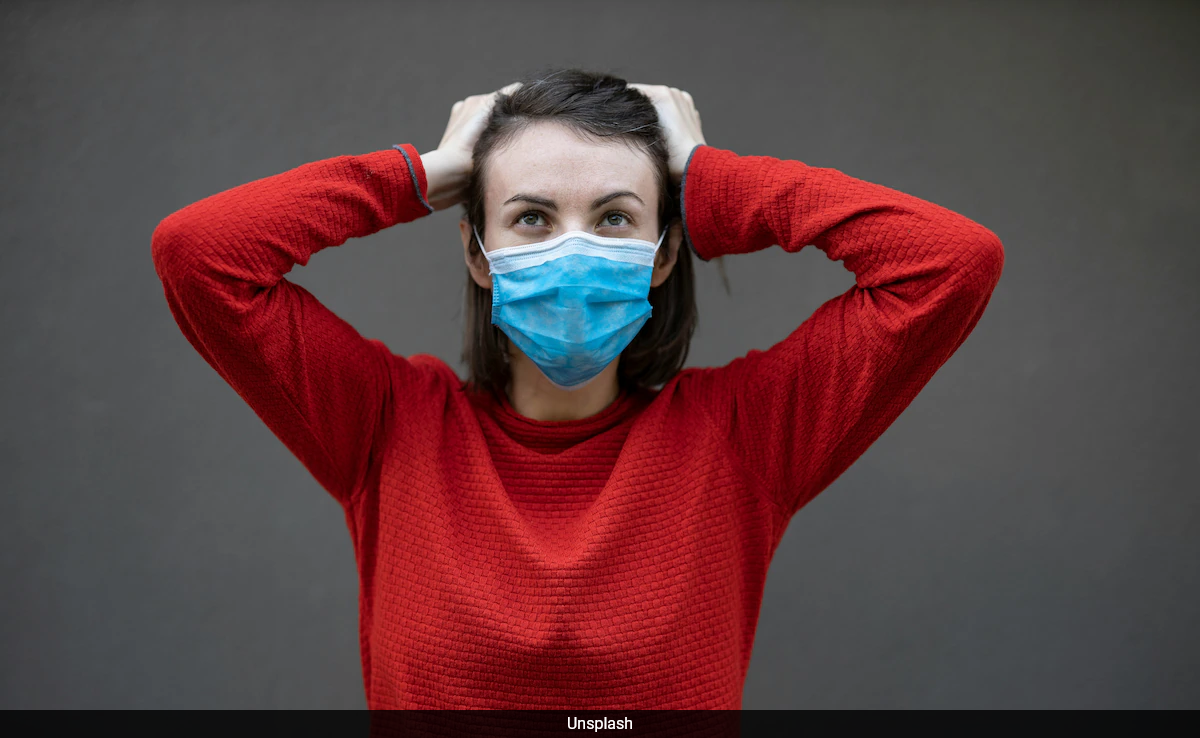
Wear PPE like masks, gloves, and eye protection during unavoidable contact with birds or animals. Change clothing and footwear after you come in contact. Biosecurity helps to protect high-risk groups like farmers.
5. Stay Vaccinated
Get annual human flu shots to avoid risks of co-infection. Follow local health advisories on outbreaks and avoid travel to affected regions if possible.
(With inputs from IANS)
Disclaimer: This content including advice provides generic information only. It is in no way a substitute for a qualified medical opinion. Always consult a specialist or your own doctor for more information. NDTV does not claim responsibility for this information.