

Bhopal has reported 156 dengue cases so far in 2026, prompting the health department to intensify mosquito-control measures and public awareness campaigns across the Madhya Pradesh capital. According to a reports, officials have stepped up surveillance and preventive action, particularly in areas considered vulnerable to dengue transmission. The situation has been described as under control, but the continued reporting of cases highlights the need for residents to remain vigilant.
Dengue is a mosquito-borne viral infection that can cause high fever, severe headache, muscle and joint pain, nausea and skin rashes. While many patients recover with appropriate medical care, some develop severe dengue, which can cause bleeding, fluid leakage, shock and organ complications. Early recognition of symptoms and timely medical assessment are therefore essential.
In Indian cities, the risk of dengue often rises during and after the monsoon, when water collects in discarded containers, coolers, flowerpots, tyres and other places where mosquitoes can breed. However, transmission can continue beyond the rainy season if breeding sites persist.
For Bhopal residents, preventing mosquito bites and eliminating stagnant water around homes, schools and workplaces remain critical. Understanding when to seek medical help is equally important, particularly because serious warning signs can emerge as a fever begins to subside.
Why dengue prevention remains important in Bhopal
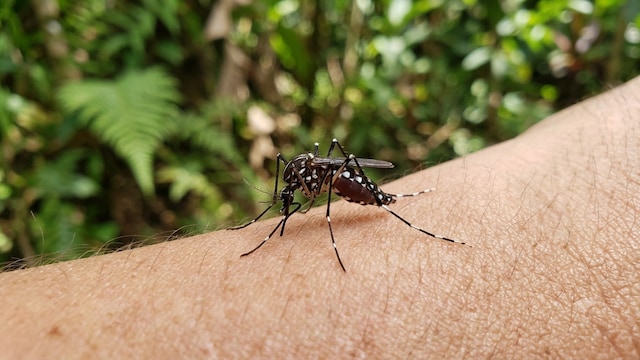
Dengue is transmitted primarily by infected Aedes aegypti mosquitoes, which can breed in relatively small amounts of stagnant water and are active during the day. Uncovered water-storage containers, discarded tyres, flowerpots, coolers and construction-site debris can become breeding grounds if water is allowed to collect.
Bhopal has already undertaken mosquito-control and surveillance activities this year. Reports suggest that 44 teams were operating across the city's 85 wards and 21 zones, surveying households and removing mosquito larvae. Five designated sentinel sites were also identified for dengue and chikungunya diagnosis: AIIMS Bhopal, Gandhi Medical College, BMHRC, JP Hospital and Civil Hospital in Bairagarh.
The latest increase in reported cases reinforces the importance of sustained action. The Union Health Ministry has also emphasised early diagnosis, disease surveillance, vector control and community participation in dengue preparedness.
What are the symptoms of dengue?
According to the World Health Organization (WHO), dengue symptoms usually begin four to 10 days after infection and can last for two to seven days. Some people may have no symptoms, while others develop a sudden illness.
Common symptoms include:
- Sudden high fever
- Severe headache and pain behind the eyes
- Muscle, bone and joint pain
- Nausea and vomiting
- Skin rash
- Loss of appetite and fatigue
These symptoms can overlap with malaria, chikungunya and other infections common in India. Therefore, fever alone cannot confirm dengue. Seek medical advice if you develop a high fever, particularly during an outbreak, and follow the clinician's recommendations on testing and monitoring.
Warning signs that need immediate medical attention
A particularly important point is that dengue can become severe around the time the fever subsides. A falling temperature does not necessarily mean the patient is recovering safely.
Seek urgent medical care if a patient develops:
- Severe abdominal pain or tenderness
- Persistent vomiting
- Bleeding from the nose or gums
- Blood in vomit or stools, or black stools
- Rapid or difficult breathing
- Unusual drowsiness, restlessness or extreme weakness
- Pale, cold or clammy skin
These warning signs may indicate severe dengue, which can progress rapidly and requires urgent hospital assessment.
How to prevent dengue at home
Residents can reduce mosquito breeding and bites by following these measures:
- Empty stagnant water every week. Check coolers, flowerpots, buckets, trays, tyres, rooftop containers and other places where rainwater collects. Empty, scrub and dry containers where possible.
- Cover stored water. Keep overhead tanks, drums and household water-storage vessels tightly covered. Clean containers regularly to remove mosquito eggs.
- Use mosquito protection during the day. Apply an appropriate mosquito repellent according to its label, wear clothing that covers the arms and legs, and use window screens where possible. Dengue-transmitting mosquitoes are active during daylight hours as well as at other times.
- Keep the neighbourhood clean. Dispose of discarded containers and waste responsibly. Housing societies, schools, construction sites and commercial establishments should check for stagnant water on their premises.
- Do not depend on fogging alone. Fogging may help control adult mosquitoes in targeted situations, but eliminating breeding sites is essential to sustained prevention. Follow local health department advisories and cooperate with inspection teams.
These measures align with WHO recommendations on mosquito-bite prevention and environmental management.
What should you do if you suspect dengue?
There is no specific antiviral treatment for dengue. Management generally involves medical assessment, adequate fluids, rest and monitoring for complications.
Consult a doctor rather than relying on home remedies or self-diagnosis. Paracetamol may be used for fever when advised by a healthcare professional, but avoid aspirin and non-steroidal anti-inflammatory drugs such as ibuprofen, as they can increase bleeding risk. Do not take antibiotics or other medicines without medical advice.
Patients should follow their doctor's instructions regarding follow-up visits and blood tests. Platelet counts alone should not be used to determine whether a patient is safe; clinical symptoms and other indicators also matter.
READ | Tamil Nadu To Study Qdenga Dengue Vaccine Effectiveness In Town With Heavy Burden
Bhopal's 156 reported dengue cases so far in 2026 underline why mosquito control and public awareness must continue even when authorities describe the situation as under control. Prevention depends on consistent action by civic agencies, healthcare teams, housing societies and individual households.
For residents, the priorities are straightforward: eliminate stagnant water, protect against mosquito bites, seek medical advice for suspected dengue and recognise warning signs even after a fever subsides. Early diagnosis and appropriate medical care can reduce the risk of serious complications.
As India's monsoon and post-monsoon dengue risks persist, preventing mosquito breeding and acting promptly on symptoms remain the most important steps families can take to protect themselves.
Disclaimer: This content including advice provides generic information only. It is in no way a substitute for a qualified medical opinion. Always consult a specialist or your own doctor for more information. NDTV does not claim responsibility for this information.