

)
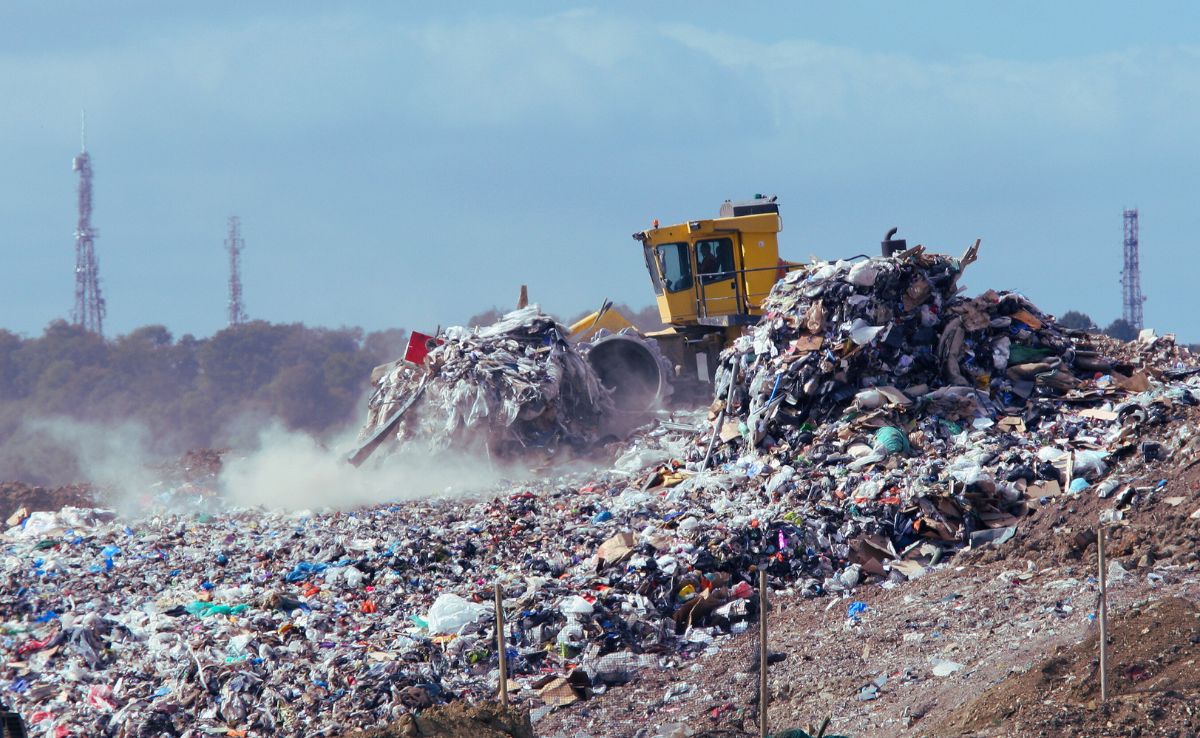
Bengaluru is facing a severe garbage crisis after villagers near the Bellahalli landfill blocked more than 150 garbage trucks from entering the facility On February 16. This affected collection and disposal of waste for the next two days. According to a report in The Hindu, after the Bellahalli road was blocked, some of the lorries allegedly attempted to head towards Doddaballapur to dump the waste elsewhere. However, residents in that area also stopped the vehicles and sent them back. The protest happened after residents in the nearby areas complained that funds promised for local infrastructure development had not been released for nearly two years.
They also said that continuous movement of garbage-laden lorries had damaged internal roads and that the dumping poses serious health concerns. They demanded that the government fulfil previous demands linked to waste management activities around the landfill. Karee Gowda, Chief Executive Officer (CEO), Bengaluru Solid Waste Management Limited (BSWML), told The Hindu that the issue has been settled and that no further meeting is required. He said orders have now been issued to take up development works in and around landfill sites and waste processing plants, addressing the concerns raised by residents.
Waste management in urban areas is extremely important as it has a crucial impact on sanitation. When waste management is disrupted, it creates filthy conditions that breed illness for entire communities. Piles of uncollected garbage turn streets into health hazards, spreading germs and toxins that affect health. It poses severe risks to community health by enabling the rapid spread of infectious diseases and worsening environmental hazards. Here are some ways lack of sanitation affects community health.
How Lack Of Sanitation Affects Community Health
1. Spreads Infectious Diseases
When garbage isn't picked up, it rots and attracts flies, rats, and mosquitoes that thrive in the dirt. These pests carry harmful bacteria and viruses, contaminating food and water. It can lead to common illnesses like cholera, typhoid, and diarrhoea, especially affecting children and the elderly whose immune systems are poor.
2. Causes Respiratory Problems
People often burn trash openly to get rid of it, releasing thick smoke packed with tiny particles and poisonous gases. This polluted air irritates lungs, triggering coughs, asthma attacks, and bronchitis. In busy cities like Bengaluru, the smoke hangs around, mixing with car fumes which makes breathing harder for everyone. Over time, this constant exposure can lead to chronic breathing issues.
3. Contaminates Drinking Water
When there isn't proper waste management, waste tends to rot. This produces a nasty liquid called leachate, which soaks into the ground and rivers. This toxic liquid carries chemicals, heavy metals, and germs straight into wells and taps that people rely on for drinking. People might experience stomach problems, skin rashes, and even kidney damage as families unknowingly consume these poisons daily.
4. Attracts Rodents and Insects
Garbage dumps become perfect breeding grounds for rodents and insects that bite and spread malaria, dengue, and leptospirosis. Rain can turn these piles into mosquito factories, causing fevers and joint pain.
5. Skin and Eye Infections
Touching or being near filthy waste exposes skin to bacteria through cuts or scrapes. This can cause painful boils, rashes, and pus-filled sores. People might also experience eye stings and burns that happen from dust and irritants.
6. Child and Maternal Health
Women expecting babies and young children near dumping grounds breathe toxic air and drink contaminated water, which increases the chances of miscarriages, early births, or underweight infants. Toddlers might suffer diarrhoea that dehydrates their tiny bodies fast, while mothers deal with anaemia and fatigue. This cycle weakens the next generation, making communities sicker as health issues impact the growth years of children.
Disclaimer: This content including advice provides generic information only. It is in no way a substitute for a qualified medical opinion. Always consult a specialist or your own doctor for more information. NDTV does not claim responsibility for this information.