

)
As temperatures rise, reaching for a chilled beverage feels almost instinctive. Whether it's a fizzy soda, packaged fruit juice, or an energy drink, cold refreshments are often seen as the quickest way to quench thirst and beat the heat. But does that icy sensation actually translate to proper hydration, or could it be misleading your body? Hydration is not just about how a drink feels when you consume it; it's about how effectively it replenishes fluids and maintains the body's internal balance. Increasingly, medical experts and public health data suggest that many popular cold beverages may not only fall short in hydrating the body but could also contribute to long-term health concerns.
Dr. Suchismitha Rajamanya, Lead Consultant & HOD - Internal Medicine at Aster Whitefield Hospital, Bengaluru, highlights a critical but often overlooked distinction: the difference between perceived thirst relief and actual hydration. With rising consumption of sugar-laden drinks globally, understanding this difference is more important than ever.
So, are chilled beverages genuinely helping your body, or quietly doing more harm than good?
Do Cold Drinks Really Quench Thirst?
"A chilled drink can, in some circumstances, disguise dehydration," says Dr. Suchismitha Rajamanya. "It's the coldness of the drink which, for a while, can envelope the throat and diminish the sensation of thirst but this isn't necessarily the same as being sufficiently hydrated physically."
This means that while cold drinks may feel satisfying, they can trick your brain into thinking your thirst has been quenched, even when your body still needs fluids. This sensory illusion can reduce your overall water intake throughout the day, especially in hot climates where hydration needs are higher.
Also Read: Are You Well Hydrated? Watch Out For These Signs Of Dehydration
The Real Problem: What's Inside the Drink
Experts emphasise that the issue is not the temperature of the beverage but its composition. "Indeed, some cold, fizzy or sugared beverages have the potential to affect your perception of thirst, which in turn can cause you to appropriately consume less fluid during the course of the day. The real issue is not just the temperature, but rather the contents of these drinks," Dr. Rajamanya explains.
A large number of commonly consumed chilled beverages, including sodas, energy drinks, and packaged fruit juices, contain high amounts of added sugar. According to the World Health Organization (WHO), excessive intake of free sugars is linked to obesity, type 2 diabetes, and cardiovascular diseases.
Sugar And Hydration: A Complicated Relationship
High sugar content does more than just add calories. It can actively interfere with the body's hydration process. Dr. Rajamanya notes, "Excessive sugar content has the potential to counteract proper hydration by increasing the osmotic draw of water to the gut and perturbing native fluid dynamics."
In simple terms, drinks high in sugar can pull water into the digestive tract, reducing the amount available for essential bodily functions. This can leave you less hydrated than you might expect, despite consuming liquids. Sugar-sweetened beverages are associated with increased risks of metabolic disorders and poor health outcomes.
The Rise Of "False Hydration"
The concept of "false hydration" is gaining attention globally. This refers to the idea that not all fluids hydrate equally. While water remains the gold standard, beverages high in sugar, caffeine, or artificial additives may not effectively restore fluid balance. "There are emerging studies and trends indicating a global shift in focus toward drinking water and lower-sugar beverages, as opposed to cold beverages, due to the metabolic impacts of the latter," says Dr. Rajamanya.
This shift is supported by public health campaigns encouraging reduced consumption of sugary drinks. For instance, WHO guidelines recommend limiting free sugar intake to less than 10% of total daily energy consumption, with further benefits seen when reduced below 5%.
What Should You Drink Instead?
Hydration doesn't have to mean giving up refreshing drinks altogether. The key is to choose beverages that support, rather than hinder, your body's needs.
Some healthier options include:
- Plain water (room temperature or cool)
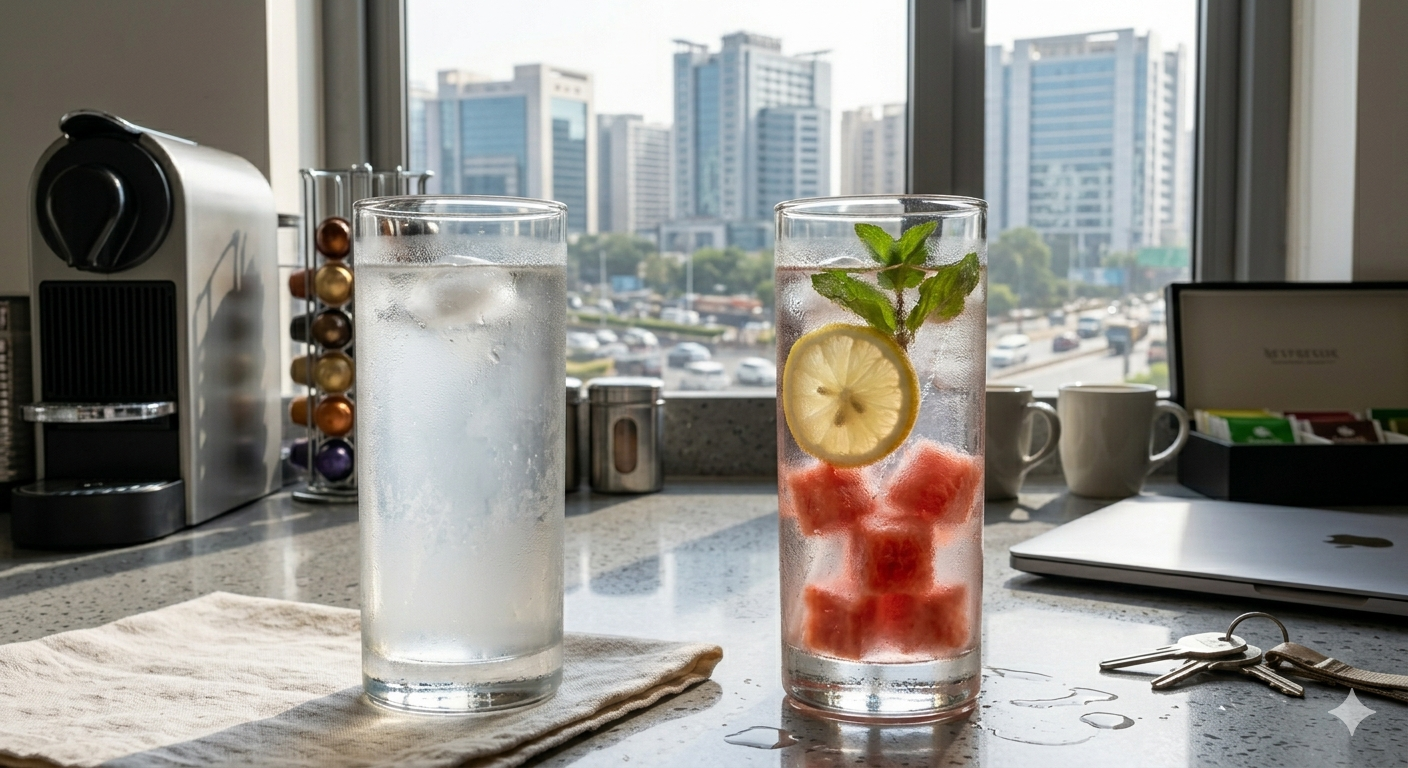
- Infused water with fruits or herbs
- Coconut water (in moderation)
- Buttermilk or lightly salted drinks in hot climates
These options provide hydration without excessive sugar or additives.
Also Read: Is There A Wrong Way To Hydrate? Doctors Explain Hydration Mistakes You Are Making During A Heatwave
Is It Ever Okay To Have Chilled Drinks?
Moderation is crucial. Occasional consumption of cold beverages is unlikely to cause harm in otherwise healthy individuals. However, relying on them as your primary source of hydration can be problematic. "Therefore, it can be stated that while drinking a cold beverage might not be a bad choice at times, using it to hydrate oneself might be doing more harm than good," Dr. Rajamanya concludes.
Chilled beverages may offer instant relief from the heat, but their cooling effect can be deceptive. True hydration depends not on how cold a drink feels, but on how effectively it replenishes the body's fluid balance. Sugary, fizzy, and processed drinks can mask thirst, disrupt hydration, and contribute to long-term health risks.
As awareness grows, the focus is shifting toward smarter hydration choices, prioritising water and low-sugar alternatives. The next time you reach for a cold drink, it may be worth asking: is it truly hydrating your body, or just momentarily tricking your senses?
Disclaimer: This content, including advice, provides generic information only. It is in no way a substitute for a qualified medical opinion. Always consult a specialist or your own doctor for more information. NDTV does not claim responsibility for this information.