

)
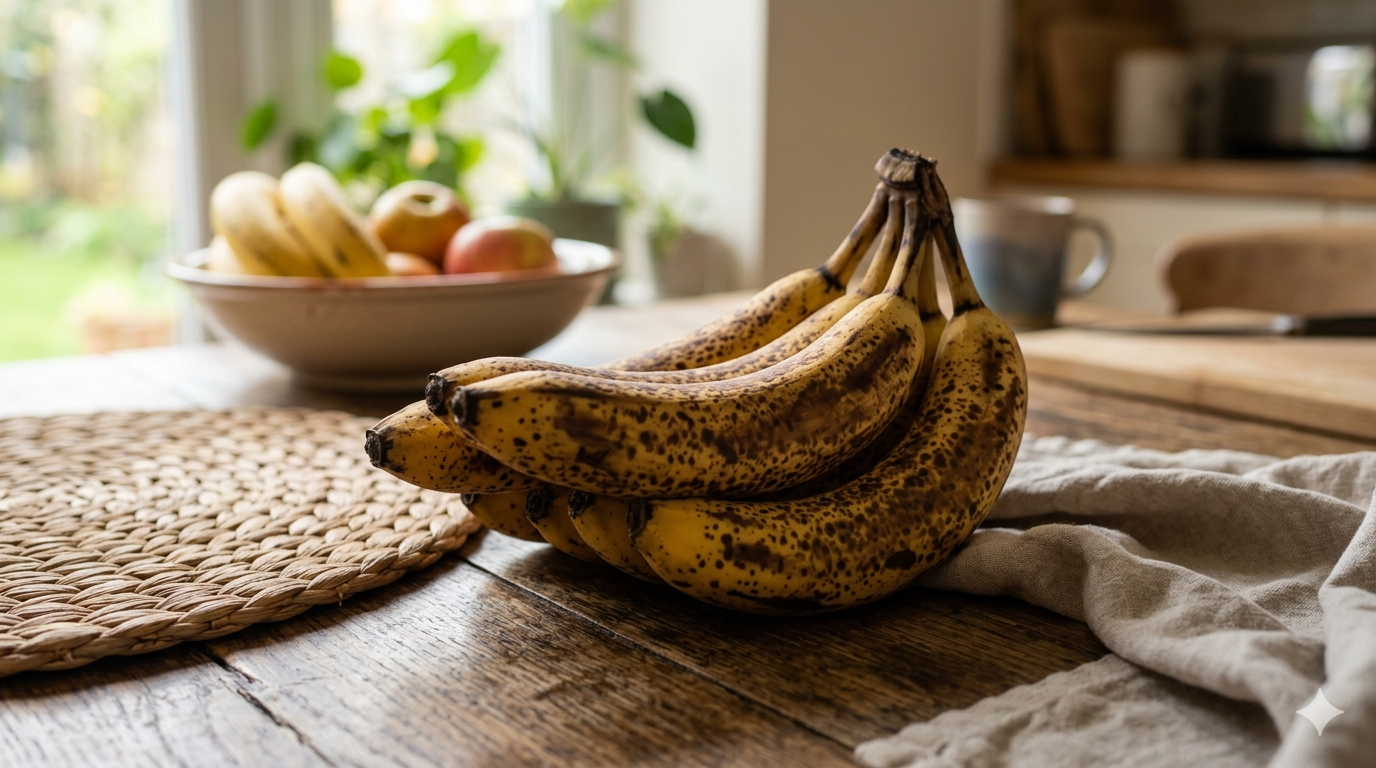
Brown bananas are one of the most misunderstood fruits in the kitchen. While many people assume that dark spots or a fully brown peel mean the banana has spoiled, that is not always true. In many cases, brown bananas are perfectly safe to eat and can even offer certain nutritional advantages. The key is to know the difference between natural ripening and actual spoilage. A 2019 study published in International Journal of Food Science found that as bananas ripen, they release ethylene gas, which breaks down the yellow pigments in their peel, gradually fading the color and turning the skin brown.
Why Do Bananas Turn Brown?
Bananas naturally change colour as they ripen. The green peel gradually turns yellow and later develops brown spots due to the breakdown of chlorophyll and increasing sugar content. As bananas ripen:
- Starches convert into natural sugars
- The fruit becomes softer and sweeter
- Brown spots begin appearing on the peel
This process is completely normal and does not automatically mean the fruit is bad.
Also read: Gastroenterologist Explains Why You Should Start Your Day With Banana
When Brown Bananas Are Still Safe To Eat
As per a study published in Journal PLOSone, Ripe bananas offer significant health benefits, including strong antioxidant capacity, cardiovascular protection, and easy energy for athletes due to their high soluble sugar content. A banana with brown spots or even a mostly brown peel is usually safe if:
- The inside still looks creamy or light brown
- There is no foul or fermented smell
- The texture is soft but not slimy
- There is no visible mould
In fact, overripe bananas are often preferred for:
- Smoothies
- Banana bread
- Pancakes
- Oatmeal
- Natural sweetening in desserts
Are There Any Nutritional Changes?
As bananas ripen, their nutritional profile changes slightly. Riper bananas tend to:
- Have higher natural sugar content
- Be easier to digest
- Contain softer fibre
However, they may also have a slightly higher glycaemic impact compared to firmer yellow bananas, which may matter for people with diabetes.
When A Brown Banana Is Actually Spoiled
A banana should be thrown away if you notice:
- A strong sour or alcoholic smell
- Visible mould on the peel or stem
- Excessive leaking liquid
- Completely black, rotten flesh inside
- Slimy texture
These signs indicate spoilage rather than normal ripening.
Do Brown Bananas Cause Health Problems?
Normally ripened brown bananas are not harmful. However, spoiled bananas contaminated with mould or fermentation may cause stomach discomfort or food poisoning in sensitive individuals. People with diabetes or those watching sugar intake may prefer moderately ripe bananas instead of very overripe ones due to higher sugar concentration.
Also read: Low Iron Levels? A Teaspoon Of Moringa Can Help Manage Anemia And Fatigue, Says Nutritionist
Best Ways To Store Bananas
To slow browning:
- Keep bananas at room temperature away from direct sunlight
- Separate bananas from other fruits that release ethylene gas
- Refrigerate ripe bananas if needed; the peel may darken, but the fruit inside often stays fresh longer
Brown bananas are not automatically spoiled. In most cases, they are simply overripe and still safe to eat, especially if there is no bad smell, mould, or slimy texture. Instead of throwing them away immediately, overripe bananas can often be reused in healthy recipes, helping reduce food waste while adding natural sweetness to meals.
Disclaimer: This content, including advice, provides generic information only. It is in no way a substitute for a qualified medical opinion. Always consult a specialist or your own doctor for more information. NDTV does not claim responsibility for this information.