

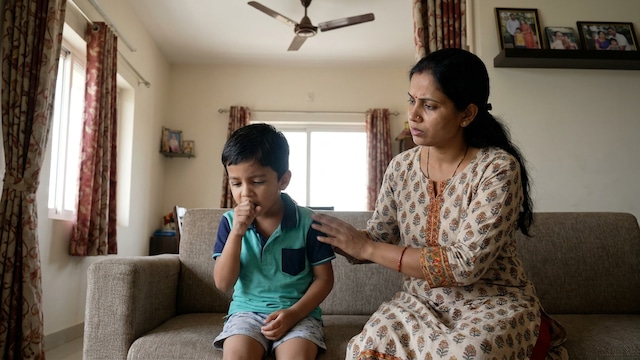
World Pneumonia Day is observed every year on November 12. The day aims to draw attention to the disease and the need for better prevention and treatment. Pneumonia is an infection of the lungs that can be caused by bacteria, viruses or fungi. The condition affects the tiny air sacs or alveoli, where oxygen enters the blood. When an individual suffers from pneumonia, these air sacs fill with fluid and pus, making it difficult to breathe and reducing the amount of oxygen reaching the body.
According to recent reports, India recorded an estimated 1,29,000 deaths from pneumonia among children under five in 2023. This makes India the country with the highest number of under-five pneumonia deaths among countries included in the global data. The number is important because pneumonia is not an untreatable disease.
Vaccination, good nutrition, cleaner air, early diagnosis and timely treatment can help to reduce the risk of severe illness and death. However, pneumonia is still a major health threat in the country, especially for young children, older adults and people with existing health problems.
What Exactly Happens In Pneumonia?
Pneumonia starts when an infection reaches the lungs and causes inflammation. The immune system responds to the infection, causing the air sacs to become inflamed and fill with fluid or pus. As the lungs become affected, oxygen exchange becomes harder. This can cause symptoms such as cough, fever, chills, chest discomfort, rapid breathing and shortness of breath. In severe cases, oxygen levels can fall dangerously low and the infection can spread through the body.
Pneumonia can affect anyone, however, the risk of severe disease is higher among children under five, older adults and people with conditions such as heart or lung disease, diabetes or weakened immunity.
Why Does Pneumonia Kill So Many Indians?
1. Young Children Are Vulnerable
Children under five have developing immune systems and can deteriorate quickly when they develop a serious respiratory infection like pneumonia. India has made progress in reducing childhood pneumonia deaths but the disease is still a major cause of death among young children.
2. Malnutrition
Poor nutrition affects the body's ability to fight infections. A child who is undernourished may have a higher risk of developing severe pneumonia and may also take longer to recover. UNICEF says that undernutrition is one of the important factors linked to childhood pneumonia deaths.
3. Air Pollution
India's air pollution problem can make the lungs more vulnerable. Exposure to outdoor pollution, household smoke and other pollutants can damage or irritate the respiratory system. Children exposed to indoor smoke from cooking fuels and other sources can be particularly vulnerable.
4. Vaccination Gaps
Vaccines can prevent several infections that can cause pneumonia or make respiratory infections severe. India has introduced the pneumococcal conjugate vaccine into its childhood immunisation programme, but ensuring that every eligible child receives recommended vaccines remains important. Vaccination is significant because prevention is safer than waiting for a severe lung infection.
5. Symptoms May Be Spotted Too Late
Pneumonia can become dangerous when treatment is delayed. Fast or difficult breathing, chest indrawing, inability to feed, unusual sleepiness or bluish lips can indicate severe illness in a child which requires urgent medical attention. In areas where healthcare access is limited, families may also face delays in reaching a facility or getting the required treatment.
6. Lack Of Oxygen And Timely Treatment
Severe pneumonia can lead to dangerously low blood oxygen levels. Pulse oximeters can help identify low oxygen, while oxygen therapy can be lifesaving. WHO's updated guidelines also highlights the importance of early recognition and appropriate treatment.
7. Older adults And People With Other Health Conditions
Pneumonia is not only a childhood disease. Older adults and people living with chronic heart, lung or other health conditions can develop severe pneumonia.
Measures That Can Help Prevent Pneumonia Deaths
The best way to stop deaths is to prevent the infection and spot the seriousness of the illness early. Keeping vaccinations up to date, ensuring adequate nutrition, reducing exposure to smoke and air pollution, maintaining good hygiene and seeking medical care promptly, are also ways that can help prevent pneumonia deaths. For children, breastfeeding, good nutrition and timely vaccination are particularly important.
Disclaimer: This content including advice provides generic information only. It is in no way a substitute for a qualified medical opinion. Always consult a specialist or your own doctor for more information. NDTV does not claim responsibility for this information.