

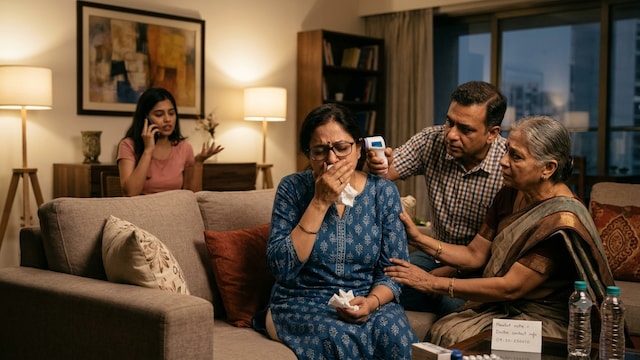
Pneumonia in most cases is what you will think it is; a continuous cough and a high temperature but this is Definitely not all that pneumonia is. Pneumonia is an infection in your lung's, which stops the lungs from functioning normally. That means a lot more than a cough and can be life threatening if you do not get the relevant treatment straight away. The main reason why it is essential to diagnose the illness within 24 hours of the appearance of the symptoms is due to the fact that the person's lungs get filled with pus and fluid, leading to insufficient oxygen getting into his/her blood.
Recognizing the Warning Symptoms Early
Below, there is a list of some of the symptoms of which a person should be aware in case of possible complications of the disease:
- Rapid breathing or shortness of breath; in case of difficulty breathing, the assistance of a physician should be obtained immediately.
Other symptoms to take into consideration may include:
- Chest pain
- Fatigue
- Extreme confusion or lethargy
- Change in colour of lips and/or nails (bluish discoloration)
One should simply bear in mind that all cases of pneumonia are different. Older people might not develop fever due to pneumonia.
READ | How To Spot Secondary Bacterial Pneumonia After H1N1 Infection
Why the First 24 Hours Matter
Should you know the first consultation will for sure show the degree of an individual's lungs and whether or not the process needs to be carried out as an outpatient and if the particular person needs to be kept within the hospital. A few of the steps, which are often taken include blood pressure level, oxygen saturation, inhaling, and exhaling fee pulse physical examination and some blood assessments.
Please also note that not every patient with pneumonia mentioned above takes admission. Some indications for admission (for guidance) include oxygen saturation, MMI breathlessness, blood pressure, level of consciousness age co-morbidities, and the specific case scenario.
Treatment should Be Directed by the reason
The reason as to why pneumonia may be bacterial, viral, or in some cases, fungal. Bacterial pneumonia is curable with antibiotics but viral pneumonia is not curable with antibiotics. To aid one in self-care even though it is not possible to treat someone else with someone else's antibiotics, just by getting it, you are only delaying their treatment until they receive the proper treatment; the extra antibiotics can result to antimicrobial resistance (which is most of the bacteria).
Follow your doctor's instructions about your treatment, and visit your doctor as scheduled. If you find that you are more breathless or confused, or that you have a fever, or your condition gets worse, visit your GP again.
Who Needs To Be Extra Cautious?
The above-mentioned additional causes may lead to the aggravation of the disease in case you are a person with If you are a senior citizen or suffer from some additional diseases, your condition will worsen and your symptoms will not be so obvious.
Nevertheless, pneumonia might result in the development of complications in case it is not treated correctly: respiratory failure, spread of the infection to the bloodstream. You should be especially cautious and take all necessary measures and when pneumonia is suspected, consult your physician and get the right treatment.
READ | Mutated Flu Strain Spreading Overseas: Should India Prepare For A Challenging Winter?
Patient-Centered Care Is Critical
For the patients and their families, the main message is extremely clear: Do not hesitate to contact your doctor in case you have any breathing difficulties. Pneumonia can be diagnosed when the first symptoms appear.
Furthermore, it is necessary to understand that the symptoms of pneumonia may occur gradually or abruptly depending on the age of the patient and the state of health, as well as the causative agent of the disease. In some patients, especially children and the elderly, the symptoms can be atypical and confused with another condition very easily. The symptoms of pneumonia in children include difficulties feeding, unusual irritability, decreased activity and problems with breathing. As for the elderly people, the symptoms can include abrupt confusion, weakness, or deterioration of daily performance. Persistent coughing without high body temperature needs immediate attention if the patient feels exhausted and has breathing difficulties.
(By Dr. Shivaraj A L, Lead Consultant and HOD - Pulmonology, Aster Whitefield Hospitals, Bangalore)
Disclaimer: The opinions expressed within this article are the personal opinions of the author. NDTV is not responsible for the accuracy, completeness, suitability, or validity of any information on this article. All information is provided on an as-is basis. The information, facts or opinions appearing in the article do not reflect the views of NDTV and NDTV does not assume any responsibility or liability for the same.