

)
Kishan Kumar, a 65-year-old resident of Daliganj, Lucknow, was admitted to the King George's Medical University (KGMU) in Lucknow after he experienced weakness on one side of his body along with slurred speech in the early hours of morning. Doctors at KGMU said that Kumar suffered a stroke, caused by a sudden increase in blood pressure levels due to sudden exposure to cold.
According to a report in TOI, doctors said, "He reached the hospital in time, which helped prevent major brain damage." The 65-year-old was shifted to the emergency care immediately. Officials at KGMU say that the emergency unit is now handling 22-25 heart attack cases and 15-20 stroke patients daily. This is almost double the number of cases reported earlier. Ram Manohar Lohia Institute of Medical Sciences (RMLIMS) has also been reporting 8-10 heart attacks and 10-15 stroke cases every day.
Doctors say that the drop in temperatures in the last two weeks have led to the increase in heart attacks and strokes. Prof DK Singh, head of neurology, RMLIMS, said, "In winter, blood flow to the brain can get compromised abruptly, triggering strokes. Many patients reach hospitals late because early warning signs are ignored."
Prof Rajesh Verma, head of neurology, KGMU, said, "Sudden weakness on one side, slurred speech, facial drooping or loss of balance should never be ignored. Reaching the hospital within the 'golden hour', up to four hours, can save lives and prevent permanent disability."
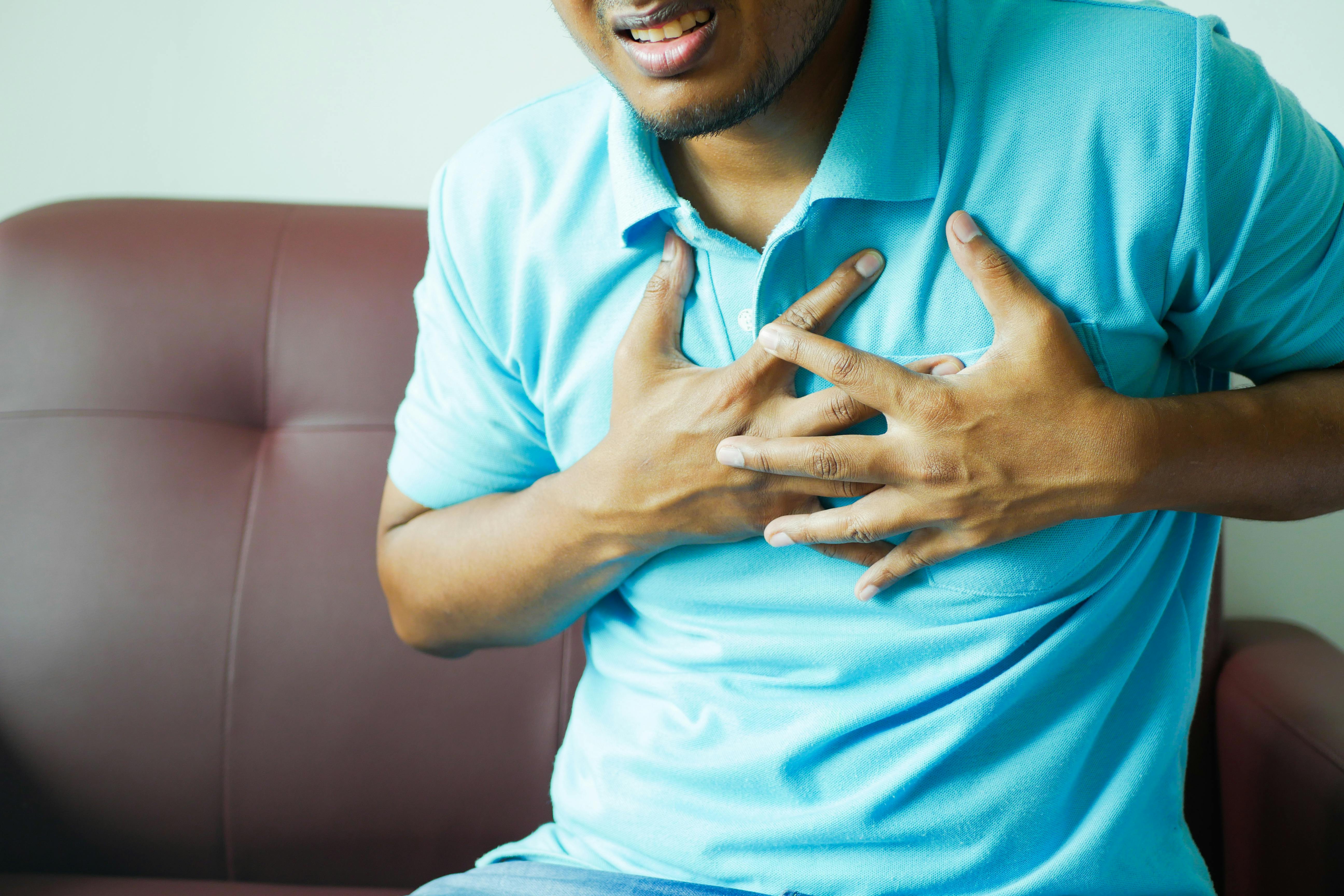
Speaking about what increases heart attack and stroke during winter, Prof Pravesh Vishwakarma, department of cardiology, KGMU, said that winter increases strain on the heart. "Cold raises blood pressure, slightly thickens blood, and increases the heart's oxygen demand. This is why heart attacks rise during winters, especially among those with underlying heart disease."
Increase In Cardiovascular Events During Winter
Speaking to NDTV, Dr Abhijit Khadtare, Cardiologist at Ruby Hall Clinic, Pune, said, "One of the primary reasons why there's an increase in heart attack risk is vasoconstriction." When your body is exposed to cold temperatures, it naturally responds by narrowing the blood vessels to conserve body heat. Dr Khadtare said, "This increases your blood pressure levels, making the heart work harder to pump blood." Also people who already suffer from blocked arteries or poor cardiac function, this added stress can lead to cardiac events.
Another important factor is little to no physical activity. With days being shorter and colder, people tend to skip exercising regularly. This leads to weight gain, poor circulation, and worsening lipid profiles. Also, winter holidays often come with indulgent meals that are high in salt, sugar, and fat. All of these factors cause blood pressure and cholesterol levels to increase, causing a cardiovascular event.
How To Prevent Heart Attack, Stroke During Winter
1. Dress in Layers
Layer clothing with breathable, insulated fabrics as these help to trap body heat and prevent sudden chills, which can force the heart to work harder. Cover your extremities like head, hands, and feet to reduce heat loss as cold air can lead to vasoconstriction and increase your blood pressure levels.
2. Stay Hydrated
Cold and dry air can cause dehydration, thickening blood and increasing the risk of blood clot. Drink warm fluids like herbal teas or soups daily, aiming for 8-10 glasses, even without thirst. Drinking fluids can help in circulation and reduce the strain on your heart.
3. Exercise Indoors
Avoid outdoor physical activities like shoveling. Instead perform some form of low-impact indoor activities such as yoga, stretching, or brisk walking. This can help you maintain fitness without cold stress.
4. Eat Heart-Healthy Foods
Consume fruits, vegetables, whole grains, lean proteins, and healthy fats from nuts or olive oil. These can help prevent winter weight gain and inflammation. Also, limit the consumption of salty and fried foods that tend to spike your cholesterol and blood pressure levels.
5. Quit Smoking and Limit Alcohol
Smoking can worsen vessel narrowing in the cold weather, whereas excess alcohol can increase your blood pressure. Stop smoking and drink alcohol in moderation as it will reduce the risk of clot formation and overall cardiac load.
Disclaimer: This content including advice provides generic information only. It is in no way a substitute for a qualified medical opinion. Always consult a specialist or your own doctor for more information. NDTV does not claim responsibility for this information.