

)
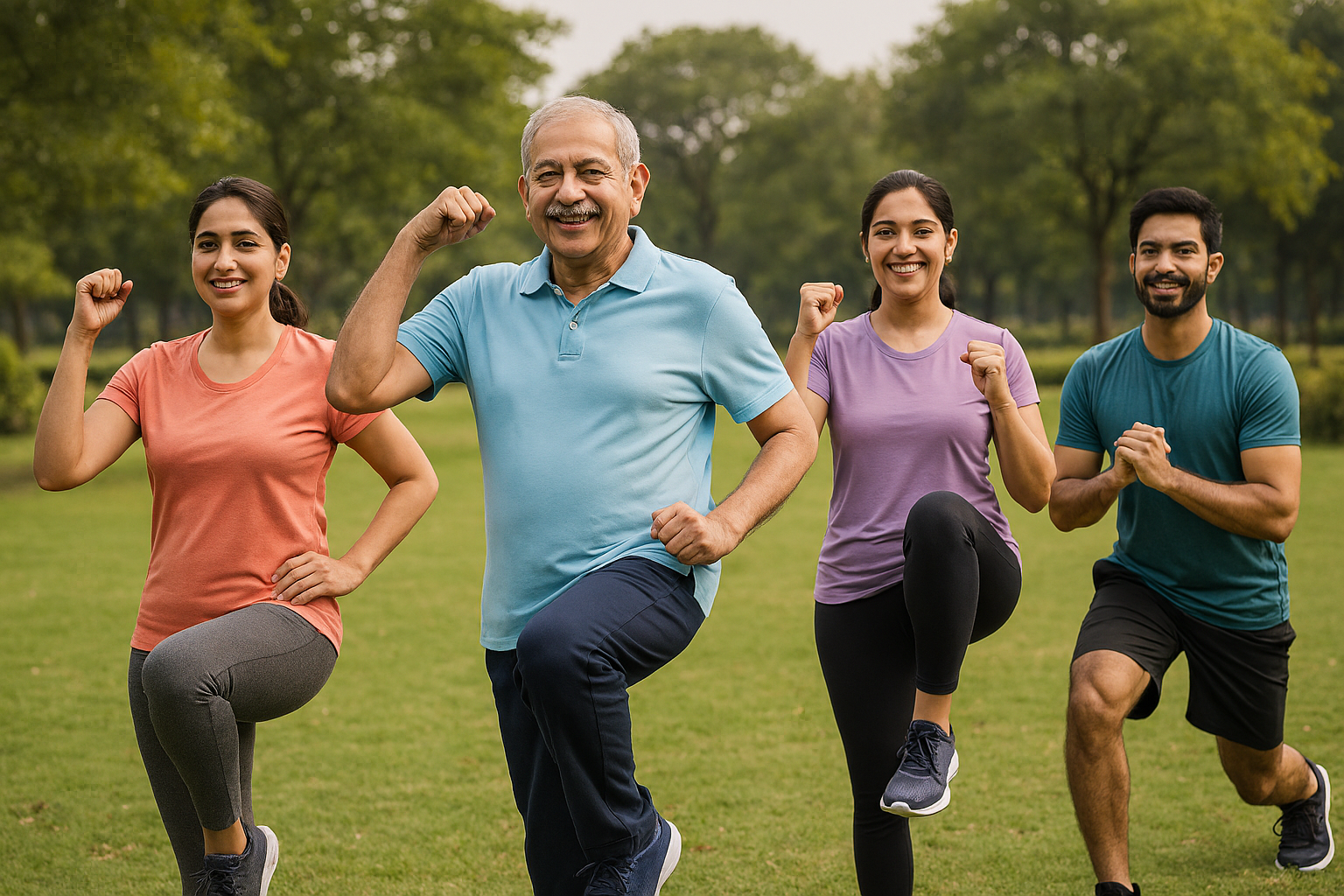
In a world where "no time to exercise" is the most common excuse for sedentary behaviour, science has just handed people a game-changer. Imagine if running for the bus, sprinting up a flight of stairs, or a quick burst of power-cleaning could be the literal difference between health and chronic illness. It turns out, it can. A groundbreaking study published in the European Heart Journal has shifted the view of fitness. People don't need to spend an hour at the gym to see life-altering results. Researchers found that as little as five minutes of Vigorous Intermittent Physical Activity (VILPA), the kind that leaves you huffing and puffing, can significantly slash the risk of developing eight of the world's deadliest and most complicated diseases.
What The Study Found: The Power Of The "Micro-Burst"
The study, which tracked the activity levels of over 70,000 adults using wearable devices, revealed that consistency in intensity is far more potent than duration. Those who engaged in short, sharp bursts of vigorous activity throughout the day saw a dramatic drop in disease markers. Specifically, these 5-minute daily "micro-workouts" were linked to the following:
- Cardiovascular protection by reducing the risk of heart attacks and strokes.
- Metabolic health boost through protection against liver and kidney diseases.
- Inflammatory control by lowering the risk of arthritis.
- Neurological longevity offers a significant reduction in the chances of developing dementia.
The data suggests that the body doesn't necessarily distinguish between a planned "workout" and functional high-intensity movement; it simply responds to the physiological stress of the effort.
Why Short Bursts Work: The Science Of Intensity
Why does five minutes of gasping for air outperform thirty minutes of a leisurely stroll? It comes down to metabolic triggering. Vigorous activity is defined as movement performed at a high enough intensity that you cannot say more than a few words without pausing for breath. When you hit this threshold, several things happen, such as the following:
- An anti-inflammatory response, as high-intensity movement triggers the release of myokines, which help reduce systemic inflammation, the root cause of many chronic "deadly" diseases.
- Mitochondrial efficiency, as these bursts force your cells' power plants (mitochondria) to work harder and more efficiently, improving how your body processes glucose and fats.
- Vascular shear stress, as the rapid heart rate increases during exercise, improves the elasticity of your arteries, preventing the hardening that leads to strokes.
Why This Matters For Indians: A Genetic And Lifestyle Crisis
Indians are genetically more predisposed to metabolic syndrome, a cluster of conditions including abdominal obesity, high blood pressure, and high blood sugar, which can occur at a lower Body Mass Index (BMI) than in Western populations.
Furthermore, the Indians face challenges related to heart health, like smaller coronary arteries and high levels of "bad" cholesterol (LDL) and triglycerides. This, when coupled with long working hours and high-stress urban environments, means traditional hour-long gym sessions are often a luxury many cannot afford. This "5-minute rule" provides a culturally and logistically viable solution to combat the rising tide of non-communicable diseases (NCDs) in India, particularly as the nation sees a surge in early-onset heart disease and Type 2 diabetes.
Diseases Impacted By Daily Intense Movement
The European Heart Journal study highlights eight major conditions that are effectively held at bay by these vigorous intervals; these are as follows:
- Ischaemic heart disease, as vigorous exercise strengthens the heart muscle through brief stress.
- Strokes, as short bursts of intense exercise, improve cerebral blood flow.
- Type 2 diabetes risk is reduced, as intense exercise can improve insulin sensitivity instantly.
- Chronic kidney disease risk reduces as exercise reduces systemic blood pressure that damages renal filters.
- Non-alcoholic fatty liver disease (NAFLD) risk can be significantly reduced as burning of visceral fat is more effective.
- Osteoarthritis risk reduces as short bursts of vigorous exercise help maintain joint lubrication and reduce inflammatory markers.
- Dementia risk can be minimised as Brain-Derived Neurotrophic Factor (BDNF) becomes boosted.
- Certain cancers, particularly those linked to sedentary inflammation, such as breast and colon cancer, risk reduction.
Also Read: How Fast Do You Walk? The 1-Minute Gait Test That Reveals Your True Biological Age

People lifting heavy grocery bags (image is for representation purposes only)
Photo Credit: A.I generated image
Types Of High-Intensity Micro-Workouts
The beauty of VILPA is that it requires no equipment. You can integrate these into your daily routine without changing into gym clothes. Here are some examples to help you:
- If you use public transport, walk at a very fast pace for 2 minutes between stops.
- Instead of the elevator, take three flights of stairs as fast as safely possible.
- During a TV show, perform 1-2 minutes of jump squats or burpees.
- Power-mopping or lifting heavy grocery bags at a fast pace.
- Put on one high-energy track and dance with full effort until the song ends.
Practical Tips To Implement It
When it comes to exercise, consistency is the necessary, as five minutes every single day is far superior to a two-hour session once a week. Here are some tips that can prove useful:
- If you aren't active, start with one 2-minute burst and build up to five.
- You should feel "out of breath. "If you can sing a song, you aren't moving fast enough.
- If you have existing heart conditions, consult a doctor before attempting high-intensity movement.
The science is clear; people need to rethink their approach to fitness. It is not an "all-or-nothing" game. The 5-minute rule proves that health is built in the small, uncomfortable moments of the day. By choosing the stairs, sprinting for the bus, or doing a quick set of squats, you aren't just moving, but you are building a shield against the world's most deadly diseases.
Disclaimer: This content, including advice, provides generic information only. It is in no way a substitute for a qualified medical opinion. Always consult a specialist or your own doctor for more information. NDTV does not claim responsibility for this information.