

)
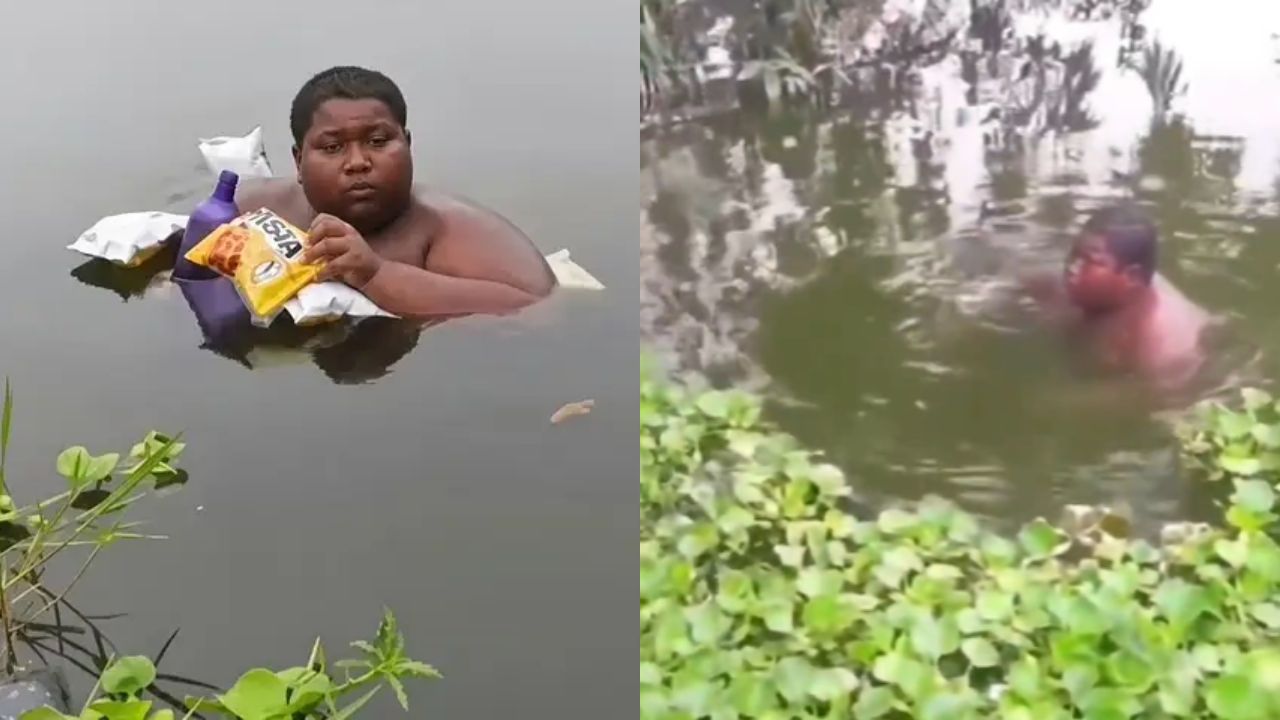
A 16-year-old boy from Murshidabad, West Bengal, has drawn attention after reports said he spends long periods in a pond to get relief from a severe burning sensation in his body. The teenager, identified as Iqbal Sheikh, reportedly finds it difficult to stay outside the water because the burning becomes unbearable. Reports said his family had sought help from different hospitals and healers, but his symptoms continued.
The unusual case has led doctors to suspect a rare condition called erythromelalgia, however, the exact diagnosis is still pending. Erythromelalgia is a rare disorder that can cause intense burning pain, redness and unusually warm skin, most commonly affecting the feet and hands. Symptoms can become worse when body temperature rises, which may explain why cooling provides relief for some people.
Iqbal, a 16-year-old boy from Murshidabad, West Bengal, has spent the last 5 years living mostly in a pond. Coming out causes severe skin burning, leaving him trapped in water due to poverty preventing medical treatment, while suffering from continuous cold, cough, and pneumonia. pic.twitter.com/yHHCSbFqoW
— Indians (@onindians_) August 10, 2026
What Is Erythromelalgia?
Erythromelalgia is a rare condition involving the nerves and small blood vessels. It causes episodes, or flares, in which affected areas can become hot, red, swollen and extremely painful. The pain can range from tingling to an intense burning sensation.
The condition usually affects the feet, but the hands, arms, legs, ears and face can also be involved. Symptoms may occur on one or both sides of the body and can last from a few minutes to several days. In some people, the pain may be present more continuously.
What Are The Symptoms?
The symptoms can vary from person to person, but common signs include:
- Severe burning pain: The affected area may feel as though it is on fire or has been scalded
- Redness: The skin can become visibly red during a flare
- Increased skin temperature: The affected area may feel noticeably warmer than the surrounding skin
- Swelling: Hands, feet or other affected areas may become swollen
- Tingling or itching: Some people experience these sensations before or during a flare
- Increased sweating: Sweating may occur more than usual in the affected area
- Cold skin between attacks: After a flare, the skin can sometimes become cold and appear blue or grey.
Why Does Erythromelalgia Happen?
The exact cause is not always known. Some cases are linked to genetic changes, while others develop without an identifiable cause. In inherited erythromelalgia, changes in the SCN9A gene can affect sodium channels involved in transmitting pain signals through nerves.
Erythromelalgia can also occur as a secondary condition linked to other illnesses. Therefore, doctors may investigate whether an underlying medical problem is adding to the symptoms rather than assuming that the condition is purely genetic. The symptoms are believed to involve abnormal regulation of blood flow and pain signalling. During a flare, increased blood flow to the skin can contribute to heat, redness and burning pain.
What Can Trigger A Flare-Up?
One of the most important features of erythromelalgia is that symptoms can become worse when the body or affected area becomes warm. Common triggers include:
- Hot weather or warm rooms
- Exercise
- Tight shoes or clothing
- Stress
- Dehydration
- Alcohol
- Spicy foods
- Caffeine in some people
Since warmth can intensify symptoms, people with severe erythromelalgia may look for ways to cool the affected areas. This may also explain the teenager's reported dependence on pond water for relief.
How Is Erythromelalgia Diagnosed?
There is no single test that can confirm erythromelalgia. Doctors generally look at the patient's symptoms, medical history and physical examination, particularly during a flare-up. They may also recommend tests to rule out other conditions. These can include:
- Blood tests
- Genetic testing
- Tests for underlying diseases
- Imaging or other investigations when needed
Why Using Ice Or Very Cold Water Can Be Dangerous
Although cooling can temporarily reduce the burning sensation, extreme cooling is not recommended. People may be tempted to use ice, ice baths or prolonged cold-water immersion, but this can damage the skin.
The NHS specifically advises against using ice or cold water to cool affected hands or feet because it can cause skin damage. Cleveland Clinic also warns that prolonged exposure to ice water can lead to wounds and tissue damage. For someone experiencing repeated burning, redness or unusual warmth of the skin, it is important to seek medical help. A rare condition such as erythromelalgia requires proper diagnosis and an individual treatment plan.
Disclaimer: This content including advice provides generic information only. It is in no way a substitute for a qualified medical opinion. Always consult a specialist or your own doctor for more information. NDTV does not claim responsibility for this information.