

)
In a modern society increasingly preoccupied with aesthetic transformations, the Indian health landscape has been flooded with quick-fix weight loss solutions. From fad diets to miracle supplements, these trends often promise rapid results but typically fail to deliver long-term health benefits. According to data from the Indian Council of Medical Research, obesity currently affects approximately 1,13,000 individuals across various demographics in India.
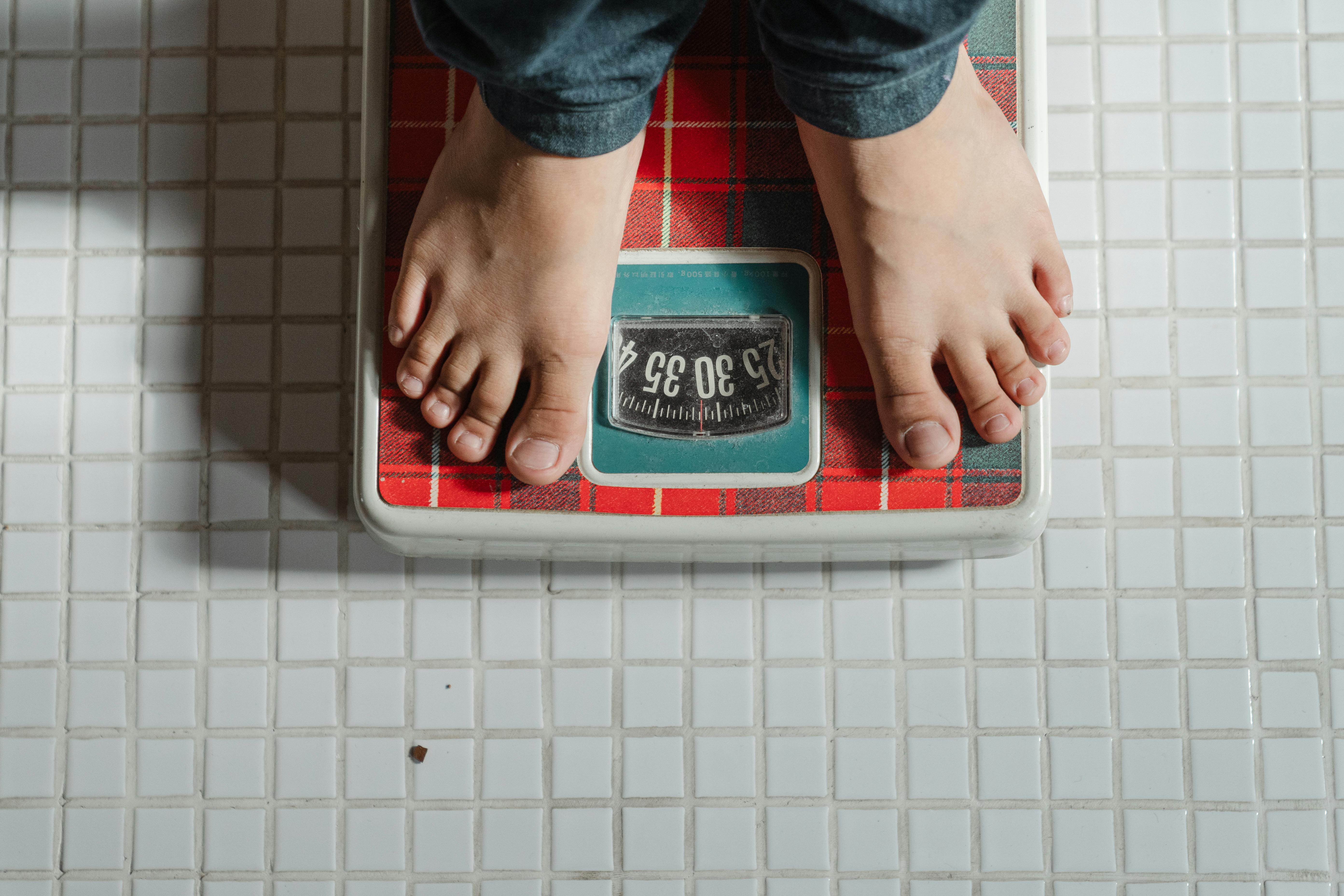
Some studies suggest that looking at the weighing scale is only half the story. To achieve a truly healthy and resilient physique, it is essential to focus on maintaining a low body fat percentage for sustianable weight loss. Unlike total body weight, which includes muscle, bone, and water, body fat percentage specifically measures the adipose tissue stored in the body. By reducing the fat surrounding vital organs, known as visceral fat which is essential for decelerating the ageing process and maintaining overall health.
To transition from "weight loss" to "fat loss", a strategic, science-backed approach is required. Here are ten health hacks for fat loss designed to help you naturally and sustainably reduce body fat.
10 Science-Backed Health Hacks To Effectively Lower Body Fat Percentage
1. Prioritise Protein Intake For Muscle Preservation
One of the most effective fat loss tips involves a fundamental shift in macronutrient balance. Protein is vital for lowering body fat because it facilitates the preservation of lean muscle tissue while the body is in a caloric deficit. When you consume adequate protein, your body is more likely to burn stored fat for energy rather than breaking down muscle.
- The amount of protein required varies based on age, gender, and activity levels, but the baseline remains clear: a diet rich in eggs, lean meats, and legumes is essential.
- Protein also has a higher thermic effect of food compared to carbohydrates or fats, meaning the body burns more calories simply processing it.
- It increases the feeling of fullness, helping to curb the hunger pangs that often derail weight loss efforts.
2. Embrace Strength Training Over Cardio Alone
While traditional cardio like running or cycling burns calories during the activity, strength training or resistance training is a superior tool for sustainable fat loss strategies. By lifting weights, practising yoga, or performing bodyweight exercises, you stimulate muscle growth. Muscle tissue is metabolically active; the more muscle you have, the higher your resting metabolic rate becomes.
- A tailored approach to strength training ensures the body breaks down food into energy more efficiently.
- For beginners, simple routines such as squats, lunges, and push-ups can be practised consistently to build a foundation.
- Taking a brisk walk for 30 minutes in a natural environment boosts mental and physical well-being, provided it is part of a consistent daily routine.
3. Utilise High-Intensity Interval Training (HIIT)
For those looking to maximise results in minimal time, HIIT is a powerful hack. This method involves short, explosive bursts of intense exercise followed by brief recovery periods. Science suggests that HIIT triggers an 'afterburn' effect, known as excess post-exercise oxygen consumption, which keeps the metabolic rate elevated for hours after the workout is finished.
- Correct form is paramount while exercising. Since, HIIT puts significant demand on the joints and spine, it is advisable to consult a fitness specialist.
- Whether it is sprinting for 30 seconds followed by a minute of walking or rapid-fire bodyweight circuits, the goal is to push the heart rate high enough to trigger fat oxidation.
4. Optimise Sleep Quality For Hormonal Balance
Sleep is often the missing piece in the daily cycle of functioning. Research has consistently shown that individuals who lack quality sleep have a higher rate of fat retention. During deep sleep, the brain processes toxic waste, and the body regulates critical hormones like ghrelin (the hunger hormone) and leptin (the fullness hormone).
- Lack of sleep causes ghrelin to spike and leptin to plummet, leading to increased cravings for high-sugar, high-fat foods.
- To lower body fat percentage, aim for 7-9 hours of uninterrupted rest.
- Maintaining a consistent sleep-wake cycle and avoiding blue light from screens before bed can significantly improve the quality of your recovery.
Read More: Dietician Explains : Can Adding Black Pepper To Haldi Milk Help Fight Inflammation?
5. Maintain Hydration
Water is essential for fat metabolism, a process called lipolysis. Without sufficient hydration, the body cannot effectively break down stored fat into energy. Many people mistake thirst for hunger, leading to unnecessary calorie consumption and an increase in body fat percentage.
According to the Indian Council of Medical Research and the National Institute of Nutrition, hydration needs vary:
- Adults: 2.1 to 3.7 litres per day.
- Children: 1 to 1.6 litres depending on age.
- Elderly: Approximately 2 litres, adjusted for activity and underlying health conditions. Drinking water consistently throughout the day ensures that the metabolic engine continues to run smoothly.
6. Implement Mindful Eating Techniques
In an age of constant distraction, many people eat while looking at phones or television screens. This mindless eating prevents the brain from registering fullness signals, often leading to overconsumption. Mindful eating involves slowing down, chewing thoroughly, and focusing on the sensory experience of the meal.
- Simple techniques can make a big difference.
- Using smaller bowls for portion control and planning meals in advance prevents impulsive, high-calorie choices.
- When the brain and body are in sync during a meal, nutrient absorption is optimised, and the urge to overeat is naturally reduced.
7. Eliminate Added Sugars And Refined Carbs
Excessive sugar consumption is perhaps the fastest way to increase body fat. Eating sugary foods can cause rapid spikes in blood glucose, prompting the pancreas to release insulin. Insulin is a storage hormone; when it is constantly elevated, the body remains in fat-storage mode rather than fat-burning mode.
- To reduce body fat naturally, one must read food labels carefully.
- Swapping processed snacks for whole fruits provides fibre, which slows down sugar absorption.
- Natural sweeteners like stevia or monk fruit can be used in moderation, but the goal should be to recalibrate the palate to enjoy the natural flavours of whole foods.
Read More: The Water Check: 5 Signs You May Be Severely Dehydrated During Winters
8. Manage Cortisol Through Stress Reduction
Chronic stress is a silent contributor to obesity. When the body is under stress, it produces cortisol, a hormone that encourages fat storage, particularly in the stomach. This visceral fat is the most dangerous type, as it surrounds the internal organs.
- Incorporating stress-busting practices is a vital health hack.
- Regular yoga asanas, daily meditation, or even spending time in nature can lower cortisol levels.
- By managing stress, you create a hormonal environment that is conducive to fat loss rather than fat accumulation.
9. Track Progress, Not Perfection
A common mistake is relying solely on a standard weighing scale. Muscle is denser than fat, your weight may stay the same even as your body composition improves. To stay motivated, use tools like smart scales, callipers, or even "before and after" photos and clothing fit to track changes.
- Tracking non-scale victories, such as having more energy, lifting heavier weights, or losing inches around the waist.
- This can provide a more accurate reflection of your journey to a lower body fat percentage.
- This data-driven approach helps you stay committed when the scale doesn't seem to move.
10. Prioritise Consistency Over Perfection
The most important factor in any fat loss journey is the ability to sustain the lifestyle. Crash diets or extreme exercise regimes often lead to a yo-yo effect, where the weight is gained back quickly, often in the form of more fat and less muscle.
The key is a holistic approach through small, daily efforts in nutrition, movement, and sleep. By focusing on building a sustainable lifestyle rather than chasing a quick transformation, you ensure that the fat you lose stays off for good.
Lowering your body fat percentage is not about deprivation; it is about providing your body with the right signals to function at its peak. By prioritising protein, incorporating strength training, and managing sleep and stress, you can move toward a healthier, leaner version of yourself.
Disclaimer: This content provides generic information only and is not a substitute for professional medical advice. Always consult a specialist or your doctor for personalised health information.