

)
The modern lifestyle is becoming a pressure cooker for many, with rising anxiety levels being experienced by people across ages and professions. Modern science and traditional practices have well-documented that anxiety comes in various forms, but its manifestation in the common people can differ based on their lifestyle and daily environment. From the constant need to use digital devices for day-to-day activities to the malfunctioning hormonal levels in the brains of most people, anxiety is at an all-time high. The need to be productive at all costs often comes at a hidden cost of the declining mental health of people existing in the ecosystem. This is why the need for quick, accessible hacks is important for maintaining everyday calm. The feeling of being level-headed in a high-pressure situation will lead to better decision-making practices, clarity and focus.
5 Health Hacks For Instant Calm And Anxiety Relief
1. Yogic Breathing (Pranayama)
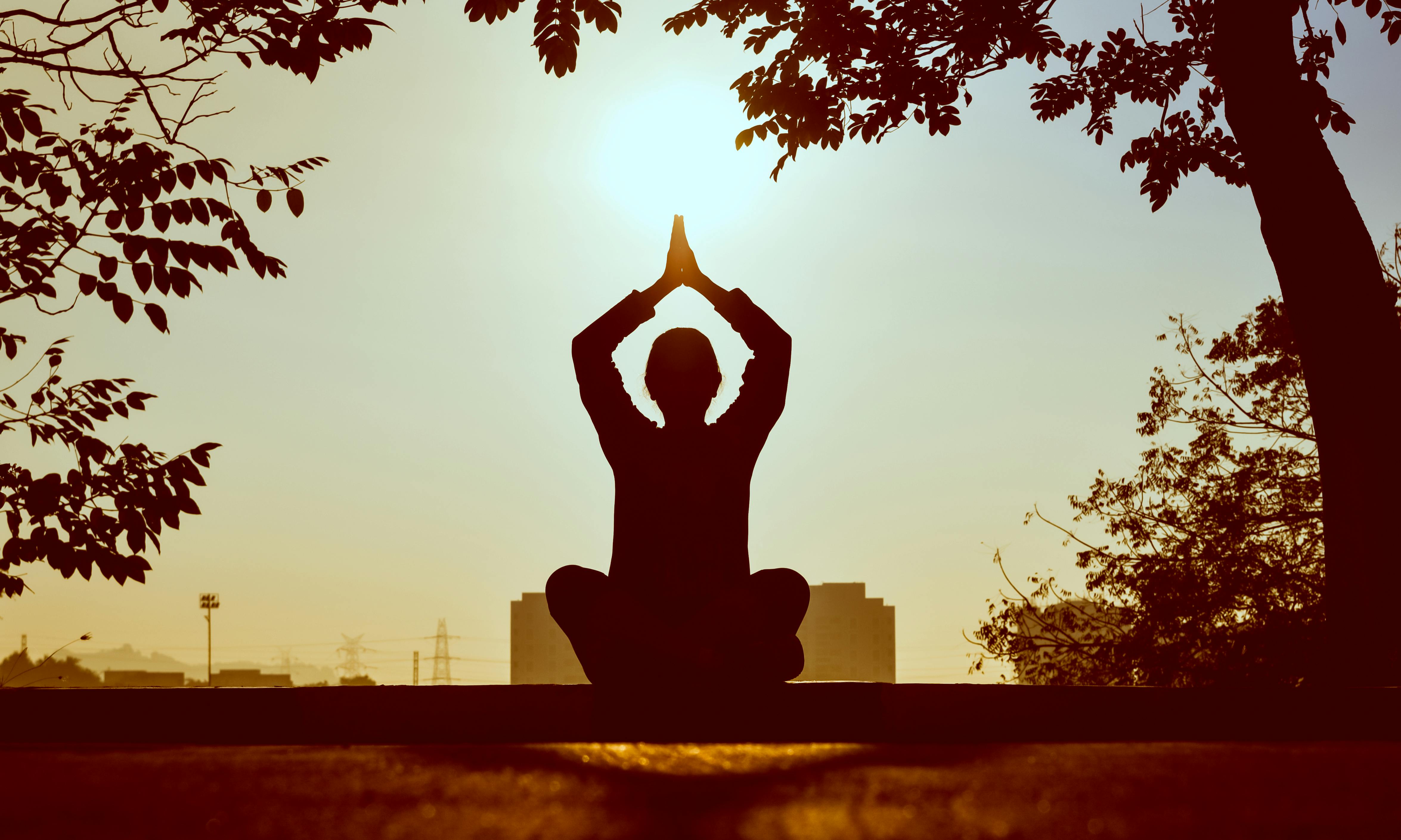
According to Ayurveda, Pranayama refers to a set of breathing exercises that are designed to calm the nervous system, which goes into overdrive when a person experiences anxiety. The term "Prana" means life energy or breath, and "Ayama" means control, this is what the term 'Pranayama' means. This is why yogic breathing can be helpful in lowering anxiety levels. These sets of breathing exercises are designed to reduce stress and anxiety. There are simple techniques such as bhramari, which involves humming breath, and anulom vilom, which is the practice of breathing from alternate nostrils. These breathing exercises are easy to practise anywhere, which makes them a sought-after hack for instant calmness.
Tip: Dedicate at least 2 to 3 minutes to pranayama daily for lowering daily stress.
2. Short Meditation Breaks
Multiple studies suggest that short, planned breaks can have a positive impact on the mind. Mental health issues remain taboo and need openness and honest conversations in safe places to ease the load. One such hack which can help initiate instant calmness is short meditation, which can help improve psychological well-being and reduce the overall stress level. An easy way to practise these short meditation breaks is to dedicate about 2 to 5-minute mindfulness pauses during working hours. The benefits of these breaks can result in a calmer mind and better focus and clarity.
Tip: Planned pauses during work hours can offer anxiety relief and ease work or study tensions.
Read More: 5-Minute Meditation Techniques For Instant Anxiety Relief
3. Physical Movement (Stretching Or Walking)
Regular physical activity is essential to release the feel-good hormone in the brain. This hormone is responsible for regulating how a person feels throughout the day. This also means lifestyle interventions that include some form of physical activity that reduce anxiety. To practise physical movement daily, certain quick stretches or a brisk walk can be helpful. These feel-good endorphins help regulate mood and lower stress hormones; one of them is known as cortisol.
Tip: Planned physical movement, either simple stretching or walking or strenuous high-intensity exercises, could release endorphins when practised daily in the right form.
4. Ayurvedic Herbal Support
There are scientific studies which highlight herbs like ashwagandha for anxiety relief. The duration and moderation matter a great deal, along with whether the system is healthy and free from pre-existing health conditions, which may impact the result. The quality of the herbs, form and the way the body absorbs it also matter a great deal. Additionally, drinking warm herbal teas like tulsi, cardamom or seasonal kadha, depending on the quality of ingredients, matters too. These Ayurvedic herbal support remedies have a safe, naturally calming effect but should be consumed in moderation as supportive aid, not as a replacement for medical treatment when required.
Tip: Find which ingredient can benefit you based on your individual needs, consult a specialist for the exact dosage, and moderate intake is needed as it is a supportive therapeutic aid.
Read More: How To Consume Ashwagandha Powder To Manage Stress And Anxiety
5. Sleep Hygiene Micro-Resets
Sleep is the cornerstone for maintaining a healthy workday, and it helps in keeping clarity, focus and attention. People need to practise proper sleep hygiene to get deep restorative sleep, which can help improve anxiety. When the brain or body is overtired, simple practices like power naps, screen breaks, and a consistent bedtime and wake-up schedule can be helpful. These sleep hygiene practices help ensure balance for the body's nervous system. As the Covid-19 pandemic has documented evidence that signals that lockdown-induced physiological stress heightened anxiety levels among the Indian population. Not only in unprecedented scenarios, but daily functioning can also be deeply impacted if people experience anxiety or anxiety-related mental health disorders.
Tip: Make sure the sleep environment is clean, dark and comfortable. All screens should be placed outside the sleeping room for deeper restorative sleep.
Read More: 12 Science-Backed Health Hacks For Deep Sleep
Mild or situational anxiety relief doesn't always need medication. But severe anxiety disorders need medical intervention. Through combining breathing, meditation, movement, Ayurveda, and sleep hygiene, people can receive quick, science-backed calm.
Disclaimer: The content, including advice, provides generic information only. It is in no way a substitute for a qualified medical opinion. Always consult a specialist or your doctor for more information. NDTV does not claim responsibility for this information.