





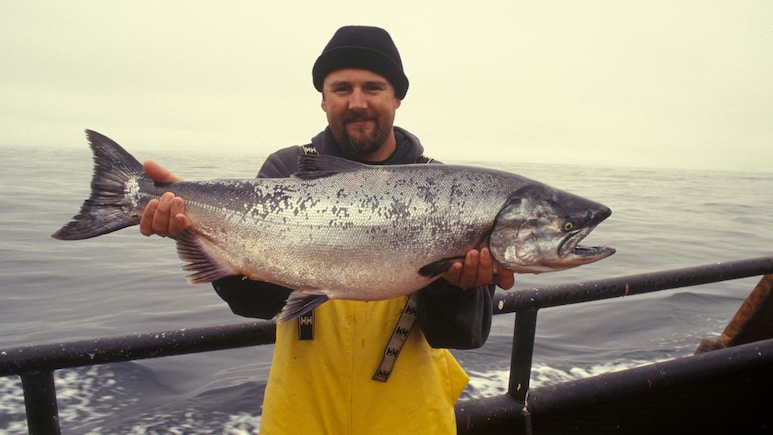
Salmon exposed to cocaine and its main byproduct unlock their 'wanderlust' spirit by swimming longer distances than those that are not exposed to the drug, a new study published in Current Biology has found. Scientists have long highlighted that pollution from common drugs poses a major and escalating risk to biodiversity, but this is the first time they have evidence of traces of cocaine, disrupting the behaviour of a marine species.
For the study, researchers implanted small devices into two-year-old Atlantic salmon from a hatchery. The devices slowly released chemicals at a dose equivalent to what fish would experience in water with relatively high amounts of drugs, according to a report in Science. One group of fish received implants containing cocaine, another got implants with benzoylecgonine, a byproduct of cocaine, often found in greater amounts in water bodies. The third group received control implants with no chemicals.
The findings showed that salmon exposed to cocaine swam 1.9 times farther per week than unexposed fish. By the study's end, the control group had settled roughly 20 kilometres from the release point, whereas those exposed to benzoylecgonin, the drug's primary byproduct, had dispersed approximately 32 kilometres.
Also Read | Customer Receives Rs 3.2 Lakh In Compensation After Bank Delays Credit Card Closure
Sharks Test Positive For Cocaine
Salmon are not the only marine organism to have had a taste of cocaine. A study published in the journal Environmental Pollution last month highlighted that cocaine, caffeine and painkillersamong others drugs, were detected in the blood of sharks swimming near the coast of the Bahamas.
Natascha Wosnick, a biologist with the Federal University of Parana, stated that currents could carry the drug traces from sewage or other sources, but divers were the most likely culprits for sharks ingesting these harmful chemicals.
The researchers found changes in metabolic markers in sharks, but it remains unclear at this stage if the shifts are harmful. However, they are expected to impact the behaviour of sharks.
Track Latest News Live on NDTV.com and get news updates from India and around the world

