





You apply for a leave. It doesn't get sanctioned. You go on the leave anyway. When you come back, all your retirement benefits are snatched away from you over "misconduct". Sounds like a case of disproportionate punishment?
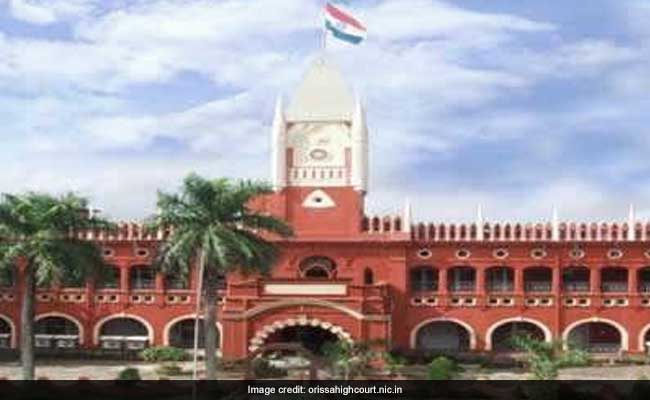
A railway staffer went through the same in 2012. However, the Orissa High Court has now ruled that a prolonged absence from work does not automatically amount to misconduct.
The ruling came as the court was hearing petitioner Jaya Chandra Mishra's case whose compulsory retirement and loss of retirement benefits were set aside over an unsanctioned leave.
Also Read | Layoffs Are Rising In Tech, But These Skills Are Helping People Unlock Better Pay
The High Court -- led by Justices Krishna S Dixit and Chittaranjan Dash -- overturned an earlier order of the Central Administrative Tribunal (CAT), which had dismissed the original application and declined to interfere with the orders passed by the Railway authorities in 2021. The court directed the Railways to restore his retiral benefits, including pension, gratuity and leave encashment.
The dispute -- Jaya Chandra Mishra vs Union of India & others -- dates back to disciplinary proceedings initiated against the employee after he remained away from duty for an extended period without sanctioned leave.
However, the High Court observed that the employee's absence, by itself, did not justify treating the conduct as a "grave misconduct" warranting compulsory retirement.
As per the court order, "the respondent had applied for leave, though the same was not sanctioned. Merely because the leave was not sanctioned, it cannot be presumed that the respondent was guilty of grave misconduct."
Court's Observation On Unsanctioned Leave
The Bench also noted that the employee's absence could have invited action under the applicable leave rules, but that did not automatically justify imposing one of the harshest service penalties.
Referring to the facts of the case, the court observed that the disciplinary authority had imposed compulsory retirement, leading to a reduction in retirement benefits. The CAT later set aside that punishment, and the High Court found no reason to interfere with the Tribunal's decision.
As per the court order, the Railways have been directed to "redetermine and recalculate" the employee's retirement benefits, including leave encashment, gratuity, pension and all other retiral benefits, and pay the arrears within 12 weeks. The court, however, did not award interest on those arrears.
Why The Ruling Matters
The judgment does not say that unauthorised absence can never invite disciplinary action. Instead, it draws a distinction between a breach of leave procedure and conduct serious enough to justify compulsory retirement and reduction of retirement benefits.
Legal experts say that distinction could have implications for disciplinary proceedings involving government employees.
Amrita Tonk, Partner at CMS INDUSLAW, said the ruling reinforces an important principle in service law. "The High Court order underscores the position that not every lapse in leave procedure amounts to misconduct. Employers must distinguish between mere administrative irregularity and a disciplinary offence before resorting to compulsory retirement."
Track Latest News Live on NDTV.com and get news updates from India and around the world

