A $14 Billion Market Takes Off As Retirees Aren't Moving To Hometowns Anymore
India's senior living market was valued at $3.55 billion in 2025. It is projected to grow from $4.47 billion in 2026 to $14.14 billion by 2031.
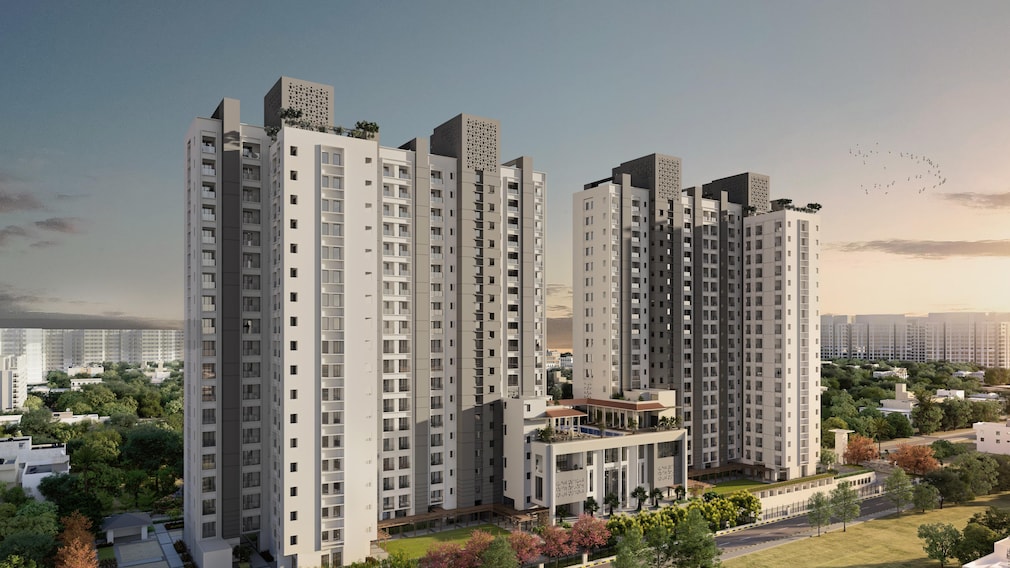
For decades, retirement in India followed a familiar script.
People worked in crowded cities, saved diligently, and eventually returned to their hometowns to spend quieter years with family. Comfort and familiarity mattered more than lifestyle.
That script is changing.
A growing number of Indian seniors are no longer looking for a house to simply grow old in. They are looking for communities. They want healthcare nearby, social engagement, fitness facilities, security, convenience and, increasingly, a sense of purpose.
The shift is creating one of India's fastest-growing real estate segments.
According to Mordor Intelligence, India's senior living market was valued at $3.55 billion in 2025. It is projected to grow from $4.47 billion in 2026 to $14.14 billion by 2031. At the same time, India's elderly population is expected to touch nearly 194 million by 2031.
The numbers point to a larger transformation: retirement is no longer viewed as the final chapter. For many Indians, it is becoming a fresh beginning.
The South Still Leads
India's organised senior living market remains heavily concentrated in southern cities.
A joint report by JLL and the Association of Senior Living India (ASLI) shows that South Indian cities account for nearly 60 per cent of the country's organised senior housing inventory.
The reasons are easy to understand.
Coimbatore has emerged as one of the country's most established retirement destinations, thanks to its pleasant climate, relatively clean air and access to leading healthcare institutions such as PSG Hospitals and HMCH.
Bengaluru continues to attract retired professionals who spent decades building careers in India's technology sector. The city is already home to several major senior housing operators, including Manasum Senior Living and Columbia Pacific.
Pune has carved out a similar position. Strong healthcare infrastructure, including hospitals such as Ruby Hall Clinic and Sahyadri Hospitals, has made it a preferred destination for retirees seeking urban convenience without the intensity of larger metros.
These cities have become the benchmark for what organised senior living can look like in India.
But the next phase of growth may come from elsewhere.
The North Is Catching Up
Developers are increasingly looking beyond the traditional retirement hubs. Among the biggest signals came from DLF, India's largest listed real estate developer.
The company recently announced plans to enter the senior living segment with a dedicated project in Gurugram. The development will span roughly 500,000 square feet and is estimated to have a revenue potential of nearly Rs 2,000 crore. Homes are expected to be priced upwards of Rs 12 crore.
The move reflects growing confidence in a market that remains largely untapped. Despite India's rapidly ageing population, penetration in the senior living sector remains just 1.3 per cent.
Aakash Ohri, Managing Director and Chief Business Officer at DLF, believes India is entering a defining demographic moment.
"Financially empowered, digitally connected and deeply engaged" seniors are redefining retirement, he said. According to Ohri, modern retirees are looking for independence, purpose, social connections and access to urban ecosystems rather than isolation from them.
The future, he argues, lies in professionally managed communities that combine wellness, security, engagement and convenience while allowing seniors to remain connected to the cities and networks they have built over a lifetime.
Why Gurugram Is Emerging As A Retirement Hub
For years, Gurugram was associated with corporate offices and luxury housing. Now it is increasingly being viewed as a retirement destination.
Rishabh Periwal, Senior Vice President at Pioneer Urban Land and Infrastructure, says the focus of organized senior living is steadily moving northward, with Gurugram becoming a key market.
The city's appeal is rooted in demographics and infrastructure.
Home to numerous Fortune 500 companies, Gurugram attracts affluent retirees and parents of NRIs. Around 8 per cent of the city's population is above 60 years of age, while a significant share falls within higher income brackets capable of supporting premium retirement housing.
Healthcare is another major draw.
Facilities such as Medanta and Fortis provide access to advanced medical care, while proximity to the Indira Gandhi International Airport allows retirees to stay connected globally.
Periwal notes that infrastructure projects such as the Delhi-Mumbai Industrial Corridor and the Regional Rapid Transit System are further strengthening Gurugram's position as a retirement destination for independent, urban seniors.
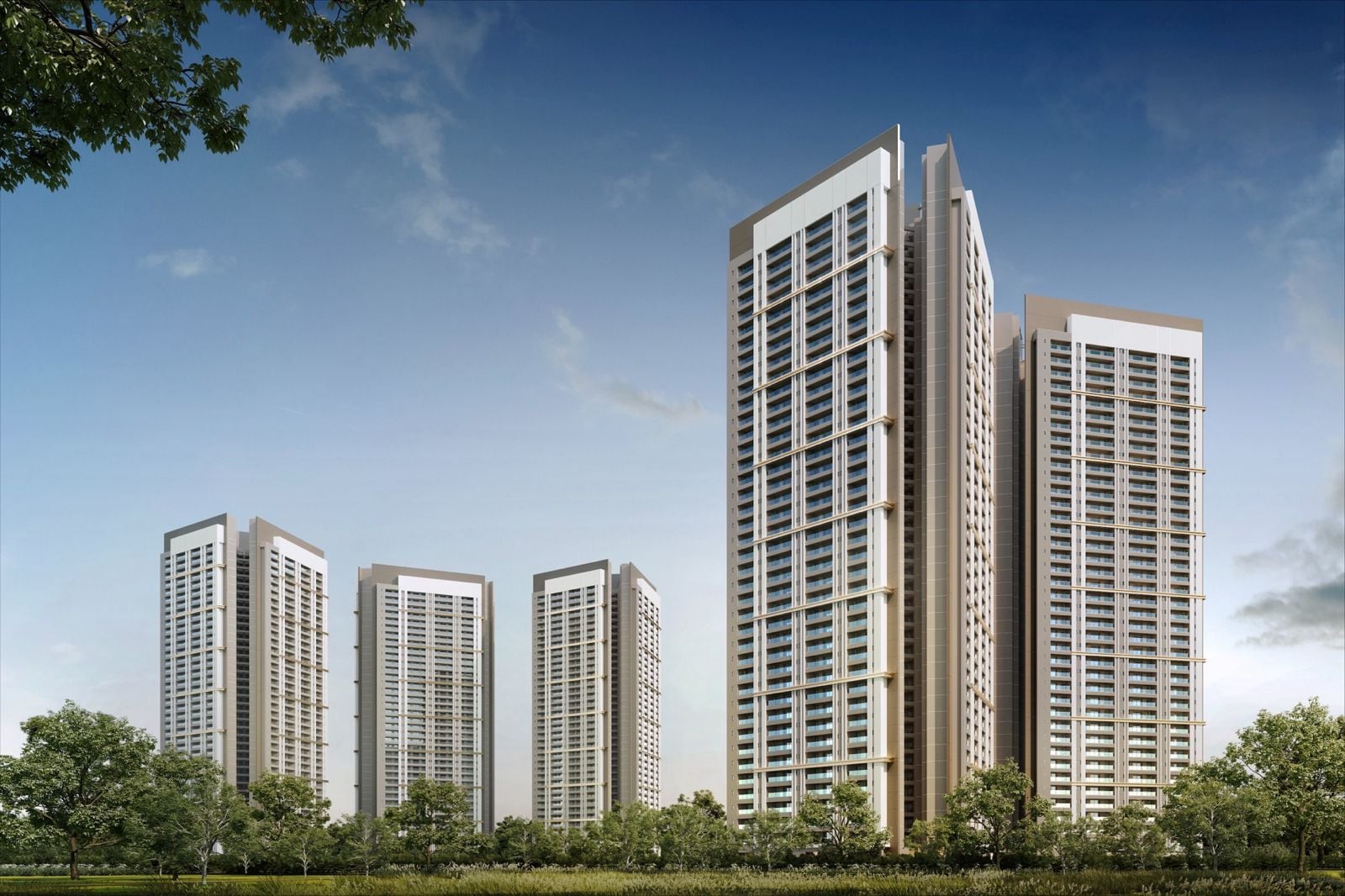
South Indian cities account for nearly 60% of the country's organised senior housing inventory.
Temple Towns Enter The Picture
The retirement map is expanding beyond metros. One of the most interesting developments is taking place in Tirupati.
Manasum Senior Living recently announced Mayura at Tirupati, positioned as the temple city's first dedicated senior living enclave. The project highlights a growing trend among retirees seeking spiritual fulfilment alongside comfort and community living.
Temple towns have long attracted older Indians. Organized retirement housing is now bringing modern amenities and professional management into that equation.
The Rise Of GIFT City
Gujarat is emerging as another market to watch.
While cities such as Bengaluru, Coimbatore and Pune remain established leaders, Hardik Shah, Director at Shyam Group-Dholera SIR, believes Gujarat possesses many of the ingredients needed for sustained growth in retirement housing.
Healthcare infrastructure is one of them.
Cities including Ahmedabad, Gandhinagar, Vadodara and Surat host major multi-specialty hospitals such as Apollo, Sterling, Zydus, Shalby and KD Hospitals.
But healthcare is only part of the story.
Shah points to Gujarat's infrastructure-led growth model, business-friendly environment and rapid urban development as key advantages. Roads, airports, metro projects and smart-city investments have improved quality of life across the state.
The emergence of GIFT City as India's international financial services hub is adding another dimension.
Manasum's planned entry into GIFT City marks one of the first organised senior living developments in the area. Shah says the move reflects confidence in Gujarat's ability to attract retirees looking not only for quality living but also for long-term investment opportunities.
Compared with many large metros, Gujarat also offers lower living costs, better urban planning and less congestion - factors that increasingly matter to retirees.
Dehradun's Quiet Transformation
Nestled in the foothills of the Himalayas, Dehradun has traditionally attracted retirees seeking a slower pace of life. Today, it is benefiting from a wave of infrastructure development.
The Delhi-Dehradun Expressway is expected to significantly improve connectivity between the city and the National Capital Region. Meanwhile, the Dehradun Smart City Mission is upgrading roads, public spaces and digital infrastructure.
The result is growing interest in premium housing, plotted developments and second homes. For retirees, the appeal lies in combining natural surroundings with improving urban infrastructure.
Kasauli's Wellness Advantage
If cities like Gurugram represent urban retirement, Kasauli represents a different aspiration altogether. Sandeep Mangla, Managing Director of Forteasia Realty, says the hill town is emerging as one of North India's most attractive retirement destinations.
Located at nearly 1,900 metres above sea level, Kasauli offers cleaner air, a moderate climate and significantly lower pollution levels than many large cities.
Mangla believes environmental quality is becoming a major factor in retirement decisions. "Health and wellness are becoming central to retirement planning," he notes.
Accessibility is another advantage. Kasauli remains within driving distance of Chandigarh and Delhi while retaining the tranquillity that many retirees seek. Residents can also access advanced healthcare facilities in Chandigarh, Mohali, Panchkula and Solan when needed.
Improved road connectivity and growing demand for second homes in Himalayan destinations are further strengthening the town's appeal.
For many seniors, Kasauli offers a combination that is becoming increasingly rare: wellness, connectivity and peace.
A New Definition Of Retirement
What unites Gurugram, Coimbatore, Pune, Tirupati, Dehradun, GIFT City and Kasauli is not geography. It is aspiration.
India's seniors are healthier, wealthier and more independent than previous generations. They are living longer and expecting more from retirement.
They want access to hospitals, but also yoga studios. They want security, but also social lives. They want convenience, but not isolation.
The retirement home of the future may not look like a retirement home at all.
It may look like a vibrant urban neighbourhood. A wellness-focused hill community. A temple town enclave. Or a modern township in a financial hub.
As India's elderly population continues to rise, developers are betting that retirement itself is being reinvented.
-
Opinion | Iran To Saudi, Pakistan Is Now Fast Running Out Of Sides To Play

Pakistan's long history of playing all parties to its own benefit may have reached the end of its road.
-
Gyanesh Kumar Has An Immunity Pin. Why A Petition Says He Can't Use It
The Opposition wants the Chief Election Commissioner prosecuted for alleged manipulation of voter rolls, but a 2023 law stands in the way. A petition in the Supreme Court now says the law has a gap.
-
Opinion | Is The World Staring At A Big Stock Market Crash - And Recession? 5 Uneasy Signs
On Wednesday, the US bond market recorded its worst day since Trump's "Liberation Day" tariffs rattled markets in April 2025. The 30-year US Treasury yield topped 5.43%, putting it on track for its highest close since 2004.
-
Form 6 For New Voters: When A Small Change Triggered A Big Row
In July 2026, the online version of Form 6 on the ECI's ECINet portal was modified to include a new declaration.
-
Opinion | Saudi Arabia's China Turn Has Begun - After Learning Much The Hard Way
Leaning on China just makes sense for the Saudis right now. The question is, can its other great 'ally' stomach it?
-
Opinion | Bihar Assault, Hisar Marriage Ban: Who'll Stop The Guardians Of Indian 'Culture'?
Why exactly does the sight of a young couple seeking a bit of alone time somewhere tend to particularly provoke a certain kind of Indian men?
-
Opinion | The Trump-Xi Summit, And India's Many Worries Of Its Own
Washington and Beijing may have chosen coexistence over confrontation. For India, that could be both a relief and a warning.
-
Opinion | China Claims It Has Cut Troops At The Indian Border. But The Math Doesn't Add Up
The reduction likely has more to do with the deployment along the LAC than the total strength active in the region
-
Opinion | China Is No Longer Waiting For Trump To Set The Rules. And He Knows It
America's old diplomatic tricks with China won't work any longer. Because China has changed, and so has its ambitions.