





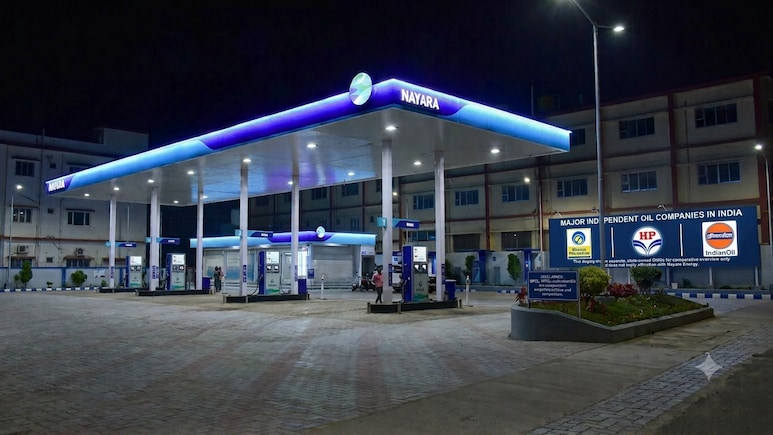
Following weeks of volatile crude oil prices driven by the US-Iran-Israel conflict, commuters finally got some relief on Wednesday.
The country's largest private fuel retailer, Nayara Energy, has cut petrol prices by Rs 5 a litre and diesel by Rs 3 a litre across its nearly 7,000 fuel stations from July 1. The reduction follows a sharp cooling in global crude oil prices after fears of supply disruptions through the Strait of Hormuz eased.
The bigger question, however, is why India's three state-run oil marketing companies (OMCs) -- Indian Oil Corporation (IOCL), Bharat Petroleum (BPCL) and Hindustan Petroleum (HPCL) -- have not followed suit.
Also Read | Layoffs Are Rising In Tech, But These Skills Are Helping People Unlock Better Pay
The answer lies in how the two sets of companies price fuel, the losses public-sector OMCs absorbed during the recent crude price spike, and where Nayara's retail prices stood before this cut.
Nayara Was Already Costlier Than Public OMCs
Unlike state-run fuel retailers, Nayara had been selling petrol and diesel at relatively higher prices in many parts of the country. This gave Nayara room to lower prices without undercutting state-run competitors.
Even after Wednesday's reduction, fuel sold at Nayara outlets continues to be marginally more expensive than that at IOCL, BPCL and HPCL pumps in a majority of states.
For instance, petrol at Nayara outlets in Bengaluru is now priced at Rs 111.20 per litre after the revision, while diesel costs Rs 98.80. Prices at Nayara pumps vary across states and districts because of differences in VAT and logistics costs.
According to a Nayara fuel station operator, transportation expenses are also factored into pricing. Pumps located farther from supply depots may charge slightly more, though the difference is usually limited to around 25 paise per litre.
Public OMCs Were Absorbing Higher Costs
Another key reason lies in what happened during the recent spike in international crude prices.
Global oil prices climbed above $110 per barrel during the Iran conflict, forcing Indian state-run OMCs to absorb a significant part of the increase instead of passing it entirely to consumers. This helped shield retail customers from a sudden jump in petrol and diesel prices but squeezed the companies' marketing margins.
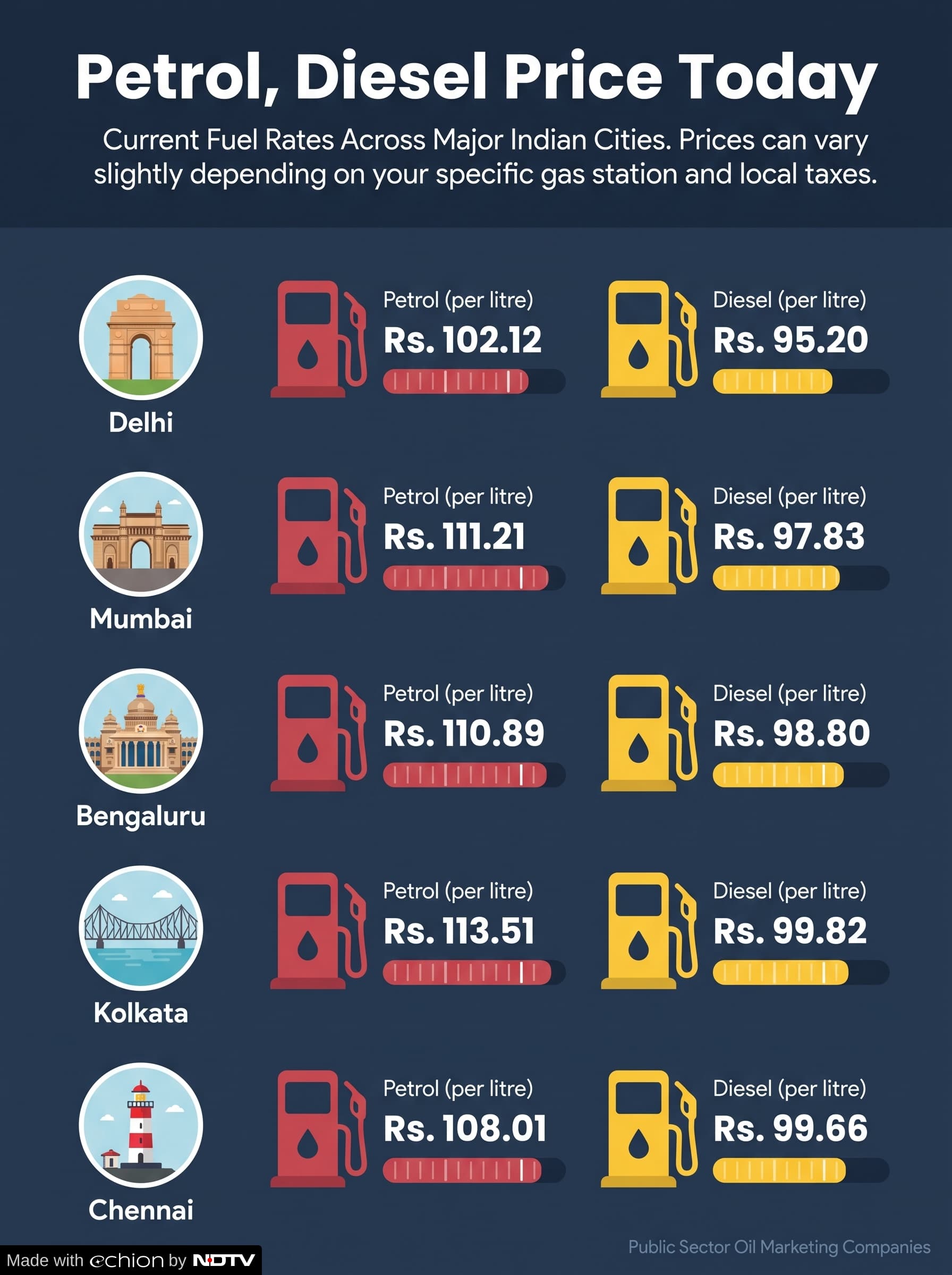
With crude prices now easing, public-sector fuel retailers are expected to use the improved margins to recover some of those earlier losses rather than immediately cutting pump prices.
So far, there has been no indication from IOCL, BPCL or HPCL that they are preparing to reduce retail fuel prices.
Why Nayara Moved First
Private fuel retailers have greater flexibility in pricing compared with public-sector OMCs.
Nayara's decision comes as international crude prices have softened considerably after geopolitical tensions in the Middle East eased. Concerns over disruptions to oil shipments through the Strait of Hormuz have receded, allowing global benchmark Brent crude to fall back to around $73 per barrel on July 1.
Lower crude prices reduce the cost of refining fuel, allowing companies with comfortable margins to pass on some of the benefit to consumers.
The move also gives Nayara a competitive edge by narrowing the price gap with state-run retailers while remaining slightly above them in most markets.
Could Public OMCs Follow?
Whether consumers buying fuel from IOCL, BPCL and HPCL receive similar relief will largely depend on how long crude oil prices remain stable.
If global oil prices stay near current levels for an extended period, pressure could build on state-run retailers to share some of the gains with consumers. Rival private retailers may also review their pricing if the softer crude trend continues.
For now, however, there is little evidence that public-sector OMCs are planning an immediate reduction.
Track Latest News Live on NDTV.com and get news updates from India and around the world

