





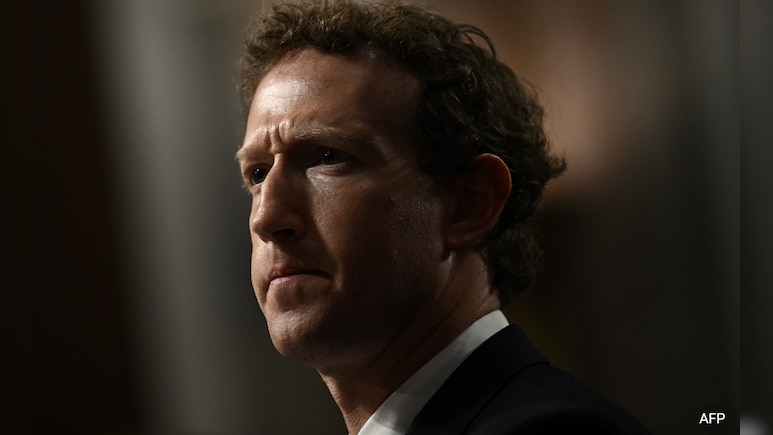
Amid reports claiming that the Trump administration may ban Chinese AI models in the US, Meta CEO Mark Zuckerberg has blocking Chinese AI models would do little to strengthen America's position in the global AI race.
In an interview with the Financial Times, Zuckerberg said the US should focus on fixing its own weaknesses and building better technology at home. He also warned that bans could end up benefiting a handful of dominant AI companies by creating what he called "regulatory capture."
The remarks come at a time when Washington is stepping up scrutiny of Chinese AI firms over concerns ranging from intellectual property theft to national security. The Trump administration has already signalled possible sanctions against some Chinese AI developers while exploring stricter oversight of advanced AI models.
Also Read | Layoffs Are Rising In Tech, But These Skills Are Helping People Unlock Better Pay
'Debate Over Chinese AI Models Not Limited To US'
As Chinese AI models become cheaper, more capable and increasingly popular across the world, countries like India are also weighing how much access they should allow while balancing innovation with security.
Abhishek Bhilwaria, AMFI-registered Mutual Fund Distributor and Partner at BhilwariaFinserv, believes India should avoid taking sides in the US-China technology rivalry.
"India should chart an independent path focused on algorithmic sovereignty, domestic hardware security, and open-source local foundations, rather than blindly following either US tech lobby opinions or outright bans," Bhilwaria said.
Referring to Zuckerberg's comments, he added that while the Meta chief believes banning Chinese AI models is ineffective and could encourage regulatory capture, India's situation is fundamentally different.
"India's geopolitical reality with China fundamentally differs from that of the United States," Bhilwaria said.
China's AI Leap
The conversation around Chinese AI has intensified in recent months as companies such as DeepSeek and Moonshot AI have released increasingly powerful open models that rival leading American systems at a fraction of the cost. Their rapid progress has unsettled Silicon Valley and triggered fresh calls in Washington for tighter restrictions.
Zuckerberg, however, has consistently argued that open AI ecosystems are more likely to drive innovation than restrictive policies. He has also cautioned against concentrating power in the hands of a few frontier AI companies, saying competition is essential if the US wants to stay ahead.
For India, the challenge is more nuanced.
The country wants to become an AI powerhouse while reducing dependence on foreign technologies. At the same time, national security concerns remain significant because of its complex relationship with China.
Track Latest News Live on NDTV.com and get news updates from India and around the world

