-
Man, Son Arrested After Rs 1.5 Crore Cannabis Crop Found In Telangana Farm
Telangana Police have arrested a father and son for allegedly running a large-scale illegal cannabis cultivation operation in a 10-acre cotton field in Nagolkonda village under the Jainoor police station limits.
-

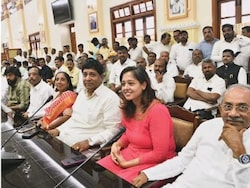
Karnataka MLA's Niece Got Rs 70,000 Salary Without Ever Going To Work
Dr Ankita Yaragal, who is the niece of Bagalkot MLA Umesh Meti, is facing an inquiry over alleged dereliction of duty and unauthorised dual engagement.
-
Case Against Shiv Sena Woman Corporator For Assaulting Man Over Facebook Comment
Police on Tuesday registered a case against a woman Shiv Sena corporator at Nalasopara in Maharashtra's Palghar district, and arrested her two associates for allegedly assaulting a man over his comment on a social media platform, officials said.
-
Man Sentenced To Death For Rape, Murder Of 4-Year-Old Assam Girl In 2023
The sentence comes three years after a four-year-old girl was sexually assaulted and subsequently killed at Krishnakali Tea Estate.
-
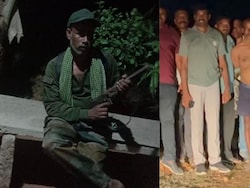
Karnataka Bomb Blast Accused 'Fake' Maoist Arrested After Hunt By 150 Cops
Kanakalabande Venkatesh was reportedly on the run after the crude bomb blast in August and was hiding in the Kadamalakunte Hills.
-
Kanpur Businessman's Son Received 6 Calls From Killer On Night Of Murder
The evidence shows that the alleged killer had made six calls to Subrat, Kanpur businessman's son, from a newly purchased SIM.
-
India Faces 100% Tariff Risk As Russia Sanctions Bill Advances In US
The US House of Representatives voted to advance a bill that would authorise President Donald Trump to impose 100 per cent tariffs on India and other countries for buying oil and gas from Russia and extend existing sanctions on Iran.
-
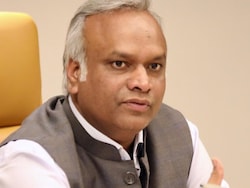
"I'll Resign If...": Priyank Kharge Challenges BJP Over Vande Mataram Stanzas
In January, the Union Home Ministry directed that all six stanzas of Vande Mataram be sung before the National Anthem - when both are played together.
-
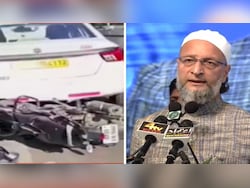
Video: Bikes Collide In Asaduddin Owaisi's Convoy In Bhopal, Several Hurt
Owaisi's convoy was making its way through the busy VIP Road in Madhya Pradesh's Capital, when a few vehicles slammed brakes suddenly at a turn.
-
Case Against 'Drunk' Biker For 'Recklessly' Overtaking Minister's Convoy In Pune
Police have registered an FIR against a motorcyclist for overtaking the convoy of Union minister Murlidhar Mohol in Pune city allegedly in an inebriated condition, officials said.
-
Gen Z Makes Mark in Rajasthan Civic Polls, 6 Young Candidates Win In Jaipur
The result of the urban local body polls in Rajasthan pointed to a notable, though limited, entry of Gen Z candidates into the state's local government.
-
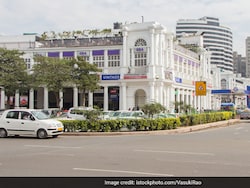
Child Among 2 Injured After Traffic Pole Collapses In Delhi's Connaught Place
Two people, including a child, were injured after a traffic pole suddenly collapsed onto the road in Delhi's Connaught Place on Tuesday, trapping an auto-rickshaw and a scooter passing through the area, police said.
-
Tamil Nadu New Secretariat Plan: Development Vs Environment, Livelihood
A 20-lakh-square-foot project worth Rs 1,200-crore, has triggered concerns on three fronts - its environmental impact on the fragile coast, the future of fishing livelihoods and the housing rights of communities already living in the area.
-
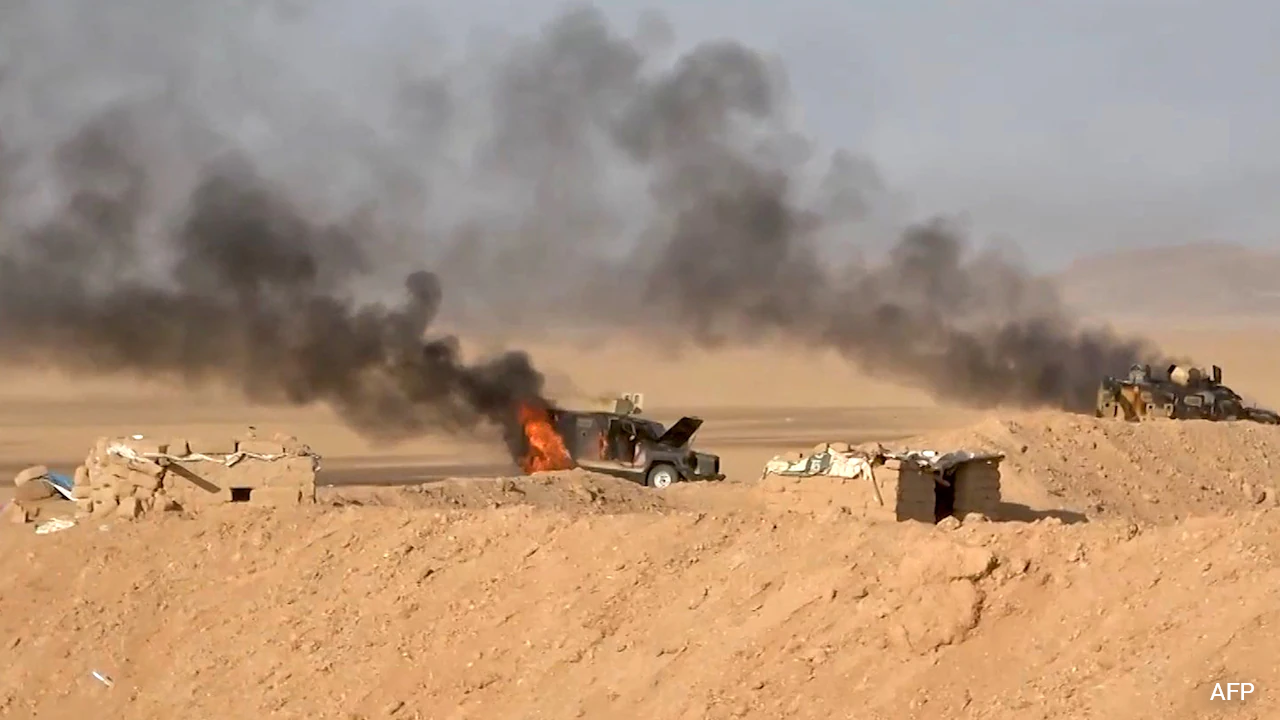
"Obviously Unacceptable": India Slams Houthi Strikes On Saudi Arabia
External Affairs Ministry Spokesperson Randhir Jaiswal's remarks came amid a sudden escalation in tensions in the Middle East, especially after the Houthi strikes on Saudi Arabia.
-
Tamil Nadu Government Transfers Tambaram Commissioner Over Tender Violations
Arappor Iyakkam has alleged and filed complaints with supporting documents, claiming that two works worth a total of around Rs 45 lakh were completed and inaugurated even before the last date for submission of tenders for the contracts had expired.
-
Vijay's London Event Cancelled Over Safety Concerns
A member of the chief minister's team announced that event was called off due to public safety concerns.
-
Explosion In Bengal's Rejinagar Ahead Of Bypolls, Cops Recover Bombs
Locals said a loud explosion was heard in Naopukuria under Beldanga police station late in the evening, following which the area was covered with smoke. People rushed towards a nearby water body from where the sound was heard, but none was found.
-
AIUDF Chief Badruddin Ajmal To Contest Lok Sabha Bypoll From Assam's Nagaon
The AIUDF had earlier indicated that Rezaul Karim Sarkar could be its nominee, but eventually opted to put its supremo directly into the electoral contest.
-
Diplomatic Ties Still Strained, India Yet To Approve Next Bangladesh Envoy
Dhaka wants to send Foreign Secretary Asad Alam Siam to New Delhi for the post. But before that can happen, India needs to grant what's called an agreement, which is basically formal sign-off from the host country.
-
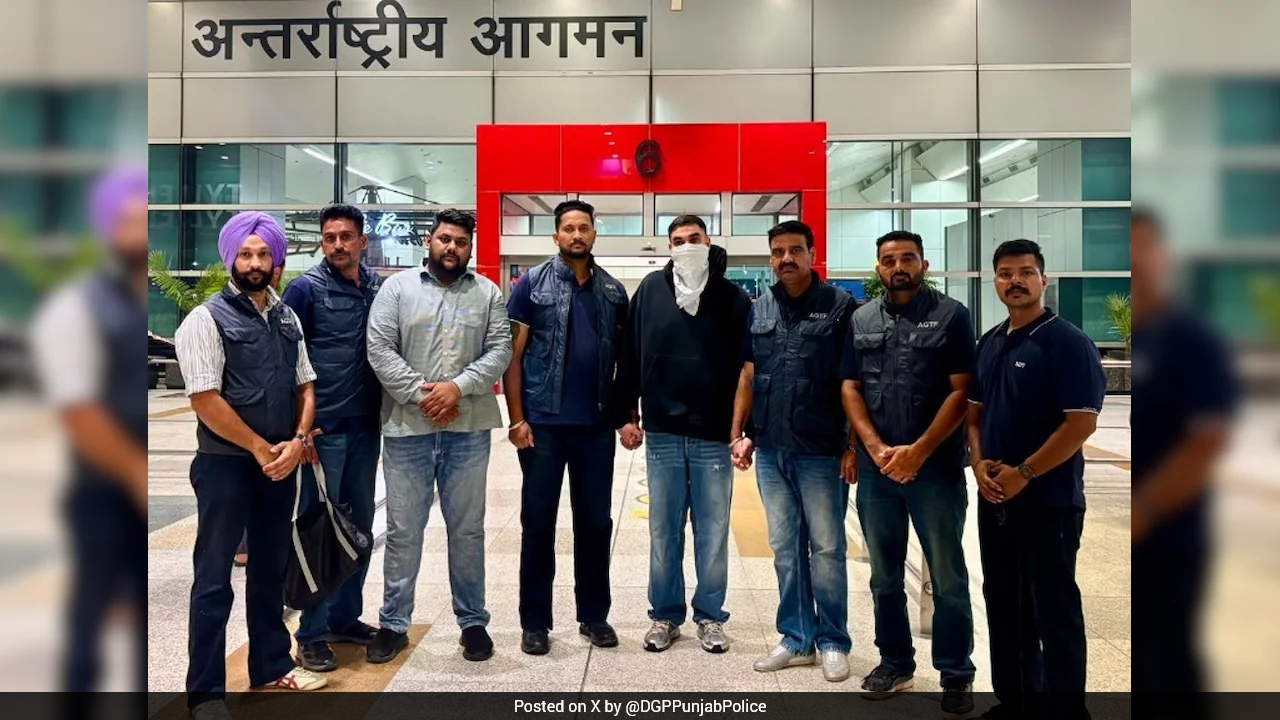
Deported From US, Lawrence Bishnoi Gang Member In Punjab Police Custody
The accused, Karamveer Singh, a resident of Bahadur Ke village in Ludhiana, was arrested by the AGTF team at Indira Gandhi International (IGI) Airport, New Delhi, upon his arrival