-

BJP Turns Up Meme Heat On Congress, Deploys Satire In Social Media Battle
BJP sources said there is nothing new to the party's social media strategy. They said that the party's core belief system has and will remain unchanged.
-

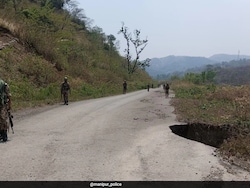
1 Dead, 5 Injured As Armed Naga Groups Clash In Remote Manipur Forest
Sources said the situation remains fluid and the death count could change as security personnel reach the area and assess the situation.
-
Samay Raina's New 'Latent' Row Involves Banter On Kashmiri Roots
Comic Sharon Verma appeared in the new episode of India's Got Latent. She and Samay Raina, the host, traded jokes. Soon, both started roasting each other over their backgrounds.
-
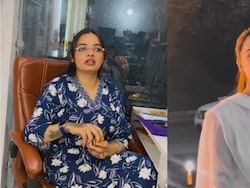
Assaulted, Tied To Tree, Burned: Punjab Influencer Dies After 2-Month Battle
Police have said the motive behind the alleged attack has not yet been established. Kaur was divorced and is survived by her seven-year-old son.
-
Union Bank To Challenge Approval Of Subhash Chandra's Insolvency Plan
In the statement, Union Bank of India, along with other creditors, including Canara Bank and LIC Housing Finance, had voted against the resolution plan and opposed its approval before the NCLT.
-
Hyderabad Plot Sold For Rs 1,447 Crore In Record Auction
This is now the highest price recorded in a Raidurg land auction, and it also sets a new benchmark for Hyderabad.
-
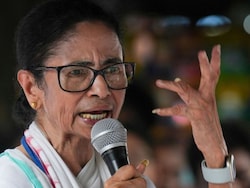
Case Against Mamata Banerjee Over Court Order Violation On Student Body Meet
The FIR was filed at the Hastings Police Station against Banerjee as well as the organisers of the meeting of the Trinamool Chhatra Parishad (TMCP).
-
"These People Will Kill Me": Woman, Child Die After Delivery, Video Surfaces
The hospital says Kalpana was treated according to medical protocol and denies negligence by the doctors. Her family alleges exactly the opposite.
-
Nihang Singh Shot Dead At Amritsar Gurdwara Fair, Suspects On The Run
Bullet marks were reportedly found on the victim's chest, indicating that he may have been shot from close range. The exact circumstances leading to the firing, however, remain unclear.
-
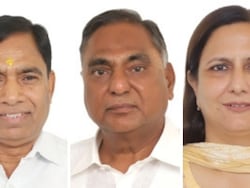
3 Delhi BJP MPs Visit Sajjan Kumar's House. Then Party Chief's Big Action
Sajjan Kumar, 80, died earlier this month while serving his life sentence for killing five men during the 1984 anti-Sikh riots.
-
2 Killed In Violent Clash Over Neem Tree Beside House In Telangana
Tension prevailed in Tension prevailed in Erragadda Thanda (a small village) inTelangana's Suryapet district after a long-standing dispute over a neem tree beside a house turned violent.
-
'Gorilla Campaign' At Panjab University As Monkey Menace Becomes Poll Issue
According to the students, the campaign was designed to highlight the increasing presence of monkeys in the Panjab University campus.
-
"There's Pressure": Congress vs BJP As Penguin India Drops Sonia Gandhi's Memoir
Penguin Random House India on Friday said it was not the publisher of Sonia Gandhi's memoir, "Belonging: A Journey of Love".
-
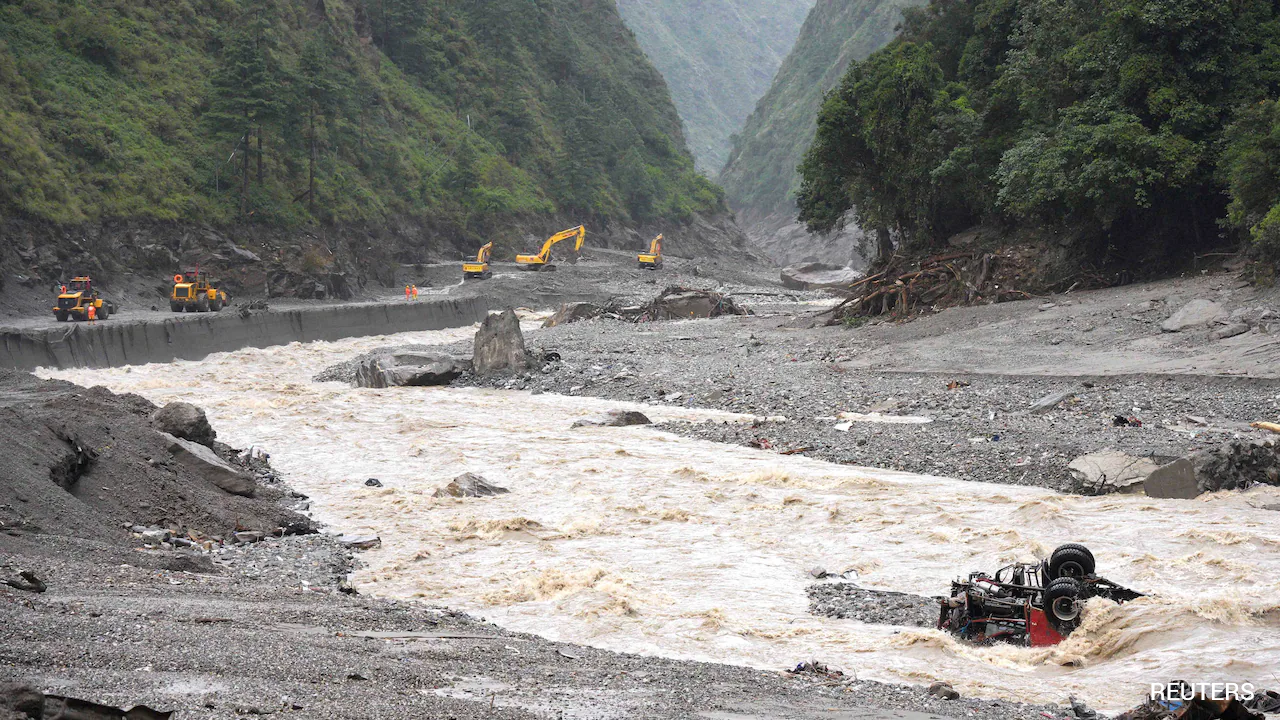
Nepal Flash Flood LIVE Updates: Damage May Cost Up To $5 Billion To Rebuild, Says Minister
Nepal Flash Flood Death Count LIVE News Updates: At least 616 bodies have so far been found, with nearly 2,500 people still unaccounted for, including more than 300 Indians.
-
Assam Man Missing In Nepal Floods, Family Seeks Government's Help
A man from Merapani in Assam has reportedly gone missing in the devastating floods in Nepal.
-
AIMIM Expels Leader Over Viral Video Controversy, BJP Says "Not Justice"
The All India Majlis-e-Ittehadul Muslimeen (AIMIM) has expelled its MLC Mirza Rehmath Baig from the party amid controversy over a viral video and allegations circulating on social media.
-
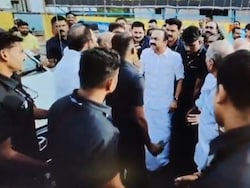
Congress Leader Blocks Kerala Chief Minister's Convoy, Argues With Him
The Congress leader was part of a group that wanted his party colleague and Kerala Chief Minister VD Satheesan to attend their event.
-
Opinion | China To Pak To America, The Growing Dilemmas Of The 'General'
Recent civil military turmoil in the United States, China and Pakistan can be understood through two lenses.
-
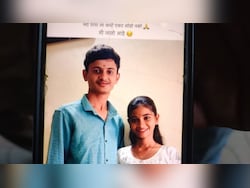
'Don't Leave Mom, Dad Alone': Teen Sends Message To Sister, Then Kills Self
Preliminary information suggests that Rohit Sahebrao Dhangar also sent a video message to a friend, saying that he had lost money in online gaming.
-
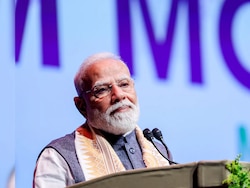
'To Strengthen Ties': PM Modi Embarks On 4-Day Visit To Uzbekistan, Kyrgyzstan
Prime Minister Narendra Modi embarked on his two-nation visit to Uzbekistan and Kyrgyzstan on Saturday, expressing confidence that the diplomatic engagement will reinforce India's strategic partnerships across Central Asia.