
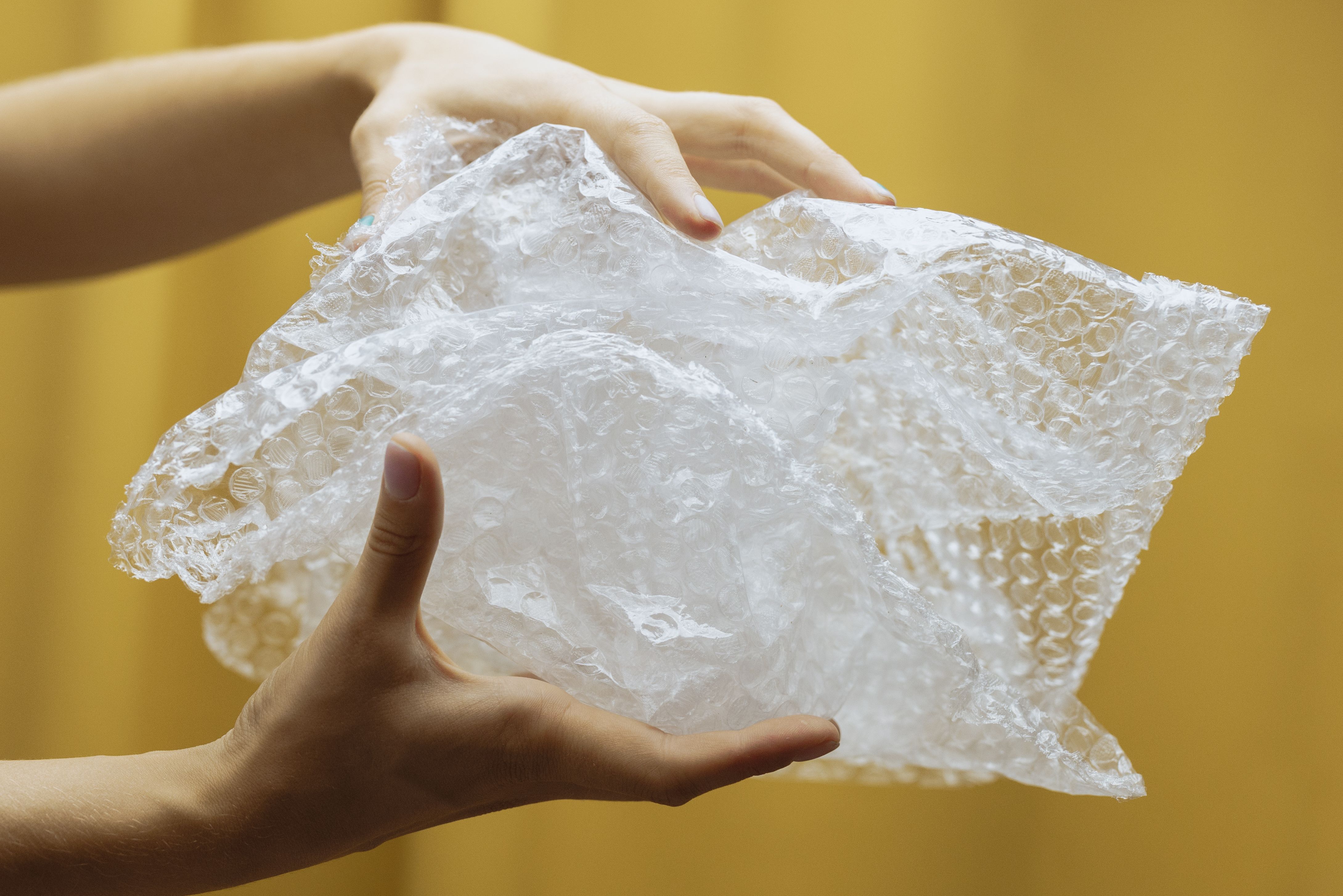
When Alexander Fleming found mould on a bacterial culture in 1928, it was evidence that something in his lab had gone wrong. When Percy Spencer noticed a melted peanut cluster in his pocket, he was not trying to invent a kitchen appliance. And when two inventors sealed air bubbles between plastic sheets, they initially thought they had made wallpaper.
They had not. The popular version of invention history is full of flawless eureka moments.
The better version is usually messier: a failed trial, contaminated sample, wrong component, rejected material, unwanted side effect or ordinary annoyance that someone chose to investigate rather than ignore. Not every story here is a pure accident. Some involve products that failed in their original market; others are discoveries redirected toward a use their creators did not initially expect. But each began with a detour that mattered.
1. Penicillin and the mouldy petri dish
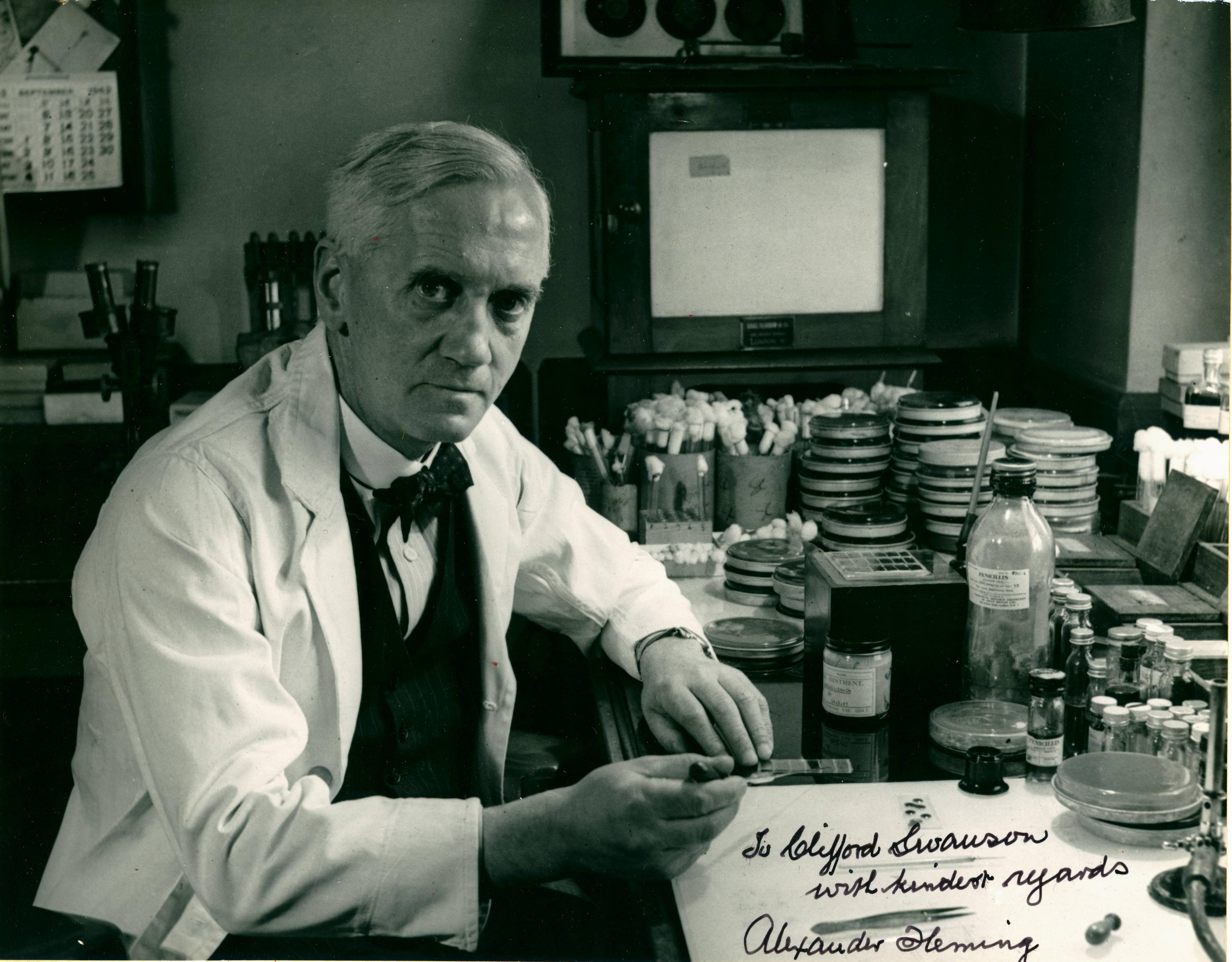
Alexander Fleming returned to his laboratory at St Mary's Hospital in London in 1928 to find mould contaminating a culture of Staphylococcus bacteria. Around the mould was a clear patch where the bacteria had not grown.
Instead of throwing the spoiled plate away, Fleming investigated. He identified the mould as belonging to the Penicillium genus and found that it produced a substance capable of inhibiting bacterial growth.
“I did not invent penicillin. Nature did that. I only discovered it by accident,” Fleming later said. But the story did not end with his observation: Howard Florey, Ernst Chain and other researchers later made penicillin usable at scale.
2. The microwave and Percy Spencer's melted snack
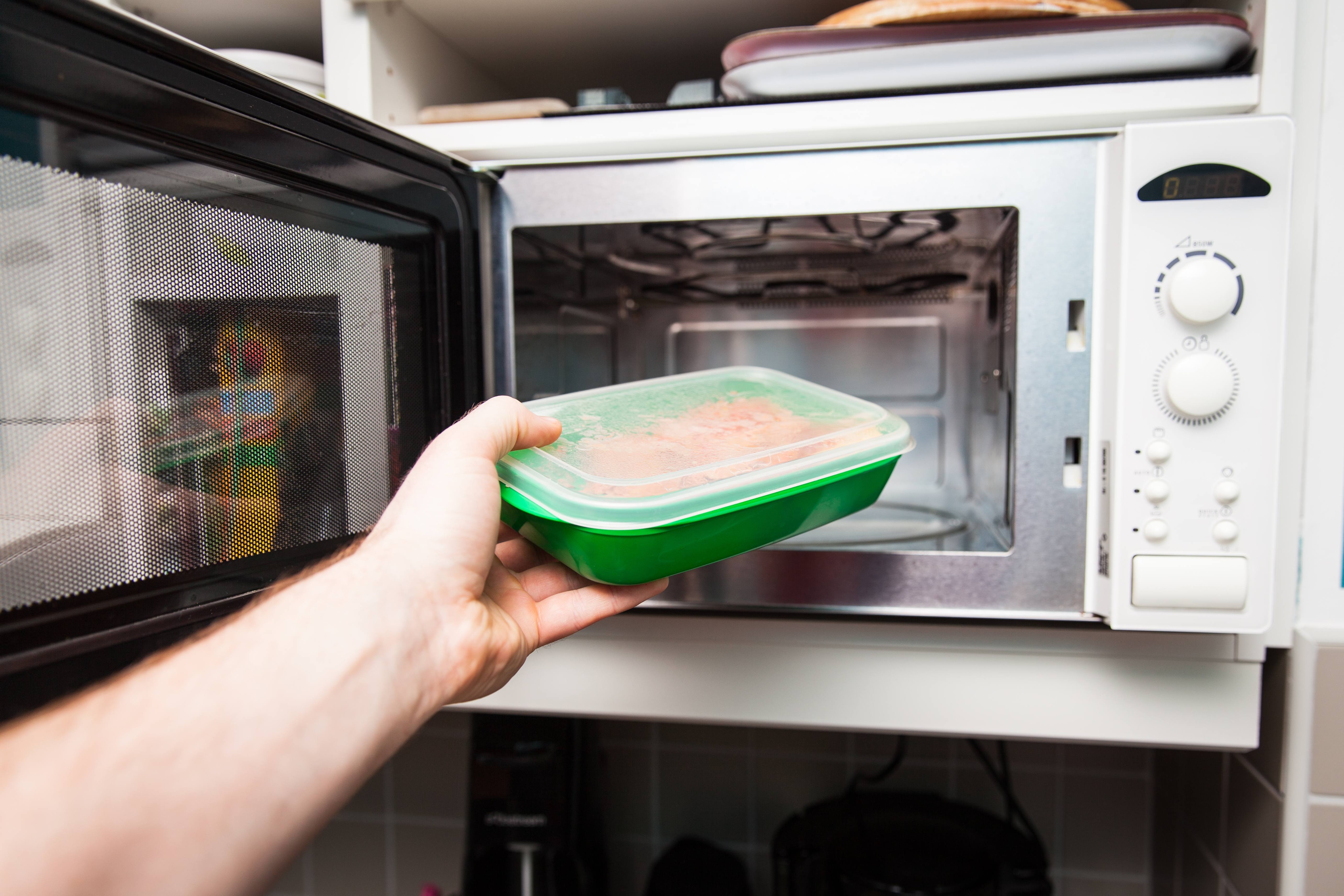
In 1945, Raytheon engineer Percy Spencer was working near a magnetron, a component used in radar equipment. He noticed that a peanut-cluster bar in his pocket had melted.
Spencer did not stop at the oddity. He placed popcorn kernels near the equipment, and they began to pop. He went on to test other foods and helped establish that microwaves could be used for cooking.
The earliest commercial microwave ovens were enormous and expensive, built for restaurants and industrial settings rather than small home kitchens. The familiar domestic microwave came much later.
3. Post-it Notes and the glue that was too weak

In 1968, 3M scientist Spencer Silver was trying to develop a powerful adhesive. What he created was almost the opposite: a low-tack glue made from tiny acrylic microspheres that could stick, peel away and stick again.
For years, nobody knew what it was for. Then Art Fry, another 3M employee, became frustrated when paper bookmarks kept slipping from his church hymnal.
Fry applied Silver's adhesive to small bits of paper. “So I made the bookmarks,” he later recalled. “It turned out that they weren't just bookmarks, they were really handy for self-attaching notes, labels and tapes.”
4. X-rays and the screen that glowed in the dark
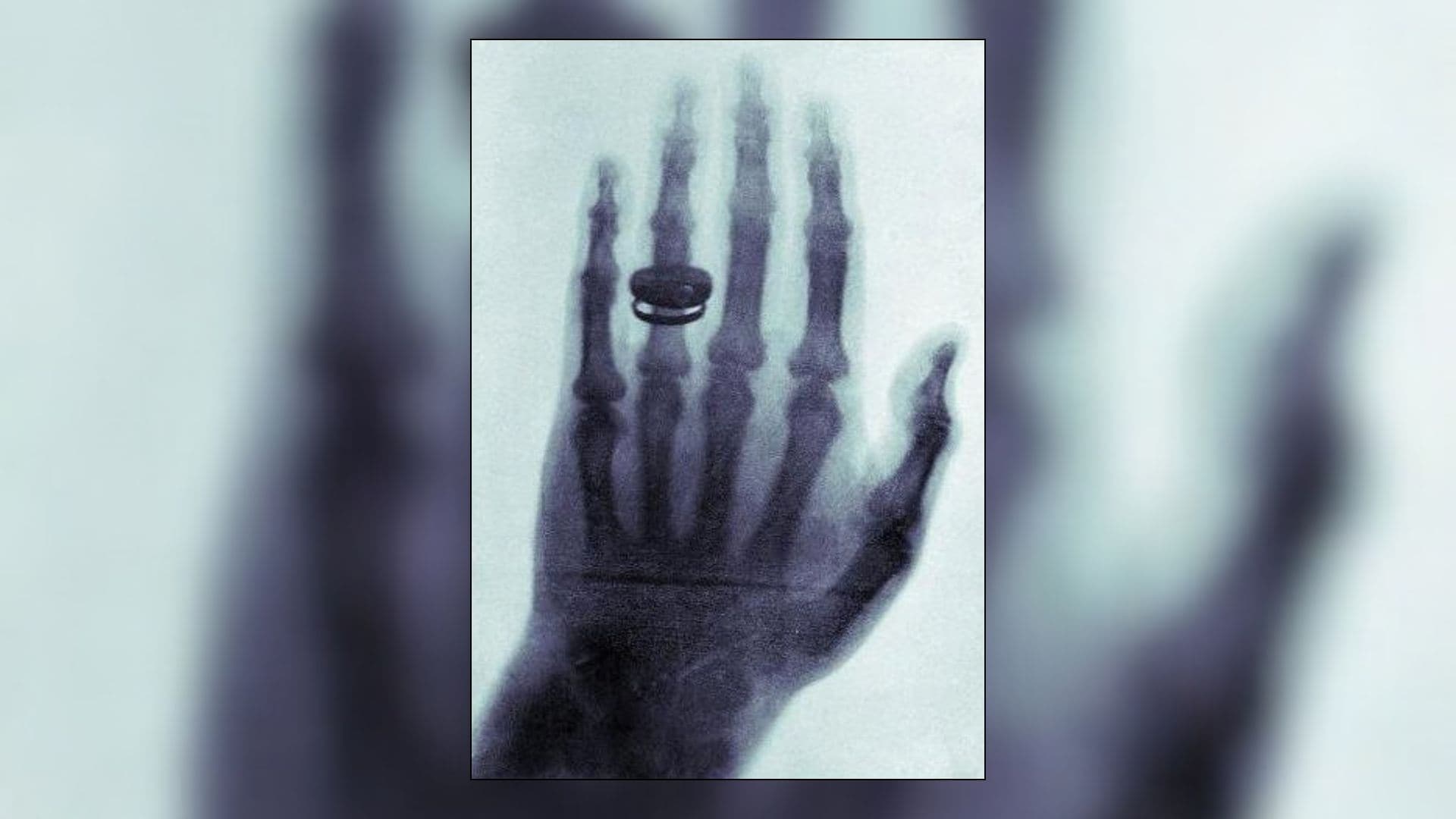
On 8 November 1895, Wilhelm Conrad Röntgen was experimenting with a cathode-ray tube at the University of Würzburg. The tube was covered in black cardboard, but a fluorescent screen nearby began glowing anyway.
Röntgen tested the mysterious radiation against different materials. Wood and paper allowed it through, while denser substances blocked more of it. When he placed a hand in its path, he could see the outline of bone beneath flesh.
He called the phenomenon X-rays because he did not know what kind of rays they were. The image of his wife Anna Bertha's hand became one of the most famous scientific photographs ever made.
5. Teflon and the gas cylinder that was not empty
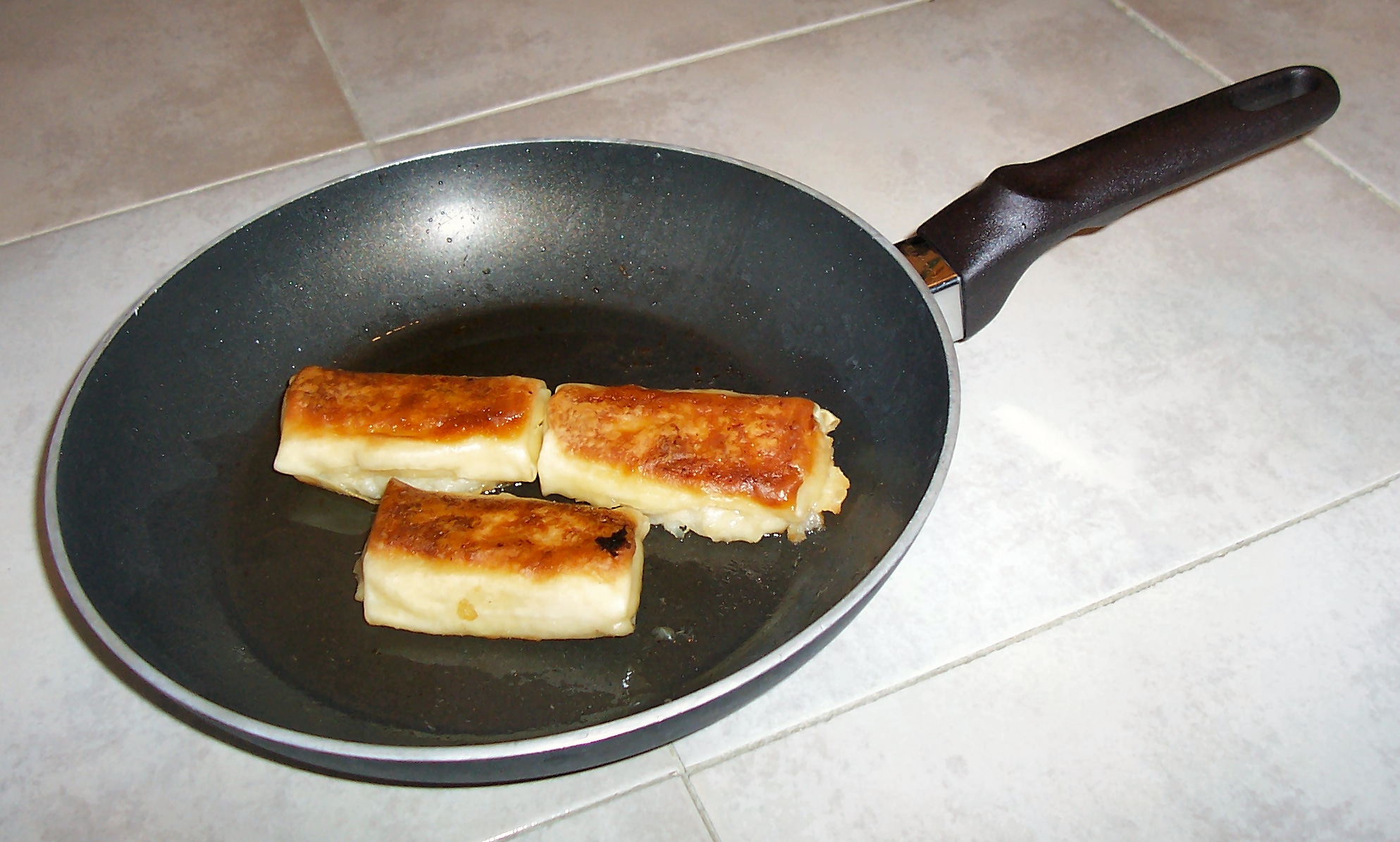
Roy Plunkett was trying to develop a refrigerant at DuPont in 1938. A cylinder of tetrafluoroethylene gas appeared empty when opened, but it still weighed as though something remained inside.
Plunkett and his assistant cut it open and found a white, waxy solid. The gas had polymerised under pressure into polytetrafluoroethylene, better known as PTFE.
PTFE proved unusually resistant to heat, moisture and chemicals, with very low friction. It later became associated with non-stick cookware through the Teflon brand, though its industrial uses stretch far beyond frying pans.
6. Play-Doh and the wallpaper-cleaner rescue
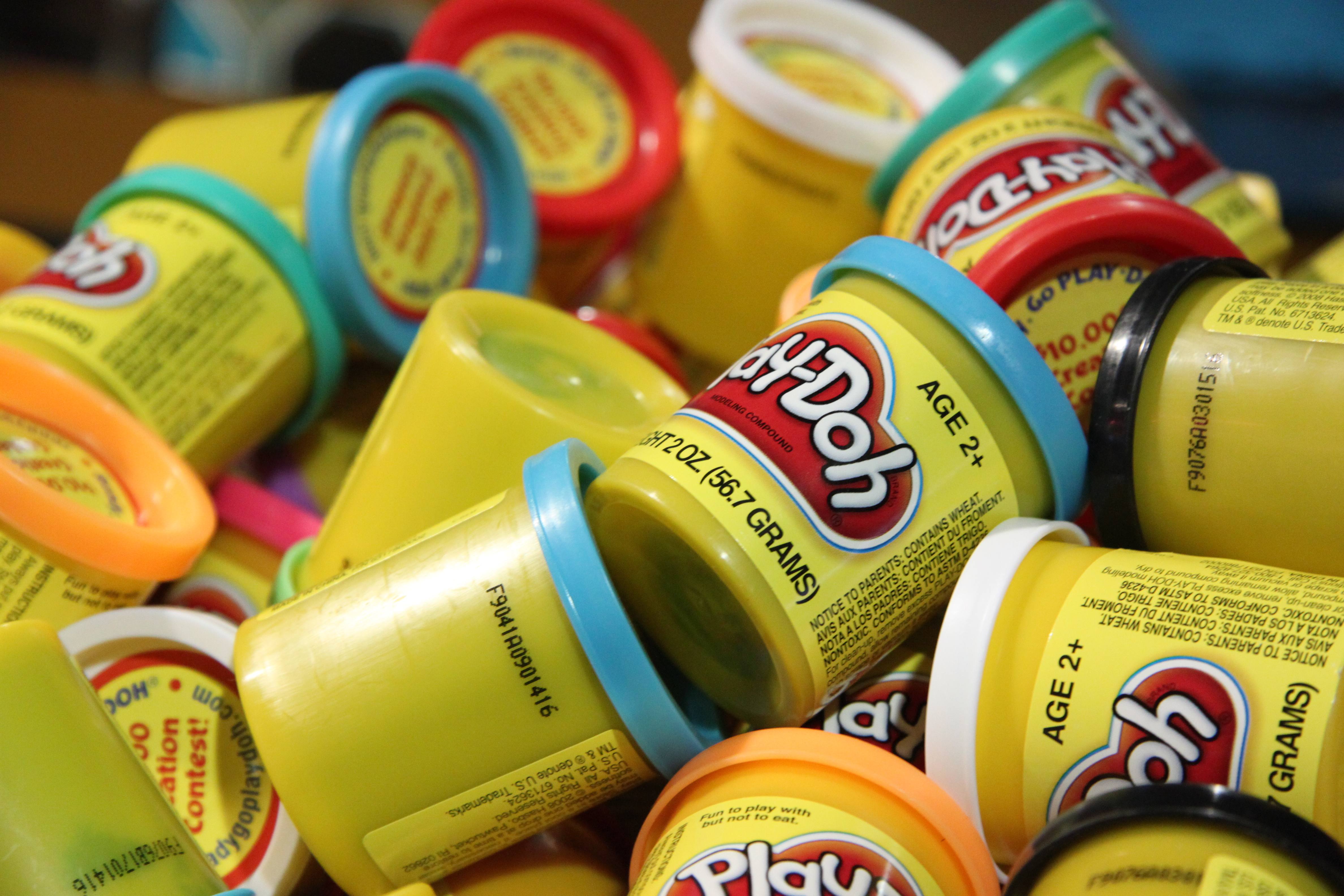
Play-Doh began as a soft wallpaper cleaner made by Kutol Products in the 1930s. At the time, coal heating left soot on household walls, and the compound was designed to lift the grime away.
By the 1950s, cleaner heating systems made the product less useful. Then nursery-school teacher Kay Zufall used it with children, who found it easy to roll, press and reshape.
The failing cleaner became a toy in 1956. The first Play-Doh was white; its familiar bright colours came later. A product designed for soot became a childhood staple.
7. Super Glue and the adhesive nobody wanted
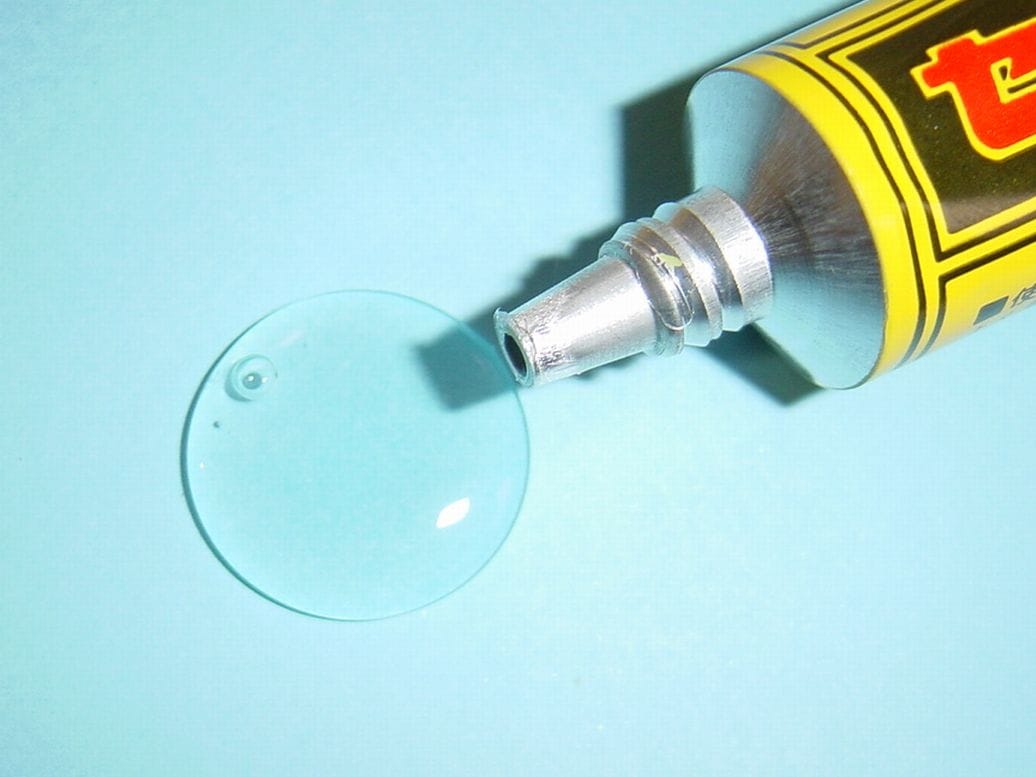
Harry Coover and his team at Eastman Kodak encountered cyanoacrylates during the Second World War while looking for clear plastic materials for gun sights. The chemicals stuck so aggressively to equipment that they seemed useless.
Years later, Coover encountered cyanoacrylates again while working on materials for aircraft canopies. This time, he recognised that the immediate bonding was the product's real value.
Kodak sold it as Eastman 910 in 1958. It later became famous as Super Glue, an adhesive so strong that Coover demonstrated it on television by using it to lift host Garry Moore from the ground.
8. Safety glass and the dropped flask
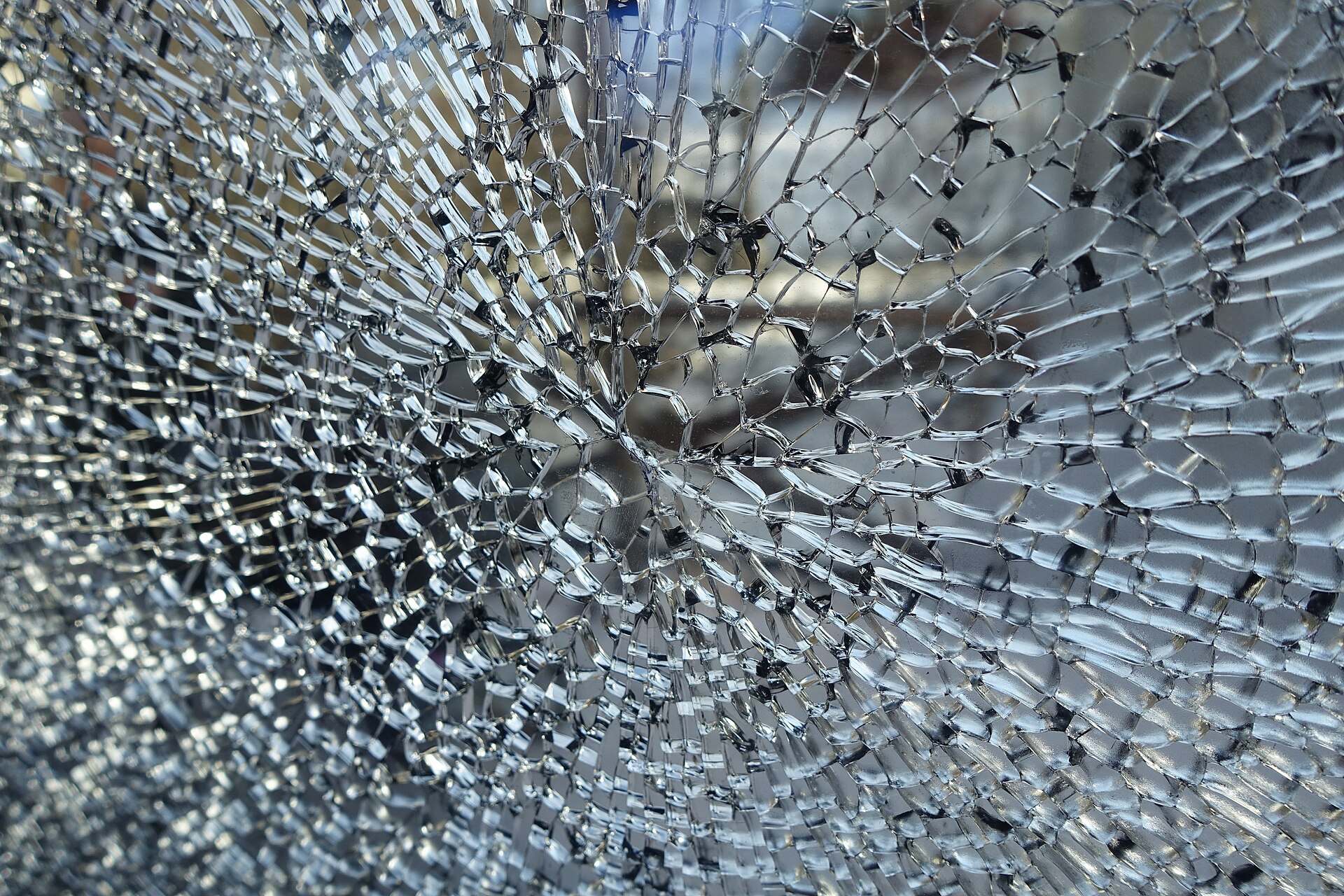
French chemist Édouard Bénédictus dropped a glass flask in 1903. It cracked, but the pieces did not scatter across the floor.
The flask had previously contained cellulose nitrate. When the liquid dried, it left a thin film inside that held the broken glass together.
Bénédictus connected this observation to injuries caused by shattered glass in early automobile accidents. His laminated-glass design placed a layer between glass sheets, creating material designed to break less dangerously rather than not break at all.
9. Saccharin and the sweet-tasting laboratory residue
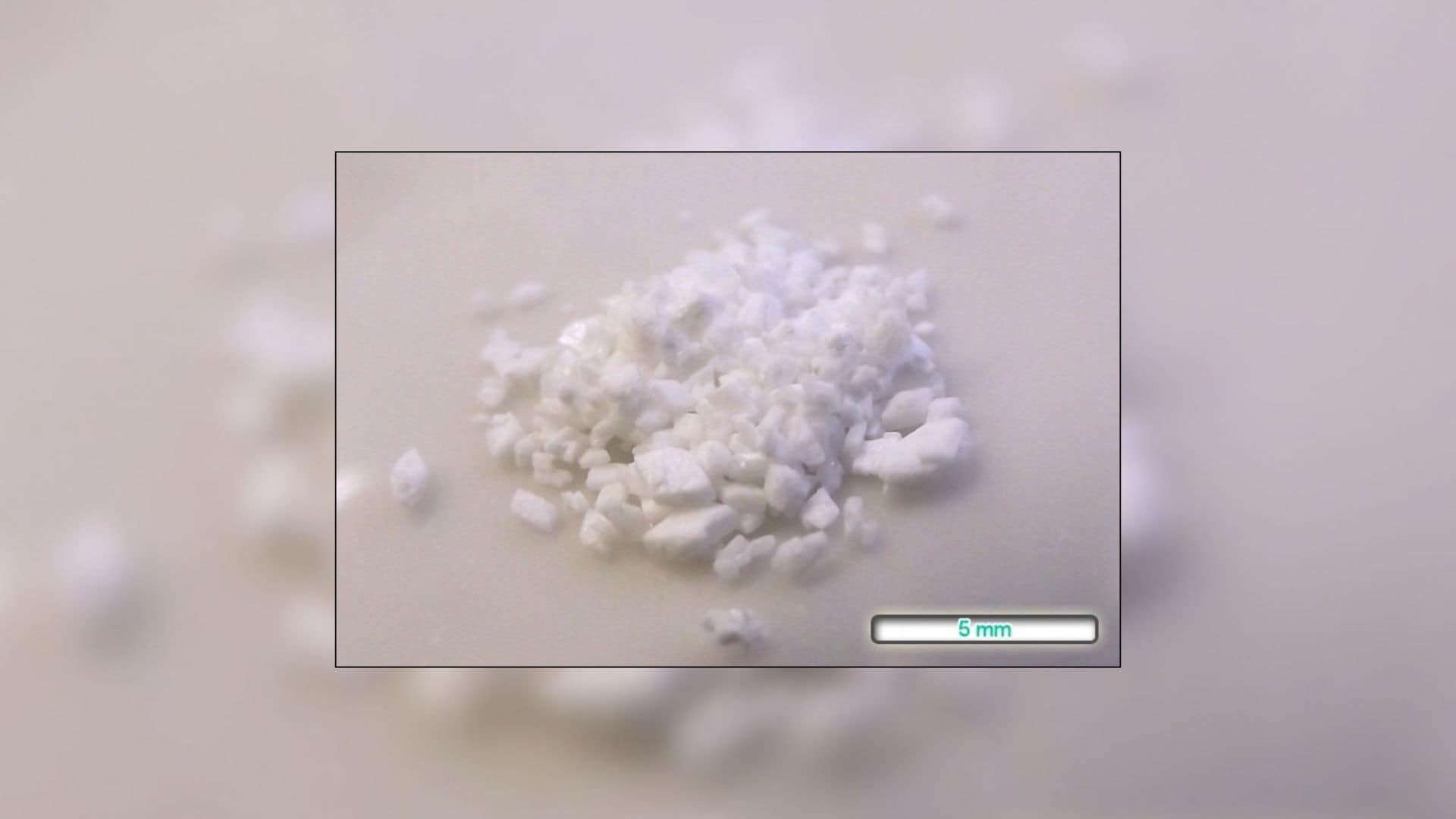
In 1879, Constantin Fahlberg was working in Ira Remsen's Johns Hopkins laboratory on coal-tar derivatives. One evening, he noticed that his food tasted unexpectedly sweet.
The taste came from a compound left on his fingers. Fahlberg returned to the lab and traced it to the substance that became saccharin.
The story is vivid because it would be unacceptable laboratory practice today. But saccharin became an important artificial sweetener, especially during periods when sugar was scarce or expensive.
10. Mauve and the failed attempt to make quinine

William Henry Perkin was 18 when he tried to synthesise quinine in 1856. Quinine was valuable as a treatment for malaria, but Perkin's experiment failed to produce it.
What he did find was a dark residue. When he treated it with alcohol, it released a rich purple dye that adhered well to silk.
That dye, mauveine, became the first commercially successful synthetic dye. Perkin's failed medicine experiment helped create a new textile trend and showed that chemistry could generate valuable materials for mass markets.
11. Bubble Wrap and the wallpaper nobody wanted
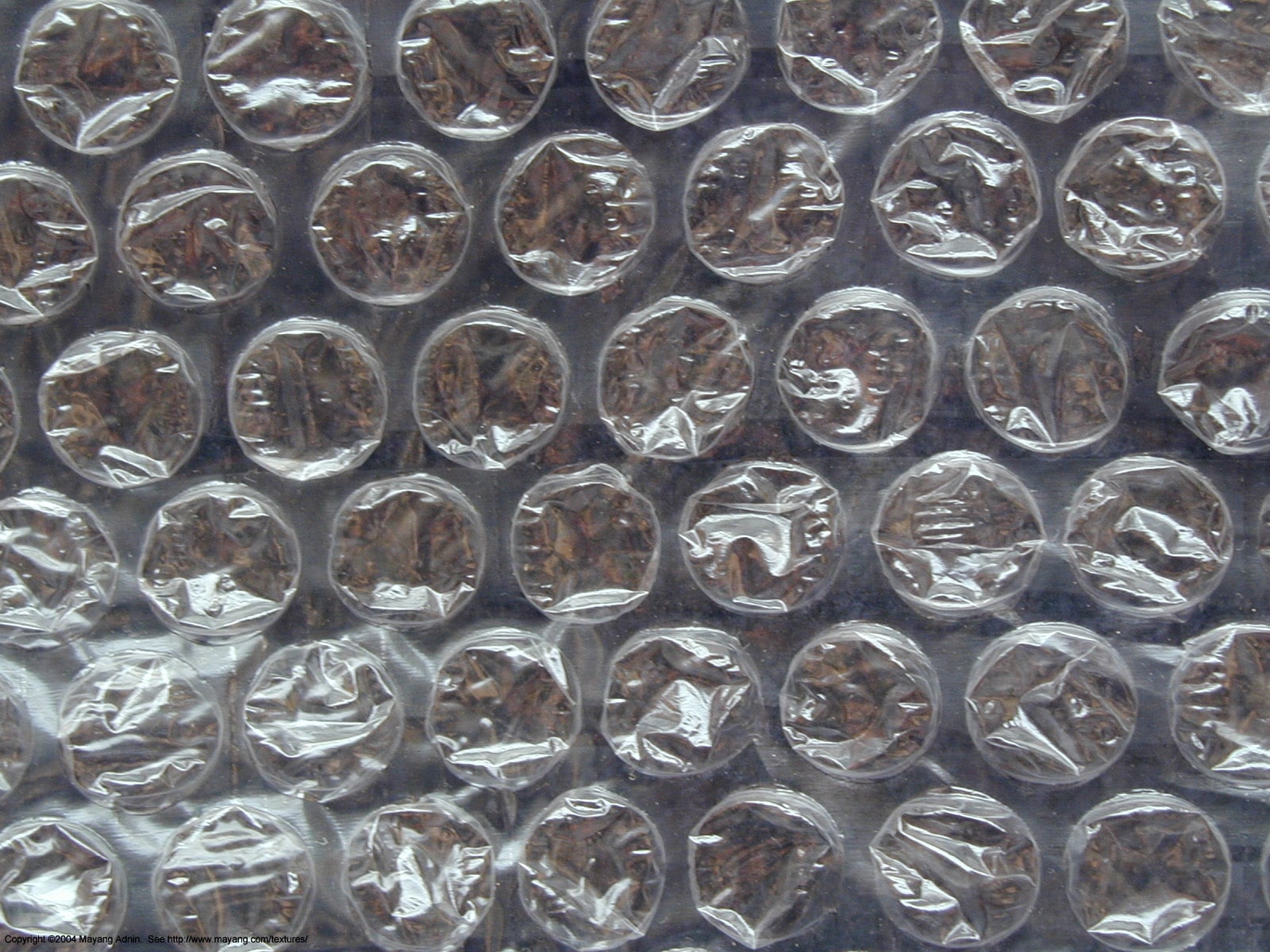
Alfred Fielding and Marc Chavannes sealed two plastic sheets together in 1957, trapping bubbles of air between them. Their first proposal was textured wallpaper.
The market did not agree. The inventors also explored using the material as greenhouse insulation, but that did not become the big breakthrough either.
The idea finally worked as packaging. The same air pockets that looked strange on a wall made sense around fragile objects, protecting glassware, electronics and other breakable goods during transport.
12. Silly Putty and the disappointing rubber substitute
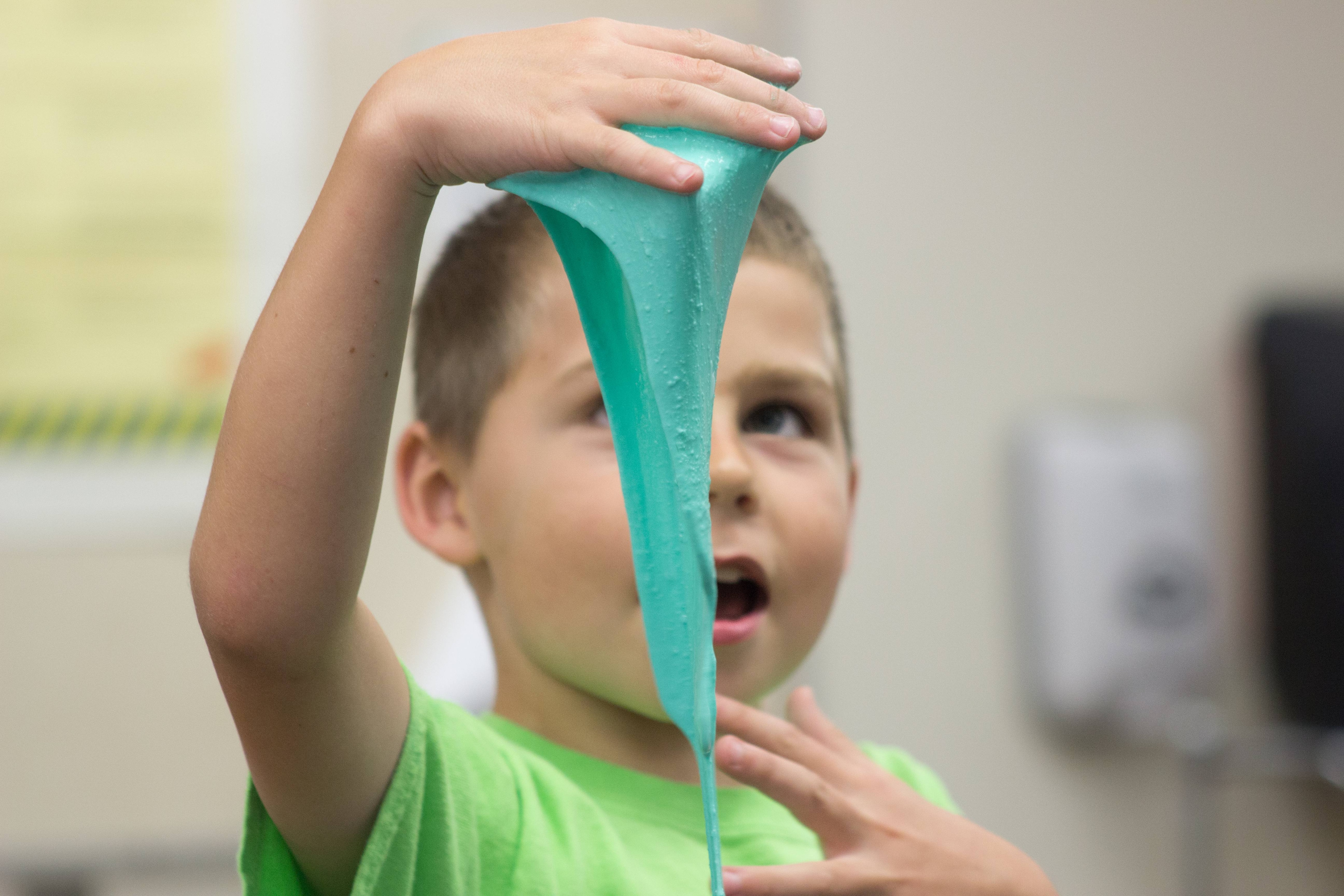
During the Second World War, General Electric engineer James Wright was searching for a replacement for natural rubber. He mixed silicone oil with boric acid and produced a strange material that stretched, bounced and picked up printed images.
It did not behave like rubber in the ways the military needed. For years, the material had no convincing practical use.
Toy marketer Peter Hodgson later saw its potential at a party, bought a quantity and sold it in plastic eggs as Silly Putty. The failed industrial material became successful because it was entertainingly useless.
13. Velcro and the burrs on a dog's coat
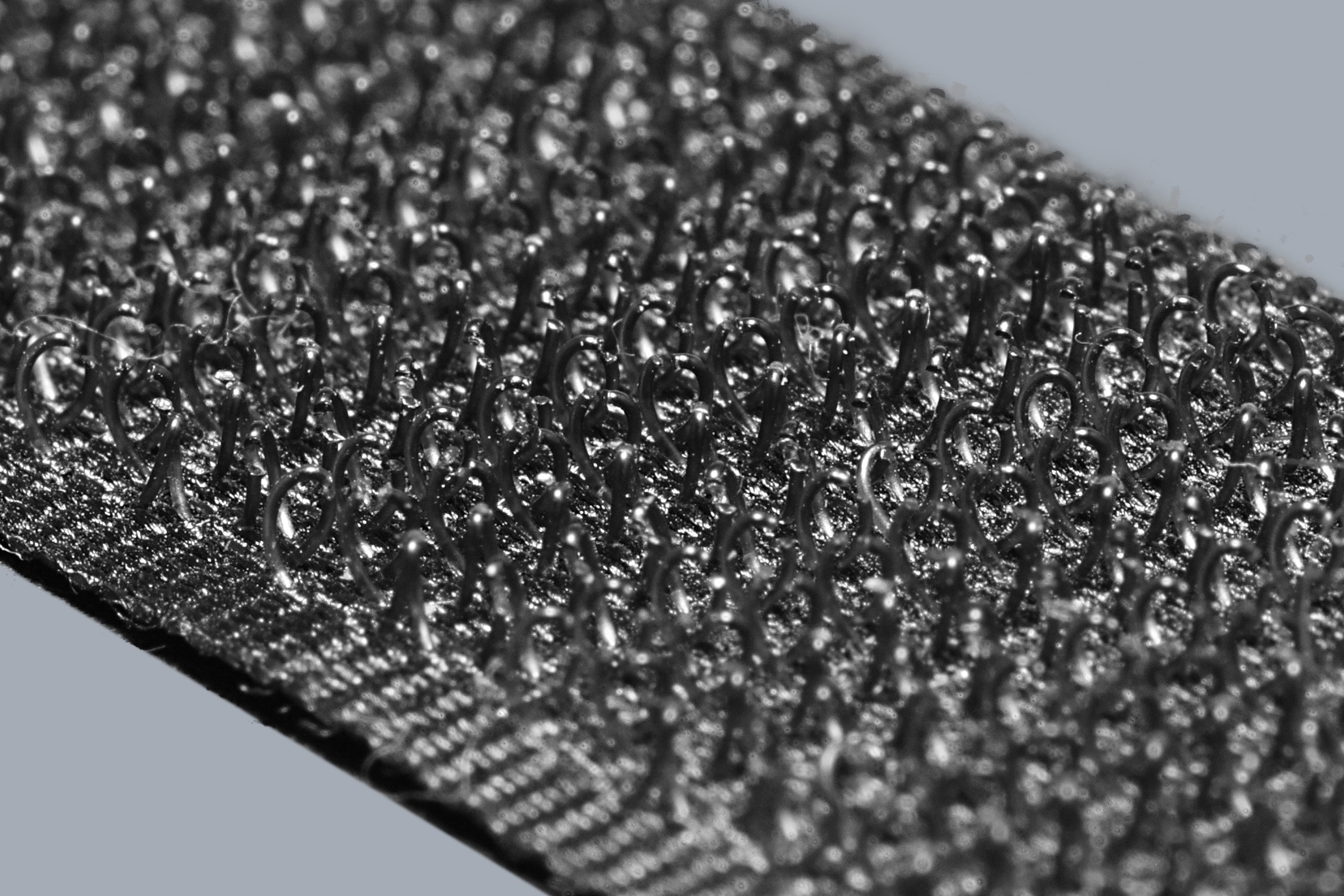
Swiss engineer George de Mestral came home from a walk in 1941 with burrs stuck to his clothes and his dog's fur. He examined the burrs under a microscope.
Each burr had tiny hooks that caught onto loops in fabric and hair. De Mestral saw a possible fastener, but turning it into a product took years of trials with materials and machinery.
He eventually patented Velcro in 1955. The name blended the French words velours and crochet, meaning velvet and hook. The inspiration came from nature; the hard work was making it manufacturable.
14. Viagra and the trial result Pfizer did not expect
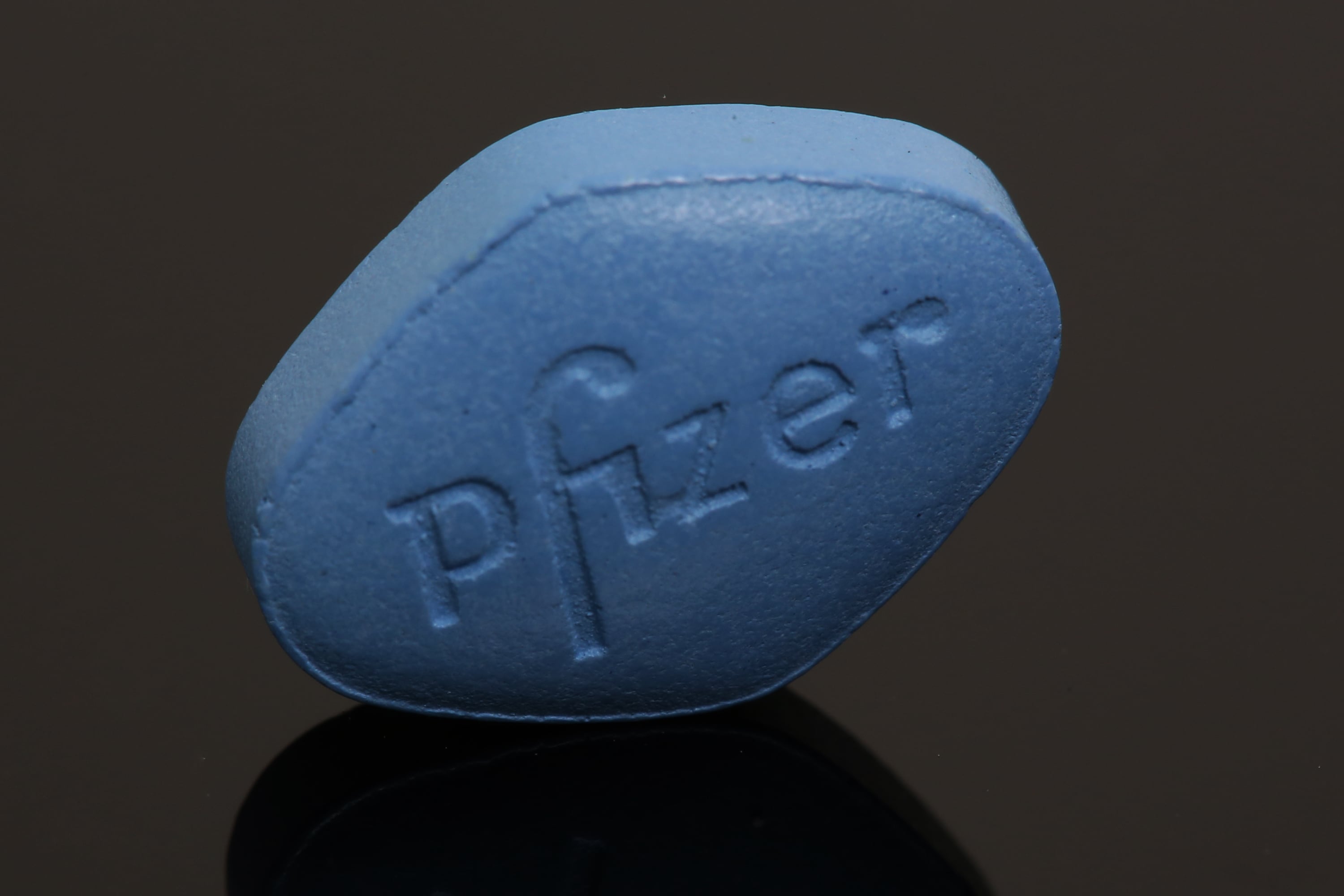
Sildenafil was initially studied as a treatment for angina, chest pain caused by reduced blood flow to the heart. It did not work well enough for that intended purpose.
During clinical trials, however, some male participants reported improved erections. Researchers treated the unexpected effect as relevant data rather than an irrelevant side note.
Pfizer developed sildenafil for erectile dysfunction, and Viagra was approved in 1998. It is a famous example of drug repurposing, where the outcome of a trial creates a new direction for treatment.
15. Botox and patients who could not stop blinking
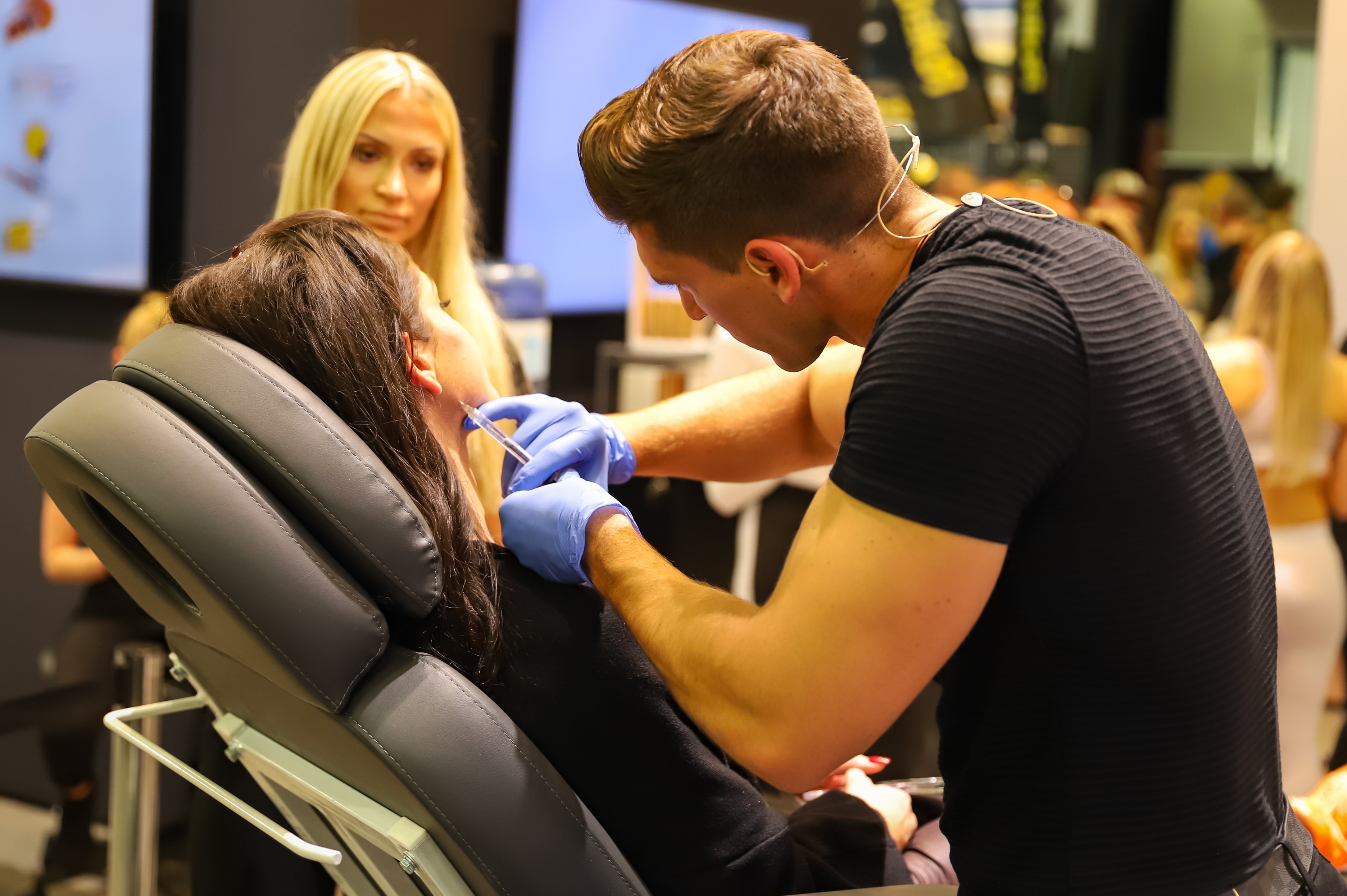
Botulinum toxin was used in medicine before it became a cosmetic product. Doctors treated conditions involving involuntary muscle movement, including blepharospasm, which can cause severe, repeated blinking.
Ophthalmologist Jean Carruthers noticed that patients treated around the eye often had softer lines between their eyebrows. Her husband, dermatologist Alastair Carruthers, recognised the cosmetic implication.
Their work helped establish Botox as an aesthetic treatment. But the origin is clinical, not cosmetic: wrinkle reduction was an observed secondary effect of treating a medical condition.
16. The pacemaker and the wrong resistor
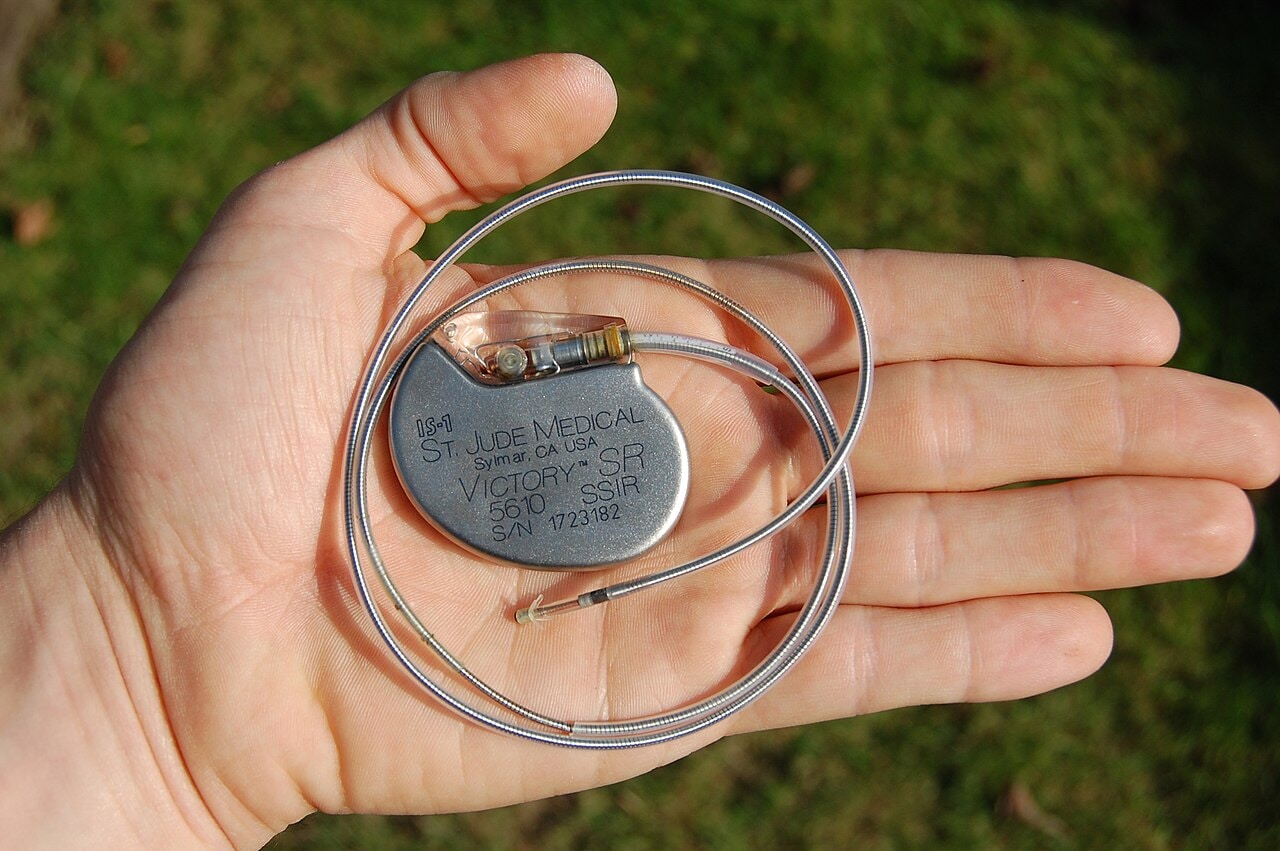
Wilson Greatbatch was working on a device intended to record heart rhythms in 1956 when he inserted the wrong resistor into the circuit. Instead of the signal he expected, the device emitted intermittent electrical pulses.
The rhythm sounded remarkably like a heartbeat. Greatbatch realised that the circuit might not merely record cardiac activity; it might help stimulate a heart that was beating irregularly or too slowly.
His work helped lead to an implantable pacemaker, with an early model implanted in a patient in 1960. A tiny component error redirected an entire medical device project.
17. Chocolate-chip cookies and chopped chocolate
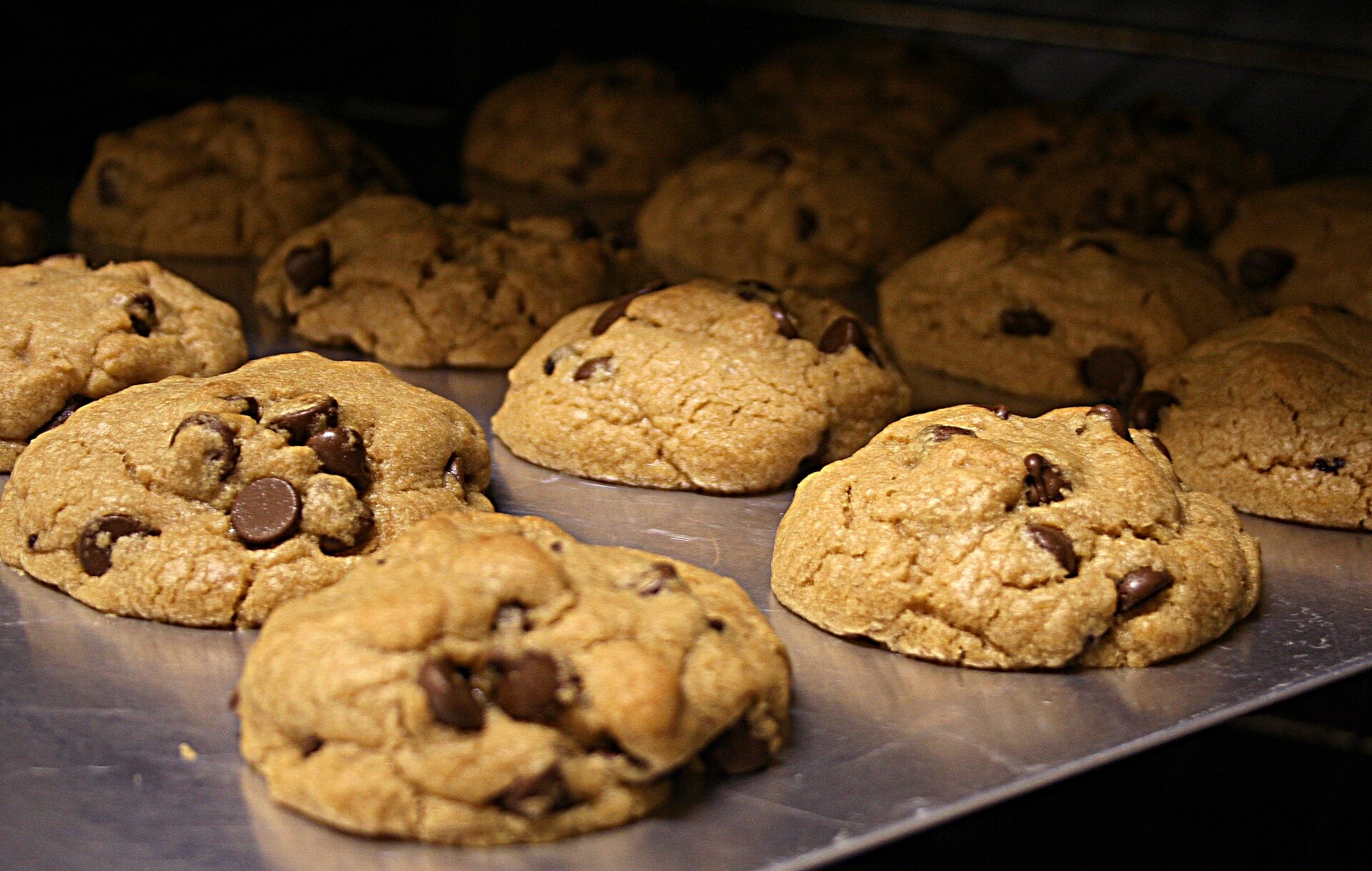
Ruth Wakefield, who ran the Toll House Inn in Massachusetts, created the cookie that became iconic in American baking. The exact details have been retold in several versions, but the central fact is that chopped semi-sweet chocolate was added to cookie dough.
Instead of melting completely into the mixture, the chocolate held its shape in soft pieces. The result was a cookie with distinct pockets of chocolate rather than a uniformly chocolate-coloured dough.
Nestlé later printed Wakefield's recipe on its packaging and began producing chocolate morsels specifically for baking. What looked like an imperfect melt became the ideal texture.
18. The Slinky and the spring that “walked”
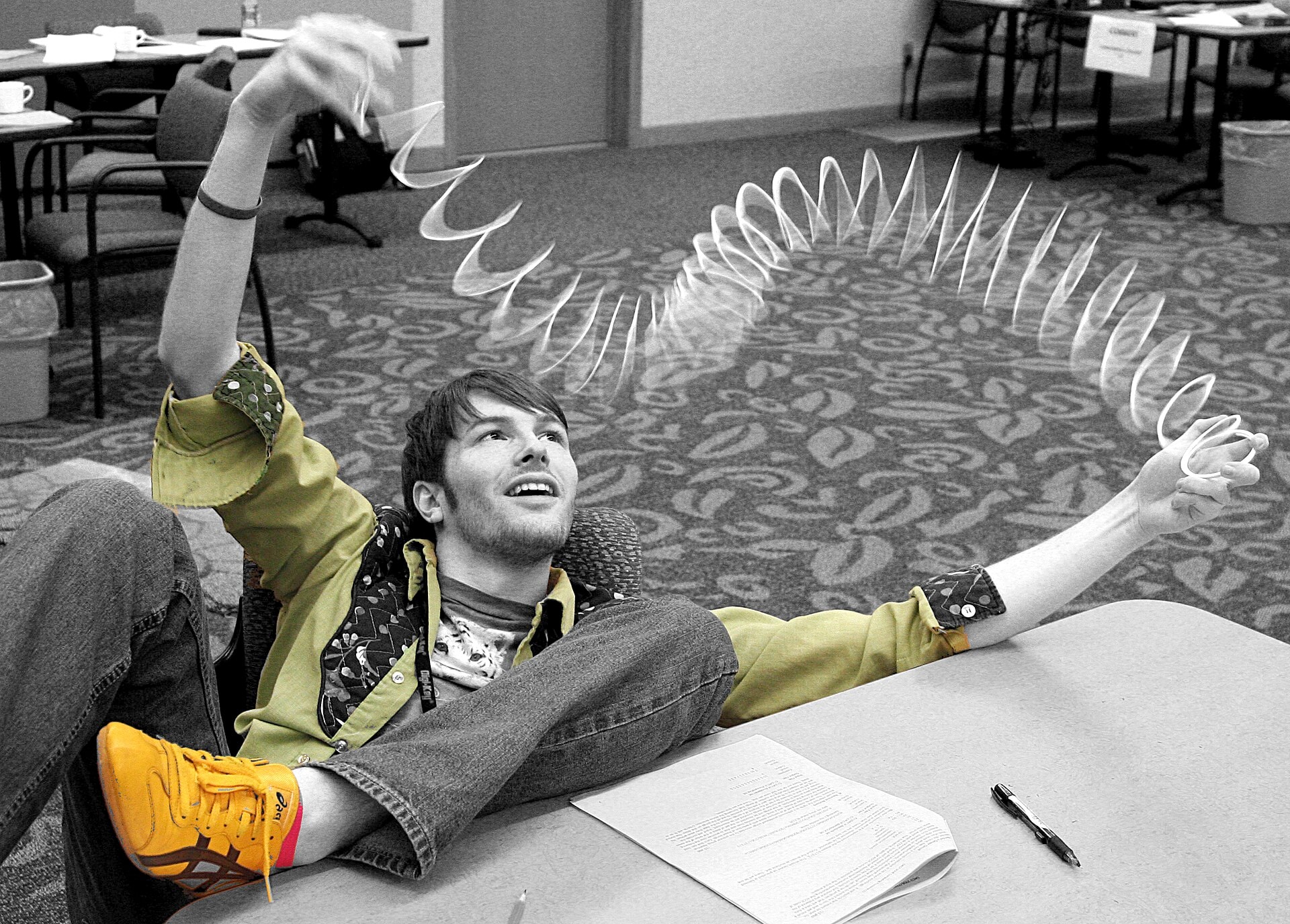
Richard James was a naval engineer working with tension springs during the 1940s. One spring reportedly fell from a shelf and appeared to move from one level to another rather than simply collapsing.
James recognised that the movement was strangely entertaining. He refined the dimensions, took the idea home and showed it to his wife, Betty James, who is credited with naming the toy.
The Slinky debuted at Gimbels department store in Philadelphia in 1945 and sold quickly. A component linked to naval equipment became a toy because of one oddly graceful fall.
19. Potato chips and an allegedly impossible customer
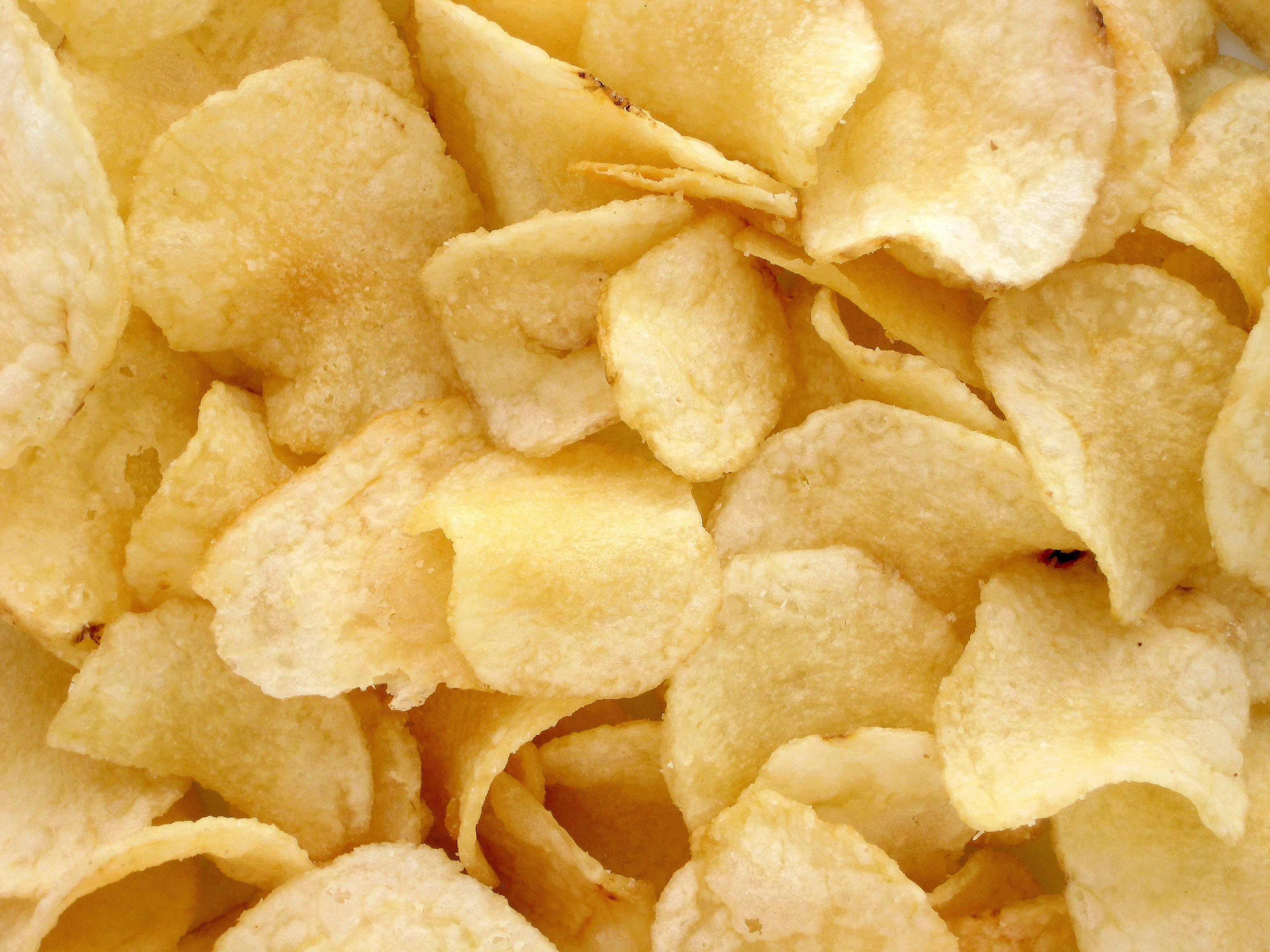
The origin story of potato chips is usually linked to George Crum at Moon's Lake House in Saratoga Springs. A customer supposedly kept sending fried potatoes back, complaining they were too thick.
Crum allegedly responded by slicing potatoes extremely thin, frying them until crisp and salting them heavily. Instead of being rejected, the new version became popular.
Some details are likely embellished, and thin fried potato recipes existed before the story. Still, Saratoga chips became a famous local speciality before evolving into the packaged snack eaten worldwide.
20. The Popsicle and one very cold night
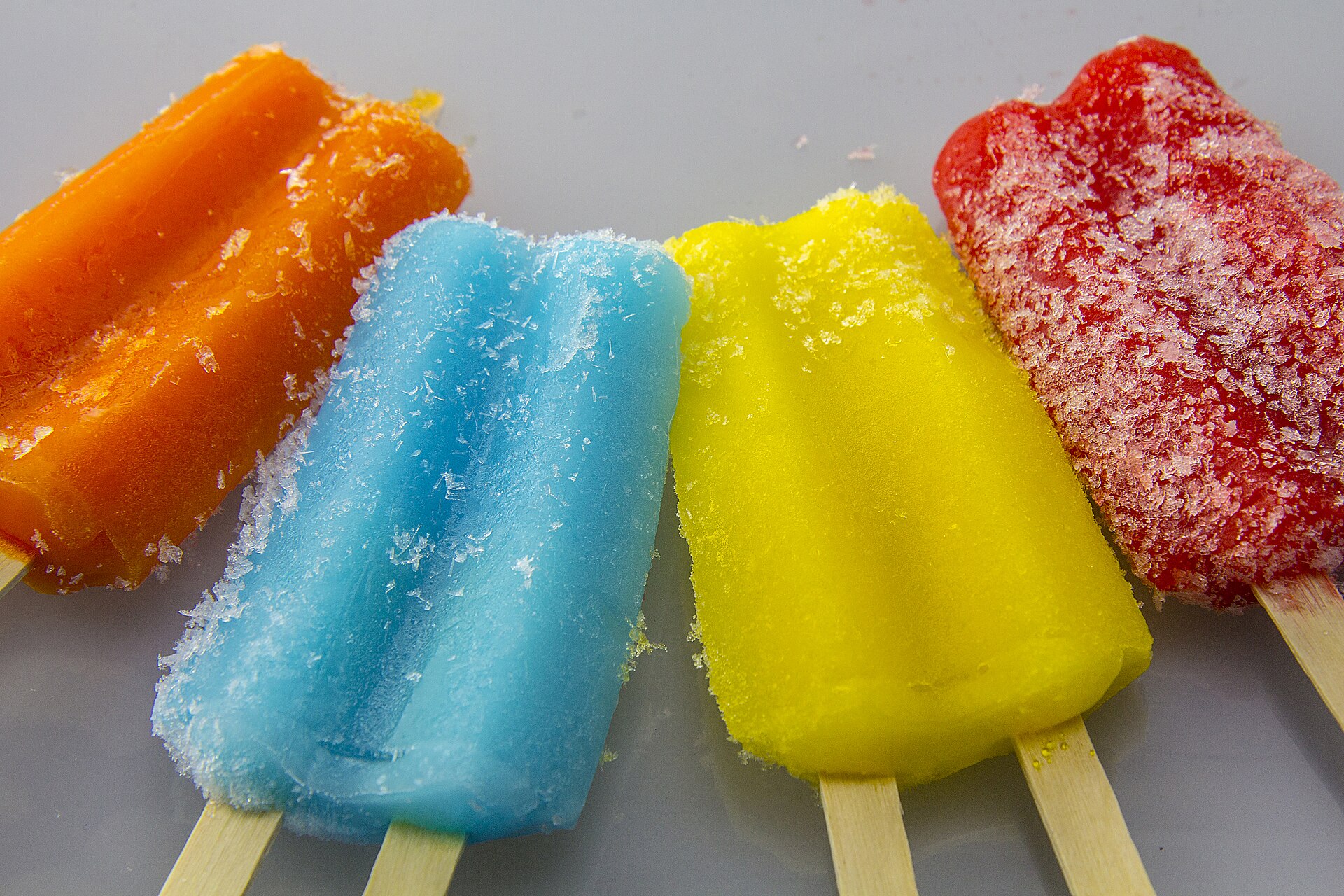
Frank Epperson was 11 years old when he left a powdered drink mixture outside overnight in San Francisco in 1905. A stirring stick remained in the cup.
The temperature dropped low enough to freeze the sweet liquid around the stick. Years later, Epperson began serving the treat to his children, who reportedly called it “Pop's sicle.”
He patented the invention in 1924 as the Epsicle, though Popsicle became the name that stuck. The original mistake was simply forgetting to bring in a drink.
21. Vaseline and the oil-rig residue
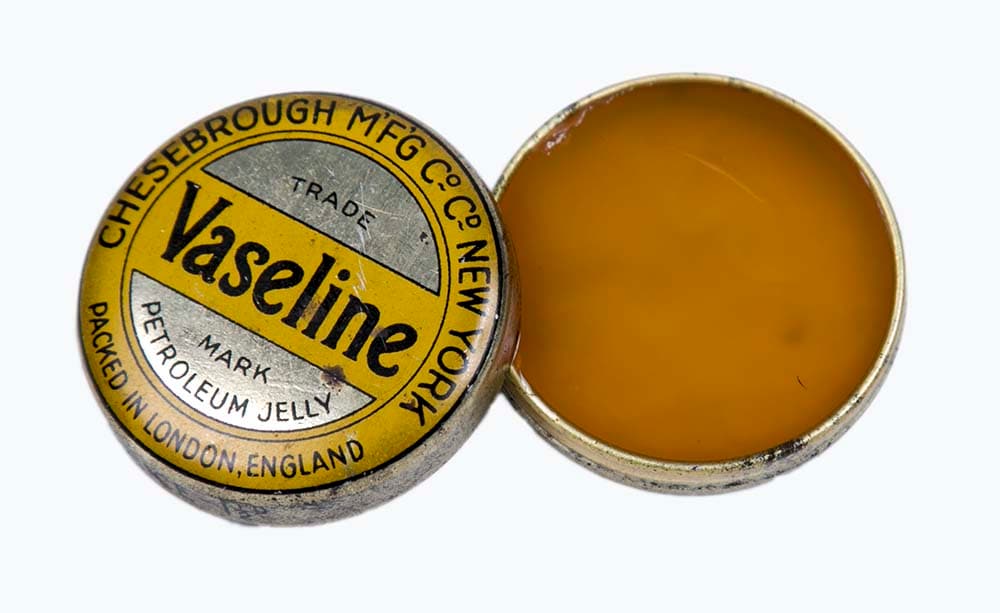
Before petroleum jelly became a familiar ointment, it was a waxy residue known as rod wax. It collected on oil-well equipment in Pennsylvania and had to be scraped away by workers.
Workers reportedly used it on cuts and burns, which caught the attention of chemist Robert Chesebrough. He refined the material, tested it and began selling it as Vaseline.
The product succeeded because Chesebrough saw a consumer use in an industrial nuisance. The residue itself was not the invention; purification, packaging and a new purpose made it a household product.
22. Radioactivity and the rainy-day experiment
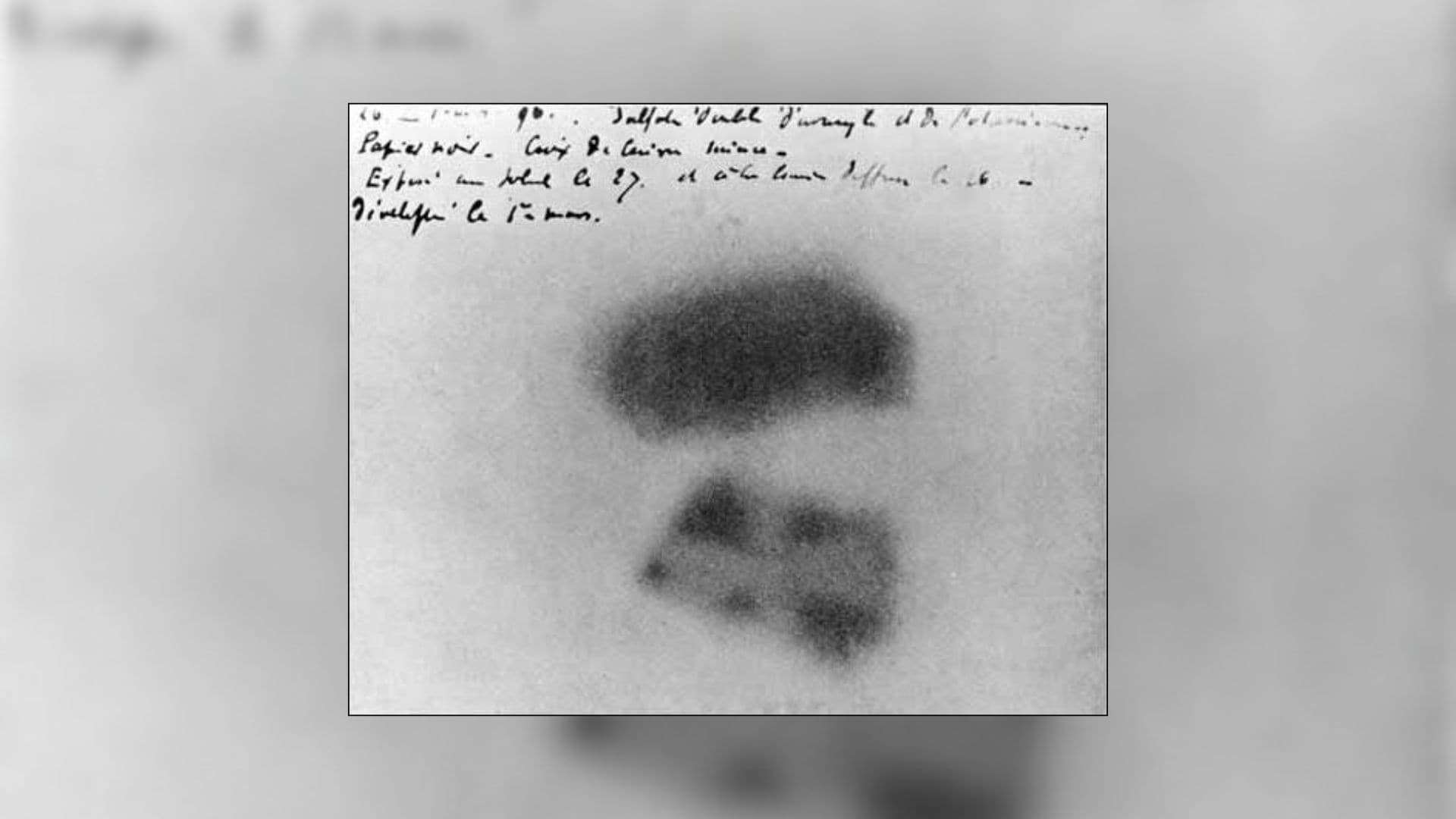
Henri Becquerel was investigating fluorescent materials after Röntgen's discovery of X-rays. He expected sunlight to activate uranium salts placed on photographic plates wrapped in black paper.
Cloudy weather interrupted the experiment, so Becquerel stored the materials in a drawer. When he developed the photographic plates later, they had been exposed despite receiving no sunlight.
The uranium had emitted radiation on its own. Becquerel's accidental result led to the discovery of radioactivity, opening the door for the work of Marie and Pierre Curie.
23. Coca-Cola and Atlanta's prohibition law
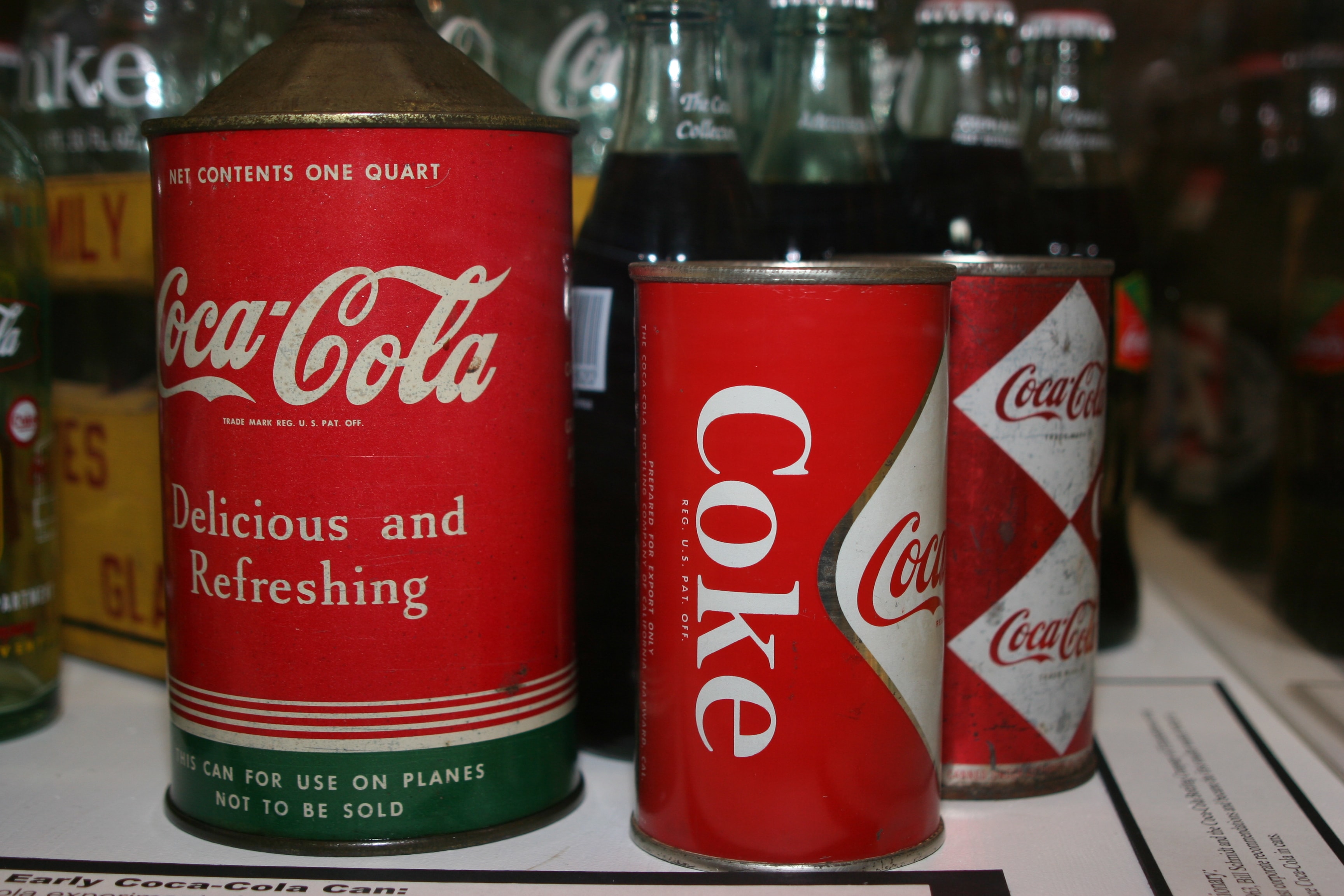
John Stith Pemberton's original coca drink was a wine-based tonic sold with the kind of medicinal claims that were common in the nineteenth century. It was not yet the soft drink recognised around the world.
When Atlanta introduced prohibition in 1886, Pemberton needed a non-alcoholic alternative. He replaced the wine with a syrup base and had it mixed with carbonated water at Jacobs' Pharmacy.
Frank M. Robinson, Pemberton's bookkeeper, suggested the name Coca-Cola and wrote it in the distinctive script still associated with the brand. It was a product adaptation driven by law, not a laboratory mishap.
24. Corn Flakes and the batch left too long
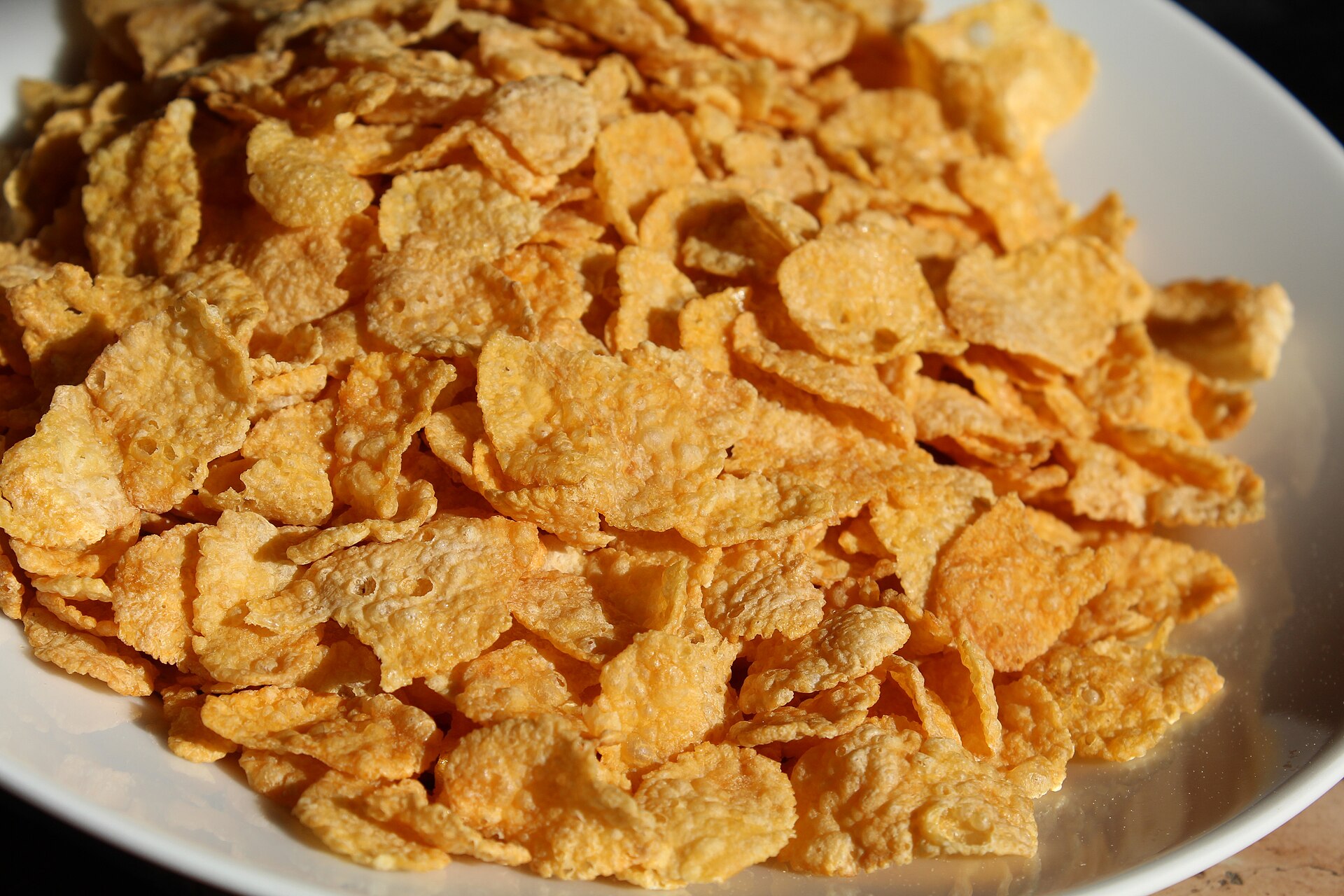
John Harvey Kellogg and Will Keith Kellogg were working at the Battle Creek Sanitarium, developing bland foods for patients. In the 1890s, a batch of cooked wheat was accidentally left sitting out.
When the brothers later ran it through rollers, the grains flattened into separate flakes rather than a smooth sheet. Toasting the flakes made them crisp.
Their first product was wheat-based, but Will Keith Kellogg later found that corn made a more popular version. The accidental process turned into Corn Flakes and eventually helped create the Kellogg Company.
25. Fireworks and the failed search for immortality

Chinese alchemists experimenting with saltpetre, sulphur and charcoal were reportedly searching for substances that could prolong life. Instead, they discovered an early form of gunpowder.
The mixture was dangerous. Historical accounts describe burned hands, faces and homes, an early warning that this was not a harmless laboratory curiosity.
Gunpowder later went into bamboo and paper tubes, developing into firecrackers, rockets and fireworks. The outcome was not one simple invention: it became a technology of celebration, warfare, spectacle and destruction.
26. The artificial heart valve and silicone rubber
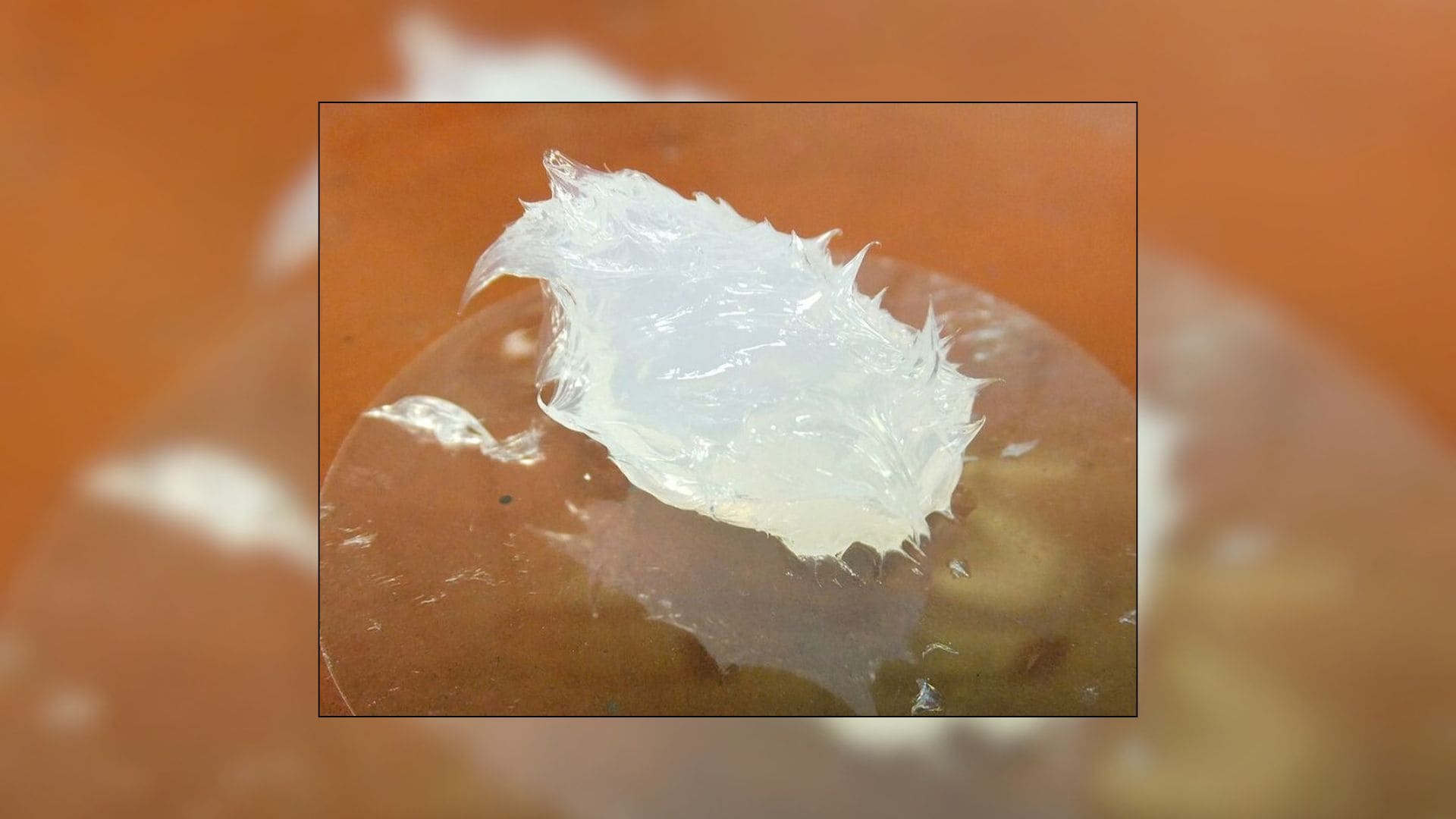
In the 1950s, engineers and doctors searching for materials that could work inside the human body found that certain silicone rubbers behaved more reliably than many available alternatives. Early materials often failed because they stiffened, cracked or triggered damaging reactions.
Silicone's flexibility and relative stability made it useful for medical-device research. These properties helped engineers develop components for implants, tubing and later a range of healthcare applications.
This was not one single “oops” moment. It belongs in the larger story of failed materials testing: many substances did not work inside living bodies, but each failure clarified what a safer and more durable option needed to do.
27. Minoxidil and the blood-pressure side effect
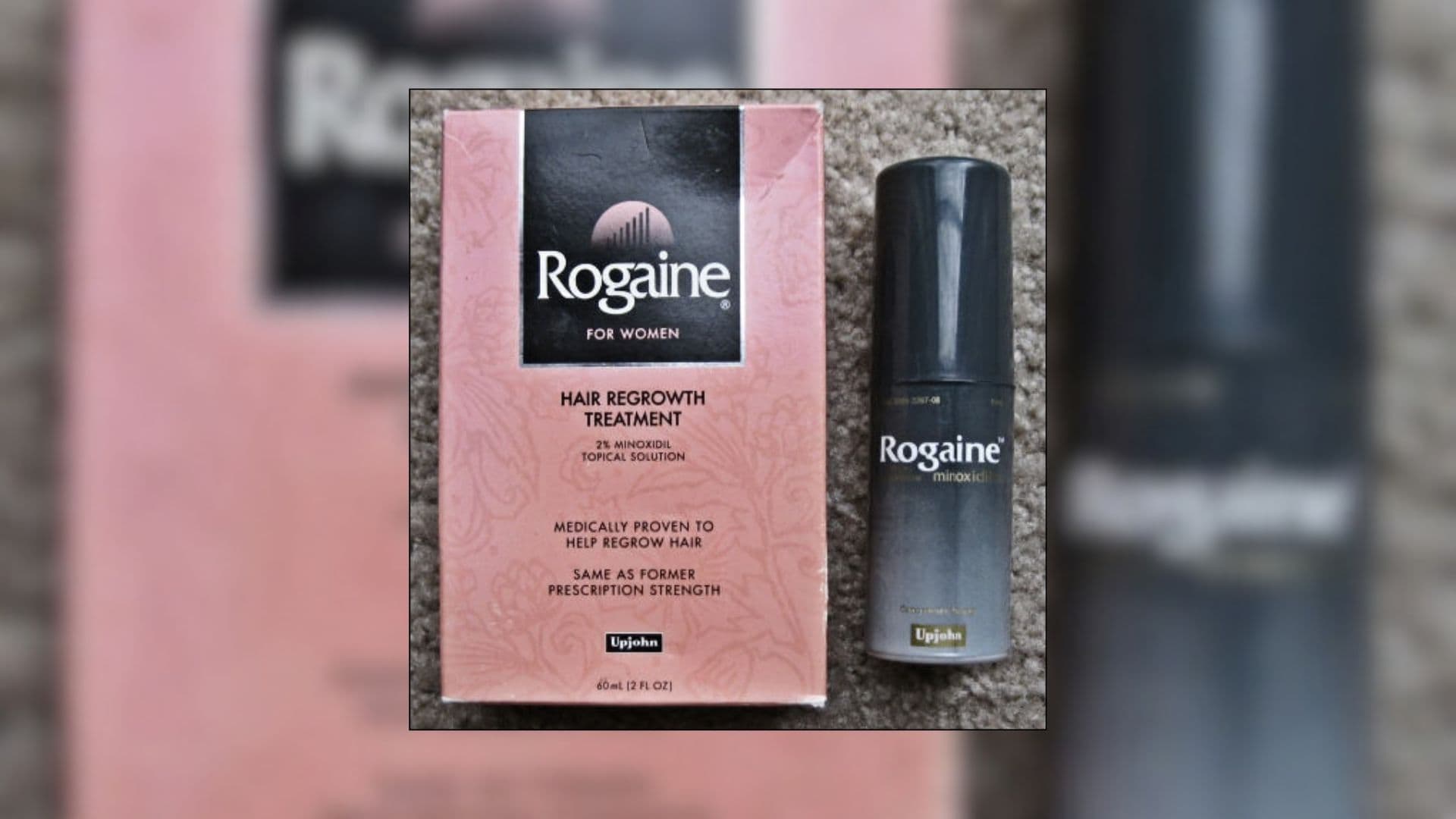
Minoxidil began as an oral medicine for high blood pressure. It worked by widening blood vessels, but doctors noticed an unexpected effect in some patients: increased hair growth.
That side effect became the subject of new research. Scientists investigated whether topical minoxidil could help people with particular forms of hair loss.
The result was a treatment later marketed as Rogaine. The original drug was not a failure; it simply revealed a second use that became useful in a different medical context.
28. MSG and the question of why seaweed broth tasted so good
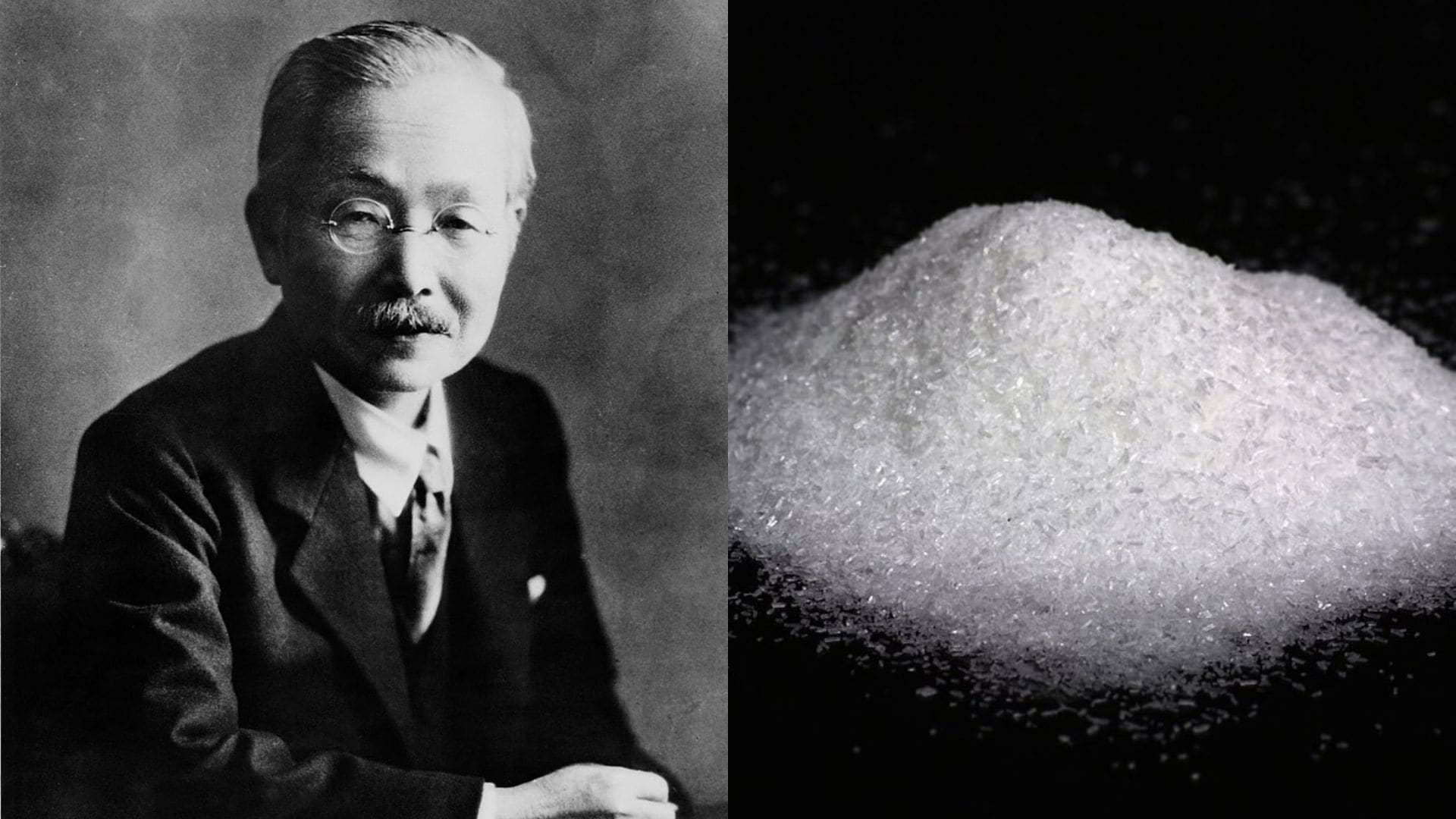
Japanese chemist Kikunae Ikeda was curious about the savoury depth of kombu broth. It did not seem to fit cleanly into the familiar categories of sweet, sour, salty or bitter.
In 1908, he isolated glutamic acid from seaweed and identified it as the source of the flavour. He called the taste umami.
Ikeda's work led to monosodium glutamate, or MSG, as a seasoning. The story began with a very ordinary food question: why does this broth taste fuller and more satisfying than its ingredients appear to suggest?
29. Cyclosporine and a soil sample from Norway
In 1969, a Norwegian scientist collected a soil sample during a holiday in the Hardanger region. The sample contained a fungus later identified as Tolypocladium inflatum.
Scientists at Sandoz investigated compounds from the fungus, initially looking for antimicrobial activity. The most important effect turned out to be immunosuppression.
Cyclosporine helped transform organ transplantation by reducing the risk of rejection. The starting point was modest: an overlooked soil sample that contained a fungus with an extraordinary biological property.
30. Bakelite and the resin that would not behave
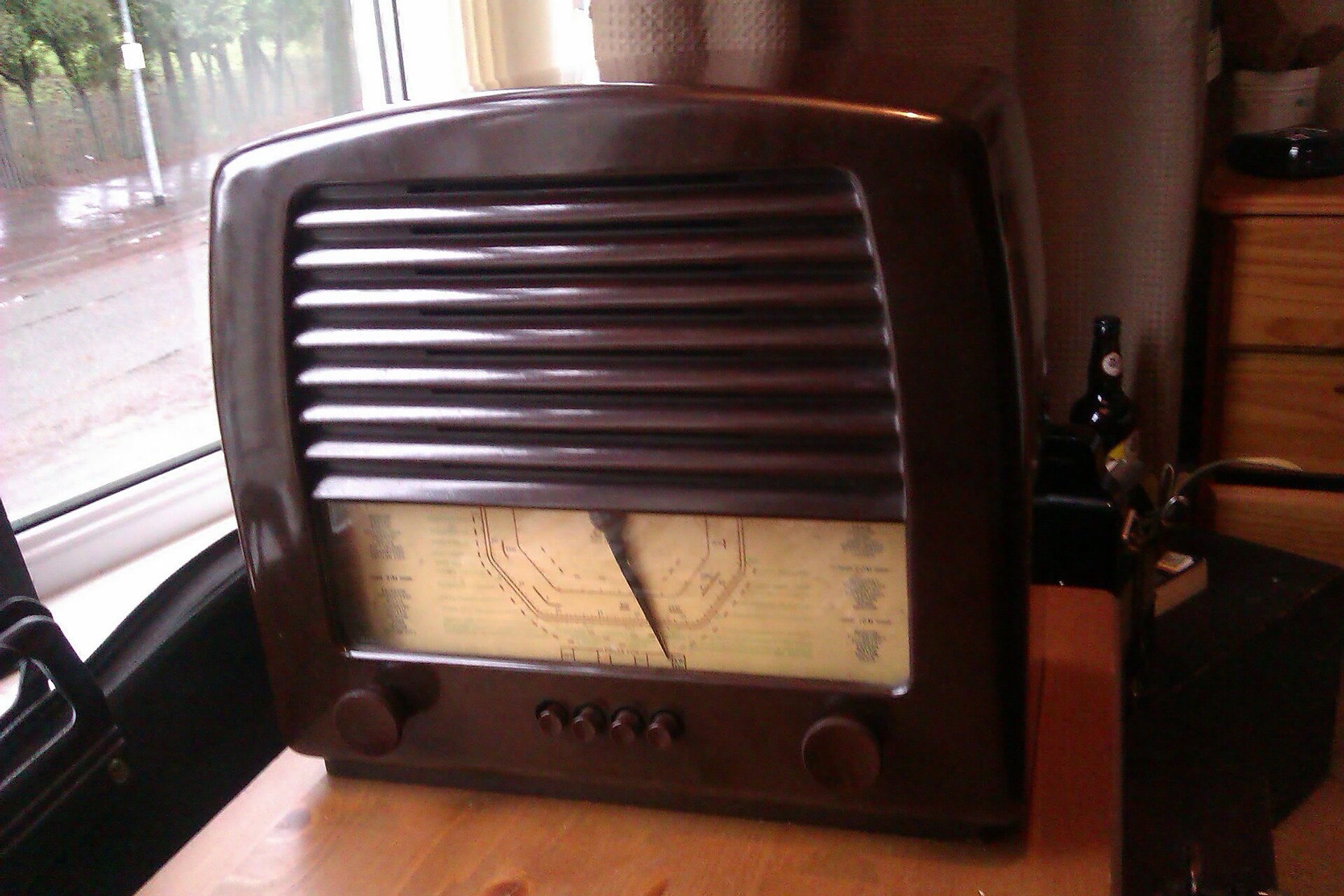
Leo Baekeland was looking for a synthetic substitute for shellac, a natural resin used in insulation and coatings. He worked with phenol and formaldehyde, but the reactions could produce hard, stubborn resin rather than the neat material he had hoped for.
Instead of treating the hardened mass as waste, Baekeland learned how to control it under heat and pressure. In 1907, he patented Bakelite.
Bakelite became one of the first widely used synthetic plastics. It appeared in telephones, radios, electrical fittings, jewellery and kitchenware, helping begin the modern age of consumer plastics.
31. The fungal contamination that became vancomycin
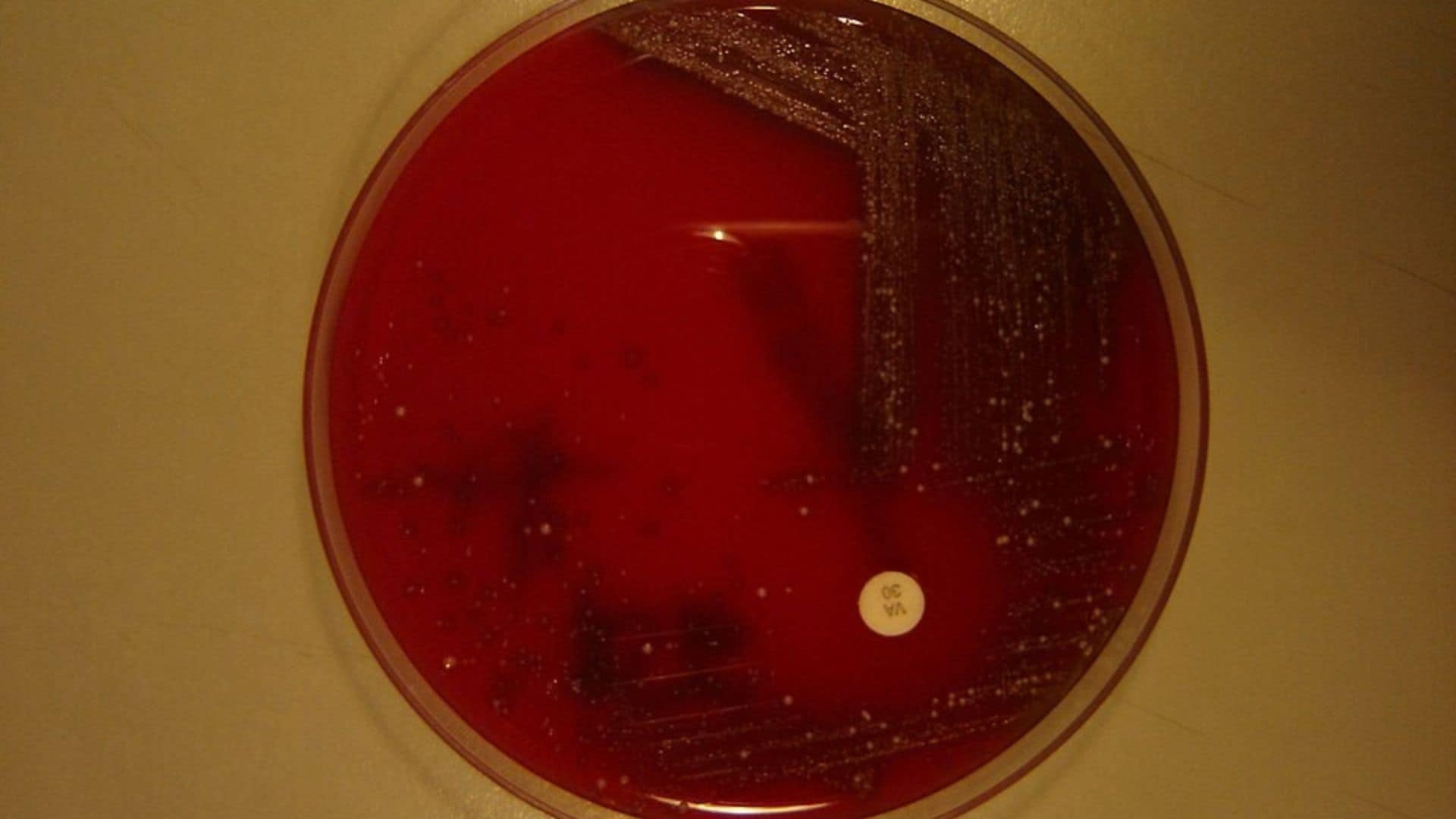
A contaminated culture in the late 1940s led researchers to a microorganism that produced a powerful antibacterial substance. The organism was later identified as Streptomyces orientalis.
The compound became vancomycin, an antibiotic important in treating serious infections, particularly when other drugs cannot be used or fail to work. Early batches were impure enough to earn the nickname “Mississippi mud.”
The contamination was only the beginning. Scientists had to isolate the organism, purify the compound, test it and establish how it could be used safely. The mistake opened a door; research made it medicine.
32. Instant photography and a child's impatient question
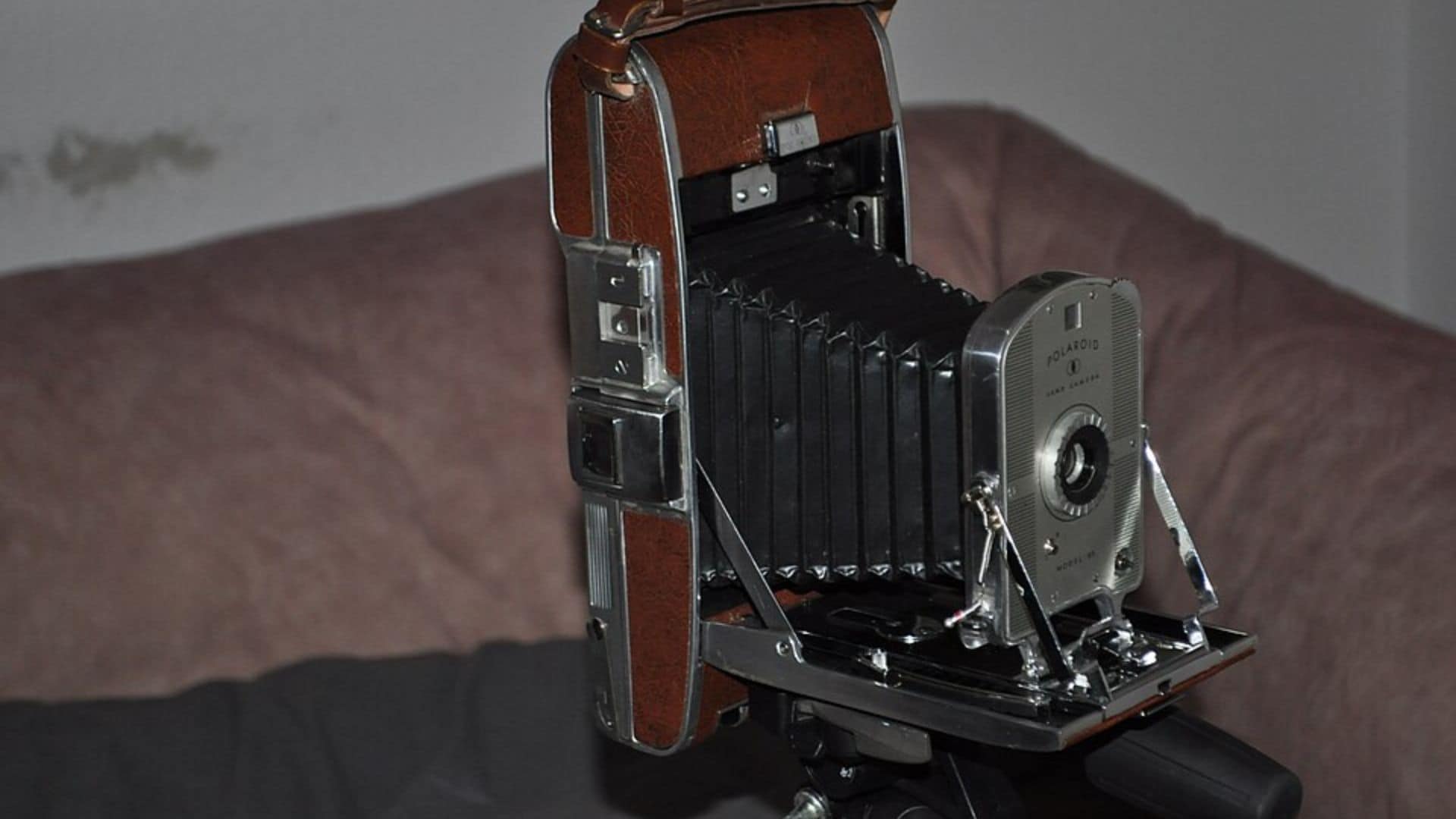
Edwin Land was taking photographs with his young daughter in 1943 when she asked why she could not see the picture immediately. Conventional cameras worked perfectly well, but they required film development and waiting.
Land treated her question as a design problem. He began developing a system that could produce and process the image inside the camera.
The first Polaroid Land Camera was demonstrated in 1947. It was not born from a failed experiment, but from dissatisfaction with the delay built into existing photography.
33. Thalidomide and the limits of drug repurposing
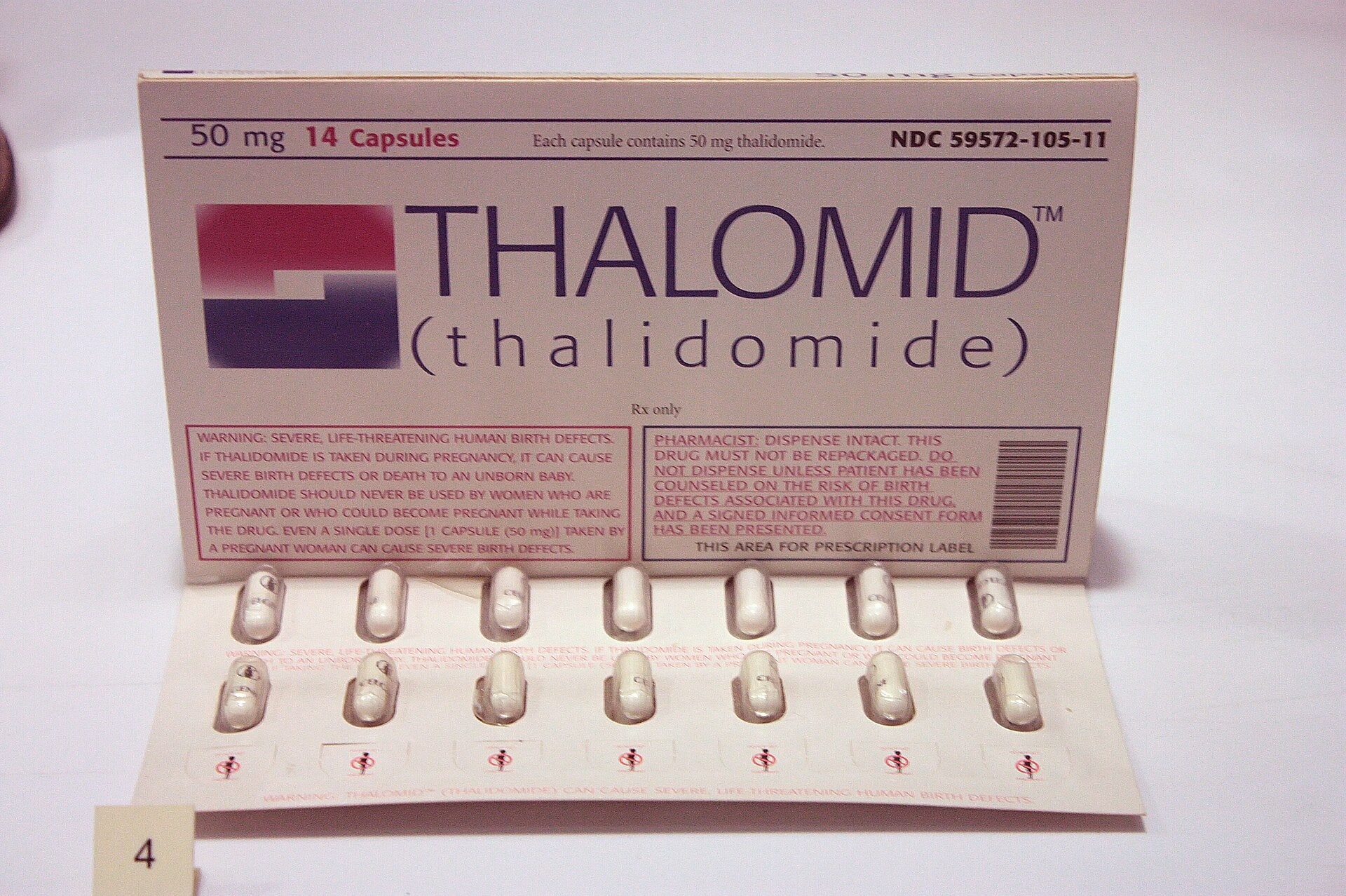
Thalidomide is not a cheerful invention story. Marketed in the late 1950s as a sedative and morning-sickness treatment, it caused severe birth defects when used during pregnancy.
Its later medical use shows why drugs require careful, continuing research. Under strict restrictions, thalidomide has been used for erythema nodosum leprosum, a painful inflammatory complication of leprosy, and in certain cancer treatments.
Repurposing does not undo the devastation caused by its original use. The story belongs here only as a warning: an unexpected medical effect can be useful, but safety, regulation and transparent risk communication are not optional.
34. Synthetic rubber and the search for a substitute
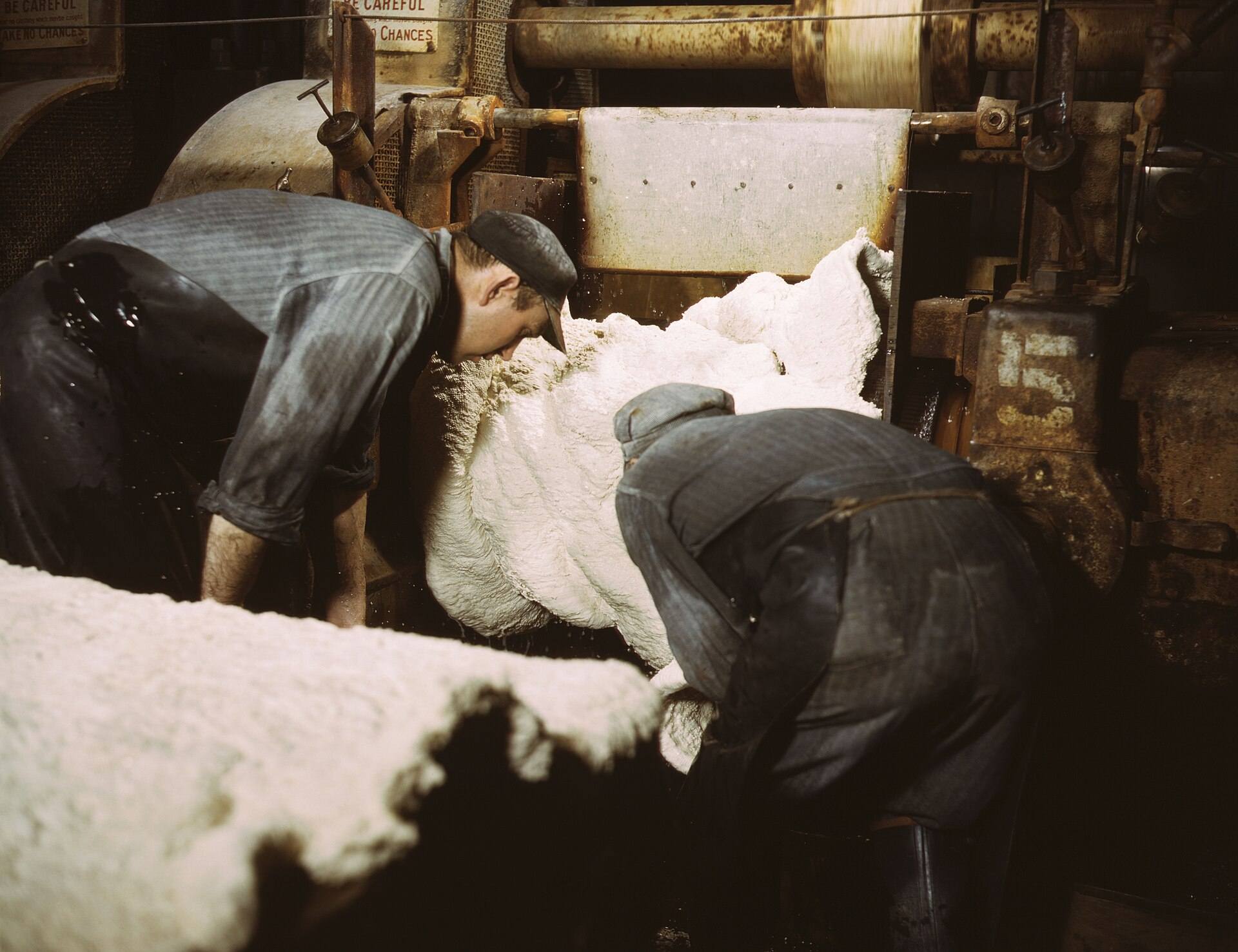
Natural rubber was strategically important for tyres, military equipment and industrial goods, but its supply was vulnerable. Chemists spent decades trying to create artificial alternatives that were flexible, durable and practical.
Many early materials did not behave enough like natural rubber. They cracked, weakened or could not handle real-world conditions. The progress came through repeated failed formulations rather than one clean discovery.
By the twentieth century, synthetic rubber had become essential to transport and manufacturing. It is a reminder that invention often looks like a long chain of near-misses before a workable material emerges.
35. Ice cream cone and the day the dishes ran out
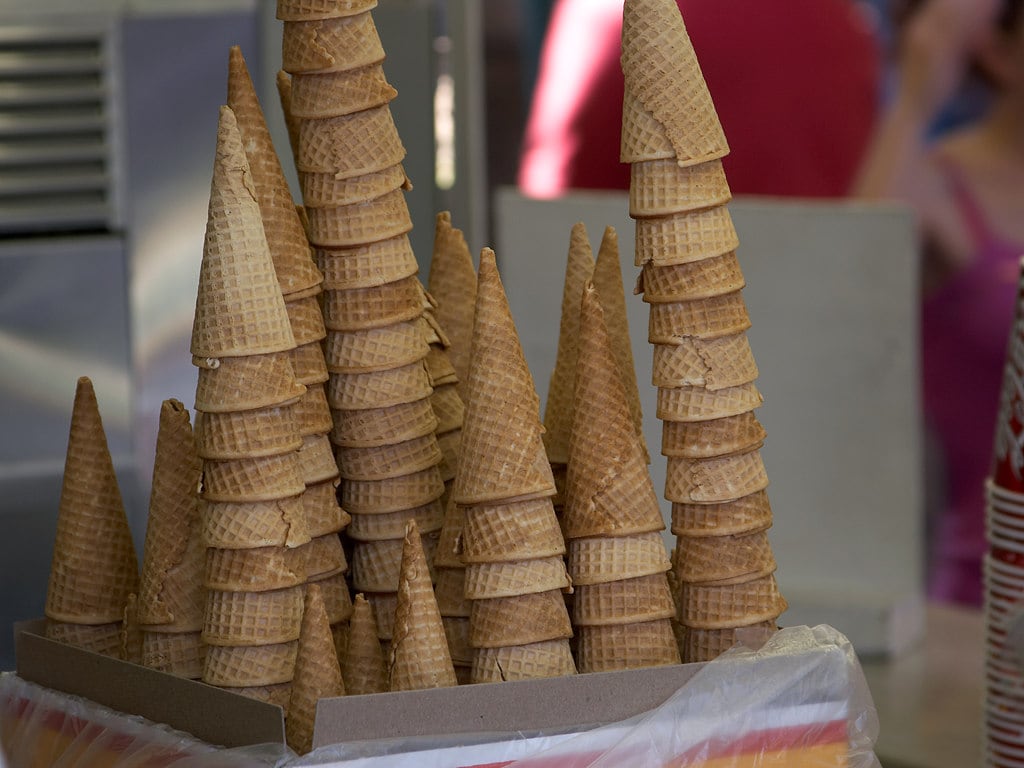
The ice cream cone took off at the 1904 World's Fair in St. Louis. The best-known story says vendor Ernest Hamwi stepped in when a nearby ice cream seller ran out of dishes.
Hamwi rolled one of his thin waffles into a cone and added ice cream. People loved it, and other sellers soon followed.
Hamwi may not have invented the cone. Others claimed credit, and edible ice cream cups already existed. What the fair did was help turn a simple workaround into something people still love today.
36. Chewing gum and the rubber experiment that went nowhere
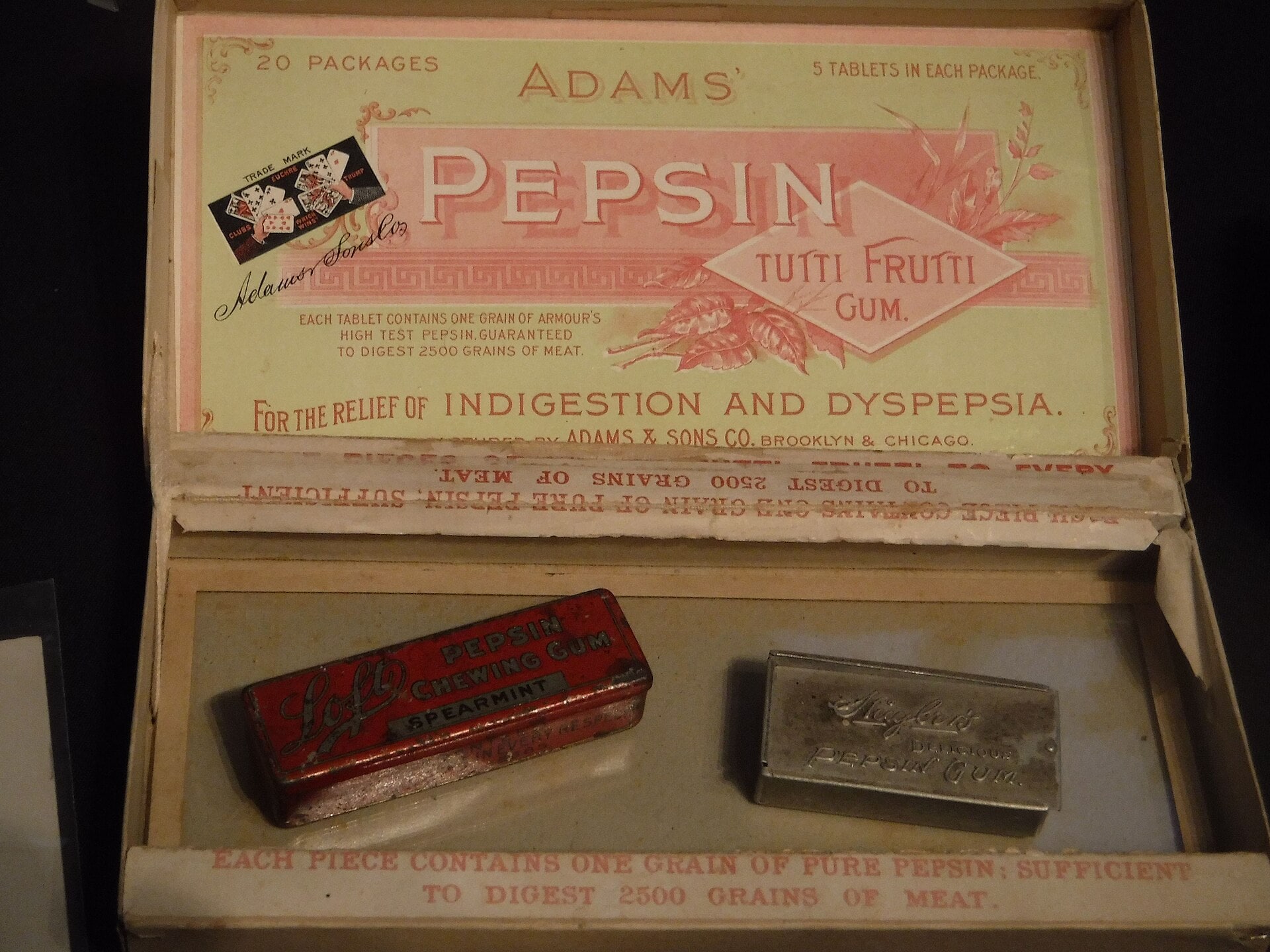
Thomas Adams was trying to turn chicle, a natural tree sap, into a cheap substitute for rubber. His experiments kept failing.
Instead of throwing the chicle away, Adams tried chewing it. He and his sons eventually turned it into a softer, chewier gum, and the first batch reportedly sold out within hours.
The rubber idea never worked. The failed material simply turned out to be much better at something else.
37. Matches and the scrape that started a fire
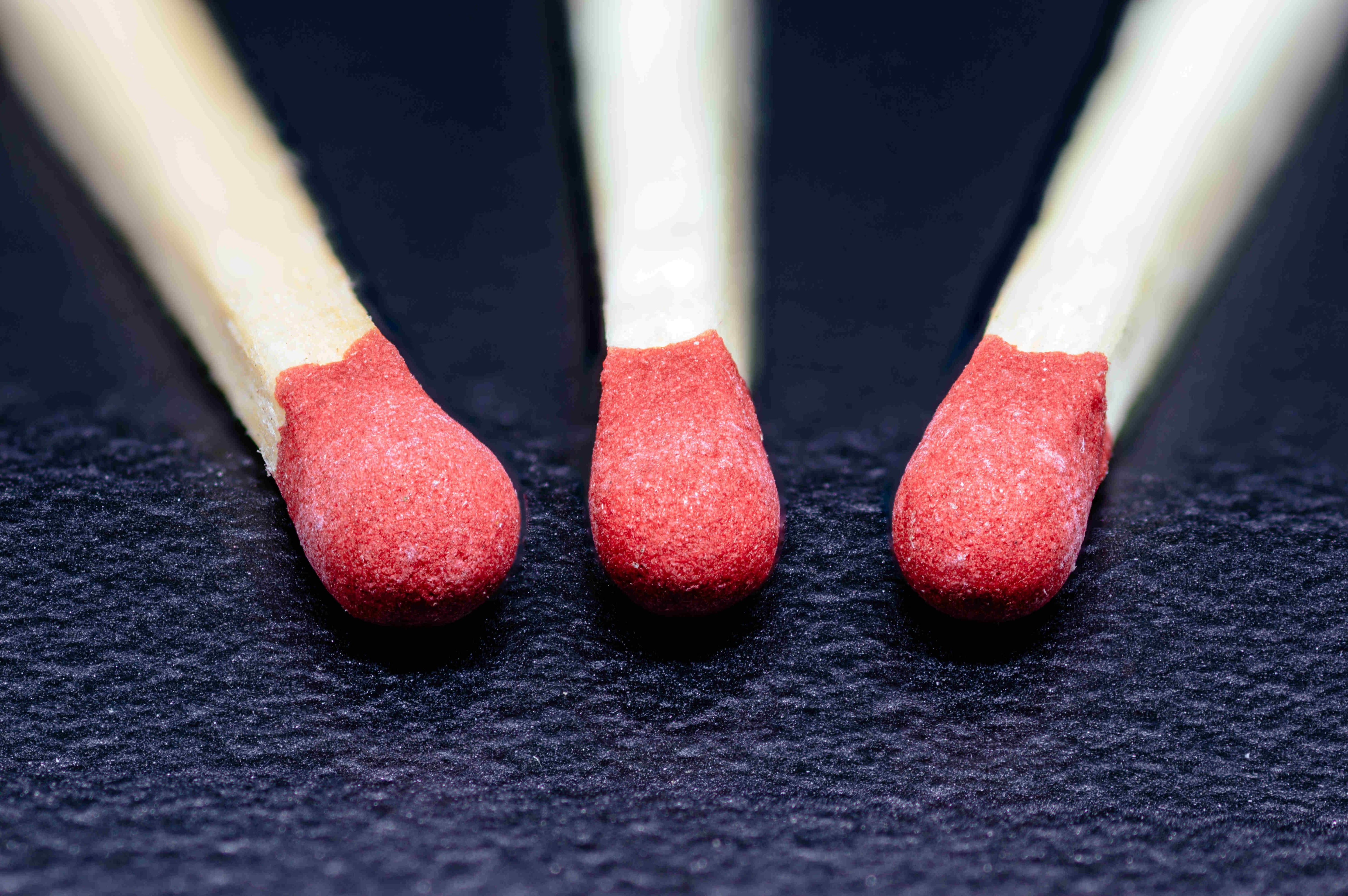
John Walker was trying out chemical mixtures in 1826 when some dried onto the end of a wooden stick. He scraped it across the floor to remove it, and the stick burst into flame.
Walker realised the mixture could be ignited by friction. He began coating more sticks and, by 1827, was selling his “Friction Lights” with sandpaper for striking them.
A bit of dried chemical that seemed like a mess became a much easier way to make fire.
38. Frisbee and the pie tins students could not stop throwing

Before the Frisbee was a toy, college students were already tossing empty Frisbie Pie Company tins for fun. The flying tins even came with a warning: “Frisbie!”
Years later, Walter Morrison saw the potential in making a disc designed to fly. His plastic versions eventually caught the attention of toy company Wham-O, which bought the rights in 1957.
A discarded pie tin had already proved the game was fun. Morrison simply gave people something better to throw.
39. Safety pin and the $15 debt behind it
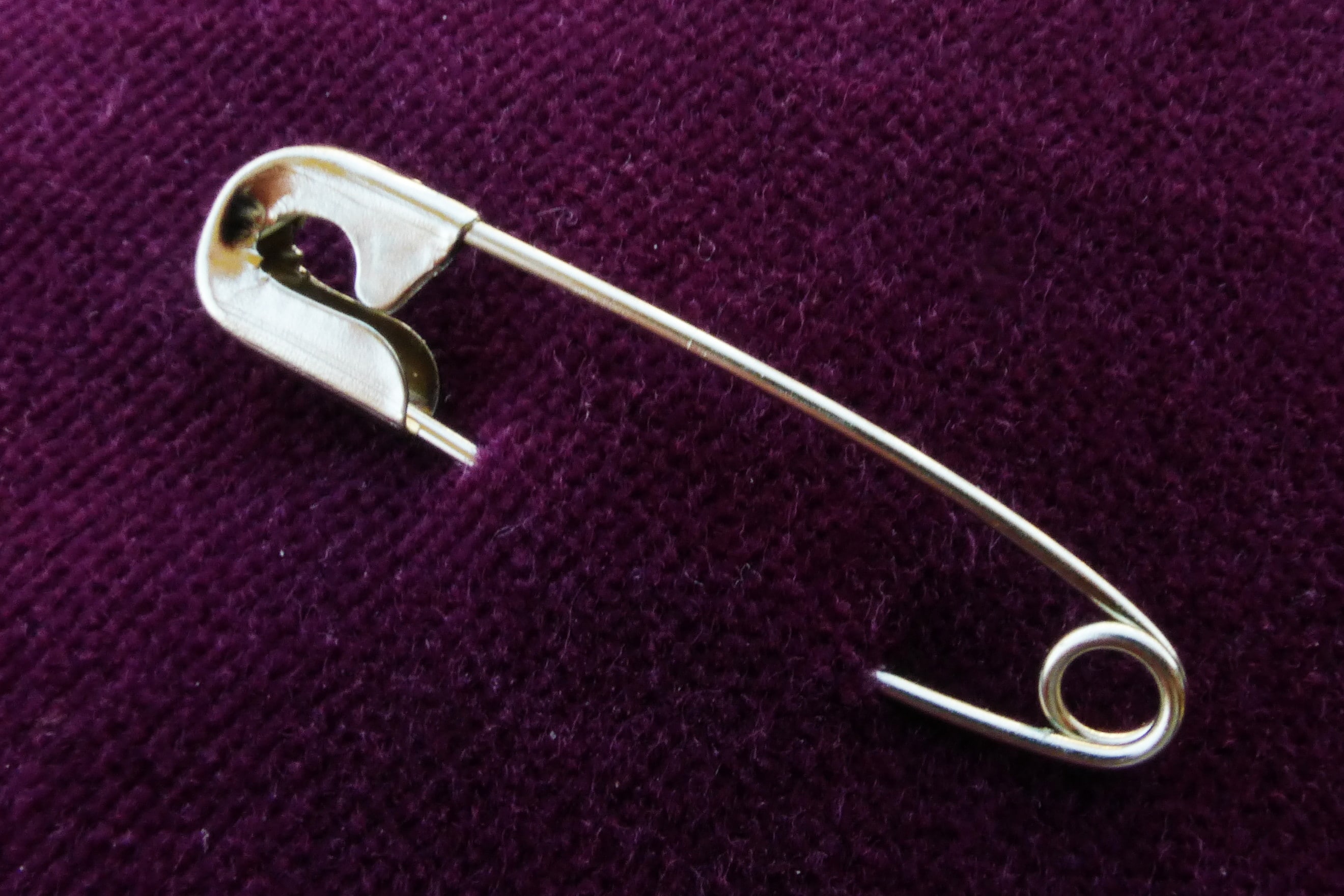
Walter Hunt was trying to think of a way to repay a $15 debt when he started fiddling with a piece of brass wire. After a few hours, he had twisted it into something surprisingly useful.
His 1849 design added a springy coil and a clasp that covered the sharp point. Hunt patented the safety pin, then sold the rights for $400.
The debt was paid. The little invention he came up with to cover it lasted far longer.
40. Smoke detectors and the cigarette that set one off
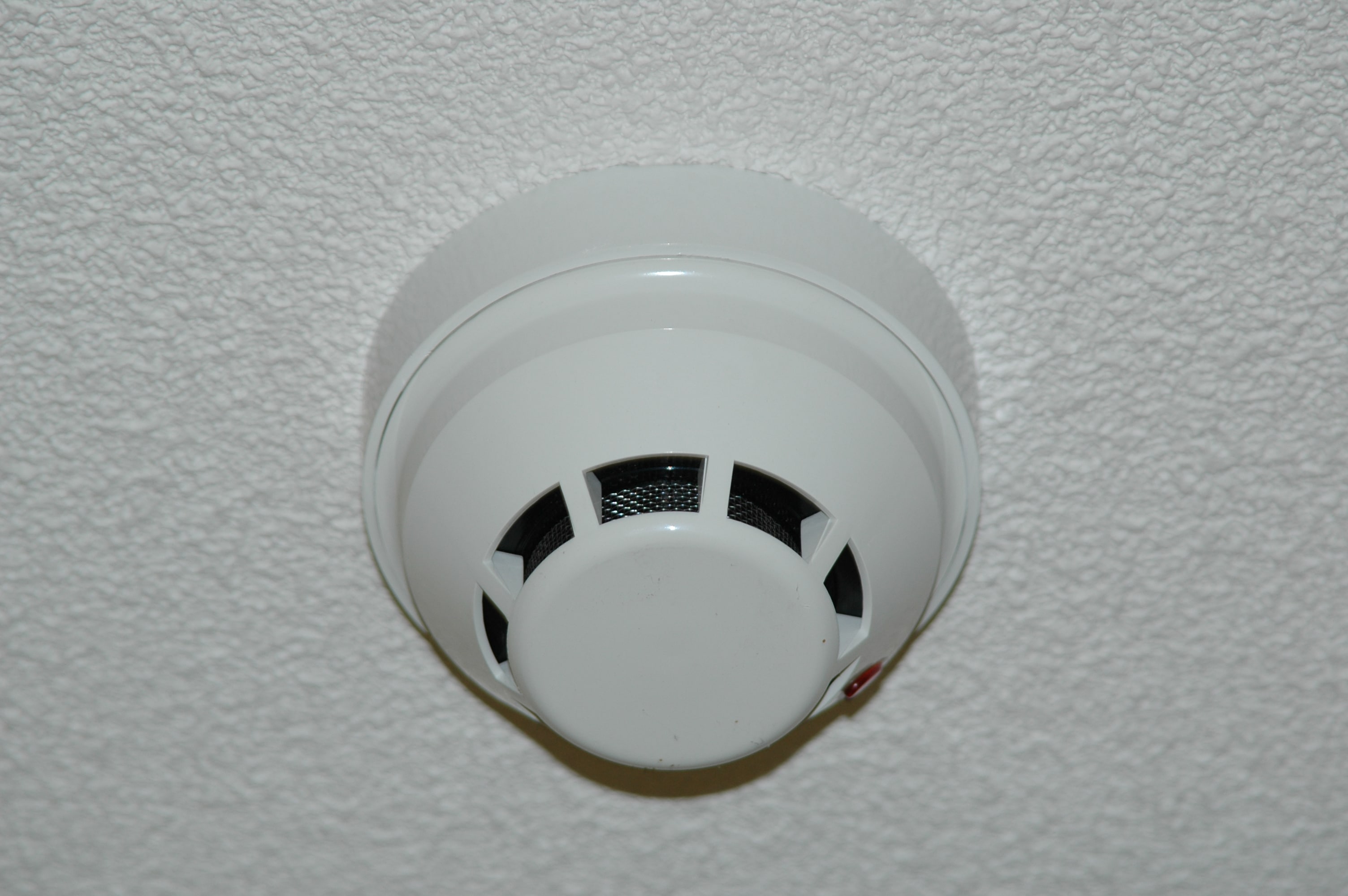
In 1963, a technician at Statitrol blew cigarette smoke toward an ion generator. A nearby detector suddenly reacted.
Engineers realized that if it could detect cigarette smoke, it could also warn people about smoke from a house fire. The observation eventually helped lead to a practical battery-powered home smoke detector.
A cigarette in the lab triggered more than a sensor. It helped point engineers toward a device that would go on to save lives.
Track Latest News Live on NDTV.com and get news updates from India and around the world


