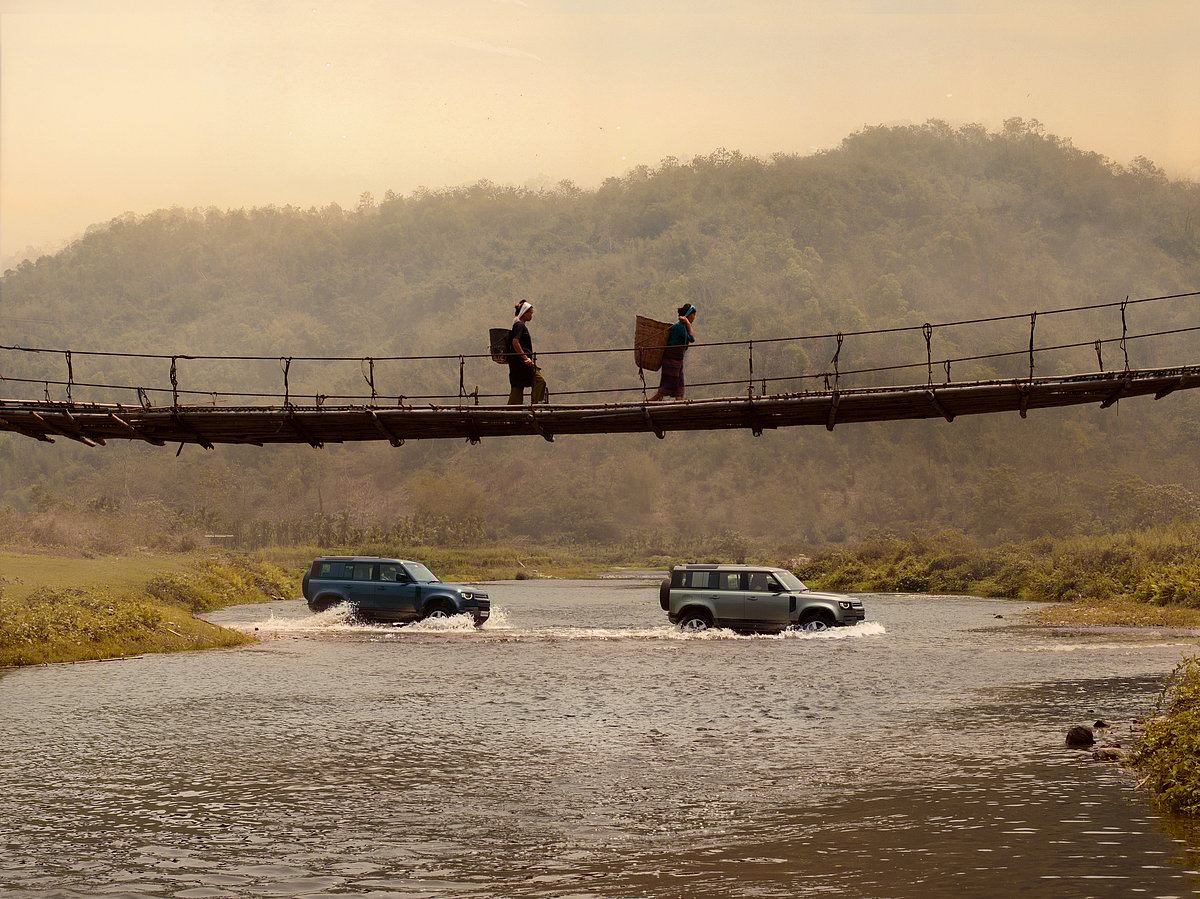
Most people visiting Jim Corbett never hear about Rathuadhab. They book resorts in Ramnagar, do their safari in Dhikala, spot maybe a tiger if they're lucky, and leave thinking they've experienced Corbett. But 60 kilometres from Kotdwar, deep inside the Kalagarh Tiger Reserve (the northern part of Jim Corbett), sits a village that most wildlife enthusiasts would sell their binoculars to discover. Rathuadhab. Population: around 200 families. Electricity: sporadic, mostly solar panels. Mobile network: forget it. But birds? Over 580 species. Every single morning, between 5 and 7 a.m., this village wakes not to alarm clocks but to a symphony of bird calls so layered, so rich, that experienced birders have called it the most spectacular dawn chorus in India. Rock eagle-owls hooting, Asian barred owlets calling, Himalayan rubythroats singing, Western hooded pittas piercing the morning mist, and Blue-winged minlas chattering. This isn't a tourist spot. It's a community-led conservation success story where villagers have become birding guides, opened homestays, and protected their ecosystem so fiercely that the birds have responded by making Rathuadhab their home. If Jim Corbett is about tiger safaris and resort luxury, Rathuadhab is about sitting quietly in a forest, listening to birds you've only seen in field guides, and understanding what wilderness actually feels like.
Also Read: Which Indian City Is Called The City Of Grapes? Complete Guide To Where To Stay & What To Do
Why Rathuadhab is a Must-Visit
The Bird Chorus:
The morning chorus isn't metaphorical. From late October to early March (peak birding season), dawn in Rathuadhab sounds like an orchestrated performance. Layer upon layer of bird calls create a soundscape that shifts every ten minutes as different species wake and start their routines. Stand at the edge of the village at 5:30 a.m., and you'll hear:
- The deep hooting of rock eagle-owls
- The high-pitched whistles of Asian barred owlets
- The melodious songs of Himalayan rubythroats
- The harsh calls of plum-headed parakeets
- The chattering of yuhinas and minlas
- The drumming of woodpeckers starting their day
By 6:30 a.m., the chorus reaches its peak. Every tree seems occupied. Every branch hosts a different voice. Experienced birders have identified over 100 species in a single morning walk around the village.
Community-Led Conservation:
Rathuadhab's transformation is recent. In 2018, the Uttarakhand Biodiversity Board partnered with Dehradun-based NGO Titli Trust to train local villagers as birding guides. The goal: turn conservation into livelihood. Villagers learned bird identification, tracking, ethical birding practices, and hosting. They stopped hunting. They protected nesting sites. They planted native trees.
The result? Birds thrived. Rare species started appearing. Word spread among birding communities. Today, villagers like Dinesh Negi, Ramesh Bisht, and others lead birding tours with knowledge that rivals trained ornithologists. They know every species' call, nesting behaviour, and migration pattern. They can spot a Western hooded pitta camouflaged in leaf litter that you'd walk past a hundred times.
Untouched Wilderness:
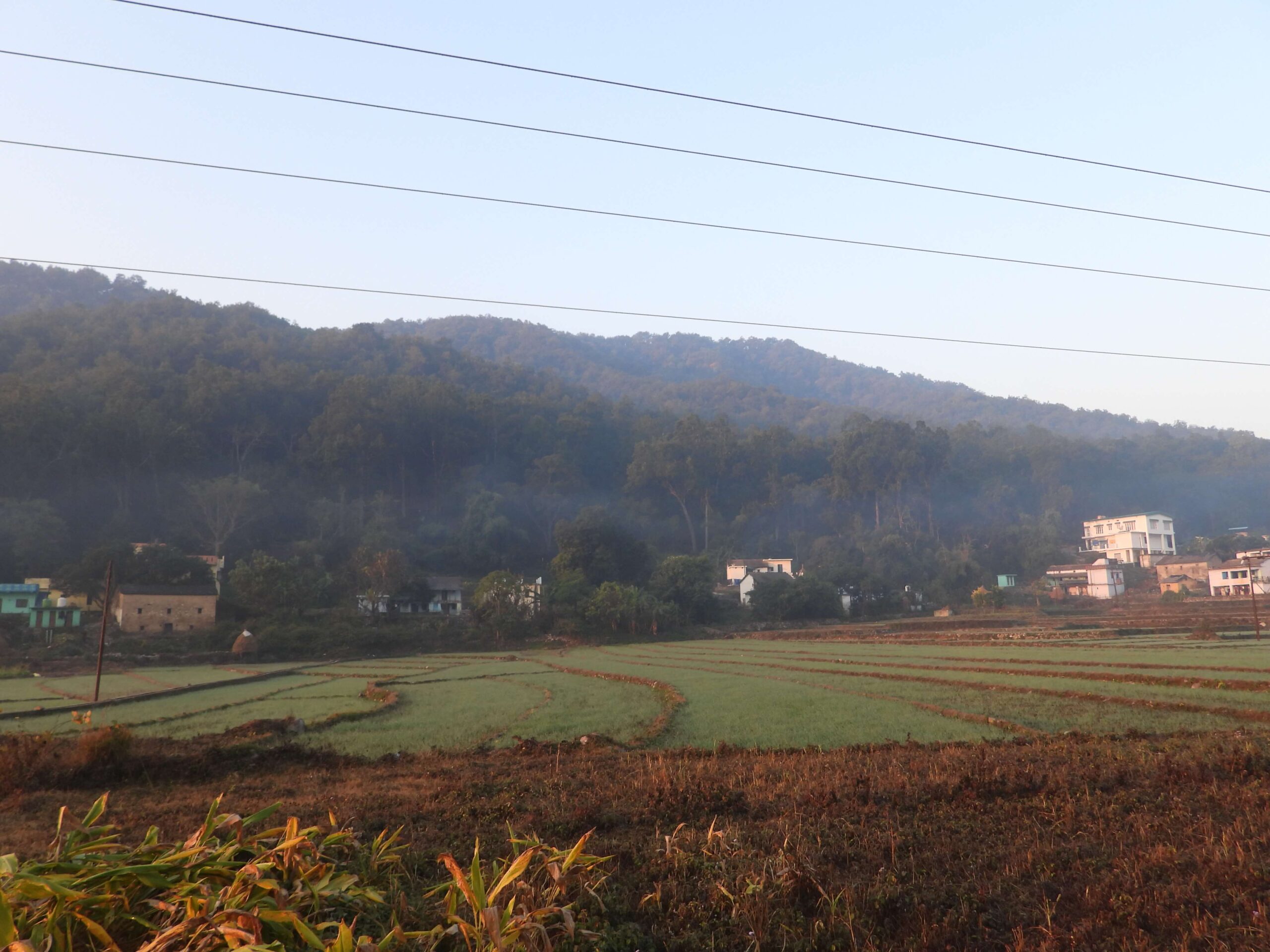
Rathuadhab sits inside Kalagarh Tiger Reserve but feels removed from typical tourist circuits. No crowds. No vehicle convoys chasing tigers. Just forest, river (the Mandal flows nearby), mountains, and silence broken only by wildlife. You see leopards crossing trails. Elephants browsing in the distance. Sambars grazing near streams. This is how Corbett must have felt decades ago before tourism exploded.
Why Rathuadhab is Better Than Jim Corbett (For Certain Travellers)

Let's be clear: if you want comfortable resorts, guaranteed tiger sightings, and convenient safaris, go to Dhikala or Bijrani. But if you want:
1. Serious Birdwatching:
Jim Corbett has birds, sure. But Rathuadhab's 580+ species density is unmatched. In Corbett's main zones, safari vehicles scare away smaller birds. In Rathuadhab, you walk quietly. Birds ignore you. You're part of the landscape.
2. No Crowds:
Corbett's popular zones get 100+ vehicles daily in season. Rathuadhab sees maybe 5-10 birders per week. You own the trails.
3. Authentic Village Experience:
Staying in villagers' homes, eating local Garhwali food, hearing stories about leopard encounters and traditional forest wisdom beats any resort experience.
4. Lower Cost:
Homestays cost ₹800-1,500 per person per night with meals. Corbett resorts start at ₹5,000 and go up to ₹50,000.
5. Ethical Tourism:
Your money goes directly to the community. You're funding conservation, not corporate profits.
6. Flexibility:
In Rathuadhab, you walk whenever you want (with guides for safety). No fixed safari timings. No vehicle bookings. Just pure, unscheduled nature time.
How to Get There
By Air:
Nearest airport: Jolly Grant, Dehradun (119 km from Rathuadhab, 4 hours by road).
By Train:
Nearest railway station: Kotdwar (60 km from Rathuadhab, 2.5 hours by road). Kotdwar connects to Delhi, Dehradun, and Haridwar. From Kotdwar station, hire a taxi or take a shared jeep to Rathuadhab via Dugadda.
By Road:
From Delhi: 275 km via NH-58, 6-7 hours. Route: Delhi → Meerut → Bijnor → Kotdwar → Dugadda → Rathuadhab.
- From Haridwar: 140 km, 4 hours.
- From Dehradun: 119 km, 4 hours.
The Dugadda-Rathuadhab Road:
After crossing Dugadda town, the road enters dense forest. It's a single-lane mountain road winding through Kalagarh Tiger Reserve. The drive itself is an experience: sal forests, streams, occasional wildlife crossings (elephants, deer, leopards). Drive carefully. Avoid after dark. Cellular network disappears after Dugadda.
Important:
Inform your homestay host about arrival time. They'll guide you from Dugadda if needed. The last 30 km has minimal traffic. GPS often fails. Local guidance helps.
Also Read: 24 Hours In Varanasi: What To Do, Where To Go And All You Need To Know
What to Experience in Rathuadhab

1. Dawn Birding Walks (5:30 a.m. - 9 a.m.):
This is why you came. Wake before dawn. Village guides lead you on trails around Rathuadhab and into the forest. The morning walk covers 4-5 km over 3-4 hours. You move slowly, stopping every few minutes to watch birds. Guides use calls to attract birds for observation (ethical, no playback).
Birds You Might See:
- Rock eagle-owl (massive, impressive)
- Asian barred owlet (small, striped, adorable)
- Himalayan rubythroat (red throat, stunning)
- Black-chinned yuhina (gregarious, noisy)
- Blue-winged minla (colourful, active)
- Silver-eared mesia (orange and silver, beautiful)
- Western hooded pitta (rare, secretive, holy grail for birders)
- Rosy minivet (pink and grey, elegant)
- Plum-headed parakeet (green with purple head)
- Great hornbill (if you're lucky)
- Kalij pheasant (common)
- Grey-headed canary-flycatcher
- Fire-tailed sunbird
- Verditer flycatcher
- Long-tailed broadbill
2. River Walk (Evening):
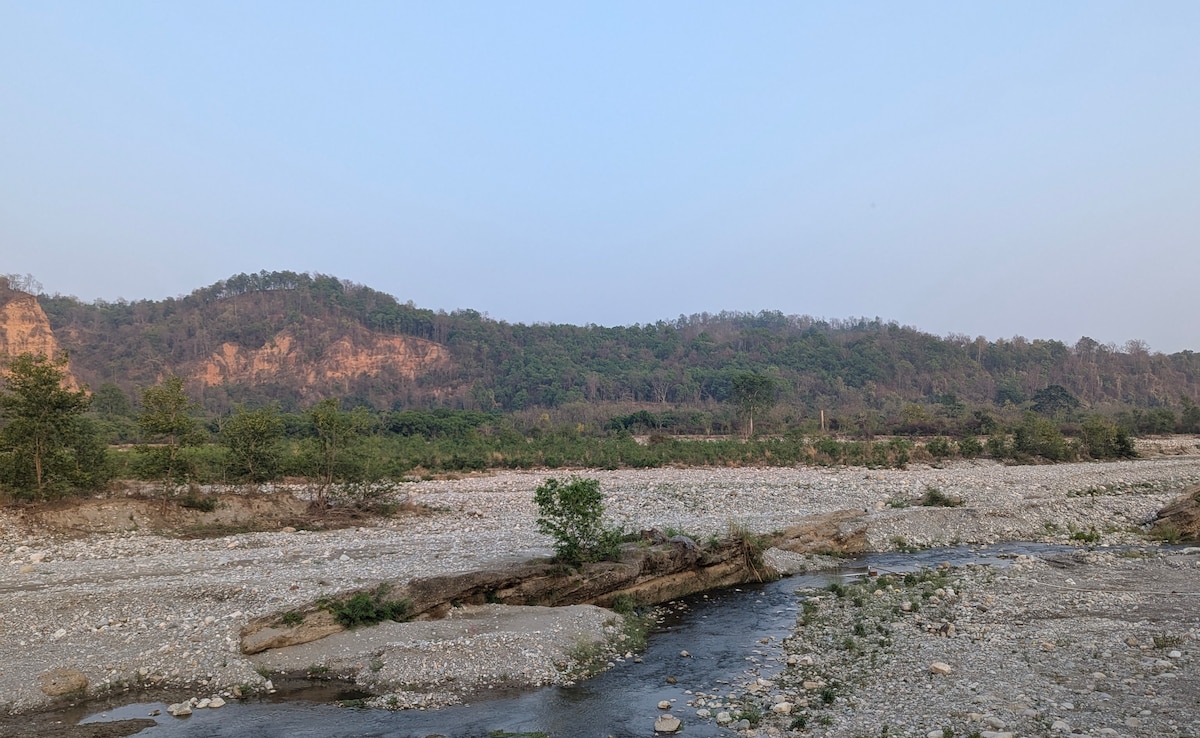
The Mandal River flows near Rathuadhab. Evening walks along the riverbed offer different birds: kingfishers (three species), little green heron, forktails, wagtails, redstarts. The river itself is pristine, crystal clear, with smooth boulders perfect for sitting and watching the world slow down.
3. Night Sounds:
After dinner, sit outside. No electricity means minimal light pollution. The stars are overwhelming. But listen: owls hooting, nightjars calling, the distant trumpet of elephants, sambars barking, sometimes the alarm calls that indicate a leopard nearby. Villagers share stories of wildlife encounters over chai.
4. Leopard and Elephant Sightings:
Rathuadhab sits in active wildlife territory. Leopards frequent the village periphery. Morning walks often find fresh pugmarks. Elephants visit regularly. Guides know safe distances and behaviour. You won't be in danger, but you will feel the thrill of being in actual wilderness.
5. Village Life:
Experience Garhwali culture. Watch women making traditional rotis. See terraced farming. Learn about medicinal plants. Visit the small temple. Understand how communities coexist with wildlife. This isn't staged. It's real life.
Current Migratory Birds to Watch (Season-Specific)

Winter Migrants (November to February):
- Himalayan rubythroat (from higher Himalayas)
- Fire-tailed sunbird
- Black-chinned yuhina
- Blue-winged minla
- Silver-eared mesia
- Western hooded pitta (rare winter visitor)
- Orange bullfinch
- Various warblers (Tickell's leaf warbler, Hume's warbler)
- Rosy pipit
- Grey-headed canary-flycatcher
Summer Migrants (March to May):
- Western hooded pitta (passage migrant, very rare)
- Asian paradise flycatcher
- Various cuckoos
Resident Birds (Year-Round):
- Rock eagle-owl
- Asian barred owlet
- Kalij pheasant
- Red junglefowl
- Great hornbill
- Plum-headed parakeet
- Various woodpeckers, barbets, laughingthrushes
Pro Tip: November to February is peak season. The highest bird diversity, pleasant weather, and winter migrants make this period ideal.
Where to Stay

Homestays in Rathuadhab Village:
The village has around 10-12 homestays run by local families. All provide:
- Simple, clean rooms (attached or shared bathrooms)
- Home-cooked Garhwali meals (dal, rice, seasonal vegetables, roti, sometimes chicken or mutton)
- Hot water (bucket, heated on wood fire)
- Basic toiletries
- Birding guide services (often the homestay owner or family member)
Cost: ₹800-1,500 per person per night including three meals and birding walks.
Recommended Homestays:
- Dinesh Negi's Homestay
- Ramesh Bisht's Homestay
- Contact through Titli Trust or Uttarakhand Biodiversity Board
Booking: No online portals. Contact via phone (network available in Kotdwar) or through eco-tourism contacts. Book at least 2 weeks in advance during peak season (December-January).
What to Expect: Basic facilities. No hot showers (bucket bath). No Wi-Fi. No mobile network. No TV. Just peace, birds, stars, and authentic hospitality.
Forest Rest House (Rathuadhab FRH):
Located 300 metres from the village. Managed by the Forest Department. More structured but still basic. Book through Corbett Tiger Reserve official website under Sonanadi Zone. Usually booked weeks in advance.
Also Read: Complete Uzbekistan Travel Guide For Indian Travellers: Visa, Budget & Best Cities
What to Pack

Essentials:
- Binoculars (8x42 or 10x42 for birding)
- Field guide to Indian birds
- Camera with good zoom lens (optional but rewarding)
- Headlamp or torch (no electricity in homestays)
- Warm clothing (November-February mornings are cold, 5-10°C)
- Comfortable walking shoes with grip
- Water bottle
- Insect repellent
- Personal medicines
- Cash (no ATMs, no card payments)
- Power bank (charge everything before leaving Kotdwar)
Nice to Have:
- Spotting scope (serious birders)
- Notepad for birding logs
- Portable speaker (for evening music, low volume)
Practical Tips
Best Time to Visit:
November to February for winter migrants and pleasant weather. March to May for summer migrants (hotter). Avoid June to October (monsoon, reserve closed, leeches, roads dangerous).
Duration:
Minimum 2 nights, 3 days. Ideal: 3 nights, 4 days. Serious birders stay a week.
Network:
No mobile network in Rathuadhab. Last signal in Dugadda. Inform family before entering the forest. Homestay hosts have satellite phones for emergencies.
Fitness Level:
Moderate. Morning walks are 4-5 km on forest trails (not steep but uneven). Basic fitness sufficient.
Safety:
Follow guide instructions. Don't wander alone. Wildlife is real. Leopards and elephants are present. Respect their space.
Etiquette:
- Don't use bird call playback
- Maintain silence on birding walks
- Don't litter
- Respect local customs
- Pay fairly for guide services
- Leave only footprints
Final Thoughts
Rathuadhab won't appear in glossy travel magazines. It doesn't have infinity pools, spa services, or gourmet restaurants. What it has is something increasingly rare: authenticity. This is a village where conservation is a lived practice, not a marketing slogan. Where birds thrive because people decided to protect rather than exploit. Where tourism supports livelihoods without destroying ecosystems. The morning bird chorus is real. The silence is profound. The stars are overwhelming. The homestay food is simple but nourishing. The guides are knowledgeable and kind. You'll return home with a bird list longer than you expected, photos you'll treasure, and a deeper understanding of what community-led conservation looks like. If you love birds, if you crave wilderness without crowds, if you're tired of sanitised wildlife tourism, Rathuadhab is calling. Wake to the chorus. Walk the trails. Listen to stories told over chai in the fading light. Support the families who protect this paradise. Because places like Rathuadhab are disappearing. And this one deserves to thrive.
Track Latest News Live on NDTV.com and get news updates from India and around the world


