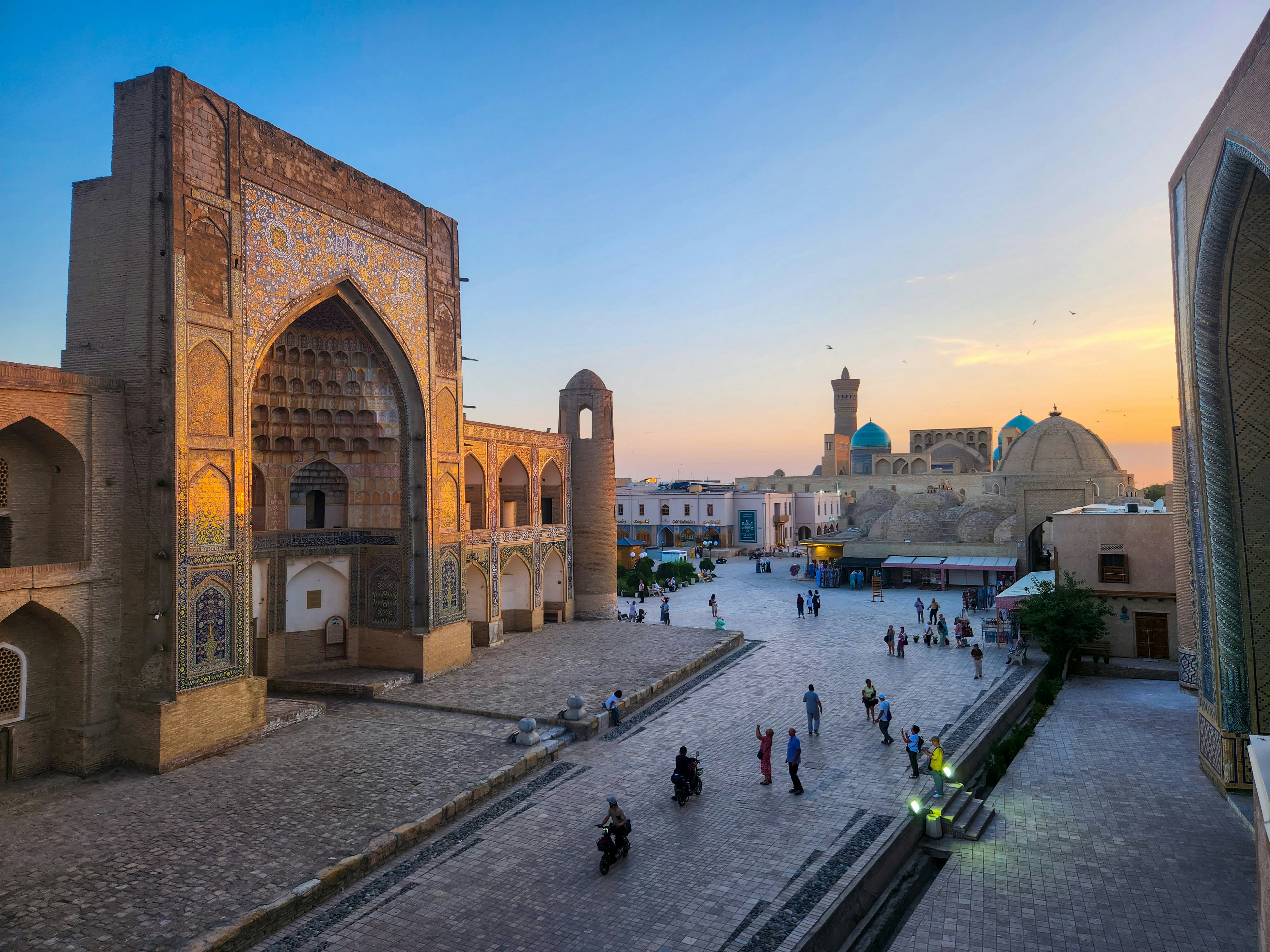
Uzbekistan sits quietly in Central Asia, almost invisible on most first-time international travellers' radars. Yet it offers everything someone planning their first trip abroad could possibly want. Think of ancient Silk Road cities that seem to exist only in fairy tales. think turquoise domes and intricate telework that capture attention before you even step inside. Think bazaars that smell like centuries. Think about affordability that makes five-star hotels seem like budget options. Think visa processes so simple you'll wonder if you're making a mistake. Uzbekistan is that rare destination that delivers multiple worlds simultaneously.
Desert landscapes, royal ancient cities, snowy mountains, Soviet heritage, contemporary cafes, and some of Earth's most stunning architecture. For Indians specifically, Uzbekistan represents something uniquely valuable: a cultural bridge. The shared history of Silk Road trade, architectural influences that predate modern borders, similar music traditions, and even overlapping food preferences create an intuitive familiarity despite genuine foreignness. Understanding why Uzbekistan deserves your 2026 travel attention requires understanding its history, culture, and practical logistics for Indian travellers.
Also Read: How To Reach The Stunning Chandratal (Moon) Lake At 4,300m In The Himalayas
Understanding Uzbekistan: Geography, Culture, And Why It Matters
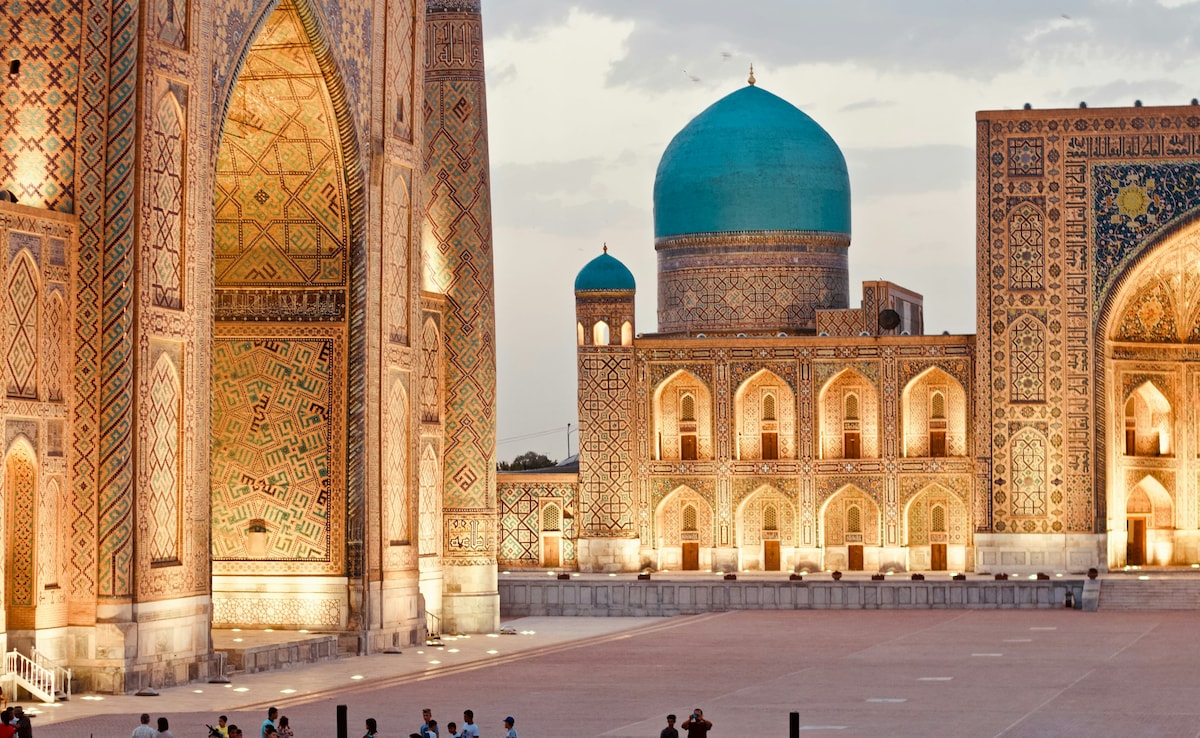
Photo Credit: Unsplash
Uzbekistan sits on the ancient Silk Road, the trade network connecting China with the Mediterranean. For over 2,000 years, merchants, warriors, scholars, and travellers crossed this region. The trade routes created cultural fusion. Persian, Arabic, Turkic, Chinese, and Indian influences blended into something distinctly Central Asian yet drawing from everywhere. Cities like Samarkand and Bukhara became legendary knowledge centres where poets, mathematicians, and astronomers gathered.
Uzbek culture shares a surprising overlap with Indian culture. The Mughal Empire's architectural influence extended across India and Central Asia. Raga systems influenced music development in both regions. Even food traditions show connections: pilaf exists as plov in Uzbekistan, and samosa as samsa. These aren't coincidences. They're remnants of shared history.
Why It's Enticing For Indians:
First, the cultural familiarity removes the discomfort that often accompanies international travel. Walking through bazaars in Samarkand feels simultaneously foreign and recognisable. The bargaining culture, the speech markets, and the communal tea-drinking customs all resonate with the Indian experience. Second, the affordability is extraordinary. For the visual impact, architectural significance, and historical depth available, Uzbekistan costs approximately one-third to one-half what similar experiences cost elsewhere globally. Third, the logistics simplify remarkably. Direct flights from Delhi to Tashkent exist. E-visa processing takes 3-4 days online. English might be limited, but Google Translate and local friendliness bridge gaps. Fourth, the Instagram-worthiness without trying combines with actual educational content. You're not just photographing beautiful things. You're standing before structures 600+ years old, understanding history viscerally.
Visa Requirements For Indians: Refreshingly Simple
The E-Visa Option:
Indian passport holders can apply for an e-visa entirely online through the Uzbekistan government website. The process takes approximately 3-4 working days. Cost is approximately INR 1,800. You'll need your passport number, a digital photograph, and basic travel information. The visa arrives as a PDF that you print and carry to the airport.
Alternatively, Visa On Arrival:
Indian UAE residents specifically can obtain the visa on arrival at Tashkent airport, completely free. For other Indian passport holders, this option doesn't exist, but the e-visa is genuinely simple.
Documentation Requirements:
Carry a printed copy of your e-visa. Keep your passport's validity at 6 months minimum. Retain hotel registration receipts throughout your stay (hotels provide these automatically). These documents occasionally get requested. Having them prevents complications.
How To Get There From India: Flights And Logistics
Flight Options:
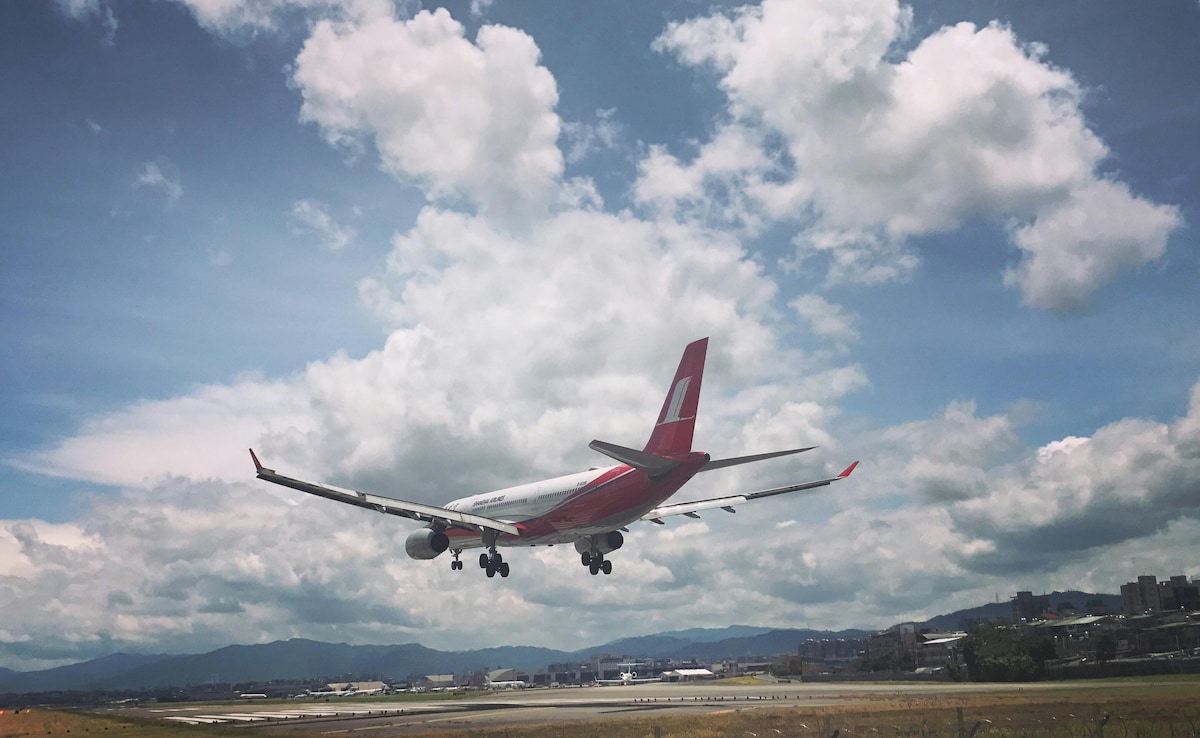
Multiple airlines operate Delhi-to-Tashkent routes. Uzbek Airways flies direct (3 hours). Turkish Airlines connects via Istanbul. Emirates connects via Dubai. Flydubai connects via Dubai. Peak season (September-November) costs more. January-February and July-August offer better deals.
Airport Arrival Logistics:
Tashkent International Airport is well-organised. ATMs exist for currency withdrawal. Yandex taxis (the local ride-hailing app) operate from the airport. Book sim cards at airport kiosks (Beeline or Youcell), approximately INR 600 for 30GB data. This step is genuinely important because you'll need data for Yandex navigation.
Getting From Tashkent To Other Cities:
The Afrosiyob high-speed train connects Tashkent-Samarkand (2.5 hours) and Samarkand-Bukhara (90 minutes). Trains depart multiple times daily. Book tickets in advance (can be tricky online, but booking upon arrival works). For Khiva, either take an overnight train from Bukhara (7.5 hours) or fly from Tashkent.
Also Read: Phuket vs Ko Samui: Which Island Is Better For Budget Travel
The Four Must-Visit Cities: Detailed Breakdown
Tashkent (2 Days):
Tashkent is the capital, your likely entry point. Spend 2 days acclimatising and exploring. Key attractions include Hazrati Imam Complex (stunning Islamic architecture and the Quran manuscript), Chorsu Bazaar (sprawling spice market under turquoise dome), Amir Temur Square (symbolic heart with museums), and the famous metro stations (Kosmonavtlar, Alisher Navoi), which are genuinely underground art galleries. Stay near Amir Temur Square for centralised access.
Samarkand (3 Days):
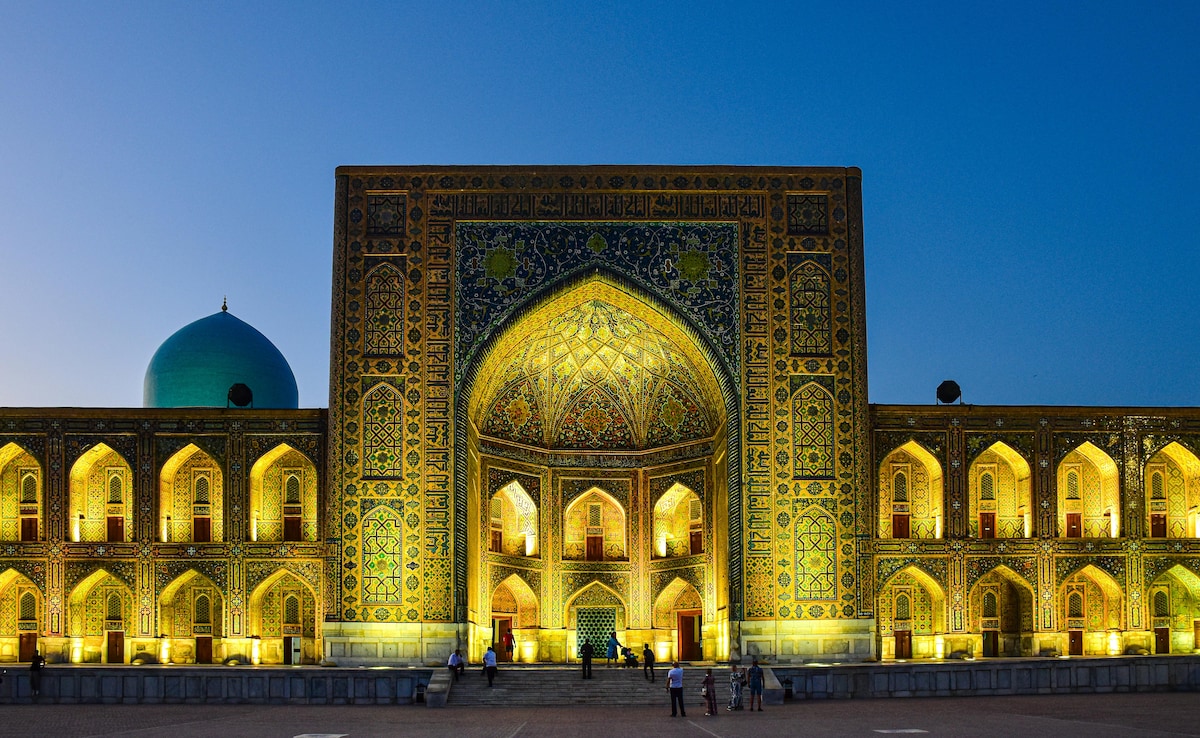
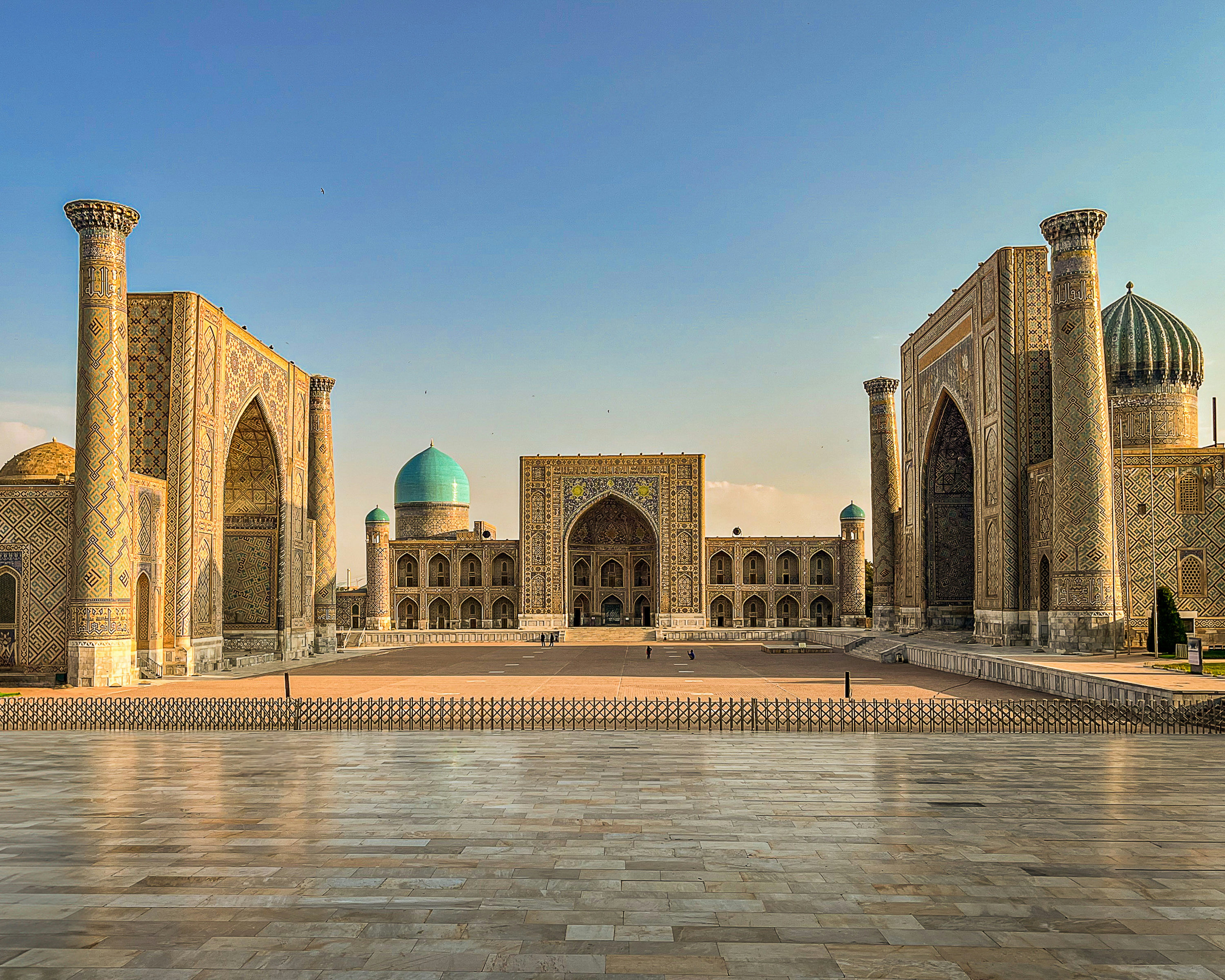
Samarkand is the heart of the Silk Road. Registan Square is the showstopper: three madrasas (Islamic schools) facing each other with impossible symmetry, turquoise domes, and tilework that demands hours of contemplation. Visit Registan at sunrise (fewer crowds, golden light) and again at sunset (fewer crowds, dramatic lighting). Gur-e-Amir Mausoleum (Amir Temur's resting place) inspired the Taj Mahal architecture. Shah-i-Zinda is a narrow street of mausoleums with increasingly ornate tilework. The Bibi-Khanum Mosque was once the Islamic world's largest. Three days allow slow exploration without rushing.
Bukhara (2 Days):
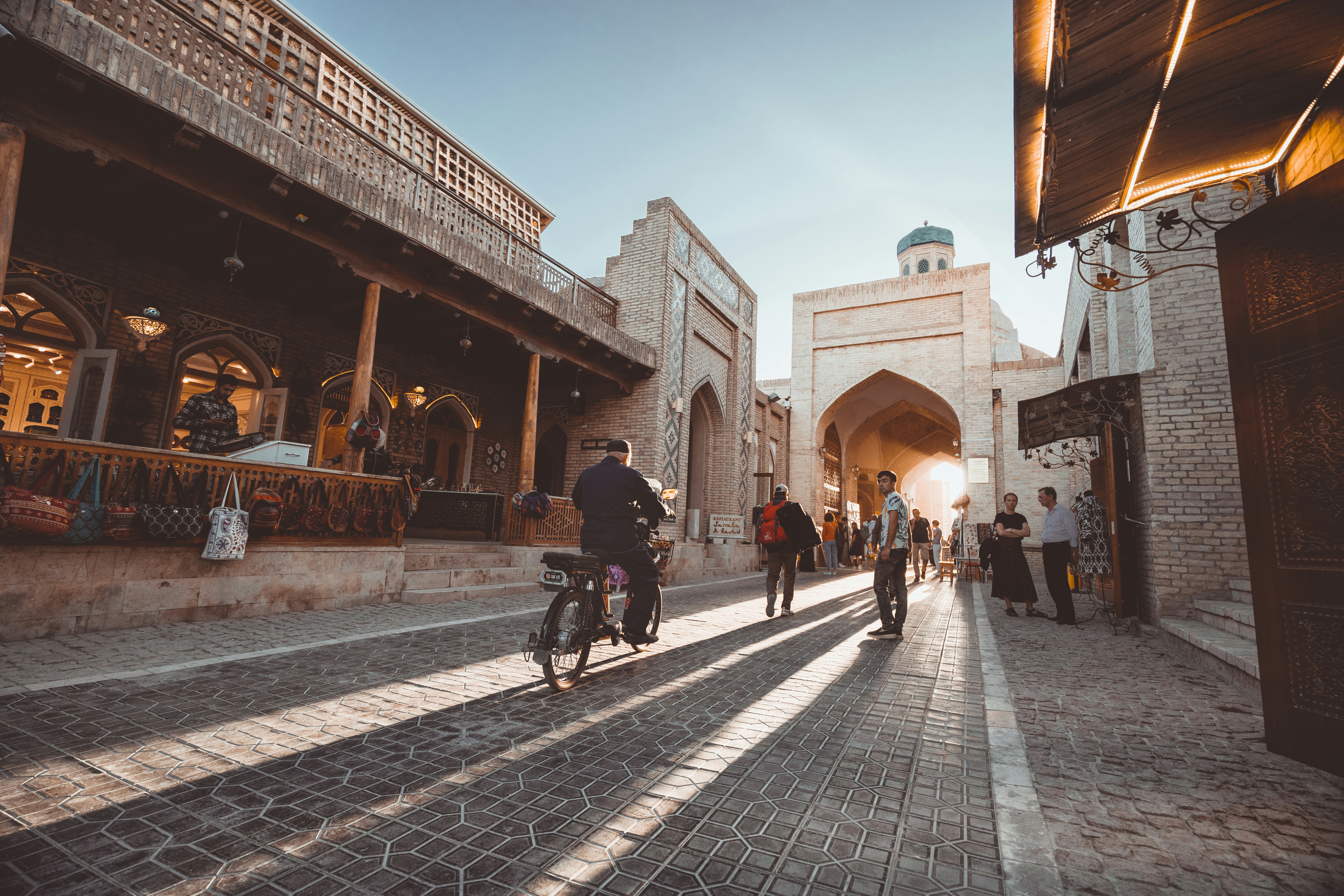
Bukhara's old town feels like an open-air museum. The Poi Kalon complex (minaret plus mosque plus madrasas) creates one of Central Asia's most powerful spaces. The Ark Fortress housed rulers for centuries. Lyabi Hauz is a pool surrounded by tea houses and trees, still the city's social heart. Trading domes still function as markets, not frozen exhibits. Bukhara feels more compact and walkable than Samarkand. Two days suffice for most travellers.
Khiva (1-2 Days, Optional):
Khiva is the most preserved ancient city. Itchan Kala (the walled inner city) is a UNESCO site where you can walk streets unchanged for centuries. Kunya Ark fortress, Islam Khodja Minaret, and Tosh-Hovli Palace showcase different architectural traditions. The challenge is distance: 6.5 hours by overnight train from Bukhara or short flights from Tashkent. If you have 10+ days, include Khiva. For 7-day trips, Tashkent-Samarkand-Bukhara suffices.
What To Do: Beyond Historical Monuments
Food Experiences:
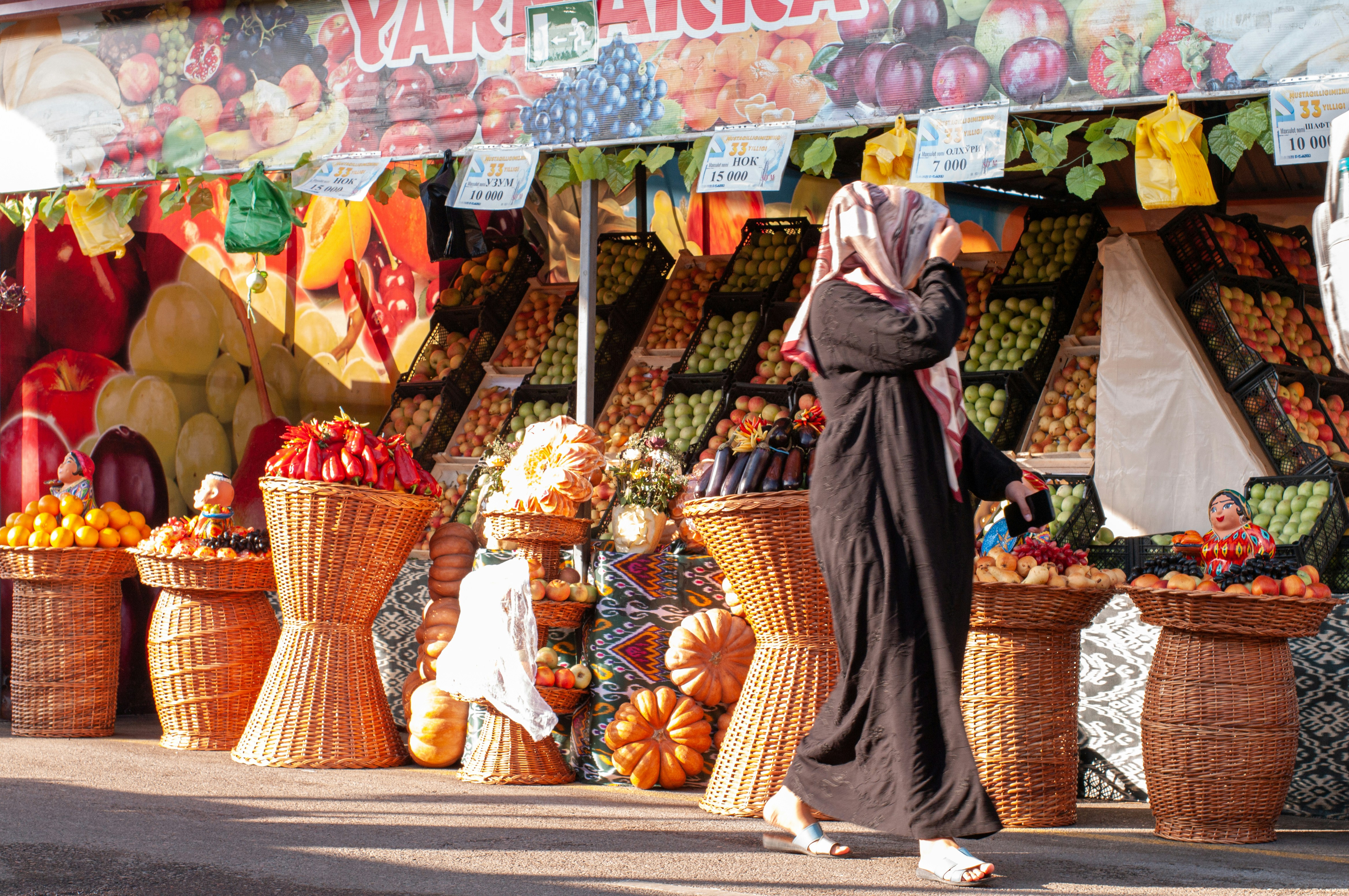
Plov (rice pilaf) is the national dish. Shashlik (meat skewers) appear everywhere. Manti (dumplings) and lagman (noodle soup) provide lighter options. The spices—cumin, coriander, saffron, cardamom—connect directly to Indian cooking. Street bazaars overflow with dried fruits, nuts, and spices worth purchasing. Food costs approximately INR 200-400 per meal at local restaurants.
Bazaar Exploration:
Shopping isn't separate from sightseeing. Chorsu Bazaar in Tashkent, Siob Bazaar in Samarkand, and the trading domes in Bukhara all function as living markets where locals buy daily necessities. Haggling is expected and enjoyable. Ceramics from Rishton, silk from Margilan, and textiles throughout are genuinely beautiful and affordable.
Photography:
Every monument photographs beautifully from multiple angles. Registan transforms throughout the day as light changes. Shah-i-Zinda's narrow street creates compositional opportunities. Visit pre-dawn for empty streets. Visit during sunset for dramatic light. Your phone camera suffices for exceptional photographs.
Local Transport Exploration:
The Metro in Tashkent costs INR 10 per ride. Riding it isn't just transport. The stations themselves are art galleries with mosaic ceilings, sculptures, and chandeliers. Yandex taxis are cheap (INR 100-300 for most city rides) and reliable. Downloading Maps.me offline allows navigation without constant data.
Budget Breakdown For 7-10 Days
| Category | Amount |
| Flights from Delhi | INR 25,000-40,000 (subject to change) |
| Accommodation | INR 1,500-3,000 per night (clean, comfortable hotels) |
| Trains (intercity) | INR 1,000-2,000 per journey |
| Meals | INR 200-400 per meal locally |
| Taxis/Transport | INR 100-300 per ride |
| Attractions (museums, monuments) | INR 50-200 per attraction |
| Total for 8 days | Approximately INR 60,000-80,000 per person |
This makes Uzbekistan genuinely affordable. Your money stretches further than most destinations.
Practical Tips For Indian Travellers
Download Essential Apps:
Yandex Go (taxi hailing), Maps.me (offline maps), Google Translate (language bridge), MyTaxi (alternative to Yandex), and Booking.com (hotel reviews). These four apps solve most logistical problems.
Cash Is King:
Whilst some places accept cards, cash (Uzbek Som) remains essential. Withdraw from ATMs using your debit card upon arrival. Exchange rates at the airport are acceptable.
Language Assistance:
English isn't widely spoken outside Tashkent. The Google Translate app solves immediate problems. Learning 5-10 basic Uzbek phrases (hello, thank you, excuse me) endears you to locals significantly.
Dress Modestly:
Especially at religious sites, cover your shoulders and knees. This isn't legally required, but shows respect. Women, especially, should carry a light scarf for mosque visits.
Best Travel Time:
April-May (spring) and September-October (autumn) offer ideal weather. July-August brings extreme heat (38°C+). December-February brings snow and cold but fewer crowds.
Also Read: How To Plan A Rs 25,000 Budget Trip To Dharamshala: Stay, Food And Sightseeing Tips
Uzbekistan remains somewhat invisible despite checking every box for first-time international travellers. It offers Silk Road history, architectural magnificence, cultural connections for Indians, genuine affordability, and simplified logistics. The cities feel both foreign and intuitively recognisable. The pace allows genuine connection rather than checkbox tourism. The photographs document something genuinely significant rather than just pretty backdrops. For 2026, planning your first international trip here transforms it from a vacation into education, adventure, and discovery simultaneously.
Track Latest News Live on NDTV.com and get news updates from India and around the world


