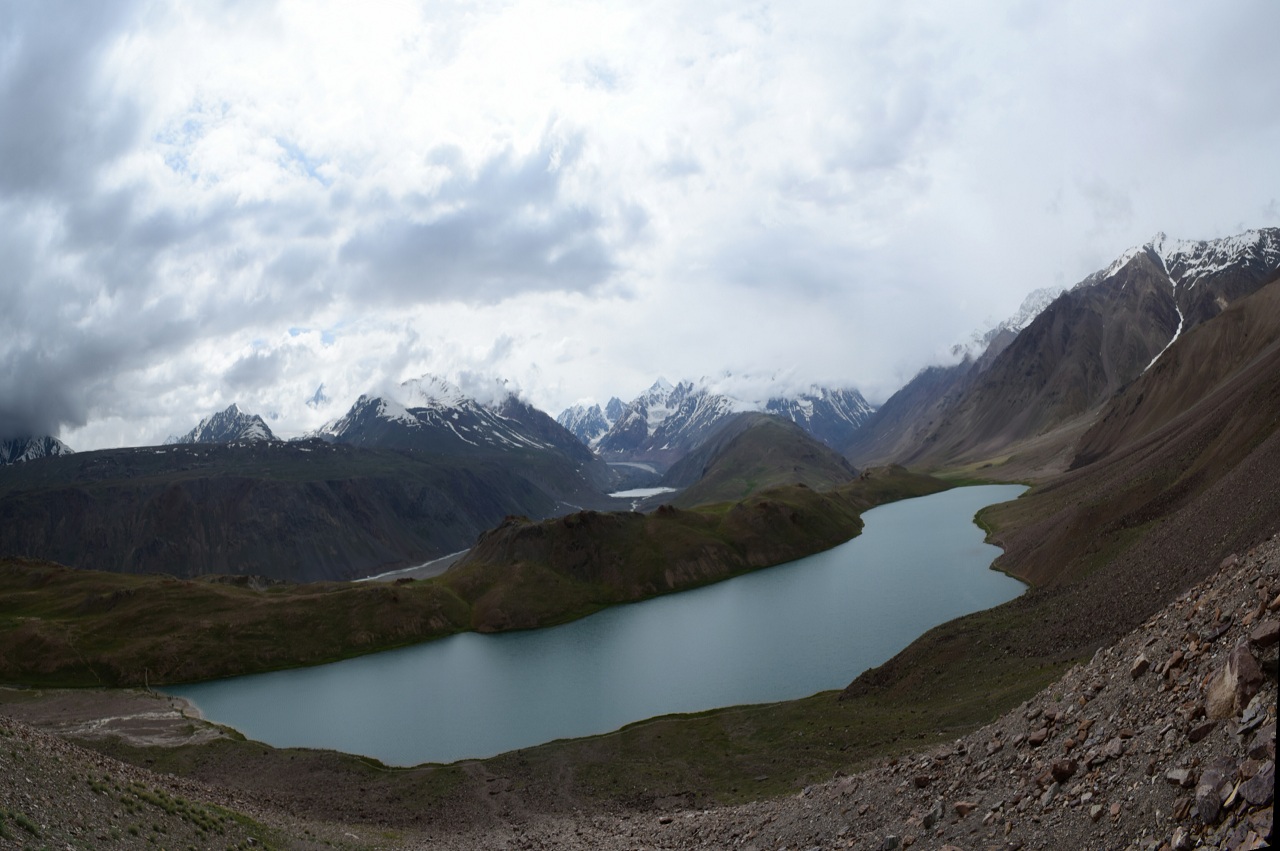
Chandratal Lake sits at 4,300 metres above sea level in the high Himalayas, looking exactly like its name suggests. Chandra means moon. Taal means lake. The literal translation feels inadequate once you arrive. The lake is genuinely shaped like a crescent. Its turquoise waters shift from emerald green to deep blue depending on the sunlight angle and the time of day. The surrounding mountains create a perfect natural amphitheatre that intensifies the otherworldly quality. Locals call it mystical. Visitors call it transcendent. Scientists call it a fragile high-altitude wetland ecosystem worthy of protection. All are correct. Chandratal isn't just visually stunning. It sits at the crossroads of multiple Himalayan regions: technically in Lahaul Valley, spiritually connected to Spiti, geographically between Manali and Kaza. The journey to reach it demands preparation, fitness, and respect for altitude. The experience justifies every ounce of effort. Understanding Chandratal means understanding something profound about the Himalayas themselves: raw beauty existing in genuinely harsh conditions, fragile ecosystems supporting life in impossible places, and the absolute necessity of treating exceptional environments with genuine care.
Also Read: Which Glacier Is Called The Crown Of The Himalayas And How To Visit It
Why It's Called The Moon Lake: The Geography And Mythology
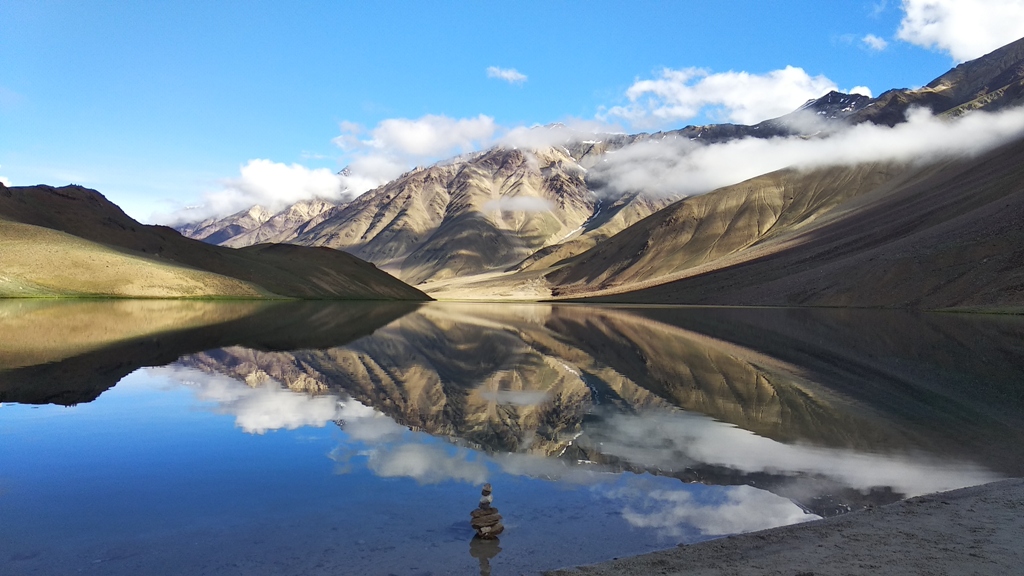
Chandratal's defining characteristic is its crescent-moon shape. This isn't accidental. The lake formed in a glacial basin created over millennia by ancient ice movement. The cirque (bowl-shaped depression) created by glaciers naturally curves like a crescent. The surrounding scree mountains and the bowl's geometry intensify the visual effect. Moonlight reflecting off the water during full moon nights creates something genuinely ethereal.
The water appears differently throughout the day due to mineral content from glacial streams and varying sunlight angles. Early morning brings lighter blues. Midday creates vivid turquoise. Afternoon light produces deep greens. This colour-shifting quality gives the lake an almost sentient quality, as though it's responding to the sky rather than simply reflecting it.
The Mythology:
According to Hindu mythology, Lord Indra (king of the gods) descended to bathe in Chandratal to wash away his sins. The Mahabharata associates the lake with Yudhishthira, the eldest Pandava brother, whom Indra supposedly transported to heaven from this exact location. Local folklore speaks of the Moon God (Chandra) and a celestial nymph meeting here eternally. These mythological connections aren't historical facts. They're cultural meanings assigned to a landscape because the landscape itself demands meaning.
How To Reach Chandratal Lake: Two Primary Routes
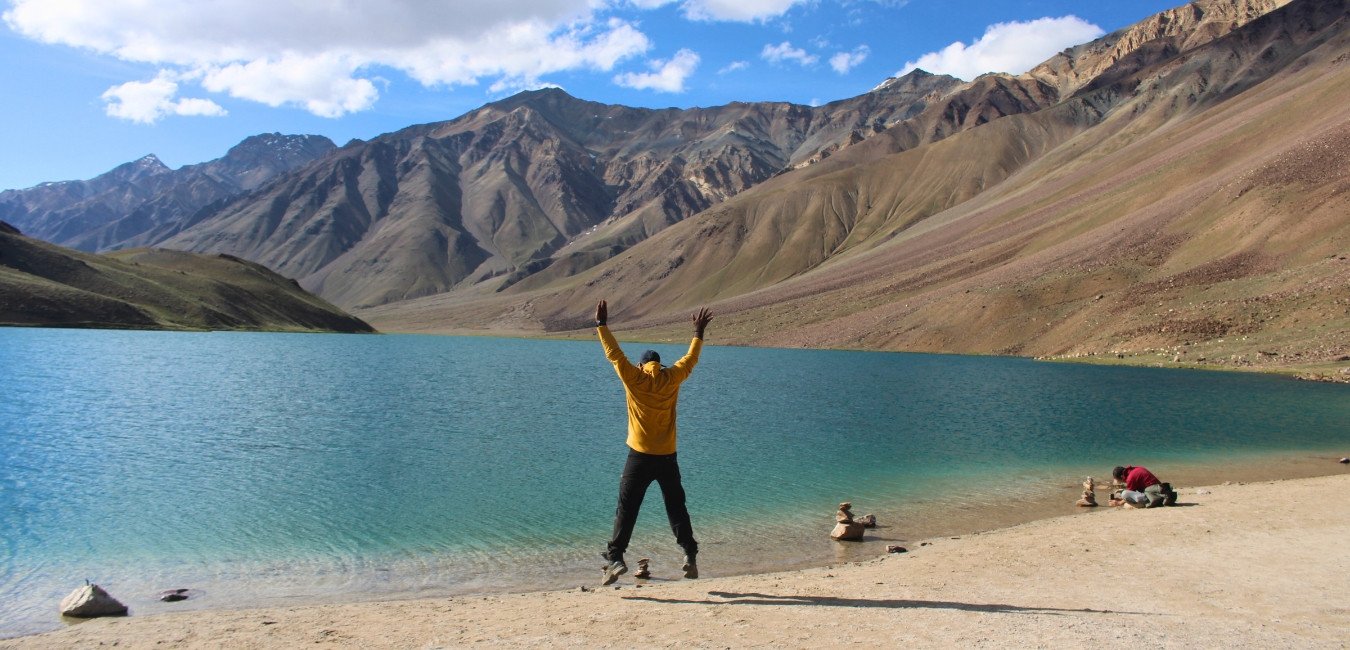
Route One: Via Manali (Popular But Longer)
From Manali, travel via the Atal Tunnel to Gramphu. From Gramphu, drive north on NH505 towards Batal, approximately 80 kilometres. The drive takes 4-5 hours over rough mountain roads. From Batal, a brutal 14-kilometre track leads to the Chandratal parking area. This road requires a high-clearance 4x4 vehicle. It's rocky, sometimes waterlogged from glacial streams, and genuinely treacherous. The journey from Manali to Batal parking approximately takes 6-8 hours depending on road conditions.
Route Two: Via Kaza (Shorter But Equally Rough)
From Kaza (the main Spiti town), drive north towards Losar. Ascend to Kunzum Pass (4,590 metres). Just before descending from Kunzum Pass, a rough 8-10 kilometre diversion branches towards Chandratal. This route is approximately 80-90 kilometres from Kaza, taking 3-4 hours. The road is marginally better than the Batal route but remains unpaved and challenging.
The Final Hike:
Vehicles cannot reach the lake directly. From the parking area, a 1.5-2 kilometre trek is mandatory. This hike seems short on paper. At 4,300 metres altitude with thin oxygen, it tests your acclimatisation. The trail winds through rocky terrain and meadows. The lake appears gradually, building anticipation.
Best Time To Visit Chandratal Lake

Chandratal is accessible only from June through September. Mid-June through August offers the most stable weather. July and August are peak season. September brings cooler temperatures and possible early snowfall. October is genuinely risky. Winter (November to May) is absolutely impossible. Snow buries the roads under metres of accumulation. The lake freezes entirely.
Summer daytime temperatures hover around 5-15°C. Nights plummet to minus 5 to minus 10°C. Even during peak summer, you're wearing thick jackets and sleeping bags. Winter temperatures drop to minus 20°C or colder. The climate demands respect.
Why Seasonal Access Matters:
This isn't a bureaucratic limitation. It's a geographic reality. The roads become impassable. Snow depths exceed 10 metres in winter. Attempting off-season visits is genuinely dangerous. The narrow access window creates natural pressure to plan properly.
What To Do At Chandratal

Stargazing:
At 4,300 metres with minimal light pollution, the night sky is genuinely staggering. The Milky Way is visible to the naked eye. Astrophotography becomes accessible without special equipment. Bring a good headlamp and warm clothing for multi-hour observation.
Photography:
The lake and surrounding landscape offer endless photographic opportunities. Sunrise and sunset light transforms the mountains into something almost unreal. Reflections in the water create compositional possibilities. Every visitor leaves with hundreds of decent photographs.
Meditation And Contemplation:
The lake's primary appeal is psychological. Standing before the crescent shape, surrounded by barren mountains, listening to wind and silence, something shifts internally. Most visitors sit quietly for extended periods. This isn't wasted time. It's the actual experience.
Short Treks:
From the lake, day treks reach Kunzum Pass (approximately 12-15 kilometres, moderately strenuous). The Kunzum Mata Temple sits at the pass, combining spiritual and physical challenge. Other options include exploring the glacial streams feeding the lake or hiking higher meadows.
Flora And Fauna Observation:
The high-altitude ecosystem supports wildflowers blooming June-August. With extreme luck and patience, you might spot Himalayan ibex or blue sheep on distant slopes. Snow leopards live in the region but sightings are genuinely rare. Bird watchers spot species like Ruddy Shelduck. Most visitors see nothing but enjoy the attempt.
Also Read: Keibul Lamjao: The World's Only Floating National Park Is Right Here In India
Camping And Accommodation: Strict Rules Apply
No Direct Lake Camping:
Camping directly at the lake's shoreline or within 2-3 kilometres is strictly prohibited. This isn't arbitrary bureaucracy. The ecosystem is fragile. Human waste, pollution, and pressure damage the wetland. The restriction is genuinely necessary.
Designated Campsites:
Small camps operate 2-3 kilometres from the lake, along the access road. They offer basic alpine tents with sleeping bags, blankets, and shared toilet facilities. Meals (dinner and breakfast) are typically included. Cost ranges from 1,500-2,500 rupees per person per night depending on season and operators.
Booking Logistics:
Camps operate June through September only. Peak season (July-August) books out weeks in advance. Contact operators directly or through trekking companies. Having a booking before arriving prevents disappointment.
No Restaurants:
No permanent eateries exist at Chandratal or the camps. Food is prepared fresh at campsites, typically simple Indian and local dishes. Quality varies. Bring snacks for emergencies or special preferences.
Preventing Altitude Sickness: Critical Information
Understanding The Risk:
Altitude sickness affects 30-50 percent of visitors to 4,300 metres. Symptoms include headache, nausea, dizziness, fatigue, and insomnia. Severe cases (HAPE or HACE) require immediate descent.
Prevention Strategy:
Spend 24-48 hours in Leh or Manali before ascending further. At Kaza, spend minimum one night before heading to Chandratal. Ascend slowly. Take Diamox (125mg, half tablet, twice daily) starting 2 days before arriving at altitude. Hydrate aggressively, consuming 4-5 litres daily. Don't ascend if experiencing severe symptoms.
Critical Signs:
Persistent headache, shortness of breath at rest, confusion, or extreme fatigue warrant immediate descent. Ignore the macho impulse to push through. Descent is the cure.
Also Read: 6 Of India's Coldest Winter Getaways Right Now
The Moon Lake: Chandratal
Chandratal Lake exists at the intersection of geography, mythology, ecology, and human endurance. It's called the Moon Lake because it looks like the moon, because it connects to moon mythology, and because standing before it under moonlight feels genuinely transcendent. Reaching it requires planning, physical preparation, and respect for altitude. Once there, the experience transforms how you understand mountains, silence, and beauty. The crescent shape isn't a coincidence. The changing water colours aren't accidental. The frigid temperatures, the thin air, the absolute silence represent a functioning natural system that existed perfectly before humans arrived and will continue perfectly after humans leave. Visiting Chandratal responsibly means understanding your position within this larger system rather than expecting the system to accommodate you.
Track Latest News Live on NDTV.com and get news updates from India and around the world


