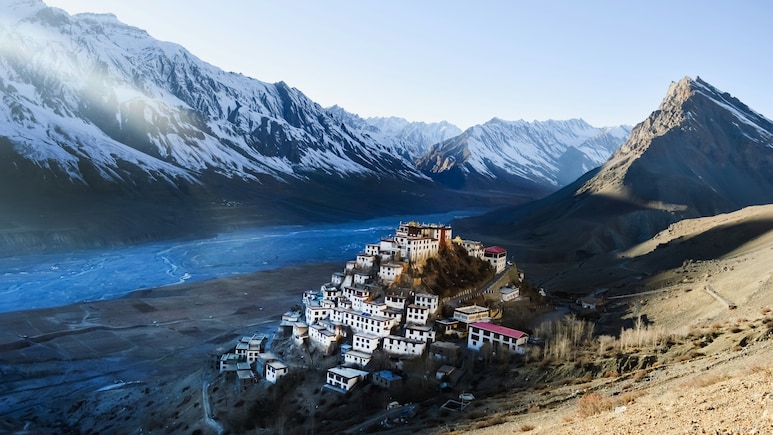
Key Monastery Spiti Tourism Trend: Spiti Valley is one of Himachal Pradesh's most breathtaking tourist destinations. Its dramatic, awe-inspiring landscapes have also been featured in a few Bollywood films. Industrialist Anand Mahindra, who is known for using X to spotlight lesser-known corners of India, recently shared a post about Key Monastery in Spiti Valley. Calling it "living proof that Heaven can descend to Earth," Mahindra reflected on the monastery's quiet grandeur and wondered why it remains untouched by mass tourism, adding that perhaps its enduring silence is its greatest gift. The post quickly struck a chord online, continuing a familiar pattern in which his musings on remote landscapes spark renewed curiosity about places far from conventional travel circuits. They also reopen conversations about why such destinations remain as unspoilt as they are.
Key Monastery
— anand mahindra (@anandmahindra) February 1, 2026
Spiti
Living proof that Heaven can descend to Earth.
It's a mystery why the whole world isn't flocking here
But perhaps its silence is its greatest gift.#SundayWanderer pic.twitter.com/WoKyKA9YgD
Here's how people reacted to the viral post in the comments section:
As someone from Himachal Pradesh, I can say — Key Monastery isn't just scenery, it's soul.
— Brijesh Sood (@soodbrijesh9) February 1, 2026
Spiti doesn't attract crowds, it attracts seekers. ❤️🏔️
Earth's way of whispering that peace still exists. Some silences speak louder than any crowd.
— Rajan Roy (@InvestUpX_Trade) February 1, 2026
That's beautiful ... Key Monastery really does feel otherworldly. The silence and remoteness are what make it so special… almost like the mountains themselves are guarding its peace
— Siddartha DevOps (@SiddarthaDevops) February 1, 2026
Absolutely stunning! The peace and serenity there truly seem unparalleled. It's a hidden gem that more people should appreciate for its beauty and tranquility.
— Nitin (@Nitin1617177) February 1, 2026
It's best if it is left the way it is. Already there is over tourism. And we all know the negative effects of it. But I agree it is stunning. Accessibility is the issue. It takes an arduous 2-3 days to get to Kaza via Shimla, which is the longer but safer route than via Manali
— Nitin Urs (@iamUrs_Only) February 4, 2026
Yes Sir, silence is its greatest gift, if the whole world would start flocking here , it will loose its Charm
— balwant singh (@bmishru) February 1, 2026
Which Bollywood Films Were Shot At Key Monastery?
The region around Key Monastery has also featured briefly in popular cinema.
- Highway (2014), starring Alia Bhatt, includes a scene where Key Monastery is visible in the background.
- Paap (2004), starring John Abraham and Udita Goswami, includes scenes where the Key Monastery served as a breathtaking backdrop.
The area is often suited to cinematic shooting due to its stark terrain, high-altitude roads, and near-absence of urban development, which allow filmmakers to capture scale, isolation and visual authenticity without constructed sets.
Key Monastery, Spiti Valley: Travel Guide
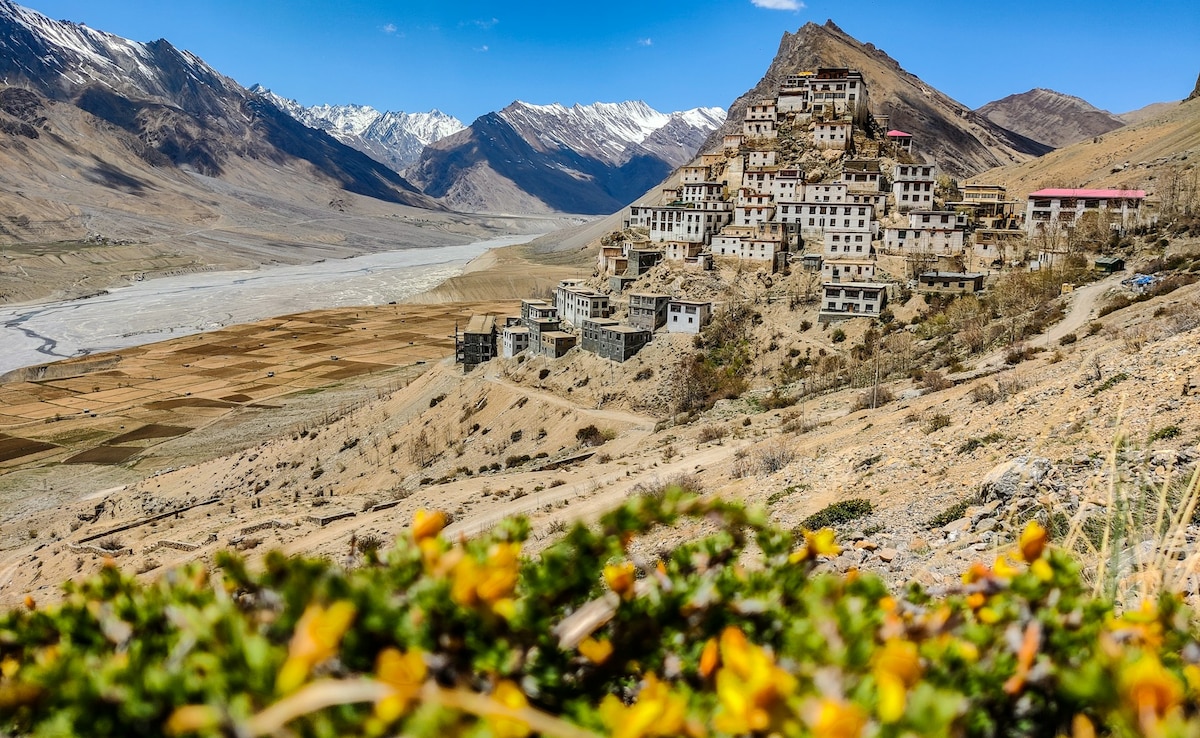
Photo Credit: Unsplash
Perched high on a rugged hilltop in the starkly beautiful Spiti Valley of Himachal Pradesh, Key Monastery stands as one of the most evocative cultural and spiritual landmarks in the Indian Himalayas. Known locally as Kye Gompa (also spelt Ki or Kee), this ancient Tibetan Buddhist monastery has been a centre of faith, learning and artistic tradition for over a millennium.
Key Monastery is the largest and most important monastery in the Spiti Valley, both architecturally and spiritually. Its layered, fortress-like structure rises directly from the rocky hillside, offering sweeping views of the barren mountains and the winding Spiti River far below. The monastery is a living centre of Buddhist learning, housing around two hundred resident monks who study both religious texts and secular subjects.
The monastery's importance was recognised in the year 2000, when His Holiness the 14th Dalai Lama inaugurated a new assembly hall, further solidifying its place as a major site of Buddhist culture in the region.
Where Is Key Monastery Located
Situated approximately 14 kilometres north of the town of Kaza, Key Monastery sits at roughly 4,166 metres (13,668 feet) above sea level on a volcanic-shaped hillock overlooking the valley below. Its whitewashed walls, prayer flags and stacked rooms form a silhouette that seems almost part of the mountain itself.
The interior is a maze of narrow corridors, dark stairways and low-doored chambers that echo centuries of footsteps. Inside the prayer halls and assembly rooms are ancient murals, thangkas (Buddhist paintings), rare manuscripts and carved stone images. These are fragments of a rich artistic heritage preserved through generations.
Brief History Of Key Monastery
Key Monastery's origins trace back to roughly the 11th century, with some sources linking its establishment to Dromton, a principal disciple of the renowned Buddhist master Atisha. Over the centuries, the gompa was expanded and rebuilt multiple times, shaped by regional conflicts, natural disasters and the shifting currents of history. The monastery suffered damage from invasions and fires in earlier centuries and was restored again after a major earthquake in the 20th century. Through these trials, its core ethos as a centre for monastic education and spiritual practice has endured.
Why You Should Visit Key Monastery
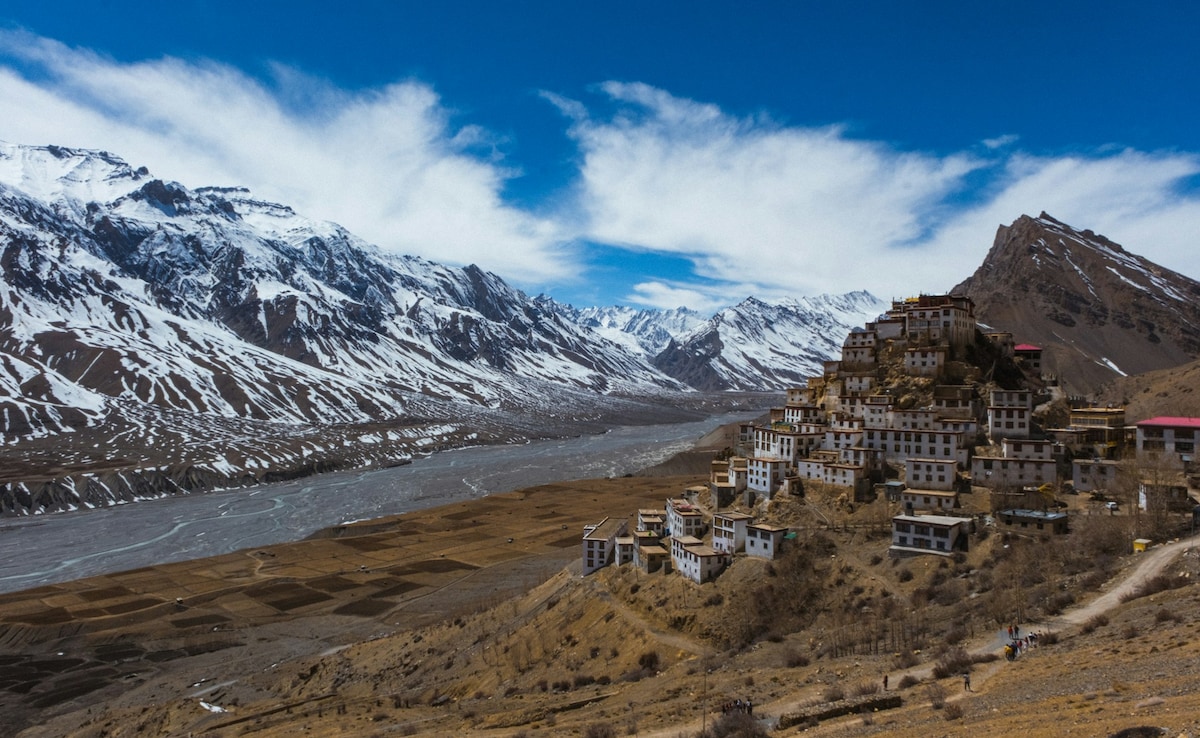
Photo Credit: Unsplash
There are many compelling reasons to include Key Monastery in your Himalayan itinerary:
- Cultural insight: As a functioning monastic institution, it gives visitors a rare opportunity to witness daily prayers, rituals and the rhythms of monastic life.
- Architectural intrigue: The monastery's layered design (built into and atop the hillside) is unlike conventional temple architecture and makes for fascinating exploration and photography.
- Artistic heritage: Inside, centuries-old murals, thangkas and sacred manuscripts speak to the depth of Buddhist artistic and spiritual tradition in Spiti.
- Landscape and vistas: The surrounding high-altitude desert landscape, rugged peaks and broad river valley set the scene for dramatic sunrise and sunset views.
Best Time To Visit Key Monastery
The best months to visit are late spring through early autumn (April-September), when high mountain passes are generally open, and the weather is comparatively milder. Outside this window, heavy winter snow often makes travel difficult or impossible.
Summers in Spiti are marked by clear skies and cool days, ideal for photography and outdoor exploration. If you're interested in local culture, timing your visit with regional festivals can add a memorable dimension to your itinerary.
How to Reach Key Monastery
Reaching Key Monastery is an experience unto itself. Most travellers begin their journey from either Shimla or Manali, both of which offer road access into Spiti:
- The Manali-Kaza route takes travellers over high passes including Rohtang and Kunzum, passing through ever-changing landscapes from verdant valleys to stark high desert.
- The Shimla-Reckong Peo-Kaza route is a popular alternative and tends to involve a more gradual climb toward the Spiti plateau.
Once in Kaza, the monastery is reached via a mountain road that ascends roughly 14 km from town. Shared jeeps and private taxis are the usual means of local transport.
Practical Tips For Your Visit To Key Monastery
- Altitude acclimatisation: At over 4,000 m, you should allow time in Kaza to adjust to the altitude before heading up to the monastery.
- Respect local customs: Key Monastery is a functioning place of worship and study. Dress modestly, speak softly, and be mindful during prayer times.
- Stay prepared: The remote setting means limited connectivity and services. Carry essentials like water, sun protection and appropriate layered clothing for fluctuating mountain temperatures.
Whether you're a cultural traveller, a spiritual seeker or a landscape photographer, Key Monastery's serene walls and timeless rhythms offer something unforgettable.
Track Latest News Live on NDTV.com and get news updates from India and around the world


