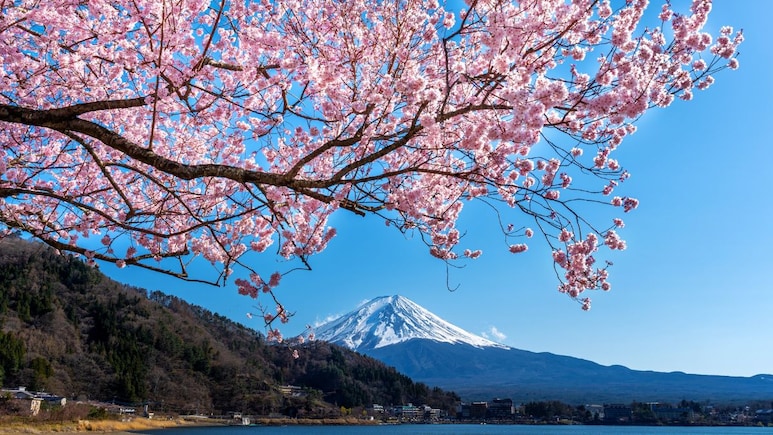
The cherry blossoms in Tokyo bloomed five days earlier than last year. On the 19th of March 2026, the Japan Meteorological Agency officially declared the start of sakura season in the city, based on the sample tree at Yasukuni Shrine showing more than sixty blossoms open, well above the five required to announce the season. Kyoto is expected on the 23rd, and full bloom across Tokyo is expected around the 25th of March, with Kyoto peaking around the 1st of April. If you have ever thought about doing a Japan spring trip and kept putting it off, this is your clearest possible signal that the moment is now. The flowers do not wait, and neither should you.
Why Spring Is Japan's Best Season
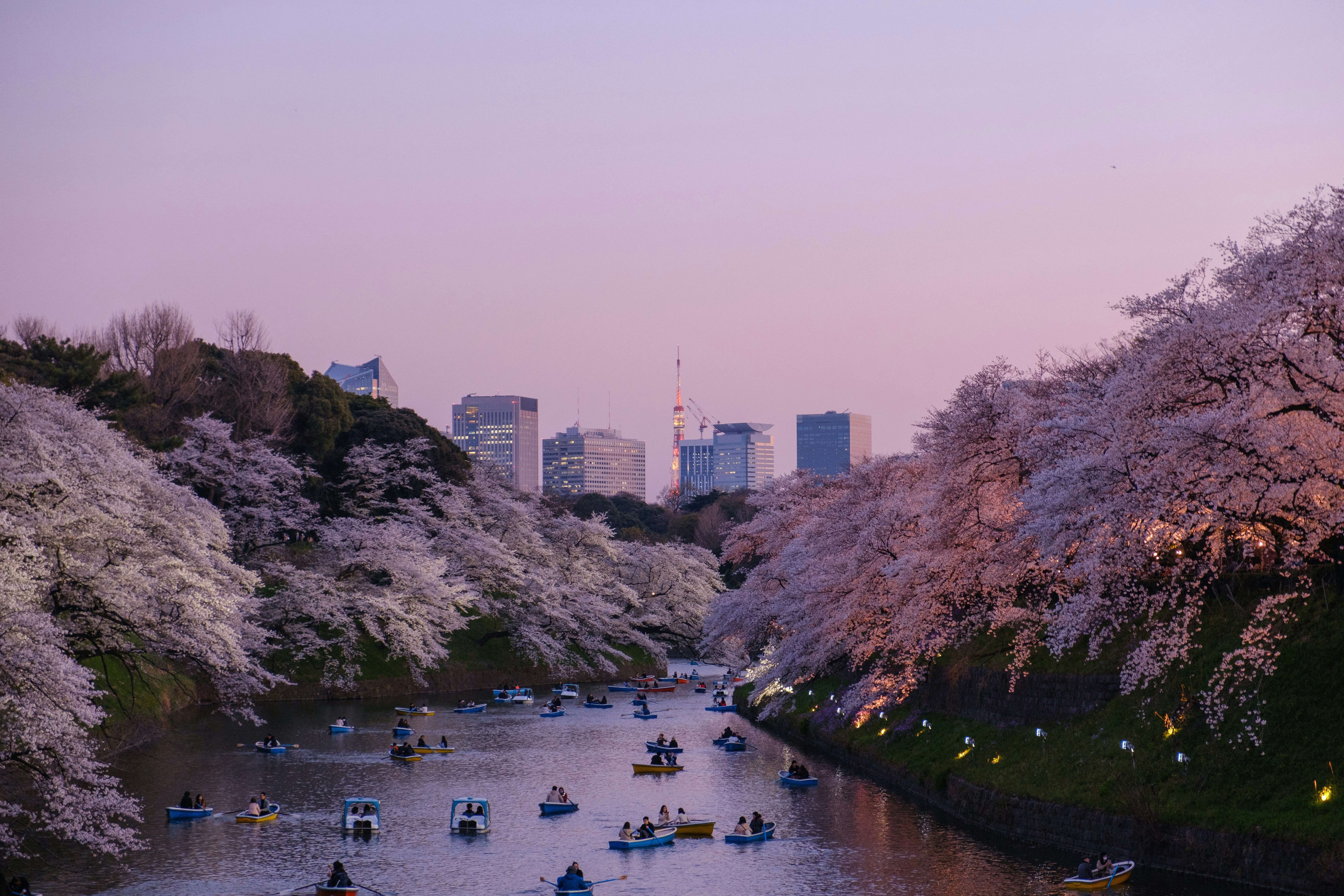
Japan has four very distinct seasons, and all of them have their advocates. Autumn, with its maple foliage, is extraordinary. Summer has its festivals and fireworks. Winter in the north has some of the best powder skiing in the world. But spring, specifically the four to six weeks between late March and early May, is when Japan does something genuinely singular.
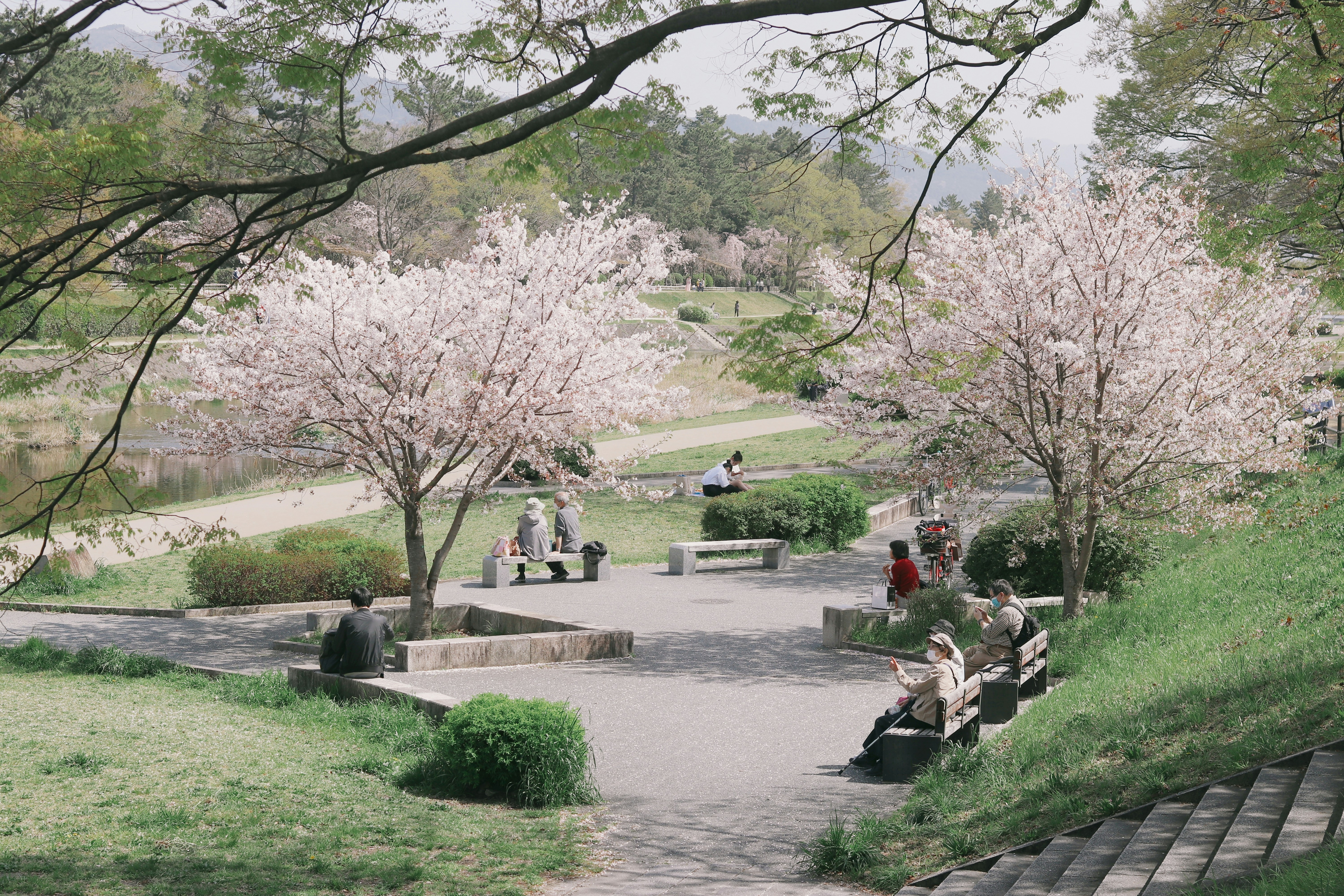
The cherry blossom season, called sakura, is one of the most culturally significant natural events in Japanese life. It is not simply a tourist attraction. It is a national moment of reflection, celebration, and communal gathering that the Japanese have been observing for over a thousand years. Hanami, the practice of gathering beneath blossoming cherry trees to eat, drink, and appreciate the fleeting beauty of the flowers, has been documented in Japanese literature since at least the Nara period (710 to 794 CE). The word mono no aware, a central concept in Japanese aesthetics, refers to the bittersweet awareness of impermanence, and sakura, which blooms for roughly two weeks before the petals fall, is its most perfect expression.
Also Read: Beyond Tokyo And Bali: 7 Hidden Wonders Of East Asia Every Indian Traveller Should Know
The practical advantages of spring travel compound the cultural ones. Temperatures are comfortable: roughly 12 to 20 degrees Celsius in Tokyo during the peak weeks, which is ideal walking weather. The rains that define June have not yet arrived. The summer crowds and heat are still months away. And every park, temple garden, riverside, and castle moat in the country looks different in a way that no amount of description quite prepares you for.
The 2026 Season: What You Need To Know
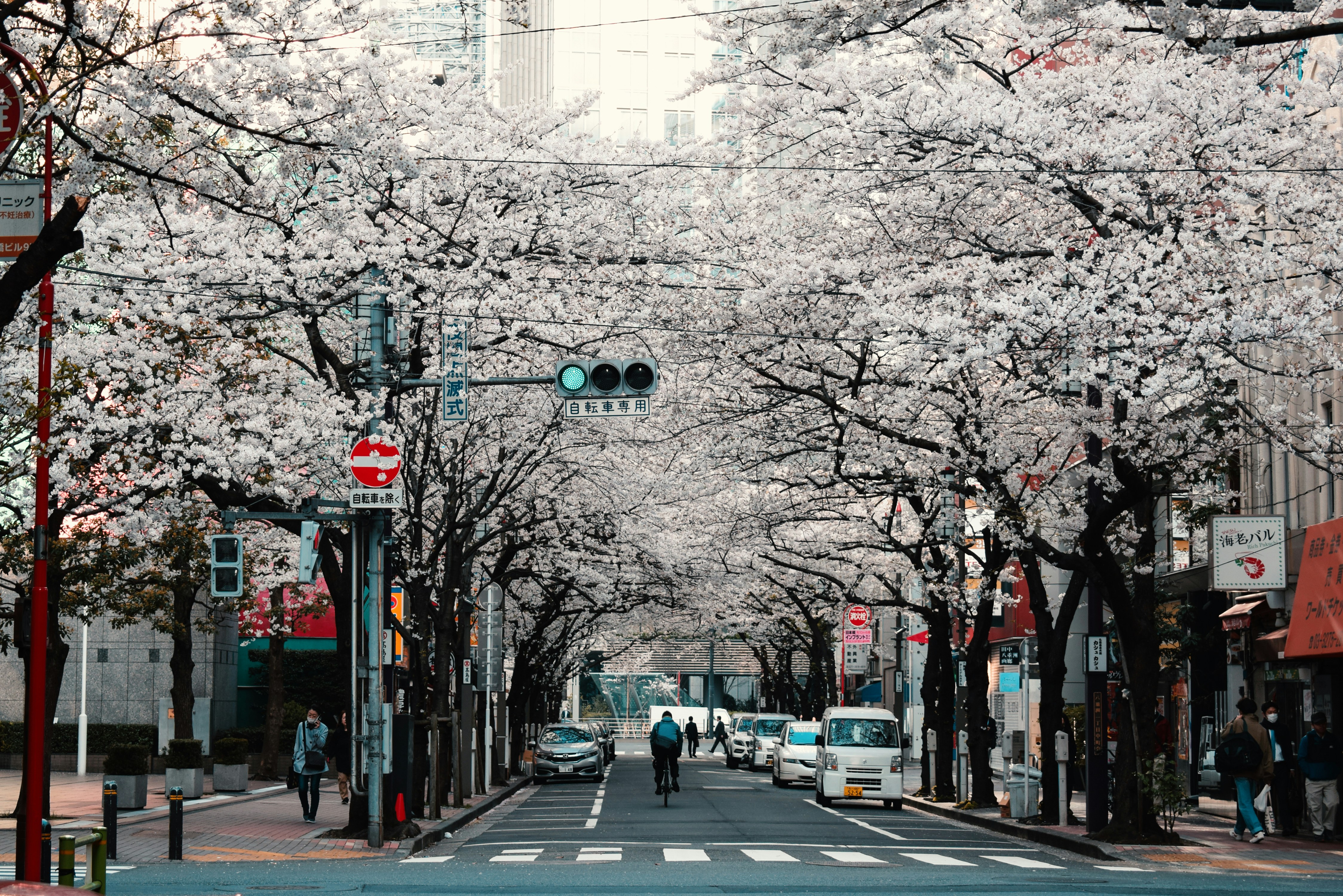
This year's bloom has arrived earlier than usual across Japan, driven by warm temperatures in February and early March. Tokyo's bloom came five days earlier than last year's, thanks in part to recent warm weather expected to continue through the season. The Japan Meteorological Corporation, which uses data from around 1,000 cherry blossom viewing locations across the country and has recently incorporated artificial intelligence into its forecasting, predicted the early timing weeks in advance.
The regional timeline for 2026: Japan's 2026 cherry blossom season started on March 16 with the first blooms opening in Kōchi, followed by Nagoya on March 17 and Tokyo on March 19. Kyoto is expected to reach full bloom around April 1. The blossom front moves northward through April, reaching Tohoku in early April and Hokkaido by late April, meaning if you can travel in the first two weeks of April, you have options across a broad swathe of the country.
One critical planning note: Hotel prices can surge by 50 to 100 per cent during peak bloom, particularly in popular cities like Tokyo and Kyoto. A standard four-star hotel that costs $200 per night in the off-season can reach $400 during sakura season. Book as early as you possibly can, and if you have missed the peak Tokyo-Kyoto window, consider building your itinerary around slightly earlier or later bloom in less-visited areas.
Where To See Sakura: The Essential List
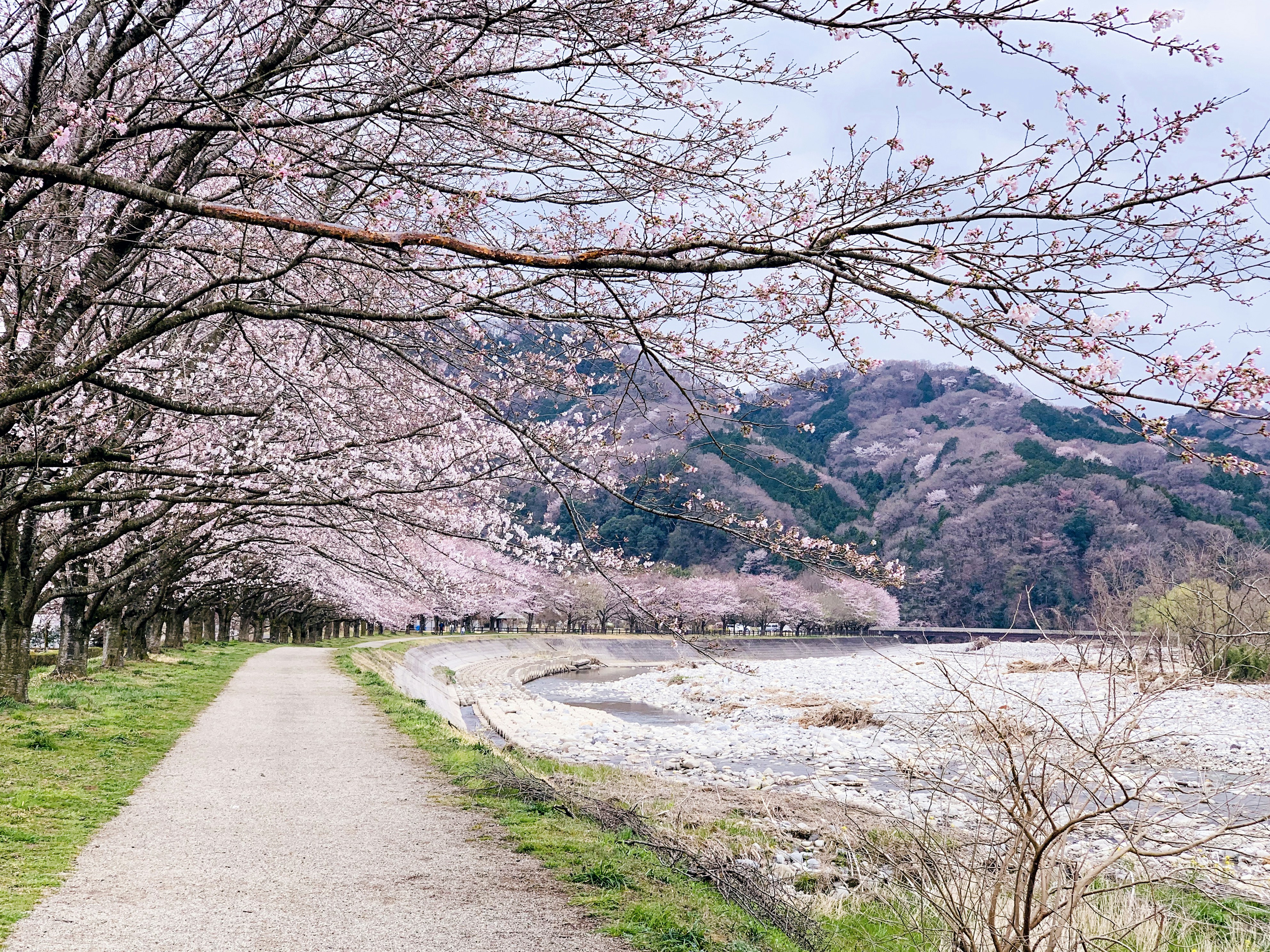
Ueno Park, Tokyo: The most famous hanami spot in Japan and a genuine spectacle, with 800 Somei Yoshino cherry trees in full bloom and hundreds of thousands of visitors over the peak period. Go early in the morning (before 8 am) for something approaching tranquillity, or embrace the festival atmosphere of afternoon hanami picnics entirely.
Nakameguro, Tokyo: The canal district transforms during sakura season into one of the most atmospheric spots in the city. The Meguro River, lined with cherry trees on both banks, creates a tunnel of blossom above the water, and the surrounding cafes and shops along the canal make this a more stylish, less crowded alternative to Ueno. The Nakameguro Cherry Blossom Festival, hosted by the local shopping street association, draws large crowds but retains a neighbourhood feel.
Maruyama Park, Kyoto: Kyoto's most central hanami spot, anchored by a magnificent weeping cherry tree (shidare-zakura) that is lit up at night and genuinely one of the most beautiful sights in Japan. The surrounding temples and shrines of Higashiyama are accessible on foot.
Philosopher's Path, Kyoto: A two-kilometre stone path along a canal in northeastern Kyoto, lined on both sides with cherry trees. It is named for the philosopher Nishida Kitaro, who reportedly used it for his daily meditative walk. In blossom season, it is one of the most beautiful walks in the country.
Arashiyama, Kyoto: The bamboo grove and the surrounding hills are covered in cherry trees during spring, and the combination of blossom, bamboo, and the Oi River makes this a particularly satisfying visual experience. Slightly earlier bloom here than in central Kyoto due to altitude variations.
Hirosaki Castle, Aomori: For those travelling in late April, Hirosaki in northern Honshu hosts one of Japan's most spectacular castle-and-blossom combinations, a moat thick with fallen petals, 2,600 cherry trees surrounding a 17th-century castle, and a festival atmosphere that has been running for decades.
Also Read: Sindhudurg Is The Coastal Escape Maharashtra Has Been Hiding All Along
Beyond Sakura: What Else Spring Offers
The cherry blossoms are the headline, but spring in Japan has considerably more to offer.
Wisteria season begins in late April and runs through May. The Ashikaga Flower Park in Tochigi, about 90 minutes from Tokyo, has a wisteria tunnel so long and so dense that photographs of it look implausible. The Kawachi Fuji Garden in Kitakyushu, Fukuoka, is another exceptional wisteria spot.
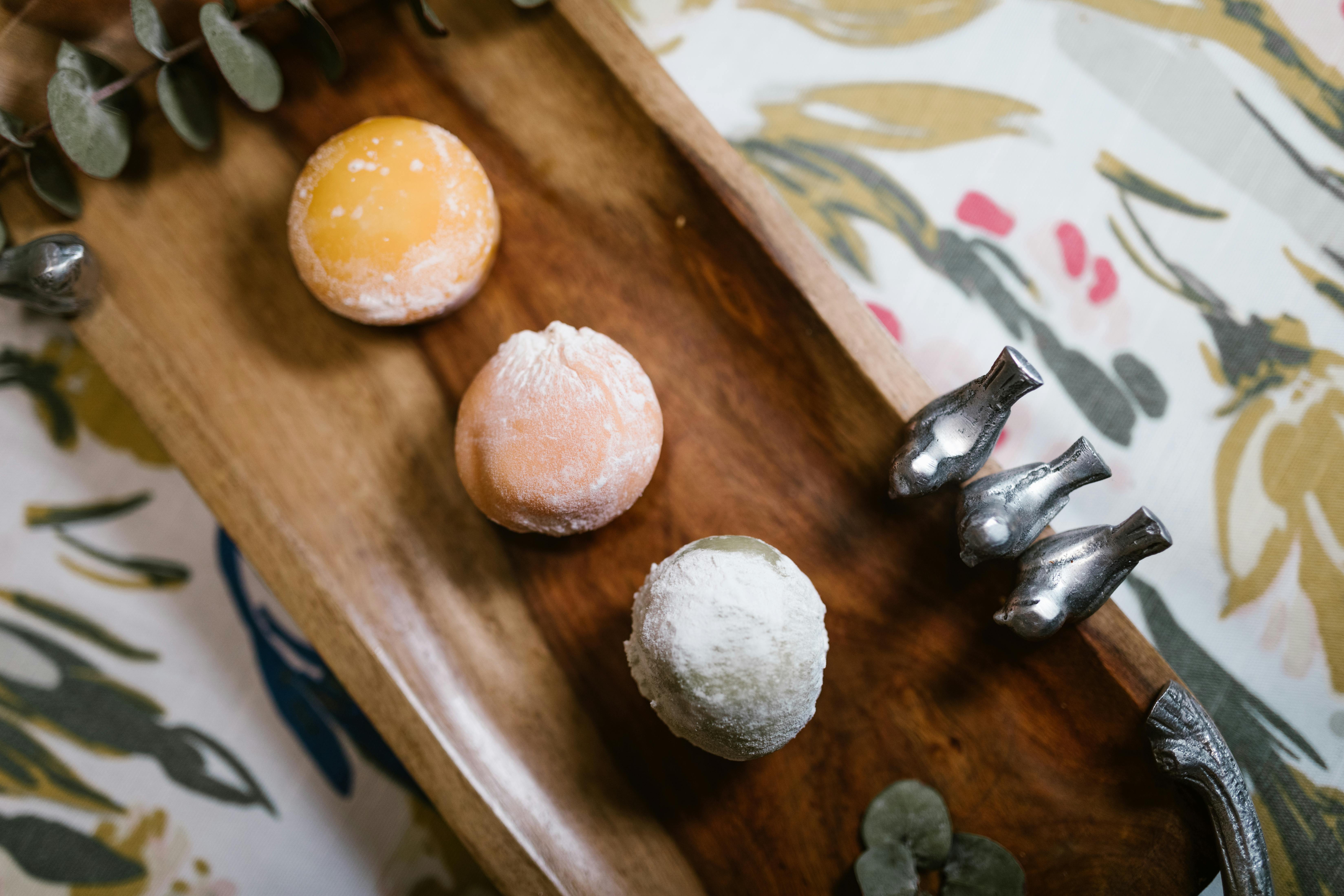
Spring food is its own reason to visit. White asparagus, bamboo shoots (takenoko, which appear only for a few weeks in spring and are treated as something close to sacred in Japanese kitchens), fresh mountain vegetables, and sakura-flavoured everything; mochi, lattes, soft-serve ice cream, Kit Kats, make eating in spring in Japan a particular pleasure.
Fewer summer crowds mean that popular destinations like Kyoto's golden pavilion, Nara's deer park, and Tokyo's Senso-ji temple are more accessible than they will be in July and August, when international tourism peaks.
Cool, comfortable temperatures across most of the country make extensive walking, which is how you want to experience Japan, genuinely enjoyable. Pack layers; mornings can be chilly even when afternoons are warm.
The Visa Process For Indian Travellers
Japan requires a tourist visa for Indian passport holders, and the process is relatively straightforward but does require some planning.
Application: The Japan tourist visa is a sticker visa applied for in person at the nearest Japanese consulate or through an authorised travel agent. The main consulates for Indian applicants are in Mumbai, Delhi, Chennai, Kolkata, Bengaluru, and Hyderabad. The application requires a completed visa form, a valid passport (with at least six months' validity), recent photographs, travel itinerary, hotel bookings, return flight bookings, and proof of sufficient funds (bank statements for the past three to six months).
Processing time: Typically four to five working days. Apply at least two to three weeks before your travel date to be safe, and longer during peak travel seasons.
Visa type: A single-entry tourist visa valid for 15 days is the standard issue for Indian tourists. A multiple-entry visa may be available depending on travel history.
Visa on arrival: Japan does not offer a visa on arrival for Indian passport holders. The visa must be obtained before travel.
Important note: Japan has been experiencing record tourist numbers in recent years, and the government has introduced some crowd management measures at popular attractions. A few sites (Senso-ji in Asakusa, the famous Fuji photography spot in Fujikawaguchiko) have introduced barriers or entry fees. These are localised and do not affect the overall experience significantly.
Getting Around And Where To Stay
The Japan Rail Pass remains one of the best value propositions in international travel for visitors covering multiple cities. A 7-day pass, which covers most Shinkansen (bullet train) routes, is the standard recommendation for a first-time Japan trip covering Tokyo, Kyoto, and Osaka. Purchase the pass before arriving in Japan; it cannot be bought once you are in the country.
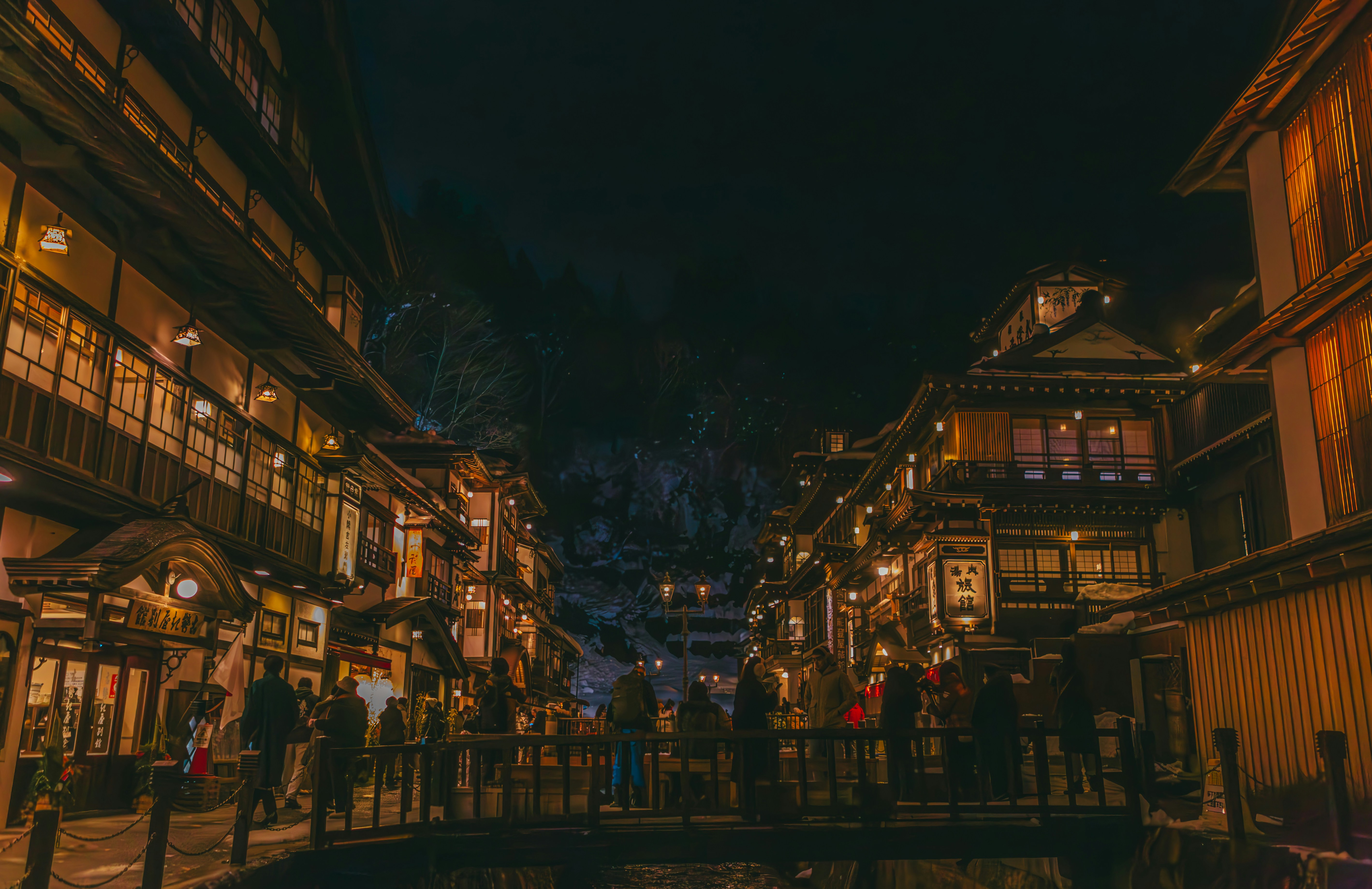
For accommodation during the sakura season, the best advice is to book as far in advance as possible. Traditional ryokan (Japanese inns) with tatami rooms and onsen (hot spring) baths are the most distinctively Japanese accommodation option and are worth seeking out, though they require earlier booking than hotels. Budget capsule hotels are excellent for solo travellers or those on tighter budgets.
Also Read: 10 Best Hill Stations To Visit In India For Summer Holidays 2026
The most practical Tokyo-Kyoto itinerary for a first-time spring visitor is roughly: Three to four days in Tokyo (Ueno, Nakameguro, Senso-ji, Shibuya, day trip to Nikko or Kamakura), one day in Nara (day trip from Kyoto by express train, deer park, Todai-ji temple), three to four days in Kyoto (Arashiyama, Philosopher's Path, Maruyama, Fushimi Inari), and an optional night in Osaka before flying home. This covers the core of Japan in a week to ten days.
A Pink Japan
Japan in spring is one of those travel experiences that lives up to its reputation completely, which is rarer than it sounds. The cherry blossoms are genuinely everything people say they are, briefly, perfectly, overwhelmingly beautiful. The food is at its seasonal best. The weather is as close to ideal as a country's weather gets. And the cultural depth that surrounds every moment of a Japan trip, the etiquette, the aesthetics, the extraordinary precision of everything from a bowl of ramen to a temple garden, gives spring travel here a texture that a beach holiday or a city break simply cannot match. The flowers have already started falling in Tokyo. If you have been waiting for a sign to book, this is it.
Track Latest News Live on NDTV.com and get news updates from India and around the world


