East Asia gets a lot of attention from Indian travellers, and deservedly so. Japan, South Korea, Thailand, and Bali have become genuinely beloved destinations with well-worn itineraries, great flight connections, and comfortable infrastructures for visitors. But East Asia is a vast and staggeringly diverse part of the world, and some of its most remarkable places sit just outside the spotlight, not because they are difficult to reach, but simply because the famous destinations get all the attention. This list is for the traveller who has already done Tokyo and wants to know what comes next. Seven places, each extraordinary in a completely different way, and each well within reach for an Indian passport holder.
Also Read: 10 Ancient Forests Older Than Civilisation You Can Actually Visit
1. Zhangjiajie, China
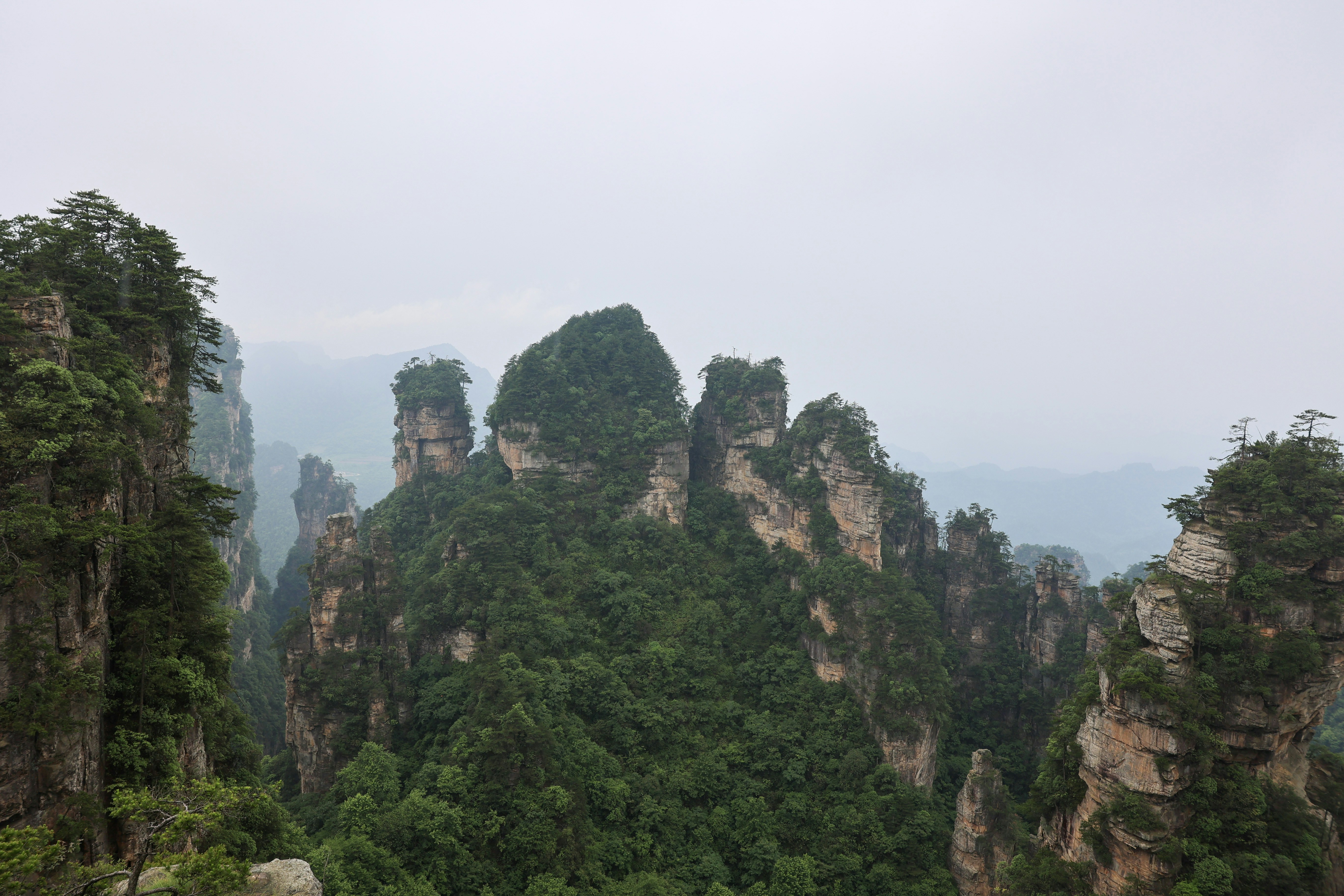
The landscape that inspired the floating mountains in Avatar, Zhangjiajie, is one of the most surreal natural environments on earth. Thousands of sandstone pillar formations rise from the forest floor, some reaching over 200 metres, often wreathed in mist. Walking among them feels more like stepping into a fantasy painting than a real place.
What to do: The Zhangjiajie National Forest Park is the centrepiece, with a network of walking trails, cable cars, and the famous Tianmen Mountain Glass Walkway, a transparent walkway built into the cliff face with a sheer drop below. The Bailong Elevator, the world's tallest outdoor elevator, ascends 326 metres through the rock face and deposits you on a plateau with panoramic views over the pillars. Wulingyuan Scenic Area, part of the same park system, is a UNESCO World Heritage Site and is best explored over two to three days.
How to get there: Fly to Zhangjiajie Hehua International Airport from major Chinese hubs like Changsha, Beijing, or Shanghai. From India, connect through Beijing, Shanghai, or Guangzhou. The most common Indian routing is a flight to Shanghai or Beijing, followed by a domestic connection.
Best time to visit: April to October, avoiding the peak summer crowds of July and August if possible.
2. Jiufen, Taiwan
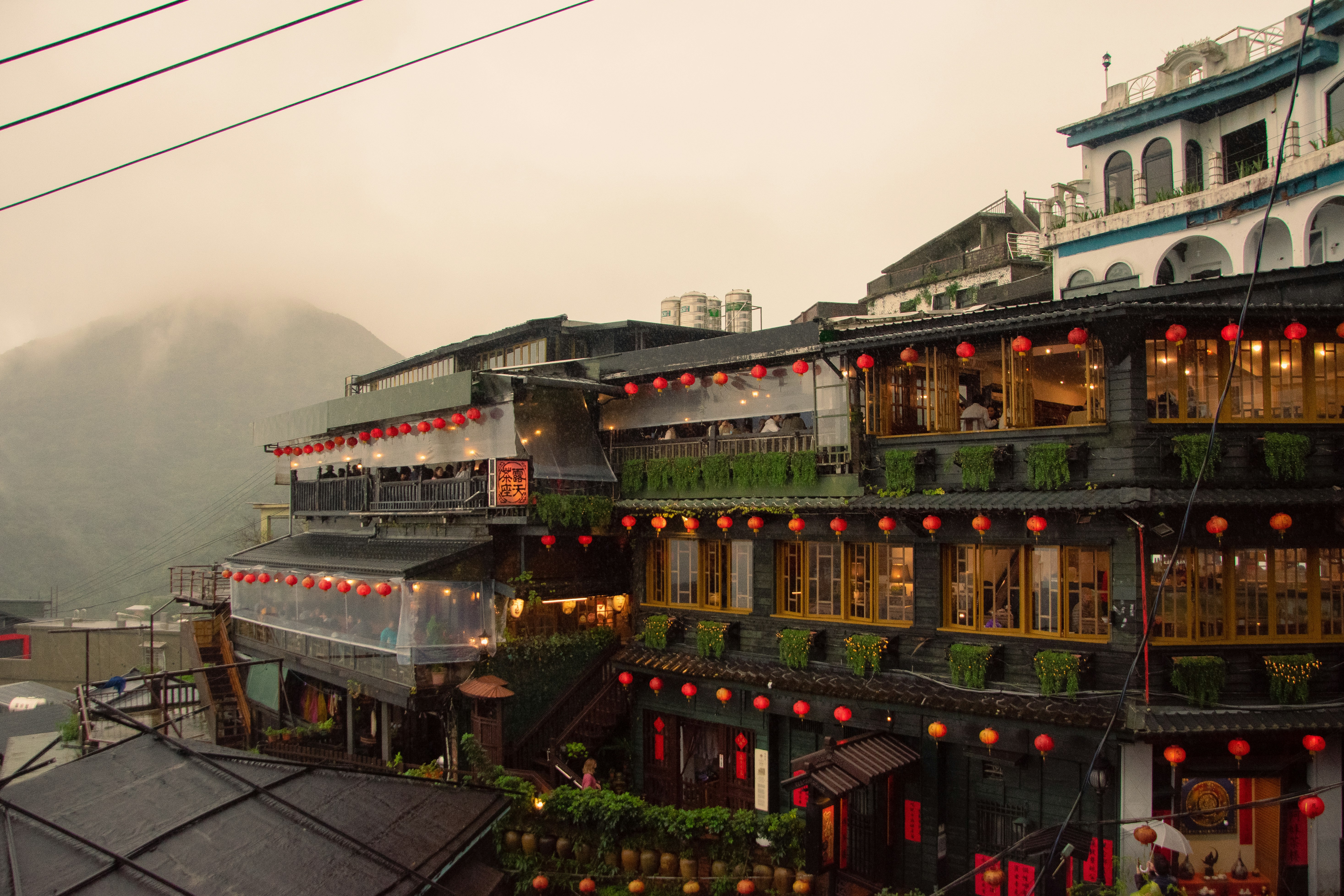
Jiufen is a hillside village in northern Taiwan that looks like a dream sequence from a Studio Ghibli film. Red paper lanterns hang over narrow stone staircases, old teahouses cling to the cliffside above the Pacific Ocean, and the whole town is layered over a hill in a way that gives every turn a new view. It is widely believed to have been the inspiration for the bathhouse town in Spirited Away, though this has never been officially confirmed by Miyazaki.
What to do: Walk the Jishan Street, the main pedestrian lane lined with snack stalls and shops selling local sweets. Climb to the A-Mei Tea House for a cup of Taiwanese oolong with an ocean view. Visit at dusk when the lanterns come on and the hillside turns amber. The nearby Jinguashi Gold Ecological Park tells the story of the town's gold-mining history.
How to get there: Fly to Taipei's Taoyuan International Airport, which has good connections from Indian cities via Singapore, Hong Kong, or Bangkok. From Taipei, take the MRT to Zhongxiao Fuxing, then a bus directly to Jiufen (about 70 minutes). Indian citizens can obtain a Taiwan e-visa (Republic of China visa) in advance.
Best time to visit: September to November.
3. Yakushima Island, Japan
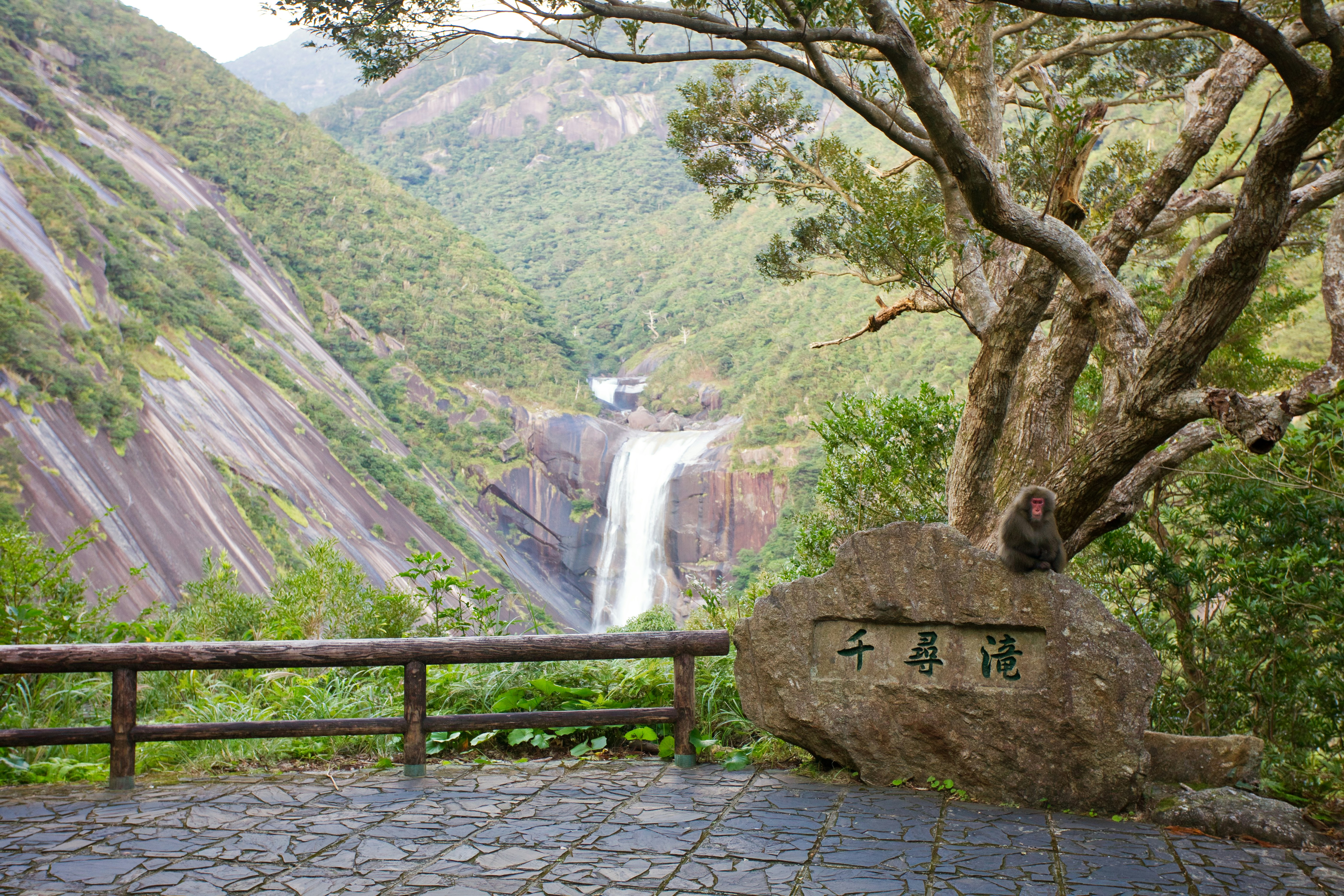
Yakushima is an island off the southern tip of Kyushu that is home to ancient cedar forests where some trees are estimated to be over 2,000 years old. The oldest known, named Jomon Sugi, is thought to be between 2,170 and 7,200 years old, depending on the dating method. The island inspired the forest in Princess Mononoke and is a UNESCO World Heritage Site. It receives some of the highest rainfall in Japan, which keeps the forest dense, mossy, and otherworldly.
What to do: The Jomon Sugi trail is a full-day hike of around twenty kilometres return, passing through ancient forest on a wooden walkway. The Shiratani Unsuikyo Ravine is shorter and equally beautiful, with moss-covered rocks, streams, and a cedar canopy. The island also has excellent diving and snorkelling in its coastal waters, and a resident population of sea turtles.
How to get there: Fly to Kagoshima from Tokyo or Osaka, then take a high-speed jet ferry (about two hours) or a small plane to Yakushima. From India, fly to Tokyo or Osaka and connect domestically.
Best time to visit: May and June (beautiful but rainy) or September to November.
Also Read: Phuket vs Krabi, Which Beach Destination In Thailand Suits Your Summer Travel Plans?
4. Zhouzhuang, China
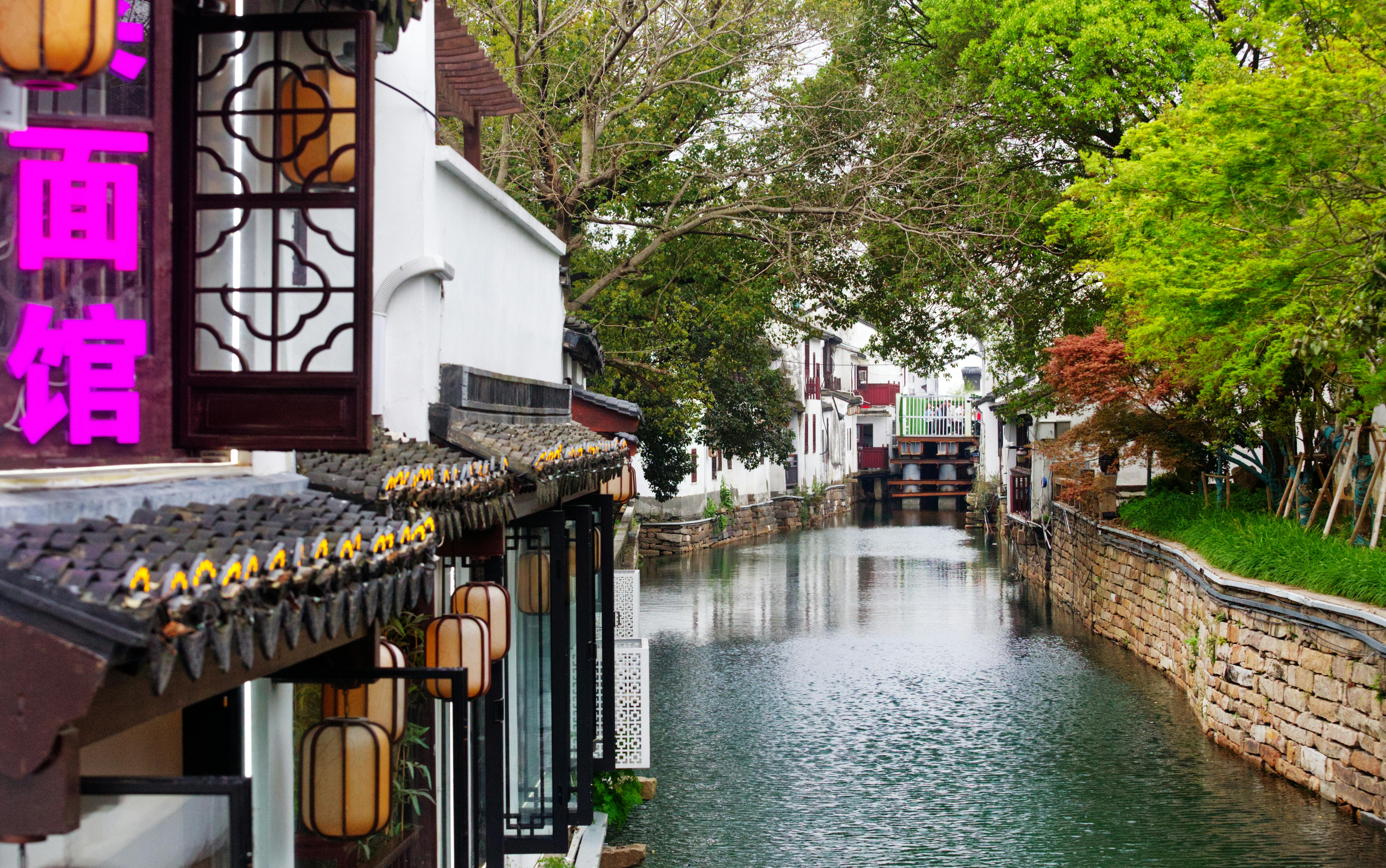
Zhouzhuang is a water town in Jiangsu province that has been continuously inhabited for over 900 years. Canals run between centuries-old stone houses, arched bridges connect the lanes, and gondola-style boats still ferry goods and passengers as they have for generations. It is sometimes called the Venice of the East, though it has a character that is entirely its own.
What to do: Walk the ancient lanes in the early morning before the day-trippers arrive from nearby Shanghai. Take a boat ride through the canals for the most atmospheric view of the town. The Shen's House and Zhang's House are well-preserved Ming and Qing dynasty residences open to visitors. The town is famous for its wankuai rou (braised pork in a clay pot), which you will find in almost every restaurant.
How to get there: Zhouzhuang is about 60 kilometres from Shanghai and reachable by a combination of Metro and bus, or by a direct bus from Shanghai's Nanmen Bus Terminal. A day trip from Shanghai works well, though an overnight stay gives you the town in its quieter, more beautiful hours. Indian citizens need a Chinese tourist visa.
5. Jeju Island, South Korea
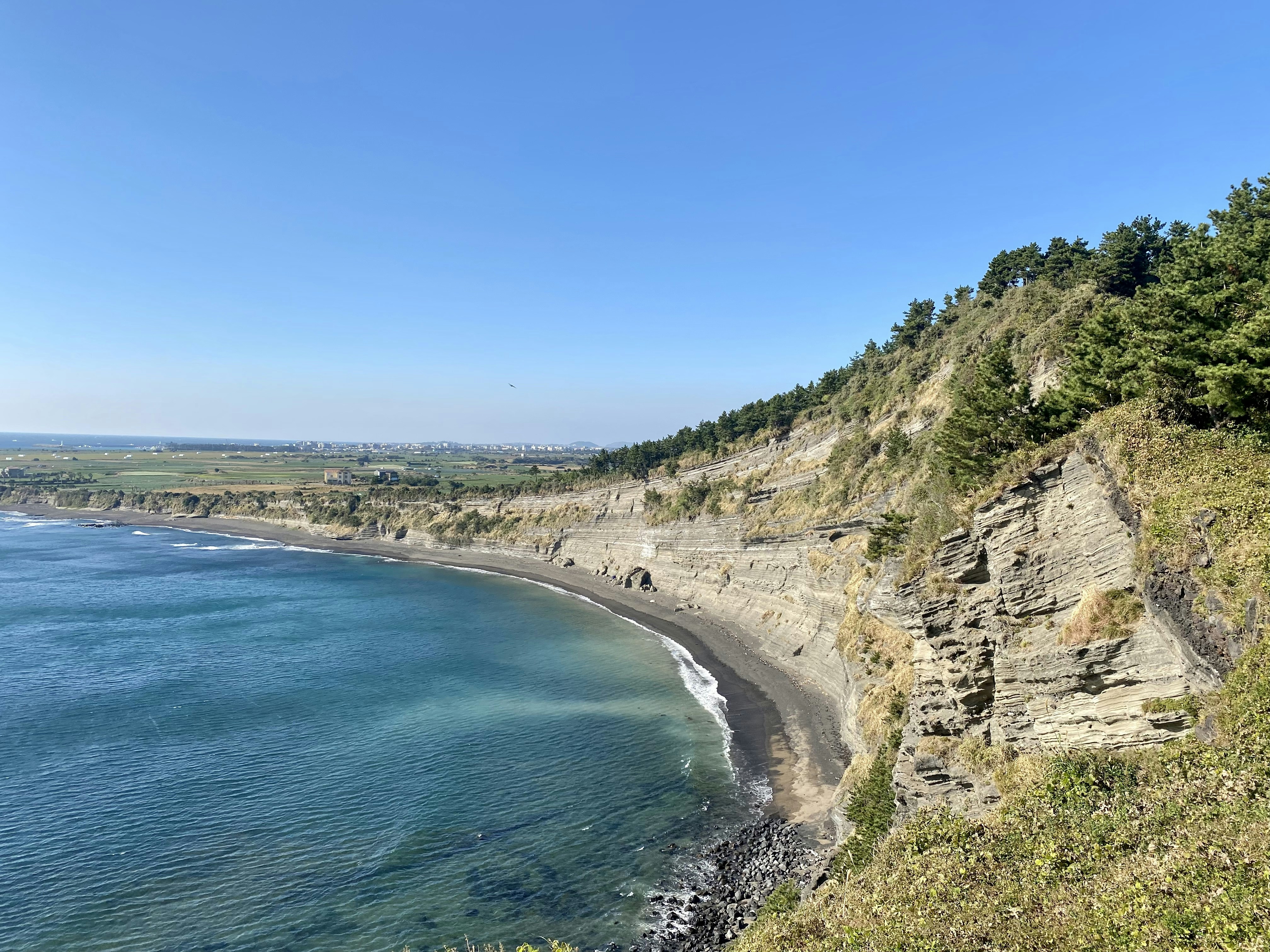
Jeju is South Korea's largest island and sits in the Korea Strait south of the peninsula. It was formed by volcanic activity and the landscape shows it: black lava fields, crater lakes, dramatic sea cliffs, and Hallasan, South Korea's highest peak and a dormant volcano that sits at the centre of the island. It is also home to the haenyeo, the famous women divers who free-dive for seafood without breathing equipment, a tradition recognised by UNESCO.
What to do: Hike Hallasan for the crater lake views at the summit. Walk the Jeju Olle Trail, a coastal walking network that circles most of the island in sections. Visit Manjanggul Cave, a lava tube that extends for over thirteen kilometres. See the Jeongbang Waterfall, one of the few waterfalls in Asia that falls directly into the sea. Eat haemul jeongol (seafood hotpot) and black pork barbecue, both Jeju specialities.
How to get there: Fly directly from Mumbai or Delhi to Seoul (Incheon), then take a domestic flight to Jeju (about one hour from Seoul). IndiGo, Air India, and Korean Air operate the India-Seoul route. Indian citizens can apply for a South Korean e-visa online.
Best time to visit: April to June and September to November.
6. Bagan, Myanmar
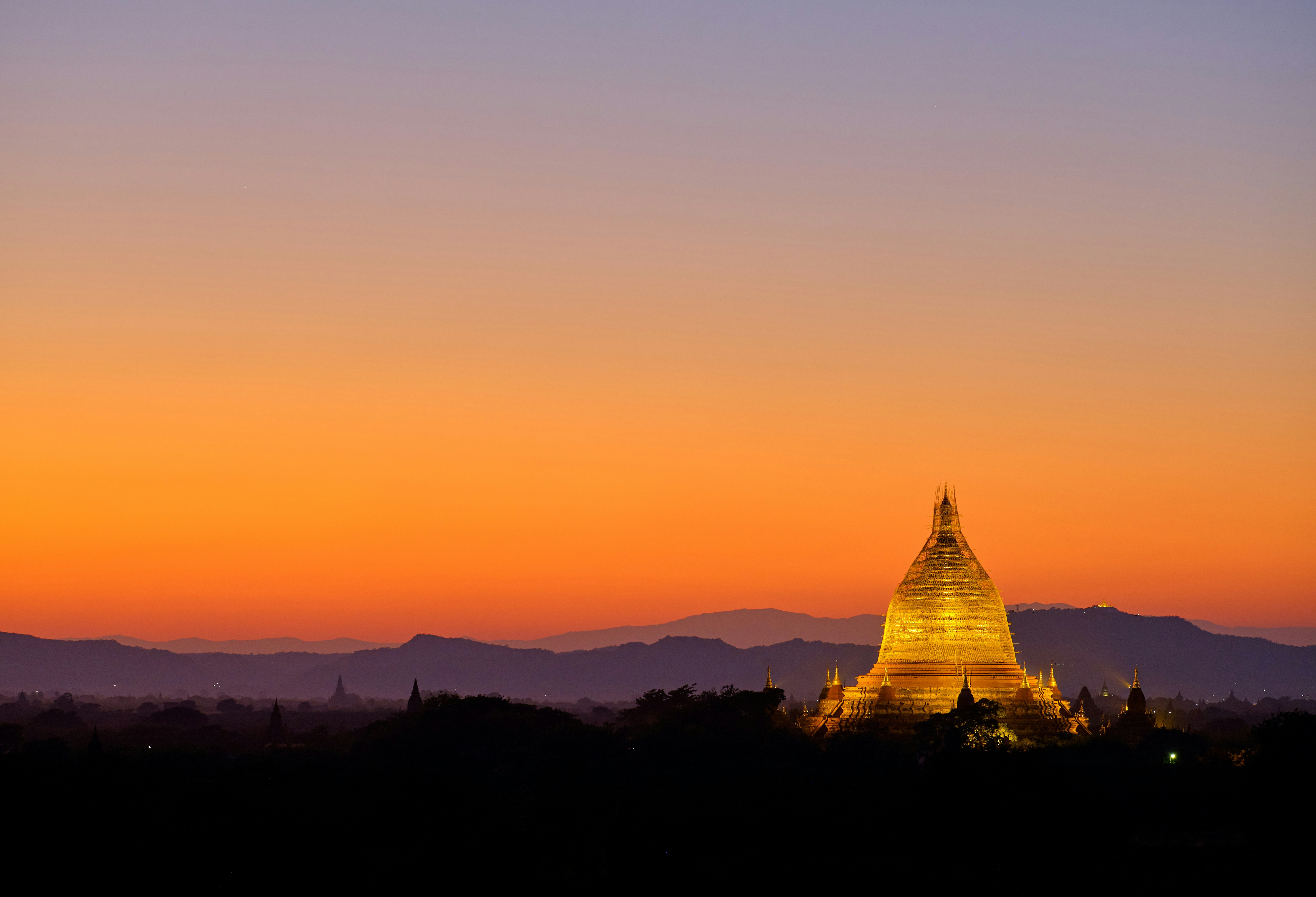
Bagan is one of the greatest archaeological sites in Southeast Asia: over two thousand Buddhist temples, pagodas, and monasteries spread across a dry plain in central Myanmar, most of them built between the 9th and 13th centuries. Watching hot air balloons drift over the temples at sunrise, with mist in the valley below, is one of those genuinely rare experiences that photographs cannot adequately communicate.
What to do: Rent a bicycle or an e-bike and explore the temple plain at your own pace. The advantage of Bagan is that you can simply turn down an unpaved lane and find a centuries-old temple with no one else there. Climb the Shwesandaw Pagoda for a panoramic sunset view over the plains. Take a hot air balloon ride (available from November to March) over the temple complex at dawn. The Bagan Archaeological Museum provides good context on the history of the Pagan Empire.
How to get there: Fly to Mandalay or Yangon from Bangkok or Singapore, then take a domestic flight or overnight bus to Bagan. From India, connect through Bangkok or Singapore. Check the current travel advisory for Myanmar before planning.
Best time to visit: November to February.
Also Read: Egypt Visa On Arrival Fees Hiked By 20%, What Indian Passport Holders Need To Know
7. Luang Prabang, Laos
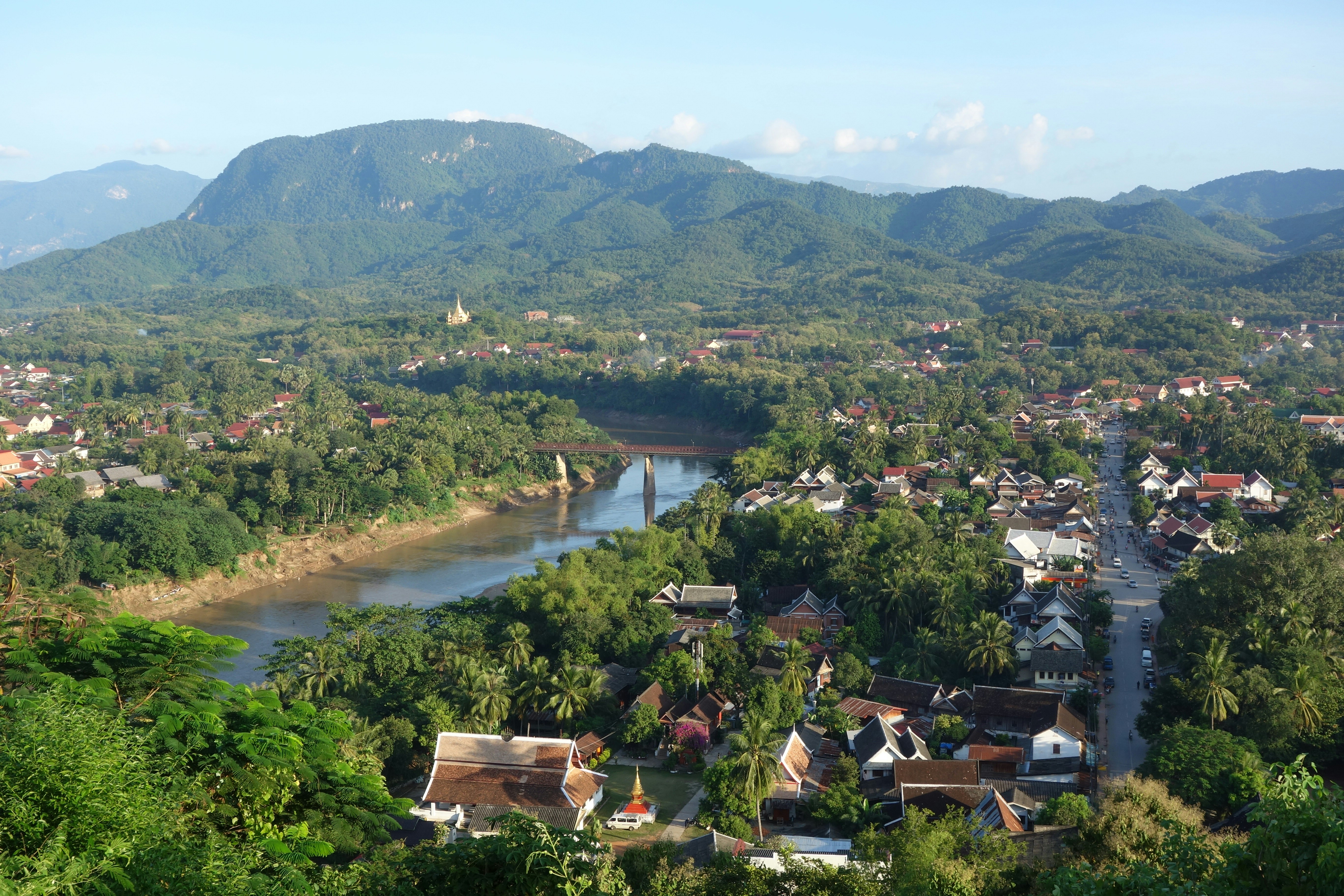
Luang Prabang is a small city in northern Laos, a former royal capital, where French colonial architecture sits alongside ancient Buddhist temples, and the Mekong River provides an unhurried backdrop to everything. It is one of the best-preserved towns in Southeast Asia and a UNESCO World Heritage city. The pace here is deliberate and slow in a way that few places manage anymore.
What to do: Wake early for the tak bat, the daily alms-giving ceremony where saffron-robed monks walk in procession through the streets at dawn, collecting rice and food from kneeling worshippers. Visit Kuang Si Falls, a series of turquoise-blue tiered waterfalls about 30 kilometres from the city. Climb Mount Phousi at sunset for a view over the whole town and the Mekong below. The Night Market on Sisavangvong Road is excellent for handwoven textiles and local crafts.
How to get there: Fly from Bangkok or Hanoi to Luang Prabang International Airport. From India, connect through Bangkok (easiest option) or Singapore. Indian citizens need a Laos visa on arrival or an e-visa.
Best time to visit: November to March, when the weather is dry and the skies are clear.
The Wonders Of East Asia
East Asia is a region that rewards the traveller who is willing to look slightly sideways from the obvious. None of the seven places on this list requires extraordinary effort or budget to reach from India, and each one offers something that the famous destinations cannot: a quieter, stranger, more surprising version of what makes this part of the world so extraordinary to visit. The next time the urge strikes to book a flight east, consider going somewhere on this list first. You will not regret it, and you will almost certainly return.
Track Latest News Live on NDTV.com and get news updates from India and around the world


