World Heritage Day: Ever wondered how the stories of our past survive the test of time? Observed annually on April 18, the day celebrates human history and promotes the preservation of historical, cultural and natural sites across the world. Established by the International Council on Monuments and Sites (ICOMOS) in April 1982 and later adopted by UNESCO in 1983, World Heritage Day draws attention to the challenges facing heritage sites today, including climate change, urban development and conflict.
At its core, heritage refers to places and creations that hold outstanding universal value for humanity. This includes architectural works, monumental sculptures and paintings, archaeological remains, inscriptions, cave dwellings and other cultural features that reflect the evolution of human civilisation, history, art and science. World Heritage Day therefore serves as a reminder of the richness and diversity of global heritage, its vulnerability, and the collective responsibility required to protect and conserve it for future generations.
Also Read: Florence Bans, Tightens Rules On Outdoor Dining To Protect UNESCO Heritage Streets
Theme Of World Heritage Day
Each year, the International Council on Monuments and Sites (ICOMOS) selects a theme to spotlight key issues related to heritage conservation. Past themes have included sustainable tourism (2017), rural landscapes (2019), and heritage in times of change (2023), among others.
For 2026, the theme is "Emergency Response for Living Heritage in Contexts of Conflicts and Disasters." It focuses on the protection of heritage sites and living traditions during crises such as wars, natural disasters and humanitarian emergencies.
Purpose Of World Heritage Day
World Heritage Day serves as a global call to action to protect both tangible and intangible heritage for future generations. The day is marked by a wide range of initiatives worldwide, including guided tours of monuments and heritage sites, heritage walks, special lectures, conferences, panel discussions and media coverage. In many regions, historical monuments also offer free or special access to encourage public engagement and awareness.
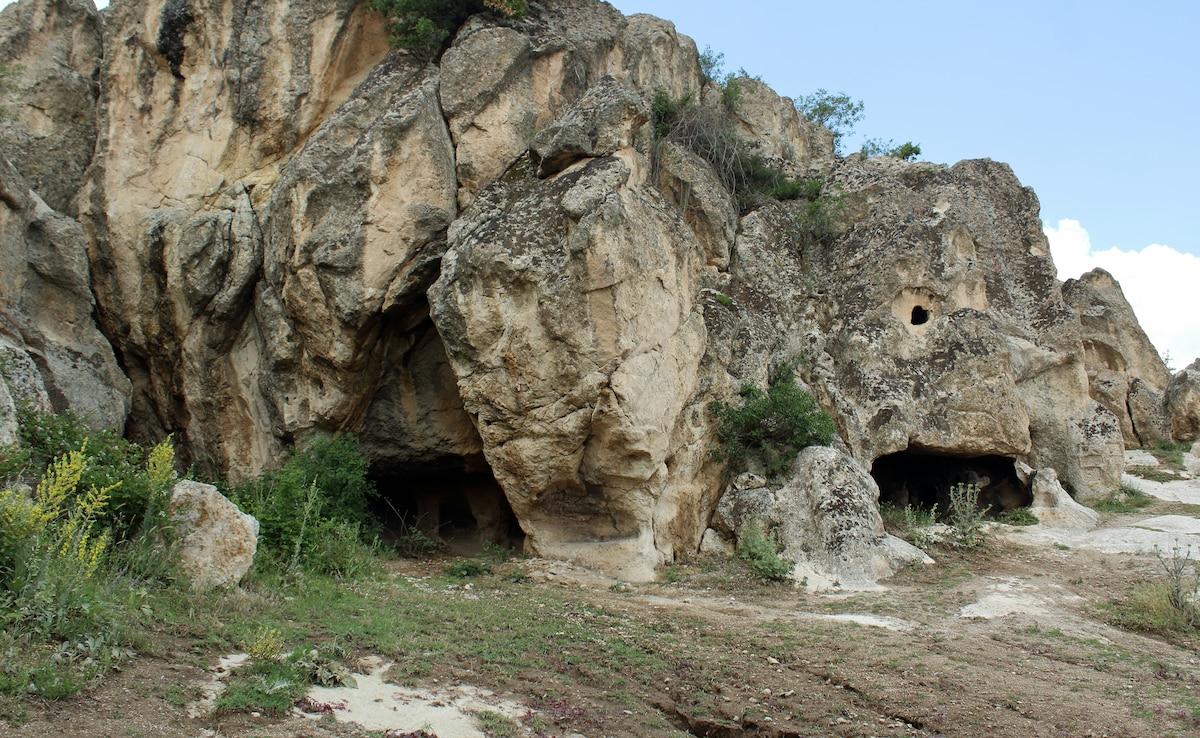
Photo Credit: Unsplash
Lesser-Known World Heritage Sites To Add To Your Travel Itinerary
Here are seven fascinating yet relatively unexplored World Heritage Sites that deserve a spot on your next trip.
1. Mesa Verde National Park, Colorado, USA
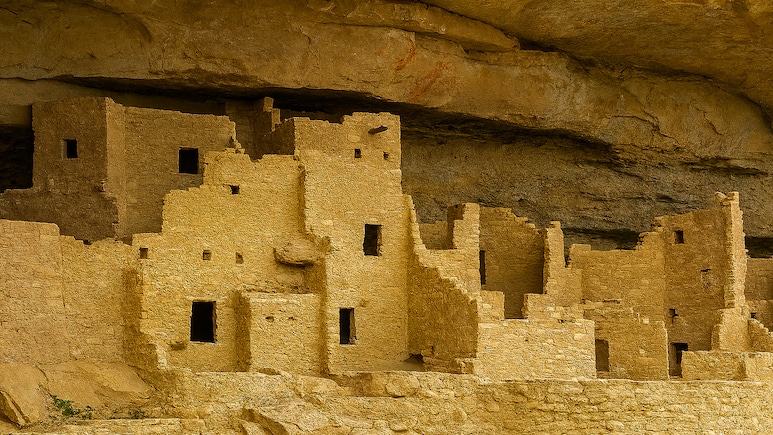
Located in the American Southwest, Mesa Verde National Park preserves dramatic canyons, sweeping vistas and ancient cliff dwellings. Once home to the ancestral Pueblo people between AD 450 and 1300, the park protects more than 600 cliff dwellings, including famous sites such as Cliff Palace, Balcony House and Square Tower House. Visitors can explore several dwellings through guided tours or enjoy scenic hikes that offer panoramic views of these archaeological treasures.
2. Bhimbetka Rock Shelters, Madhya Pradesh, India
Among India's most intriguing yet lesser-known UNESCO sites, the Rock Shelters of Bhimbetka lie about 1.5 hours from Bhopal. The site features prehistoric cave paintings dating back nearly 30,000 years. Spread across seven hills, more than 500 rock shelters showcase vivid depictions of early human life, with some caves displaying just a few artworks while others are completely covered in paintings.
3. Tsodilo Hills, Botswana
Often referred to as the "Louvre of the Desert," Tsodilo Hills contains more than 4,500 ancient rock paintings spread across just 10 square kilometres. Some artworks are believed to be around 24,000 years old, while archaeological evidence suggests the area has supported human life for over 100,000 years. The hills hold deep spiritual significance for the local San and Hambukushu communities, who consider the site sacred.

Photo Credit: Unsplash
4. Historic Centre of Salvador de Bahia, Brazil
Brazil's first capital, Salvador's historic centre is known for its colourful colonial buildings, lively public squares and ornate Baroque churches. Beneath its vibrant present, however, lies a painful history tied to the transatlantic slave trade. Once home to the first slave market in the New World, Salvador today proudly celebrates its Afro-Brazilian heritage through traditions such as capoeira, samba-reggae music and flavourful local cuisine.
5. Mogao Caves, China
Also called the "Caves of the Thousand Buddhas," the Mogao Caves comprise 492 rock-cut caves featuring nearly 45,000 square metres of murals and more than 2,000 painted sculptures. Carved into cliffs above the Dachuan River along the ancient Silk Road, the site represents nearly a thousand years of Buddhist art, spanning the 4th to the 14th century AD.
6. Ayutthaya, Thailand
Situated about an hour north of Bangkok, Ayutthaya offers a glimpse into Thailand's once-glorious past. Before its destruction by the Burmese army in 1767, the city was a major hub of trade and diplomacy. Today, its majestic ruins-palaces, temples and monasteries-stand as reminders of its historical importance.
Also Read: Ayutthaya Travel Guide: Explore Thailand's Most Fascinating UNESCO Day Trip
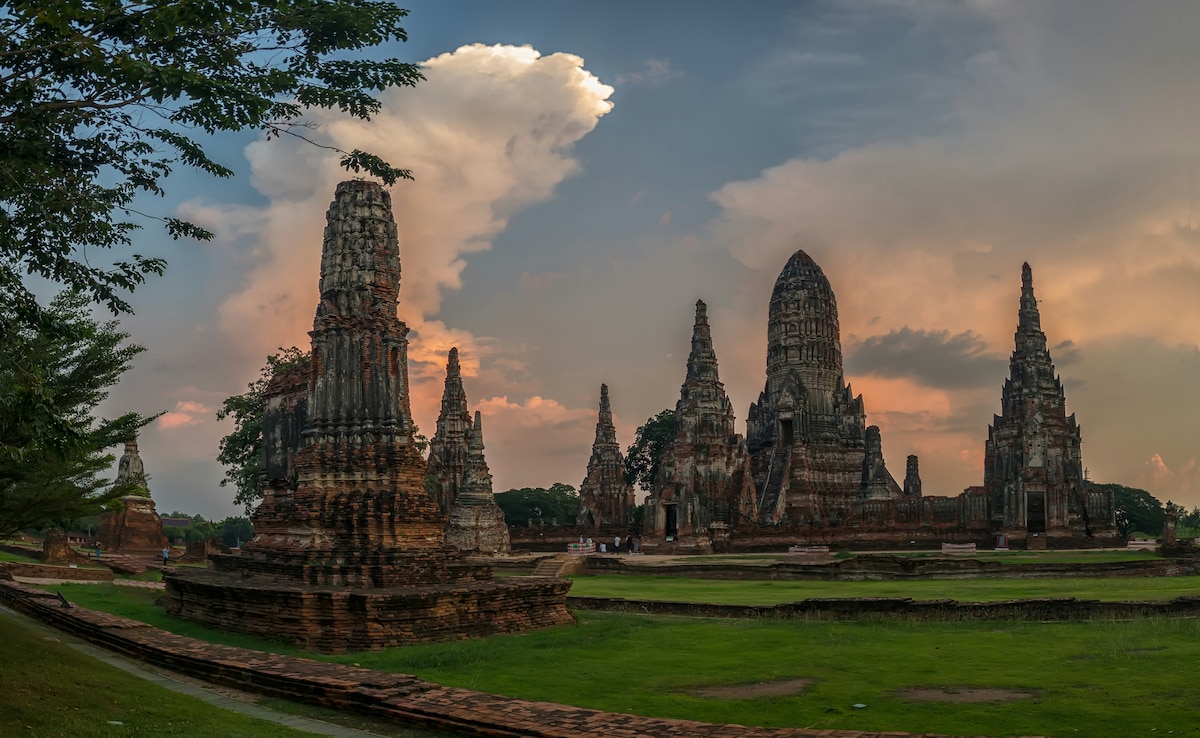
Photo Credit: Unsplash
7. Old City Of Mostar, Bosnia and Herzegovina
The Old City of Mostar, centred around the iconic Stari Most bridge, reflects a blend of Ottoman, Mediterranean and Western European architectural influences. Originally built in the 15th and 16th centuries, the area symbolises cultural coexistence. After being destroyed during the Bosnian War in the 1990s, the city was carefully rebuilt, preserving its historical character while standing as a symbol of reconciliation.
Each of these heritage sites offers a powerful journey into the past, transporting visitors to ancient times the moment they arrive.
Track Latest News Live on NDTV.com and get news updates from India and around the world


