




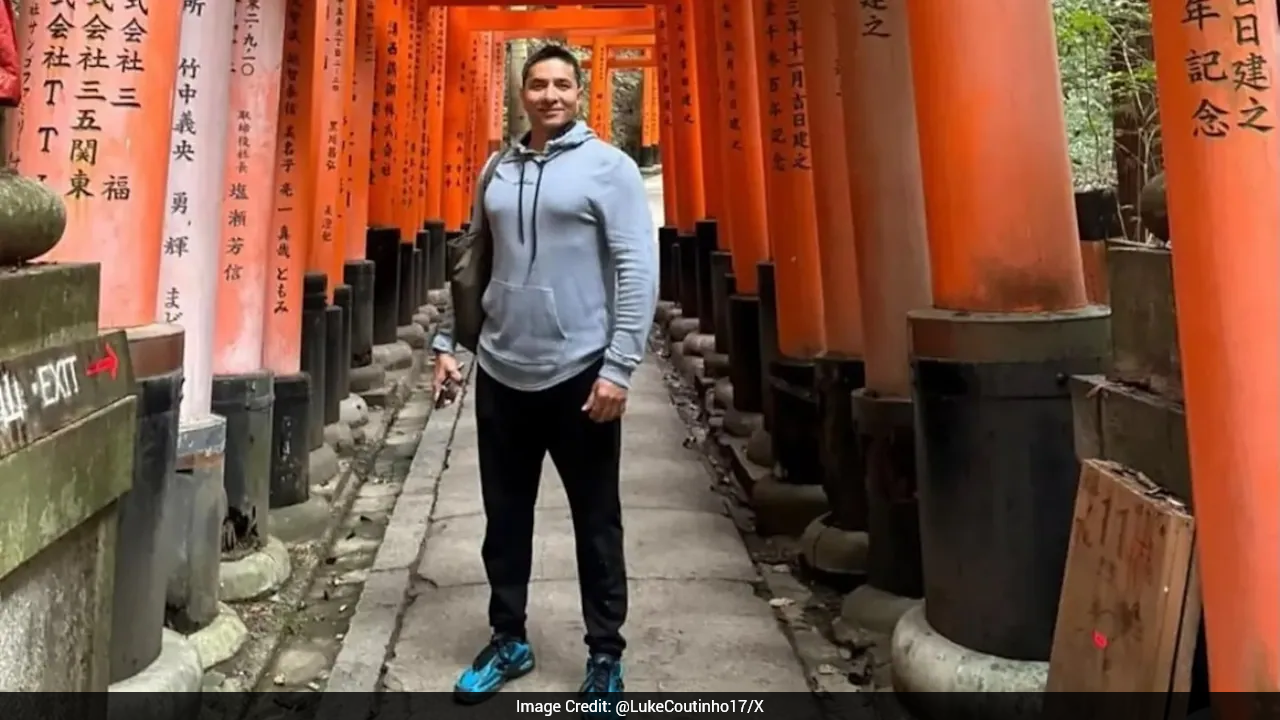
A five-day visit to Japan to study health and science left X user Luke Coutinho reflecting on four Japanese words that changed how he looks at life. In a post on X, Coutinho shared the meanings of these words and explained how they offer lessons on making space for rest, respecting others, maintaining quality of life and choosing consistency over urgency.
The first word Coutinho highlighted was Yutori, which he explained as leaving some room in life. He noted that people have become obsessed with filling every minute with meetings, calls, workouts, podcasts, goals and work.
According to Coutinho, the body heals in stillness, while the mind thinks clearly when given space. He added that people have forgotten what it feels like to simply breathe.
The second word was Rei, which means respect. Coutinho recalled watching people bow in Japan to welcome someone, thank someone, or simply acknowledge another person.
He wrote that the most grounded and confident people he knows carry deep respect for others. According to him, showing respect does not make a person smaller but makes them bigger.
Check Out The Post Here:
I spent 5 days in Japan studying health and science. But I came back with 4 words that changed how I look at life. The Japanese have words we simply don't have in English. And when I heard them, I could not stop thinking about how much we are missing. 4 words that I brought back home with me. 1. YUTORI (ゆとり) — Leave some room in your life. We have become obsessed with filling every single minute. Meetings. Calls. Workouts. Podcasts. More goals. More hustle. But your body heals in stillness. Your mind thinks clearly in space. We have forgotten what it feels like to just breathe. 2. REI (礼) — Respect doesn't make you smaller. I watched people bow here. To welcome someone. To thank someone. To simply acknowledge another human being. The most grounded, confident people I know carry deep respect for others. It does not shrink them. It makes them bigger. 3. PIN PIN KORORI (ピンピンコロリ) — Don't only live longer. Stay capable longer. This one hit me hard. Because we chase longevity. But longevity without quality of life means nothing. The real goal is to be sharp, strong, mobile, and present for as long as possible. That is what I call Human Capacity. And you build it every single day with the small choices you make. 4. ISOGABA MAWARE (急がば回れ) — Sometimes the slower route gets you there faster. We glorify urgency. Fix yourself faster. Grow faster. Heal faster. But your body does not work on urgency. It works on consistency. The slow, steady, intentional path always wins. Japan did not just teach me about health. It reminded me that the way you live every day is the medicine. Which one are you going to start using in your life today? #japan #india #lifelessons
— Luke Coutinho (@LukeCoutinho17) October 26, 2026
The third expression, Pin Pin Korori, carries the message that people should not only aim to live longer but also remain capable for longer.
Coutinho explained that longevity without quality of life means little. He said the real goal is to remain sharp, strong, mobile and present for as long as possible.
He described this approach as "Human Capacity" and added that it is built every day through small choices.
The fourth expression was Isogaba Maware, which Coutinho explained as the idea that sometimes taking the slower route can help a person reach their destination faster.
He observed that people often glorify urgency, whether it involves fixing themselves, growing or healing faster. However, he pointed out that the body does not work on urgency but on consistency.
According to Coutinho, the slow, steady and intentional path always wins.
Reflecting on his five days in Japan, Coutinho wrote that the experience did more than teach him about health. It reminded him that the way people live every day is itself a form of medicine.
Track Latest News Live on NDTV.com and get news updates from India and around the world

