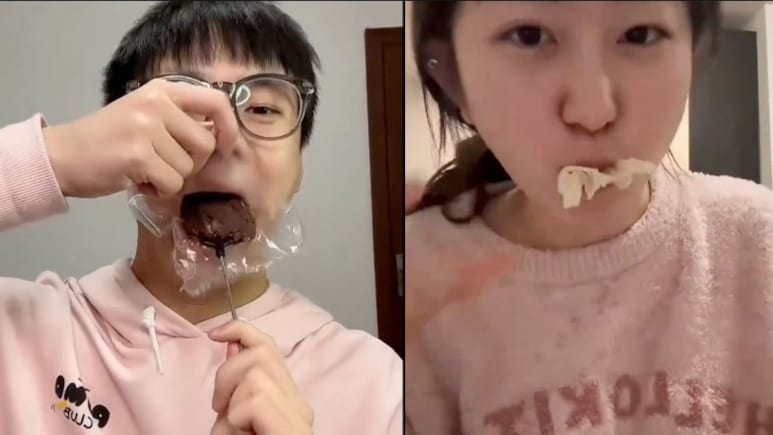
From juice cleanses to extreme fasting, weight loss trends never really slow down. Every few months, social media throws up something new. Some promise quick fat loss, while others claim to “reset” your metabolism. Many are built around one big idea –eat less, look thinner, feel better. But in the race to drop kilos fast, logic often takes a backseat.
Now, a new and strange trend is grabbing attention online, especially among the younger generation in China. It is being called the “plastic eating” trend. The videos are going viral in China on TikTok and other platforms and now has made its way on X. The idea sounds bizarre. But many youngsters seem to be trying it.
-

-
 World's 1st AI Actor Tilly Norwood Was Asked If She Knew Hindi. A Conversation Followed
 -
 AI Law In India Soon? What Ashwini Vaishnaw Said At NDTV World Summit
 -
 Eline van der Velden At NDTV Summit: AI Film Industry Will Create More Jobs
 -
 'Delhi vs Mumbai? World's First AI Actress Picks 'Chaos' At NDTV World Summit
 -
 Superintelligent AI Could Be A Year Away: Ex-Google DeepMind Researcher
 -
 'Threat Very Real To India': Microsoft AI Expert At NDTV World Summit
 -
 Iran's Supreme Leader's Representative Says India Can Play 'Big Role' In Middle East Peace
 -
 Palestine Ambassador Accuses Netanyahu Of Supported Hamas, Blocking Two-State Solution
 -
 Palestine Ambassador On Conflict With Israel: "It's A Genocide"
 -
 'The Balance Of Global Power Is Shifting': Shashi Tharoor At NDTV World Summit
What Is The Plastic Eating Trend?
As per Grok, an AI chatbot, “This trend, known as ‘plastic eating' or ‘cling wrap diet,' aims to trick the brain into feeling satisfied without consuming calories. People chew food with plastic wrap in their mouth, then spit it out, supposedly curbing cravings and aiding weight loss. However, its effectiveness and safety are unproven, and it risks health issues like choking.”
The idea behind it is that chewing gives you the feeling of eating. Your brain senses taste and texture. So you feel like you have had a meal. But since you spit it out, you do not take in calories. For some, this sounds like a shortcut to weight loss.
A trend among young people in China: For fear of obesity and in order to feel full, they place a plastic bag over their mouth while eating.pic.twitter.com/WZmOHS9LvO
— China pulse ???????? (@Eng_china5) February 17, 2026
Physical Side Effects Of The Plastic Eating Trend
Since the trend involves chewing food through plastic wrap, experts are raising red flags. A study published by the National Institutes of Health has highlighted that microplastics can harm the body in several ways. Here are some of the possible physical side effects:
1. Digestive System Damage
When microplastics are ingested through food or water, they can irritate the gastrointestinal tract. This can lead to inflammation. Symptoms may include abdominal pain, bloating, nausea, vomiting and changes in bowel habits. Even if people spit the food out, tiny plastic particles can still enter the mouth and digestive system.
2. Respiratory Problems
Plastic wrap near the mouth also increases the risk of inhaling tiny plastic particles. Once in the lungs, microplastics may cause oxidative stress and inflammation. This can result in coughing, sneezing, shortness of breath, fatigue and dizziness.
3. Endocrine Disruption (Hormonal Imbalance)
Microplastics can interfere with hormone production, release and metabolism. They can carry endocrine-disrupting chemicals like bisphenol A (BPA). These chemicals are associated with metabolic disorders, developmental issues, infertility, miscarriage and congenital abnormalities.
4. Chronic Inflammation
Experimental studies show that microplastics increase reactive oxygen species (ROS) production. This leads to oxidative stress and inflammation in organs like the liver, intestines and lungs. Chronic inflammation is linked to many long-term health issues.
5. Immune And Nervous System Effects
Microplastics can activate immune responses. This may lead to long-term immune system imbalance. Animal studies have shown immune gene activation and inflammation in different organs.
Mental Side Effects Of The Plastic Eating Trend
Beyond the physical risks, there are serious mental health concerns linked to such trends.
1. Unhealthy Relationship With Food
Chewing food and spitting it out is not a normal eating habit. It can slowly turn into a pattern. This behaviour is sometimes seen in eating disorders. It can make people fear calories and feel guilty about eating.
2. Increased Anxiety Around Body Image
Social media already creates pressure to look a certain way. Watching others try extreme hacks for weight loss can increase stress. Youngsters may feel they are not doing enough to stay thin. This can lower confidence and increase body shame.
3. Obsessive Thoughts About Food
When eating becomes something to “control” instead of enjoy, it can lead to constant thoughts about calories and weight. This can disturb daily life. It may also affect studies, work and social life.
4. Mood Swings And Irritability
Not eating properly can affect blood sugar levels. This can cause mood swings, low energy and irritability. Over time, poor nutrition can impact mental clarity and focus.
5. Risk Of Developing Eating Disorders
Repeatedly chewing and spitting food may become addictive. It can develop into more serious eating problems. Early habits like this can increase the risk of disorders such as bulimia or other disordered eating patterns.
Why Quick Fixes Rarely Work
There is no strong proof that chewing and spitting helps with long-term weight loss. In fact, it may increase cravings later. When the body does not receive real nutrition, hunger hormones can rise. This can lead to overeating later in the day.
The “plastic eating” trend may be viral right now. But viral does not mean safe. Before trying any online challenge, it is important to pause and think.
Track Latest News Live on NDTV.com and get news updates from India and around the world
