
- Initial skin dullness during detox is common due to sudden calorie and nutrient reduction
- Body prioritises vital organs over skin repair in early detox phases causing dullness
- Juice-only and liquid detoxes risk dehydration and lack nutrients crucial for skin health
Detox diets have become synonymous with health and radiance. From promises of a refreshed digestive system to glowing skin, expectations are often sky-high. Yet for many people, the initial experience is quite different. Instead of an immediate glow, the skin may appear tired, dry, or dull.
We spoke to nutritionists and dermatologists to understand why this happens, which detox approaches are harder on the skin, and how to reset safely without compromising skin health.
What Happens In The First Days Of A Detox
Nutritionist and lifestyle fitness coach Ruchita Batra explains that this temporary dullness is a common and normal response to sudden dietary shifts.
She says, "Many people expect a 'glow' as soon as they start a detox diet, but the opposite can happen initially; the skin may look dull, dry, or tired. This is usually temporary and linked to how detox diets affect the body."
She adds that rapid reductions in carbohydrates, protein, and fats push the body into a low-energy state, prioritising vital organs over skin repair, which quickly impacts brightness and circulation:
"When you cut down on your carbohydrates, protein, and fat, the body suddenly enters a low energy state, and it turns its priority to feeding essential nutrients to organs over skin repair, which in turn temporarily reduces skin brightness and circulation."
Dermatologist Dr Gaurav Garg calls this a survival shift, where the skin receives fewer resources: "Starving the system? That's when dullness, dryness, or breakouts often appear. Vital organs get priority. Everything else waits."
With slower renewal, "Cells renew at a crawl now; old ones stick around longer. Surface texture turns flat, patchy, and lacklustre by morning light."
Dehydration can intensify the dullness, especially when detoxes rely heavily on juices, herbal teas, or other diuretics.
As Dr Garg explains, "Fluid loss climbs when detox routines rely on diuretics, laxatives, or minimal salt. Cells lose water because of it. Skin tightens and loses bounce. Fine cracks show up clearer now."
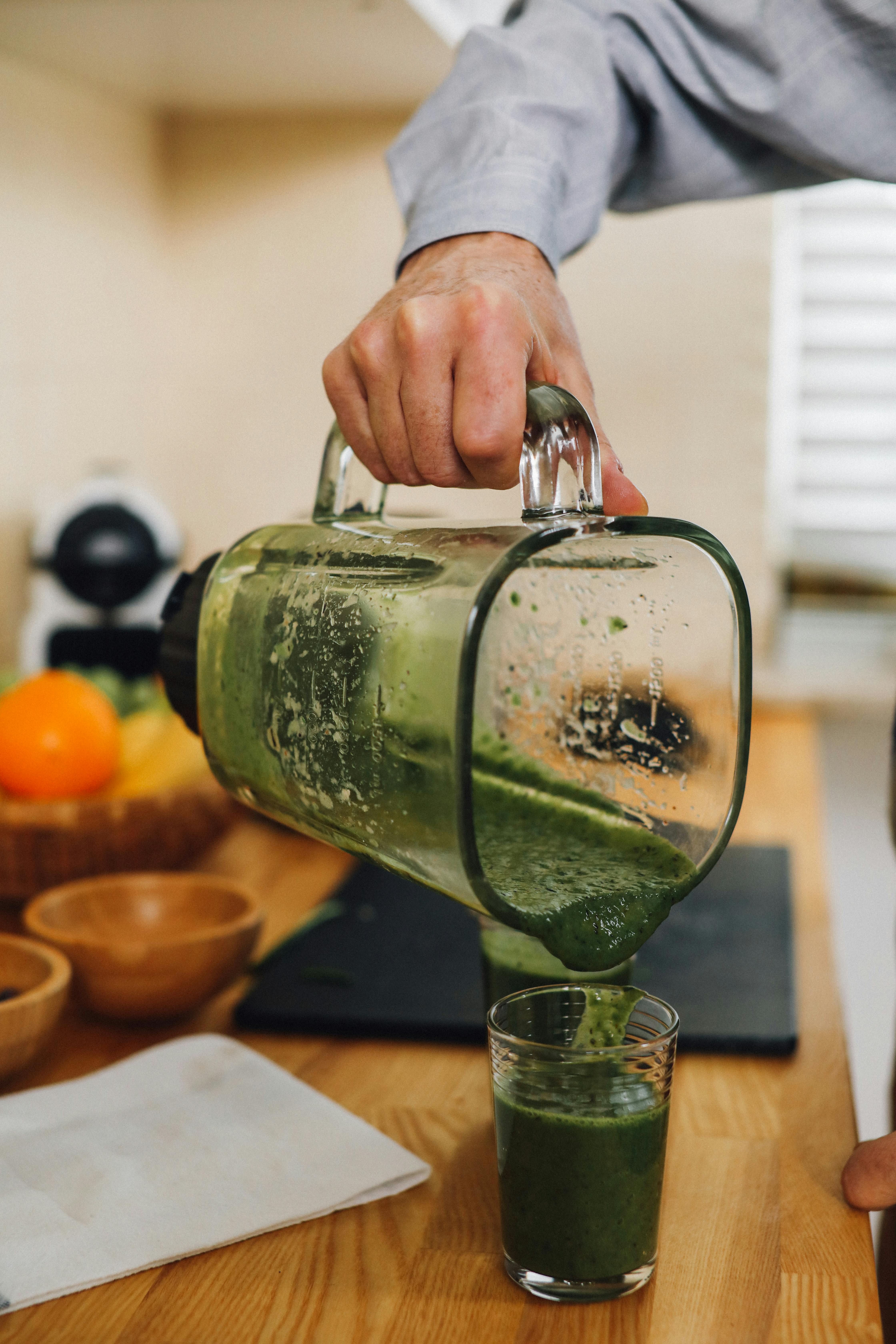
Rapid reductions in carbohydrates, protein, and fats push the body into a low-energy state.
Photo Credit: Pexels
Are Some Detoxes Harder On The Skin?
Batra warns that heavy liquid detoxes heighten the risk of dehydration and nutrient gaps.
"Dehydration is another big reason because dependency goes on juices, herbal tea, and diuretics that increase fluid loss. If water and electrolytes are barely compromised in the body, the skin might appear dark, dry, and lacklustre."
Dermatologist Dr Abhishek Pilani notes that juice-only cleanses and extreme calorie cuts tend to lack vital nutrients needed for barrier strength and collagen support: "Liquid-only and juice cleanses often lack adequate protein, healthy fats, zinc, iron, and B vitamins, all crucial for maintaining the skin barrier and collagen production."
He adds, "The skin reflects internal balance; drastic restrictions often manifest quickly as dullness, dehydration, or inflammation."
Nutritionist Riccha Parmmar says restrictive detoxes can impact blood sugar and circulation before the body adapts. She says, "Some detox diets are so restrictive, like liquid detox, that they lead to blood sugar changes, which lead to low blood circulation and low energy, which affect skin cell functions."
Why Nutrient Shifts Affect The Glow
Pilani explains that glycogen depletion pulls water out of the skin, while low intake of essential fats weakens the lipid barrier, saying, "Glycogen stores deplete quickly and this leads to fluid loss. The skin may appear dull, tight, or flaky. Reduced intake of essential fatty acids can weaken the lipid barrier. Lower protein intake may temporarily affect collagen support, making skin look less plump."
Garg adds that early in a detox, the skin's turnover slows. He says, "This happens because early in a detox, the body adjusts fast. For some, skin loses its glow at first. It might feel tight or rough. Changes show within one to two weeks."
Parmmar mentions that withdrawal from sugar, caffeine, and high-calorie foods can show up on the skin as well: "Rapid changes in diet along with fluid intake can also reduce skin glow until the body adapts."
"People who stop consuming high-calorie food, sugar, and caffeine also experience short-term headaches, fatigue, and poor sleep, which reflect on their skin," adds Parmmar.
Batra adds that stress hormones surge with sudden restriction: "Lastly, sudden dietary restriction increases stress hormones like cortisol, which can impair skin barrier function and reduce natural radiance."
Normal Vs Harmful Signs To Watch
Short-term dullness, dryness, and mild breakouts can be part of normal adjustment. Pilani cautions that prolonged effects may indicate imbalance and says, "Severe or prolonged dryness, however, signals nutritional imbalance rather than a healthy reset."
He adds, "If symptoms last beyond two weeks or worsen, it's important to reassess the diet and consult a healthcare professional. Detox should support the body's natural liver and kidney function, not override it."
How To Detox Safely Without Compromising Skin
Experts agree that detoxing should never mean starving the body of essential nutrients. Hydration, protein, healthy fats, and micronutrients are key.
Batra advises, "The key is understanding that skin health reflects nutritional balance, not extremes. A balanced, food based detox that includes hydration, protein, and essential nutrients supports natural detoxification without compromising skin health."
Parmmar adds that sustainable eating patterns are better than aggressive short-term cleanses: "A detox program that maintains proper protein and nutrition levels and good fat content and fibre and water requirements helps better liver function... Sustainable nutrition methods lead to better long-term skin brightness than extreme dieting methods."
Pilani recommends a gentle skincare routine during restrictive phases and says "Use a mild cleanser, hydrating serum with hyaluronic acid, barrier-supporting moisturizer containing ceramides, and daily sunscreen. Avoid strong exfoliants, retinoids, or aggressive treatments during calorie-restricted phases."
10 Key Takeaways
Initial dullness is common when calories, carbs, protein, and fats are sharply reduced.
During early detox, the body prioritises vital organs over skin repair.
Liquid-heavy, juice-based, and diuretic-rich plans increase fluid loss and may dull the skin.
Juice-only cleanses and extreme calorie cuts often lack nutrients essential for collagen.
Sugar spikes and low fibre during juice cleanses may worsen breakouts.
Sudden restriction can raise cortisol, reducing natural radiance.
Glycogen depletion lowers bound water, while low essential fats and protein reduce plumpness.
Mild dryness and dullness may be normal; persistent symptoms indicate imbalance.
Balanced, food-based resets with proper hydration and nutrients support skin and liver function.
Gentle, barrier-focused skincare is best during detox; avoid harsh actives if skin feels sensitive.
Bottom Line
A detox diet can cause temporary dullness or dryness, but this is usually the body adjusting to sudden dietary changes and not a sign of toxins leaving. Skin reflects overall nutritional balance, not extremes. Prioritising hydration, protein, healthy fats, fibre and antioxidant-rich foods, along with gentle skincare, helps the body detox naturally without compromising the skin's barrier or radiance.
Temporary dullness is simply your skin asking for nourishment. With consistency and balanced choices, natural brightness always returns.
Disclaimer: This content including advice provides generic information only. It is in no way a substitute for a qualified medical opinion. Always consult a specialist or your own doctor for more information. NDTV does not claim responsibility for this information.
Also Read: Maharashtra Doctor Explains How Eating Dinner At 6 PM Can Fix Gut Health And Help With Fat Loss
Track Latest News Live on NDTV.com and get news updates from India and around the world
