





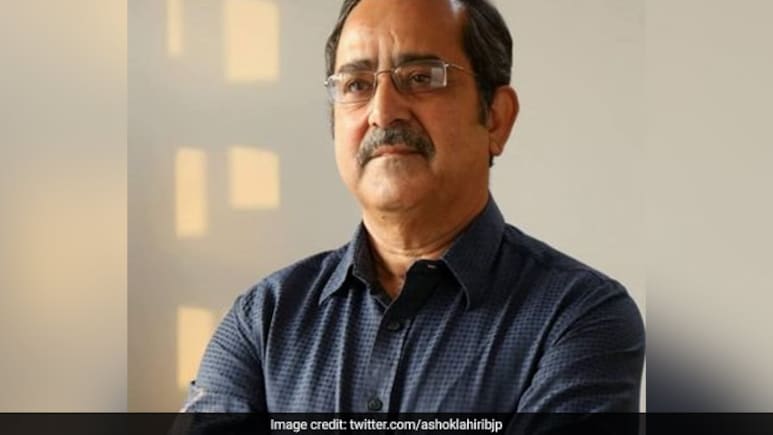
In an exclusive conversation with NDTV, Dr Ashok Lahiri, vice chairman of NITI Aayog and former Chief Economic Adviser to the Government of India, strongly backed Prime Minister Narendra Modi's recent voluntary appeal for responsible consumption, energy conservation, and reduced non-essential foreign exchange outflows.
PM Modi made the appeal earlier this week during public addresses, urging citizens to adopt measures such as working from home where feasible, carpooling, greater use of public transport and electric vehicles (EVs), postponing non-essential gold purchases and foreign travel, and cutting dependence on non-essential imports. The call comes amid escalating tensions in the Middle East that threaten global oil supplies and have pushed energy prices higher, putting pressure on India's import bill and foreign exchange reserves.
Context Of The Appeal
India, one of the world's largest importers of crude oil, remains vulnerable to global supply shocks. The ongoing Middle East crisis has raised fears of disruptions in key shipping routes, potentially leading to higher fuel prices and broader economic strain. PM Modi's appeal emphasises voluntary citizen-level restraint rather than mandatory restrictions, aiming to promote energy security, fiscal prudence, and self-reliance (Atmanirbhar Bharat).
Ashok Lahiri's Assessment
Speaking exclusively to NDTV, Lahiri described the Prime Minister's initiative as a much-needed step in prudent economic management.
"The need of the hour is prudent demand management. One cannot possibly say that the Middle East crisis is going to end in a few days, weeks, or even months," Lahiri told NDTV.
Highlighting India's structural dependence on imported oil and petroleum products, he added: "Given our heavy dependence on imported oil and petroleum products, it is important to exercise careful demand management."
He termed the appeal a "timely precautionary measure" designed to soften the blow of a potential supply shock and prevent sharper price increases.
"The Prime Minister's appeal for voluntary restraint on non-essential consumption, energy saving, and reduction in avoidable forex outflows is a timely precautionary measure. It aims to reduce the impact of the potential supply shock and prevent sharper price increases."
Historical Parallel
Lahiri drew a historical parallel to underscore the wisdom of such anticipatory actions. He recalled that similar measures were adopted by India after the 1962 Sino-Indian War to conserve scarce resources during a national crisis.
"Such anticipatory steps have been taken by many countries in the past. For instance, after the 1962 Chinese war, India itself adopted similar measures to conserve resources," he said.
He warned that if the Middle East conflict lingers, these voluntary actions will play a vital role in moderating demand.
"If the Middle East conflict lingers or festers, these voluntary actions will help moderate demand and ease pressure on India's import bill and foreign exchange reserves," he said.
Expert View
Economists view the appeal as a balanced approach - combining short-term demand-side restraint with long-term goals of boosting domestic production and energy diversification. Dr. Lahiri's endorsement as NITI Aayog Vice Chairman carries significant weight, signalling policy alignment at the highest levels.
The government has clarified that the measures are voluntary, with several states and central ministries already announcing steps like reduced official convoys to lead by example.
NITI Aayog's Recommendation
The NITI Aayog has recommended imposing a two-year ban on all major construction projects across the country. This step comes in response to sharply rising construction costs and increased imports triggered by the ongoing Middle East crisis. The proposed ban also covers the planned reconstruction of key ministerial buildings, including Nirman Bhavan, Udyog Bhavan, and Shastri Bhavan.
Sources indicate that NITI Aayog has formally advised the relevant Union ministries to put large-scale construction activities on hold for the next two years. The advisory highlights concerns over escalating project costs, heavy dependence on imports, and disruptions in the supply of raw materials caused by the regional conflict.
Track Latest News Live on NDTV.com and get news updates from India and around the world

