





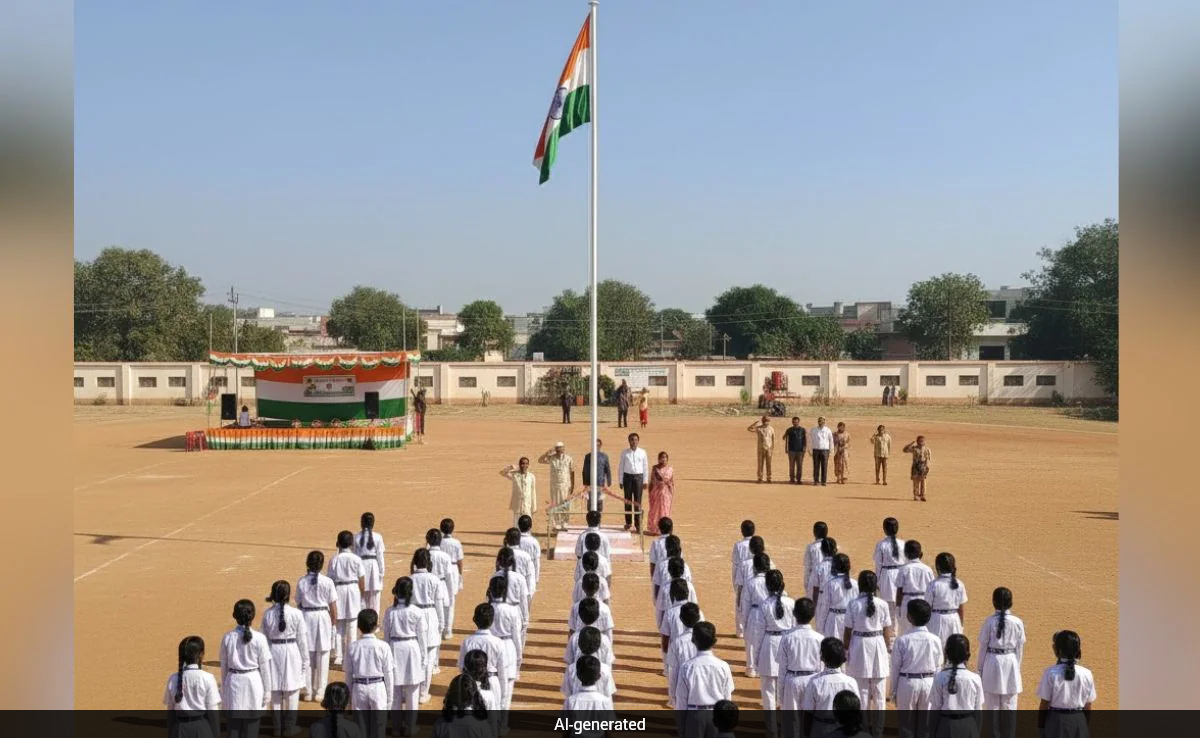
One may soon have to stand up for 'Vande Mataram', just like the national anthem 'Jana Gana Mana', as the government plans to extend the same protocols to the national song on the 150th anniversary of its composition.
The Home Ministry is currently discussing whether the same rules and regulations should apply to Vande Mataram, said sources. However, no decision has been taken yet to this effect.
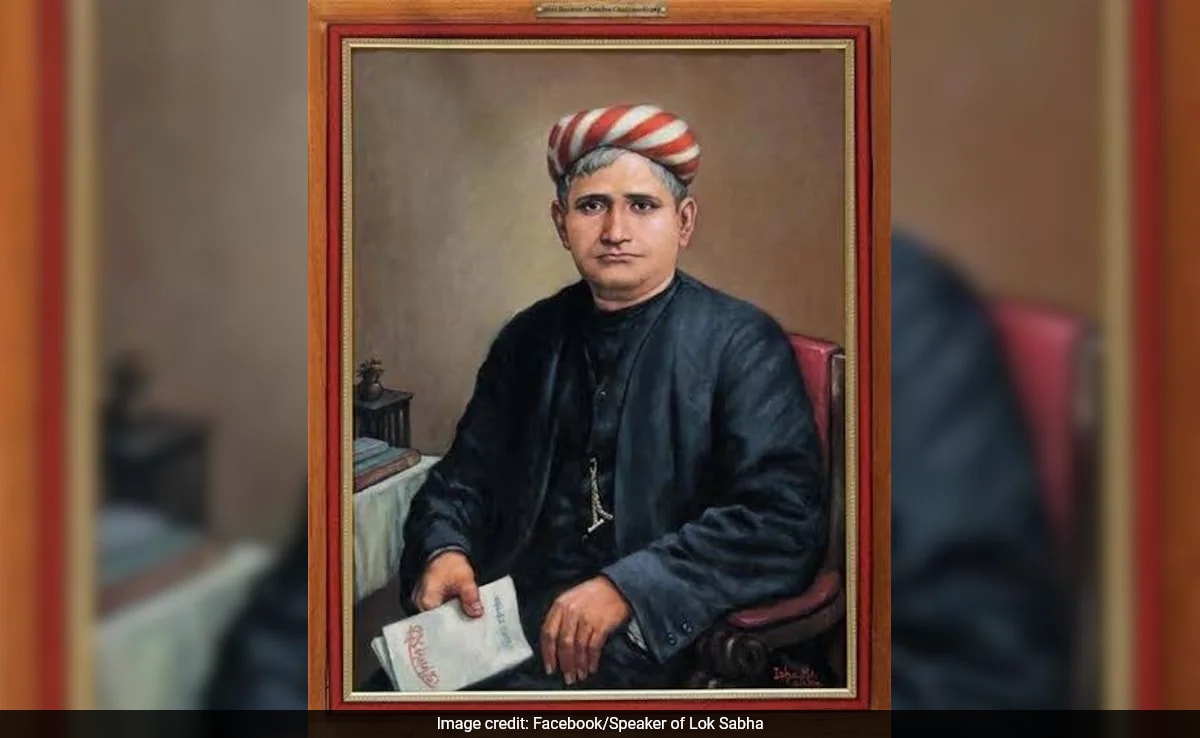
"Vande Mataram", a Sanskrit phrase meaning "I bow to you, Mother," crafts a complex narrative that intertwines nationalism, patriotism, spirituality, and identity. Written as a hymn, part of the 'Anand Math' novel by Bankim Chandra Chattopadhyaya, the 'Vande Mataram' slogan became a rallying cry for freedom fighters in their movement to liberate India from colonial rule.
It was adopted as a national song in 1950.
Protocol For Vande Mataram?
The Prevention of Insults to National Honour Act, 1971, currently applies only to the national anthem. Even Article 51(A) of the Constitution mandates citizens to respect the national anthem. However, there are no such provisions requiring people to stand or mandating participation in the singing of 'Vande Mataram'.
Read: The Politics Of Heritage: BJP And Reimagining Of Bankim Chandra
Petitions have been filed in the Supreme Court and various high courts seeking to extend the same rules to Vande Mataram. The government, however, stated that these rules apply only to Jana Gana Mana, and not to 'Vande Mataram'.
Detailed instructions by the Home Ministry specify the duration of the national anthem and what is required during its rendition, including the mandatory standing and singing by all.
Legal provisions say that anyone who disrupts or prevents others from respecting the national anthem can be sentenced to up to three years in prison.
Now, it is being discussed if similar provisions can be extended to 'Vande Mataram'.
Controversy
'Vande Mataram' had been at the centre of a controversy last year, with some Muslim organizations opposing the recital of the national song. During the Winter Session of the Parliament, the BJP had also accused the Congress of truncating the original six-stanza song due to appeasement politics.
Read: The 'Vande Mataram' Row: What Stanzas Did Congress Drop, And Why
Currently, only the first two of the six verses of the original hymn are sung as the national song. The truncated sections referenced three Hindu goddesses, including Durga.
The BJP had shared letters written by Congress's Jawaharlal Nehru, the country's first prime minister, in 1937, suggesting that the background of the song was likely to irritate the Muslims."
During the debate, former BJP chief JP Nadda had stressed that an equal status must be accorded to the national song, in line with the national anthem and the flag.
The Congress argued that the focus on the national song was in view of the upcoming elections in West Bengal.
Track Latest News Live on NDTV.com and get news updates from India and around the world

