





From breaking caste barriers in marriages to questioning horoscope matching and allowing men to enter temples without removing their shirts, the Vishva Hindu Parishad (VHP) in Kerala is pushing a set of reforms that it says are necessary to address changing social and demographic realities within the Hindu community.
At the heart of the initiative is what the organisation calls a growing difficulty among young Hindus in finding partners and marrying on time, particularly among smaller caste and sub-caste groups.
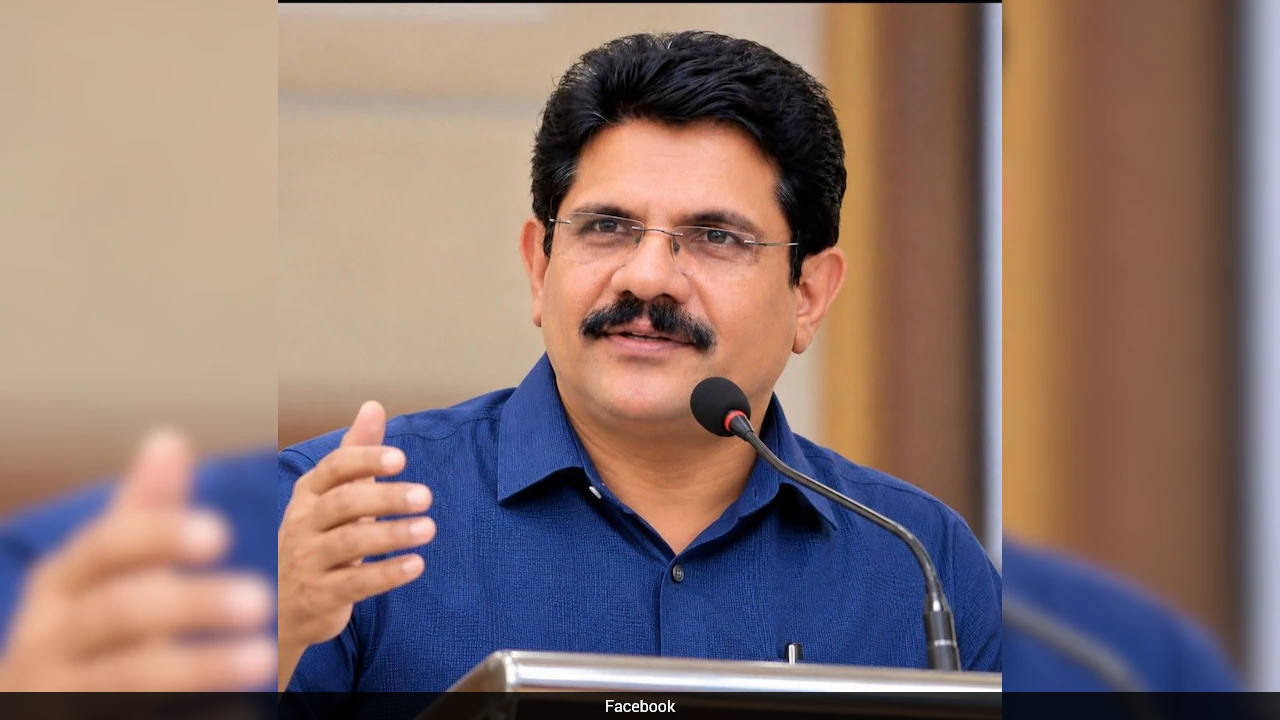
Speaking to NDTV, VHP Kerala State General Secretary Anil Vilayil said the organisation believes two traditional filters: caste and horoscope compatibilit. They have increasingly become obstacles to timely marriages.
The VHP now wants to encourage marriages across caste boundaries and is preparing to launch a caste-neutral matrimonial platform where horoscope compatibility will also not be a determining factor.
The initiative comes after the VHP's Kerala leadership decided to encourage marriages without caste and horoscope considerations.
The 'Micro-Community' Problem
According to Vilayil, the difficulty is particularly acute among smaller Hindu communities.
While communities such as Nairs and Ezhavas have comparatively large populations, he said several other Hindu communities are divided into much smaller groups and sub-groups, dramatically shrinking the pool of prospective partners when marriages are sought strictly within caste boundaries.
He cited the Viswakarma community as an example, pointing to further traditional divisions such as 'Thattan', 'Kollan', 'Asari' and 'Moosari', besides regional distinctions.
Finding a suitable bride or groom within such a narrowly defined group can become difficult, he said, and waiting for a match can push the age of marriage higher.
The VHP says its assessment is based partly on feedback received through its extensive organisational network in Kerala.
Mr Vilayil told NDTV that the organisation has units in more than 200 of its 220 'Prakhand' areas in the state, with each Prakhand committee typically having at least six or seven members.
Below them, he said, are around 1,500 local committees, forming the organisation's grassroots network. Feedback received during meetings of these committees, he said, helped the organisation identify marriage-related concerns among families.
Is Horoscope Matching Delaying Marriages?
The other practice under scrutiny is horoscope matching, particularly naal porutham.
Mr Vilayil said families frequently abandon otherwise suitable marriage proposals after being told that the horoscopes have a dosham or do not have sufficient compatibility.
The VHP's argument is that repeated rejection of proposals on such grounds can eventually leave prospective brides and grooms with fewer choices as they grow older.
The organisation, however, says it is not opposing astrology or astrologers. Instead, its position is that horoscope compatibility should not determine whether two otherwise compatible adults can marry.
Mr Vilayil also argued that mandatory horoscope matching for marriages does not have a scriptural basis, citing Hindu epics and traditions to support the organisation's position. This is the VHP's interpretation of religious tradition rather than a demographic finding.
VHP Points To Birth-Death Numbers
Behind the marriage campaign is a larger concern within the organisation over what it describes as a demographic decline among Kerala's Hindus.
Mr Vilayil cited Kerala government's vital-statistics data from Kerala's Department of Economics and Statistics and said the organisation is concerned that registered deaths among Hindus have overtaken births, while the pattern among Muslims is different.
The VHP believes making marriages easier and removing some of these barriers could, over time, contribute to more marriages and consequently more births.
A 'Caste-Less' Matrimonial App
The organisation's most concrete intervention will be a matrimonial application that does away with caste and horoscope as primary filters.
But Vilayil stressed that "caste-less" does not mean matching people without considering other aspects of compatibility.
Instead, the platform is expected to focus more heavily on factors such as education, income, occupation and broadly comparable socio-economic backgrounds.
He illustrated the argument by saying that simply pairing people from radically different educational and socio-economic circumstances in the name of eliminating caste may itself create compatibility problems.
The VHP therefore wants to move the focus of matchmaking from caste and horoscope to social, educational and economic compatibility.
The organisation also intends the service to be free, contrasting it with commercial matrimonial platforms.
Next Reform: Keep Your Shirt On Inside Temples
The VHP's reform push is not confined to marriage.
It has also called for an end to the practice followed by several Kerala temples requiring male devotees to remove their shirts before entering.
Vilayil said the rule can discourage younger devotees, particularly people who may want to stop at a temple while travelling to work or during their daily routine.
He pointed out that several temples already permit men to worship wearing shirts, including the Pavakkulam Mahadeva Temple in Kochi. The VHP's own website lists Pavakkulam among its temples.
The organisation says it has around 226 temples in Kerala and has already instructed temples under its control to permit male devotees to enter without removing their shirts.
The VHP is also approaching the 'Thantri Samajam', asking temple priests and traditional authorities to support similar reforms more widely. Vilayil said a formal communication is being sent seeking their support.
The proposal follows earlier calls from sections of Kerala's Hindu religious leadership to reconsider the practice.
Premarital Counselling Next
The VHP is also looking beyond finding partners.
Mr Vilayil said the organisation is planning a 'Kudumba Prabodhan' initiative, including premarital counselling for couples.
An Ashok Singhal Ji Kudumba Prabodhan Kendra is scheduled to be inaugurated in Ernakulam on October 2, he said, as part of the initiative.
The organisation also wants families to reduce extravagant expenditure on weddings.
Taken together, the proposals represent an unusual reform agenda from the VHP in Kerala: break caste barriers in matchmaking, stop allowing horoscopes to block otherwise compatible marriages, shift matrimonial matching towards socio-economic compatibility, introduce premarital counselling and make temple practices easier for a younger generation.
For the VHP, these are not isolated changes. The organisation is presenting them as part of a larger attempt to respond to what it sees as social and demographic challenges confronting Kerala's Hindu community.
Track Latest News Live on NDTV.com and get news updates from India and around the world

