





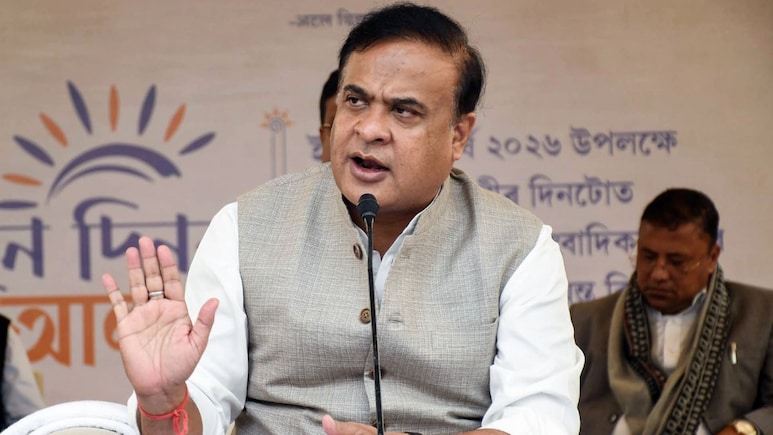
In recent times, Assam Chief Minister Himanta Biswa Sarma has been widely known for his strong and often controversial stance on issues related to the 'Miya-Muslims'. His rhetoric frequently focused on illegal immigration, identity politics and the protection of indigenous rights. However, as the state moves closer to upcoming elections, political observers have noticed a visible shift in his tone.
The 'Miya-Muslims - a derogatory reference to Muslims seen as crossing over illegally from Bangladesh - have long been at the centre of political debates in the state.
In the past, Sarma's statements emphasised strict action against alleged encroachment and demographic change. Recently, however, his public remarks appear more measured, focusing on development, welfare schemes, and social inclusion rather than confrontation and being communal.
This apparent softening could be linked to electoral strategy because elections in Assam have been deeply influenced by demographic dynamics for decades.
The Miya-Muslim population represents a significant voting bloc in several constituencies, specifically in middle and lower Assam.
By moderating his stance, Sarma may be attempting to broaden his political appeal and reduce polarisation. It may be his balancing mode between upper Assam, middle Assam and lower Assam equally.
Political analysts suggest that such shifts are not uncommon in democratic politics. Leaders often recalibrate their messaging before elections to attract a wider section of voters while maintaining the core support base of the party.
During the recent Jana Aswirbad Yatra organised by the Bharatiya Janata Party (BJP) in Assam, this interesting political development has already drawn the public's attention. The event saw visible participation and support from sections of the Muslim community, including people often identified with the "Miya-Muslim" population.
Many Muslim residents reportedly welcomed the chief minister and expressed appreciation for government welfare schemes and development initiatives.
Several factors may explain this shift in public perception. Over the past few years, the state government has implemented programs related to infrastructure, education, and financial assistance that have reached diverse communities across Assam intensely.
So, the Muslim community has acknowledged these benefits and shown openness to engaging with the government.
Political observers believe that such developments highlight the evolving nature of electoral politics in Assam.
Community support often depends not only on identity issues but also on governance, welfare delivery, and local development.
As elections approach, interactions like those seen during the Jana Aswirbad Yatra may play an important role in shaping the political landscape of the state.
Track Latest News Live on NDTV.com and get news updates from India and around the world

