





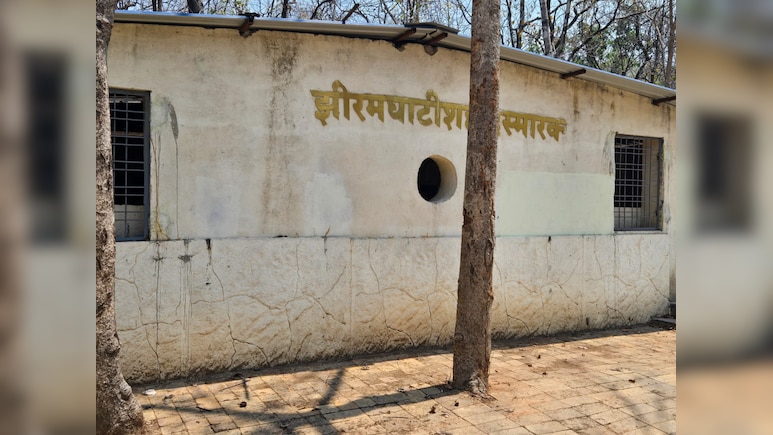
The government's deadline for the complete eradication of Naxalism in the country, March 31, is at hand. But at Jhiram Valley in Chhattisgarh's Bastar, the nightmares have not stopped even 13 years after the massacre.
On May 25, 2013, the Darbha stretch of Jhiram Valley had turned into a killing field. Maoists ambushed a convoy of Congress leaders returning from the "Parivartan Yatra", letting loose a barrage of bullets that left 32 people dead.
Among them were some of the state's most prominent leaders -- Mahendra Karma, Nand Kumar Patel and Vidya Charan Shukla. The attack was not just a massacre. It was a calculated show of strength, a message from insurgents who then held Bastar in a firm grip.
Back in 2013, Bastar was considered the epicentre of India's Red Corridor. Thick forests, poor connectivity and a weak administrative footprint gave Maoists near-total operational freedom.
Read: Beyond Jhiram Massacre: A Student's Memory Of A Teacher Who Never Returned
Jhiram became the inflection point. In its aftermath, the state recalibrated its strategy security camps, pushed them deeper, road networks were expanded, and sustained operations began to chip away at the insurgent stronghold.
By 2026, the ground narrative appears to have shifted. Security forces now dominate large parts of Bastar. Major attacks have reduced in frequency. Several top Maoist leaders have been neutralised, arrested or forced to surrender.
But scratch the surface, and a more complex reality emerges. In and around Jhiram, basic infrastructure still struggles to keep pace: Roads remain patchy, healthcare limited, and access to water and electricity inconsistent. Villagers admit that the fear that once defined everyday life has eased, but it has not disappeared. Sporadic encounters and scattered incidents continue to serve as reminders that the conflict is far from over.
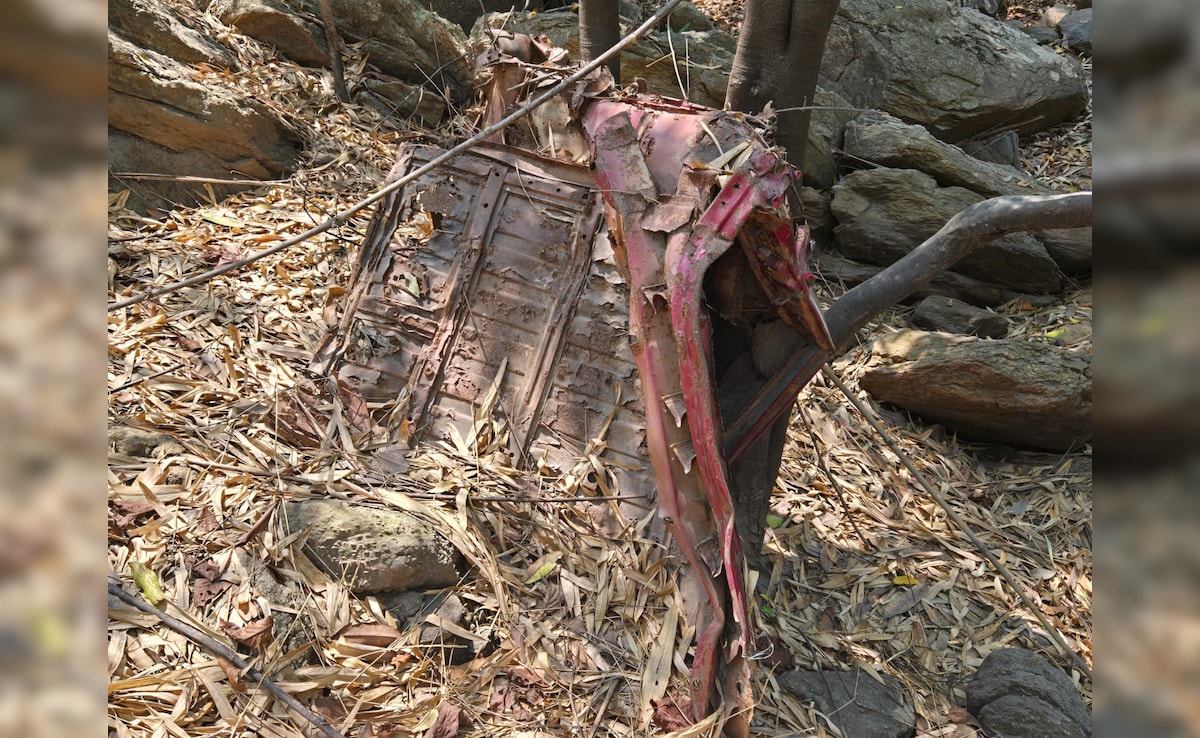
The valley still brings the past back vividly despite the passage of 13 years. On one side of the road stands the Martyrs' Memorial, a tribute to those who died. But just a short distance away, inside the forest, lies a stark, unfiltered reminder -- a rusting red Bolero door, left behind from that day. It is not part of any memorial. It simply exists, quietly marking the spot where violence tore through so many lives.
Speaking to NDTV, Bastar's Inspector General Sundarraj P acknowledged both the tragedy and the shift that followed.
He described the Jhiram attack as a "deeply unfortunate and major atrocity" that led to a sustained push by security forces to stabilise the region. The Darbha Division Committee -- the key Maoist unit behind the ambush -- has now been dismantled, with many cadres killed, arrested or having surrendered, he said.
Yet, for all the tactical gains, the larger questions remain.
Read: No Compensation, No Help: The Silent Victims Of 2013 Bastar Maoist Massacre
Thirteen years on, the investigation into the massacre is still incomplete. Multiple agencies -- the NIA, CBI, SIT and even a Judicial Commission -- have probed the case, but the full truth behind the conspiracy is yet to be conclusively established. Names like Hidma, Deva and Basavaraju have repeatedly surfaced but the broader accountability matrix remains unclear.
For the families of the victims, closure remains elusive. The passage of time has not diluted the demand for answers. Justice, for them, is not measured in operations or statistics. It lies in uncovering the complete chain of responsibility behind one of India's deadliest insurgent attacks.
As the March 31 deadline approaches, Bastar stands at a crossroads.
There is visible change -- greater state presence, reduced violence, a sense of movement. But there is also unfinished business -- development gaps, lingering fear, and a massacre whose full story is still waiting to be told.
Jhiram today is no longer just a site of tragedy. It is a test of how far Bastar has come and how far it still has to go.
Track Latest News Live on NDTV.com and get news updates from India and around the world

