





The meeting between BJP president Nitin Nabin and noted farm economist SS Johl in Ludhiana may appear routine on the surface, but politically it signals a larger effort by the BJP to address one of its most persistent challenges in Punjab -- its inability to gain acceptance among large sections of the farming community.
For the BJP, Punjab remains a political paradox.
Over the last decade, the party has invested considerable political capital in Sikh outreach. The opening of the Kartarpur Corridor, removal of several Sikh names from blacklists, repeated participation by top BJP leaders in Gurpurab celebrations, and efforts to project itself as a stakeholder in Sikh concerns were all aimed at expanding its footprint beyond its traditional urban Hindu voter base.
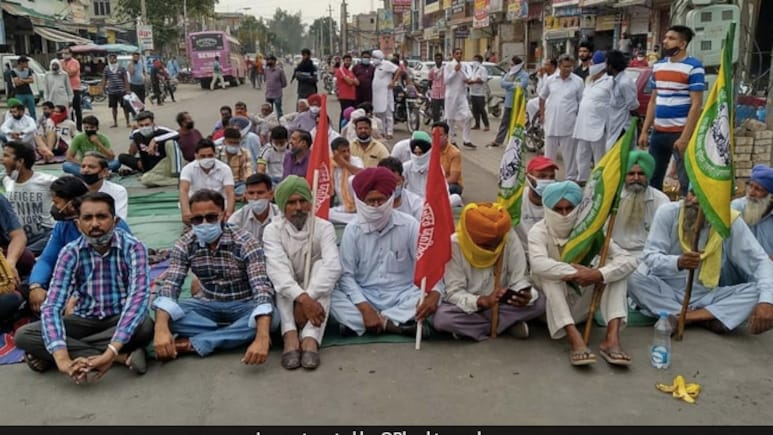
Yet, despite these initiatives, the farm laws agitation fundamentally altered the political landscape. The movement transformed from a protest against agricultural reforms into a broader expression of distrust towards the BJP among many rural Punjabis.
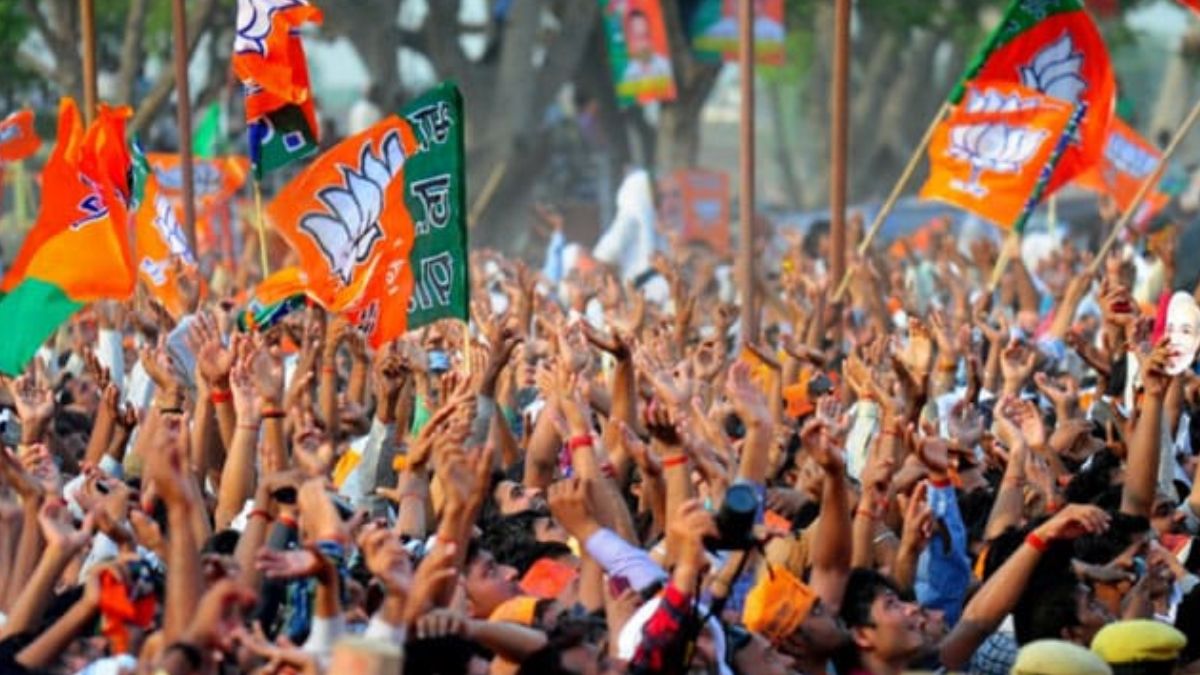
Punjab has remained a difficult electoral terrain for the BJP over the past decade. The party won only three seats in the 2017 Assembly elections and slipped further to two seats in the 2022 polls in the 117-member assembly. While it managed to secure two Lok Sabha seats in 2019, it was routed in the 2024 parliamentary elections.
Political observers believe that the fallout of the 2020 farm agitation played a significant role in shaping these results, with the voting pattern reflecting widespread anger among sections of the farming community against the BJP.
Bridging The Rural Divide
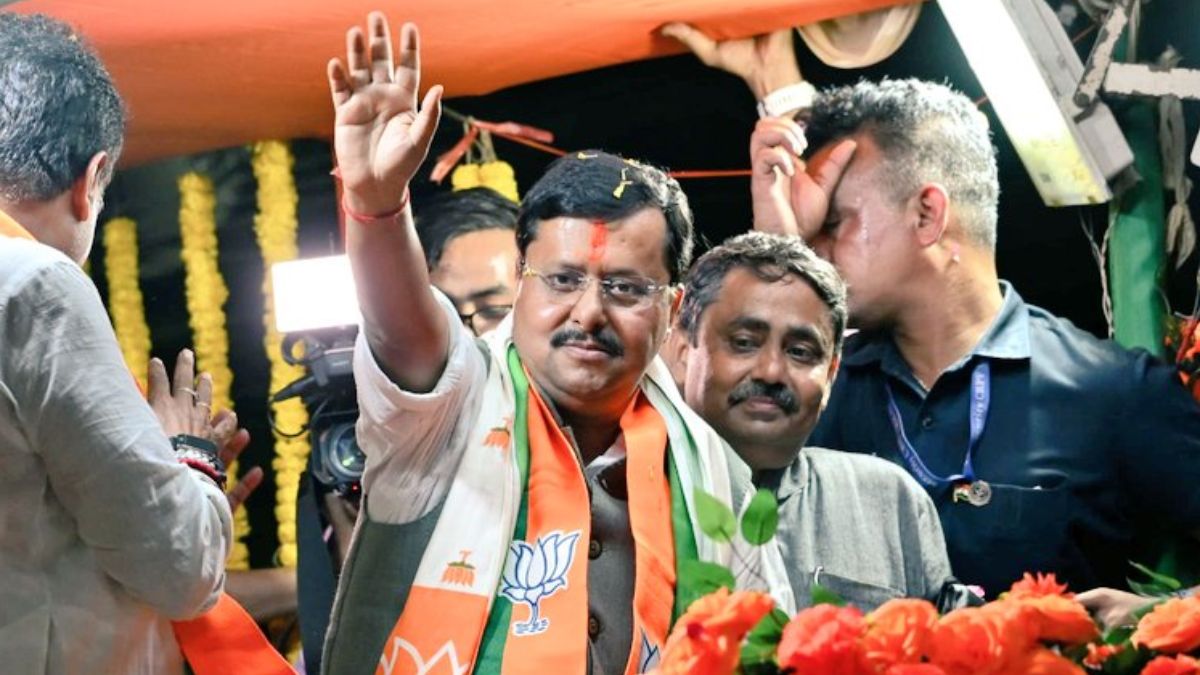
The latest outreach must be seen in the context of the BJP's broader "Contact with Eminent Persons" programme being organised to mark 12 years of the Narendra Modi government. As part of the initiative, Nitin Nabin, accompanied by Punjab BJP president Kewal Singh Dhillon and other party leaders, met Padma Shri awardee and former Punjab Agricultural University vice-chancellor SS Johl at his Ludhiana residence.
During the interaction, BJP leaders highlighted the Centre's initiatives for the agriculture sector and sought Johl's views on making farming more sustainable, profitable and economically viable. Johl, who recalled his long association with Dhillon and discussions on farmers' issues over the years, also shared suggestions on addressing emerging challenges facing Punjab agriculture.
Significantly, Johl later indicated that the discussion also touched upon Punjab's worsening fiscal condition. The noted agri-economist cautioned against what he described as a growing culture of dependency fuelled by subsidies and welfare schemes, arguing that the state's mounting debt burden was weakening its economic foundations.
Stressing that public funds should be directed towards infrastructure, industrial growth and job creation, Johl called for a shift away from what he termed "vote-bank politics". Hours before meeting the BJP leadership, he had also criticised the AAP government's fiscal policies on social media, sarcastically suggesting that if the current trajectory continued, the state might eventually begin distributing free liquor as well. The remarks are likely to resonate with the BJP's broader criticism of the AAP government's economic management in Punjab.
BJP's Agrarian Challenge
The challenge for the BJP is compounded by the fact that Punjab's farm community itself is no longer politically homogeneous. The agitation saw the emergence of competing farmer leaders and unions. Some organisations chose to enter electoral politics in the 2022 assembly elections, while others continued to function strictly as pressure groups. This fragmentation has diluted the possibility of a unified farmer voice but has not necessarily translated into political gains for the BJP.
Even today, BJP leaders often face resistance while campaigning in rural areas. Unlike in urban constituencies where the party has gradually expanded its organisational base, villages continue to be difficult terrain. The perception that the BJP is disconnected from Punjab's agrarian concerns persists despite the passage of time since the repeal of the farm laws.
Beyond Farm Laws
In this backdrop, the meeting with Johl acquires significance. Unlike many farm union leaders, Johl represents the academic and policy side of Punjab agriculture. His views carry weight among policymakers, agricultural experts and sections of the farming community that are concerned about structural issues such as declining profitability, groundwater depletion, crop diversification and market reforms.
By engaging with Johl, the BJP appears keen to signal that it wants to discuss agriculture beyond the politics of the farm laws. The party understands that if it wants to become a serious contender in Punjab, it must be seen as having solutions to the state's agrarian crisis rather than merely defending its past positions.
Whether the meeting can undo the damage caused during the farm laws episode is different question altogether. Rural sentiment in Punjab is shaped as much by emotion and collective memory as by policy discussions. Many farmers continue to associate the BJP with the events of 2020-21, and rebuilding confidence will require sustained engagement rather than symbolic outreach.
What has changed, however, is the BJP's assessment of the political environment.
"The party increasingly believes that the peak anger over the farm laws has subsided and that voters are once again focusing on issues such as farm income, MSP, diversification, water stress and employment. It sees an opportunity to reopen conversations that became impossible during the agitation years," said Pritpal Singh, BJP spokesperson in Punjab.
In that sense, the Johl meeting appears less an endorsement exercise and more as a signal of intent. It suggests that the BJP is preparing for a long-term effort to reconnect with Punjab's rural constituency. The success of that effort will depend not on a single meeting but on whether the party can convince farmers that it understands their anxieties and is willing to engage with them consistently.
For now, the outreach reflects an acknowledgment of political reality: Despite gains elsewhere, Punjab's rural belt remains the BJP's toughest frontier, and any serious attempt to grow in the state must begin with rebuilding bridges with the farming community.

