

)
The Centers for Disease Control and Prevention (CDC) has just issued a travel advisory for Venezuela after the country witnessed a rise in yellow fever cases in recent weeks. CDC said that some of these cases have been reported in areas where "vaccination has not historically been recommended, including Aragua and Lara States. Travellers to these newly affected states are now recommended to get vaccinated." The advisory also said that a booster dose may be given to certain travellers or ones who got their last dose of yellow fever vaccine at least 10 years previously and who will be in a higher-risk setting. For people who are getting vaccinated for yellow, a guideline was shared by CDC.
Here's what people getting the vaccine should do.
- Get vaccinated at least 10 days before travel.
- Contact a yellow fever vaccine provider well in advance of travel. Not all providers carry yellow fever vaccines.
- Talk with a healthcare professional if they have questions about yellow fever vaccine.
- Travelers to any affected areas should take steps to prevent mosquito bites.
- Travelers should seek medical care if they develop fever, chills, headache, backache, or muscle aches, during or after travel in an affected area.
What Is Yellow Fever?
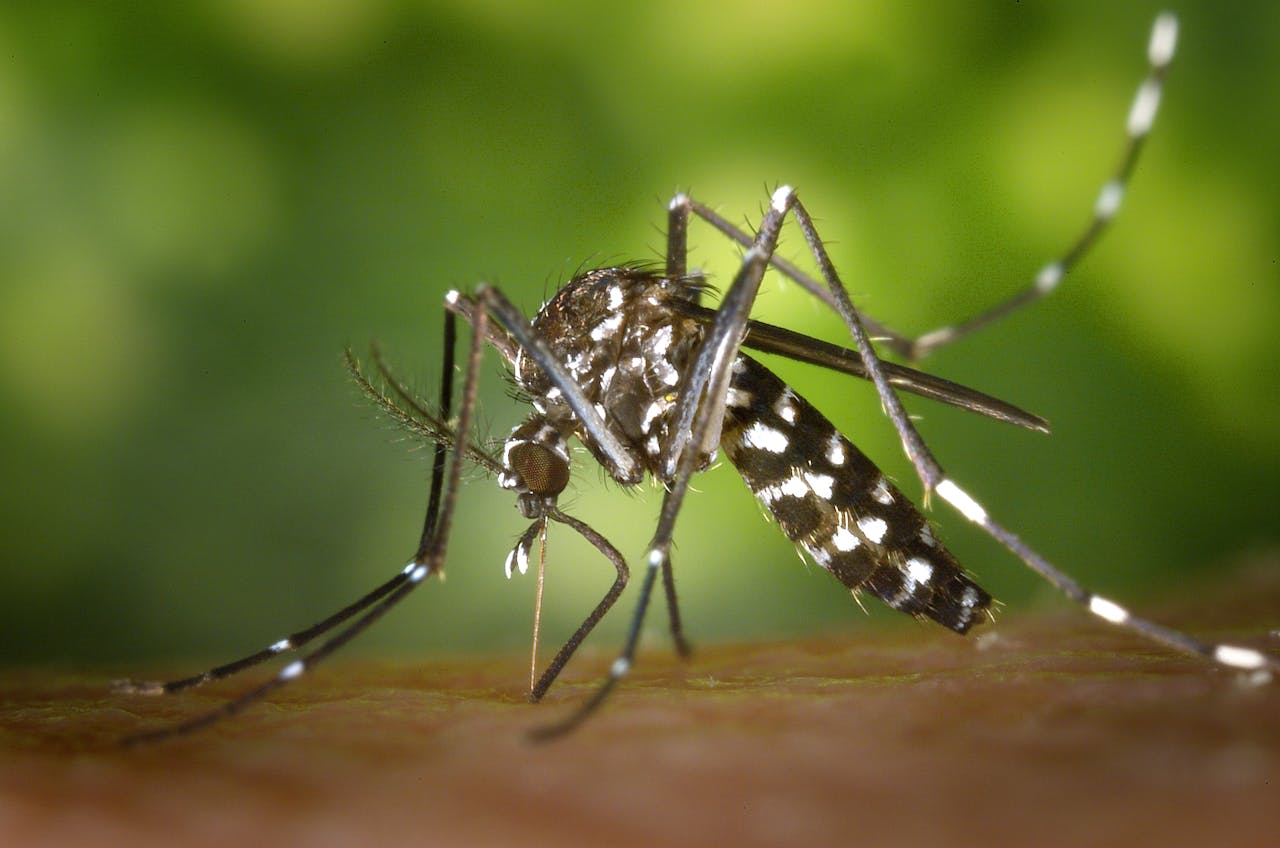
It is a mosquito-borne viral disease that is transmitted by the bite of specific kinds of mosquitoes. The disease is endemic in tropical areas of Africa and Central and South America. Yellow fever can have a range of symptoms. While some people may have no symptoms, others can have mild flu-like symptoms. In some people, the condition can be severe. Yellow fever can't spread from one person to another. The disease can't spread by coughing or kissing. However, if you are infected, a mosquito can bite you and then infect someone else.
Symptoms Of Yellow Fever
While some people might not have any symptoms, others may have mild to severe signs of the condition.
Here are some of the common signs of mild yellow fever.
- Fever
- Headache
- Body ache
- Tiredness (fatigue)
- Nausea and vomiting
Here are some of the common signs of severe yellow fever.
- Very high fever
- Jaundice (your skin and the whites of your eyes turn yellow)
- Haemorrhage (bleeding)
- Shock
- Liver failure
- Kidney failure
- Death
According to Cleveland Clinic, about 30% to 60% of the people who have the severe form of yellow fever will die.
Treatment For Yellow Fever
While there is no medicine that can treat the condition, you can get a vaccine that helps prevent the disease. Here are some other ways to manage the condition, according to CDC:
- Rest, drink fluids, and use over-the-counter pain relievers to reduce fever and relieve aching.
- Avoid certain medications, such as aspirin or other nonsteroidal anti-inflammatory drugs, for example ibuprofen, or naproxen, which may increase the risk of bleeding.
- People with severe symptoms of yellow fever infection should be hospitalised for close observation and supportive care.
- If after returning from travel you have symptoms of yellow fever, protect yourself from mosquito bites for up to 5 days after symptoms begin. This will help prevent spreading yellow fever virus to other people.
Preventive Measures For Yellow Fever
Vaccination is one of the best ways to prevent the disease. If you're visiting any area that is known to have yellow fever, get the vaccine about three to four weeks prior to your visit. Other tips of prevention are:
- Use a mosquito repellent with DEET
- Wear long pants, long-sleeved shirts and socks. It's best if you wear clothing that's treated to repel mosquitoes
- Consider using a bed net
- Avoid being outside during times when mosquitoes are active. In most cases, this is from dusk to dawn
- If you've been diagnosed with yellow fever, continue to cover up. You don't want a mosquito to bite you and then bite someone else
Disclaimer: This content including advice provides generic information only. It is in no way a substitute for a qualified medical opinion. Always consult a specialist or your own doctor for more information. NDTV does not claim responsibility for this information.