

)
Managing (Polyendocrine Metabolic Ovarian Syndrome) PMOS does not always require expensive foods or special diet plans. Nutritionist Rashi Chowdhary is of the view that some of the best foods are already in our kitchens; it's all about knowing them.
She says that eating these foods regularly will help keep blood sugar levels stable, reduce unhealthy cravings and support better insulin sensitivity. Since insulin resistance and inflammation are common concerns in people with PMOS, making small changes in your meals can be an important step towards better health.
Chowdhary has shared several traditional Indian foods that can easily be consumed regularly to support people living with PMOS.
On Instagram, she explained, “Here are four foods that are found in every Indian kitchen that I would recommend if you are somebody who has insulin-resistant PMOS.
“So the first one is roasted chana. Have it with the skin, the outer skin actually contains a mineral called chromium, which helps your insulin do its job better and also the protein will dial down your sugar cravings. A lot of the time you're struggling with gut issues as well, this chana is not going to suit you well, so please respect your gut.”
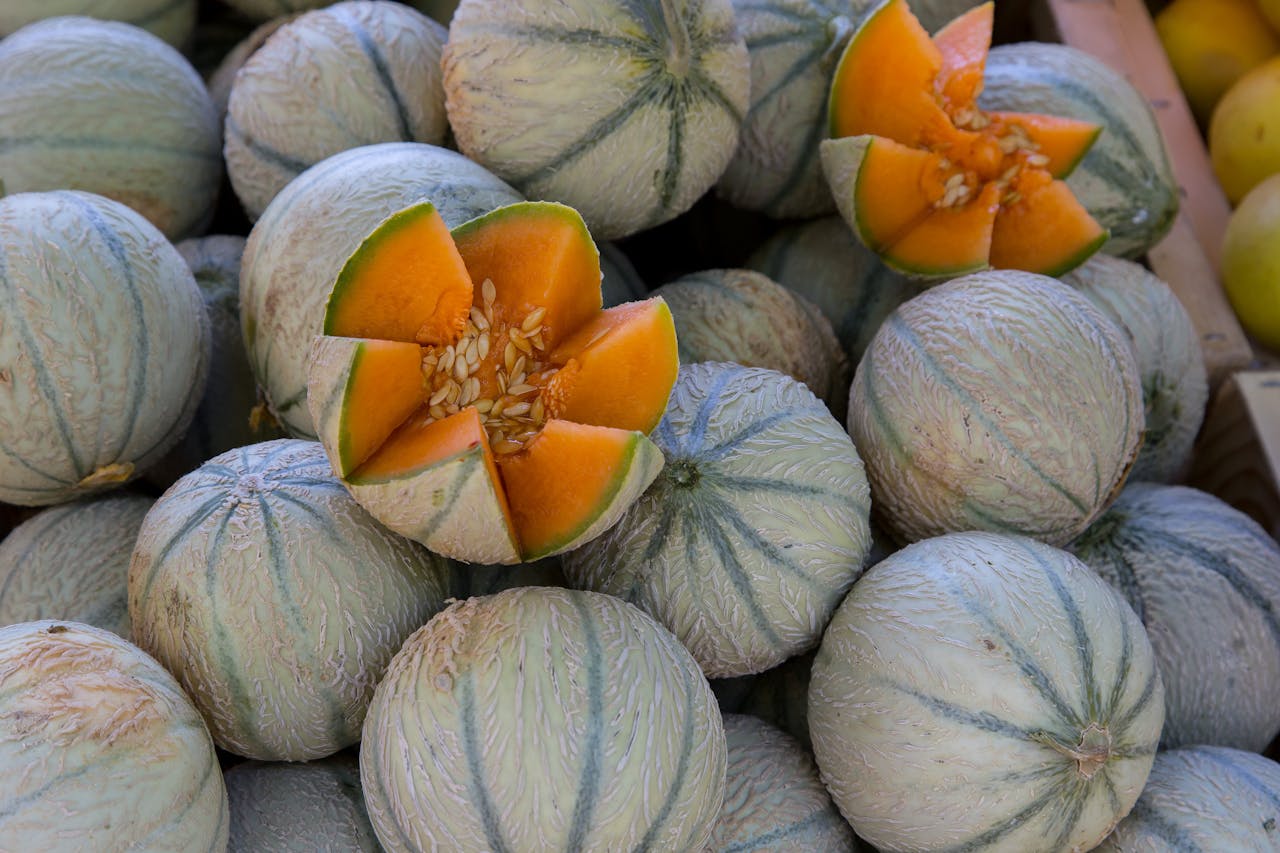
“Second is Muskmelon. This is one of those few foods that naturally contain Myo-inositol, the compound which is involved in insulin signalling and healthy ovulation,” she writes.
“Third are methi seeds, soak them overnight. They're rich in Soluble fiber, which slows down Glucose Absorption and reduces blood sugar and insulin spikes after your meals,” she adds.
The fourth one, according to her, is to add some cinnamon to your chai or to your coffee because it “improves how your cells will respond to insulin and eventually helps you regulate blood sugar levels.”
PMOS may lead to irregular menstrual cycles, problems with ovulation and fertility and difficulty controlling blood sugar levels. Some may even experience acne, facial or body hair growth, hair thinning on the scalp, changes in body weight and high cholesterol, which can raise the risk of heart disease. It may affect sleep, mood and overall well-being.
Disclaimer: This content including advice provides generic information only. It is in no way a substitute for a qualified medical opinion. Always consult a specialist or your own doctor for more information. NDTV does not claim responsibility for this information.