

)
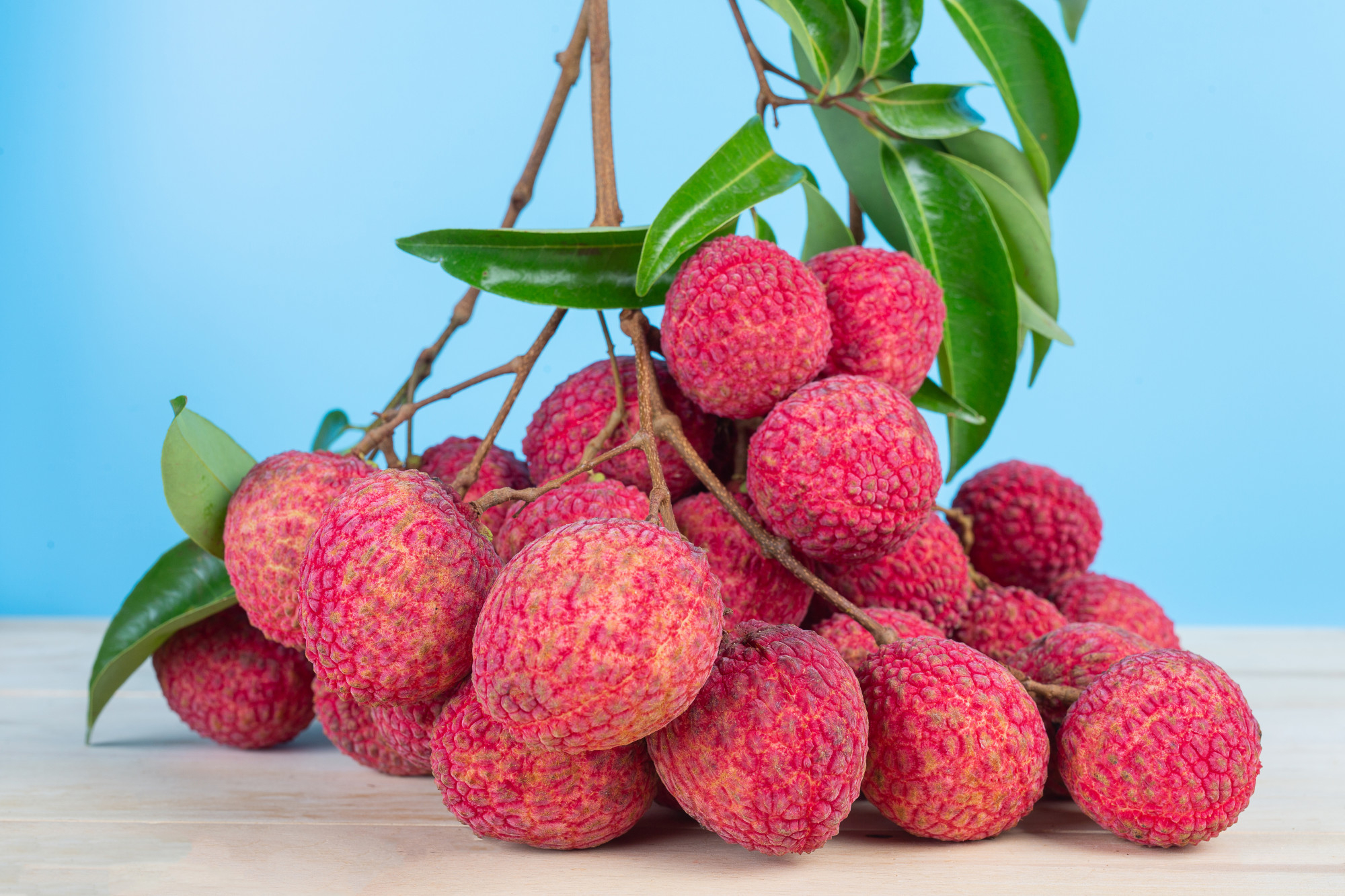
Lychee is a summer fruit that is eaten for its sweet, slightly tart taste, but consuming it on an empty stomach can pose serious health risks. The most serious health risk associated with consuming lychee on an empty stomach is acute encephalitis, as detailed in the Toxicon journal. This is known to occur in children as they tend to eat the summer fruit without washing it properly and on an empty stomach. When the temperature is soaring, there is a risk of microbes, bacteria, fungi, or viruses that can multiply on the surface of the lychee.
Lychee becomes toxic as the naturally occurring toxins in the fruit, known as hypoglycin A and methylenecyclopropylglycine (MCPG), disrupt glucose production in the body. Furthermore, these toxins also trigger a sudden drop in blood sugar levels known as 'hypoglycaemia'. The Toxicon journal highlights that consuming lychee on an empty stomach can trigger acute encephalopathy (AES) syndrome in malnourished children. It is important to note that the diminished capacity of children's immune systems is kept in mind, as lychee consumption suddenly drops the blood sugar levels in the body.
Why Eating Lychee On An Empty Stomach Is Dangerous
Dr Arun Shah, Senior Paediatrician and Former President, Bihar Chapter of Indian Academy of Paediatrics (IAP), explains, "The unripe fruit contains a high concentration of the toxin MCPG, which triggers hypoglycemia, especially in children with poor nutrition."
This is why controlling what is on your children's fruit plate is essential. The timing is what creates the toxicity, as when lychee is eaten without food eaten beforehand, the toxins in the fruit can prevent glucose formation in the liver. The result of this is severe hypoglycaemia and brain dysfunction, which is what increases the risk of encephalitis or inflammation of the brain when an infection is present.
Link Between Lychee And Encephalitis (AES)
Dr Abhinandan Mishra, Senior Consultant Gastroenterology, Fortis Hospital Manesar, explains, "Yes, eating lychee on an empty stomach can be dangerous, especially in children younger than 15 years and other adults who are otherwise malnourished. Lychee is known to contain naturally occurring toxins like hypoglycin A and methylenecyclopropylglycine (MCPG), which prevent fatty acid oxidation in the liver.
They can cause low blood sugar if consumed after prolonged fasting, as bodily reserves for forming glucose are already low at that time.If severe, this can lead to symptoms of lethargy, weakness, fever, vomiting, seizures, and even coma.
This has been named 'acute encephalitis syndrome' and is most commonly seen in countries like India, Bangladesh, Jamaica, and Vietnam.Hence, lychee is best consumed while being paired with other foods and in only moderate amounts. "
The symptoms include:
- Seizures
- Confusion
- Loss of consciousness
Dr Arun Shah explained that undernourished children are most at risk, as their developing blood sugar-regulating system takes a direct hit from the naturally occurring toxins in lychee.
Also Read: From Better Digestion To Glowing Skin: Experts Explain What Daily Apricot Intake Does To Your Body
Who Is Most At Risk Of Lychee Toxicity?
Lychee can become toxic for people who meet certain criteria; these can be:
- Children (especially under 15 years), as their bodies are in the developmental stage.
- Malnourished individuals, as their bodies are weaker than those of healthy individuals, cannot deal with the consequences of a possible exposure to toxins.
- People skipping meals should be vigilant of their lychee consumption habits.
Symptoms Of Lychee Toxicity To Watch For
After consuming lychee, the effect of possible toxicity is not immediate. The symptoms manifest in stages, which you need to know to make sure that you seek timely medical help. Here are the early signs and severe symptoms that you should keep in mind.
Early Signs:
- Vomiting
- Sweating
- Weakness
Severe symptoms:
- Seizures
- Altered mental state
- Coma
Note: If you experience any of the above symptoms, then immediate medical attention is critical.
Also Read: Why A Gastroenterologist Recommends 'Imli Paani' To Prevent Post-Lunch Heat Sluggishness
How Many Lychees Are Safe To Eat?
Lychee should be consumed in moderation and preferably as a snack. It is best to consume lychee after a meal, avoiding consuming too many at once, and it is best to pair it with other foods.
When the timing and combination are right, then lychee can be safely metabolised by the body without it turning toxic. It needs to be washed thoroughly to remove any dirt or bugs that it may have, especially when consumed in season.
This reduces the risk of lychee toxicity and hypoglycaemia, the main reasons behind the development of encephalitis.
Doctor's Advice: How To Eat Lychee Safely
Dr Arun Shah explains that you can consume lychee safely by following these tips:
- Never consume lychee on an empty stomach, as its toxins can cause issues.
- Ensure proper meals, especially for children, before lychee consumption.
- A limited quantity is needed to avoid gastric upset.
- Stay hydrated to make sure your body is well-equipped to handle the metabolism of the lychee fruit.
Dr Arun Shah emphasises balanced eating to prevent encephalitis risks.
Nutritional Benefits Of Lychee (When Consumed Safely)
When lychee is consumed safely, it can provide the body with the following nutritional benefits.
- It is rich in vitamin C, antioxidants, and water content and helps support immunity, hydration, and skin health.
- Safe consumption of lycheehelps prevent lychee health risks while retaining the health benefits.
- While lychee is nutritious, eating it on an empty stomach can be dangerous.
People need to be aware of lychee toxicity and encephalitis risks that are associated with it. Taking simple precautions can help you enjoy this fruit safely.
Disclaimer: This content, including advice, provides generic information only. It is in no way a substitute for a qualified medical opinion. Always consult a specialist or your own doctor for more information. NDTV does not claim responsibility for this information.