

)
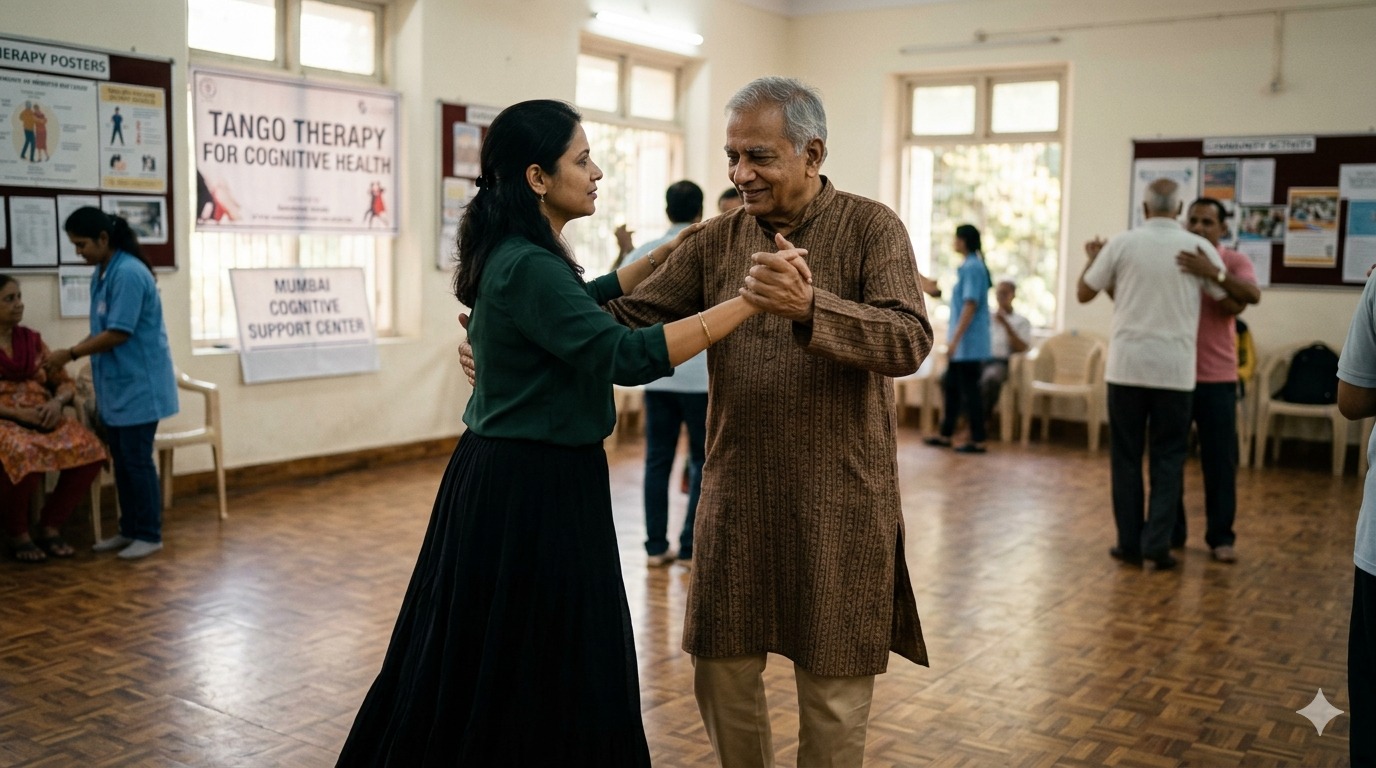
What if something as joyful as dancing could also double up as therapy? A growing body of research suggests exactly that. A study published in the International Journal of Environmental Research and Public Health highlights how tango-based therapy can significantly improve quality of life, mobility, and emotional wellbeing in older adults living with cognitive impairment. Tango therapy is a specialised form of dance movement therapy that uses the specific movements, rhythms, and social dynamics of Argentine Tango to treat physical and mental health conditions Research has revealed several fascinating things and why tango therapy is gaining attention as a powerful, non-drug intervention.
What Is Tango Therapy?
Tango therapy is becoming popular for its structured intervention that uses elements of the Argentine tango genre of dance, it's rhythm, coordination, balance, and social interaction, as a therapeutic tool. Unlike traditional exercise programmes, it blends physical movement with music, memory, and emotional connection. For older adults, especially those living in nursing homes or dealing with conditions like dementia, this combination can be particularly beneficial.
Also read: Dementia Takes 3.5 Years To Diagnose, Says Study; 9 Early Symptoms To Watch Out For
What Researchers have to say
The study involved 54 elderly participants, with an average age of around 85 years. Many of them had varying levels of cognitive impairment. Researchers conducted a multicentre trial where participants took part in tango therapy sessions over a period of time. They evaluated several key outcomes, including:
- Quality of life
- Physical abilities
- Walking performance
- Functional independence
- Emotional wellbeing
Participants also rated how they felt after each session, giving researchers insight into immediate psychological benefits.
Key Findings: More Than Just Movement
The results were encouraging and highlight why tango therapy is gaining popularity.
1. Improved Quality of Life
One of the most significant findings was a measurable improvement in participants' overall quality of life. This is particularly important because cognitive impairment often leads to social withdrawal, low mood, and reduced independence.
2. High Engagement and Enjoyment
Attendance rates were remarkably high at 92%, showing that participants were not only willing but eager to take part. On a five-point scale, the average wellbeing score after sessions was 4.5, suggesting that participants genuinely enjoyed the experience.
3. Better Physical Function
The therapy also contributed to improvements in physical abilities such as balance, coordination, and gait (walking patterns). This is crucial, as poor mobility increases the risk of falls and loss of independence in older adults.
Why Tango Works So Well
Unlike repetitive exercises, tango engages both the body and the brain. Here's why it stands out:
- Cognitive stimulation: Remembering steps and responding to rhythm helps activate memory and attention
- Social interaction: Dancing with a partner fosters connection and reduces loneliness
- Emotional expression: Music and movement together can elevate mood and reduce anxiety
- Balance training: Controlled steps and posture improve stability
This multi-dimensional approach makes tango therapy far more holistic than standard physiotherapy routines.
A Promising Tool for Dementia Care
Cognitive impairment often affects not just memory, but also physical coordination and emotional wellbeing. Traditional treatments largely focus on medication and basic care. Tango therapy offers something different, a non-pharmacological approach that addresses multiple aspects of health at once. According to the study, even individuals with moderate cognitive decline were able to participate and benefit. This opens the door to more inclusive and engaging care strategies in nursing homes and assisted living settings.
Also read: Mental Health Care For Senior Citizens: Beginner's Guide For Indian Families
Is Tango Therapy the Future of Elderly Care?
While the findings are promising, researchers note that larger studies are needed to confirm long-term benefits. However, the early evidence strongly supports incorporating creative therapies like dance into routine care. In a world where ageing populations are rising rapidly, especially in countries like India and the UK, such interventions could play a vital role in improving elderly care without increasing dependence on medication.
Tango therapy is more than just a dance, it is a blend of movement, music, memory, and human connection. This study adds to a growing body of evidence showing that simple, enjoyable activities can have profound health benefits.
For older adults facing cognitive challenges, something as rhythmic as a tango step could help restore not just balance, but also dignity, joy, and a better quality of life.
Disclaimer: This content including advice provides generic information only. It is in no way a substitute for a qualified medical opinion. Always consult a specialist or your own doctor for more information. NDTV does not claim responsibility for this information.