

)
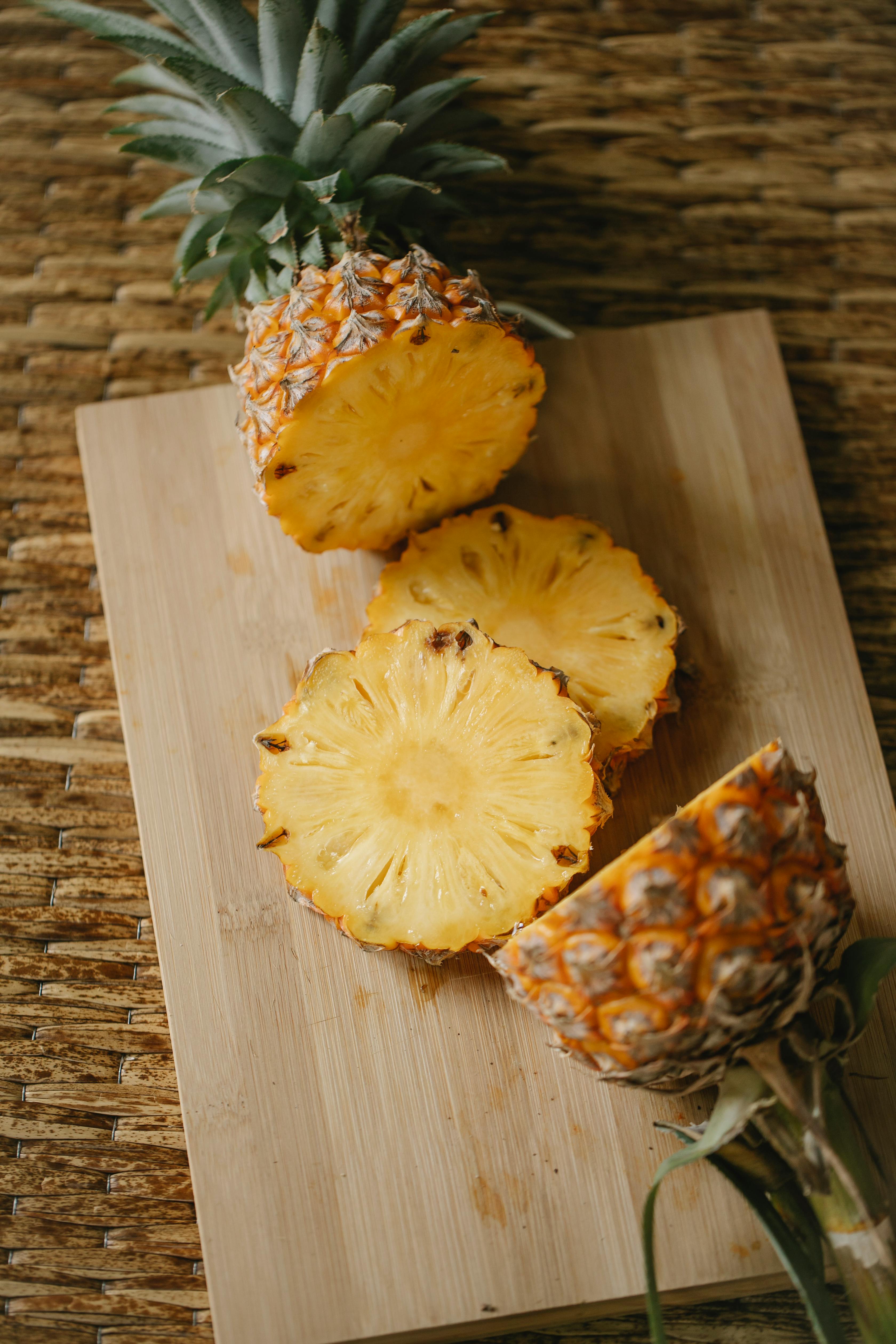
Pineapple is considered a refreshing tropical fruit that can break down complex proteins when it is consumed post-meal. The compound in it known as bromelain helps in breaking down proteins that are consumed during a meal. Research published in the Nutrients Journal suggests that pineapple can enable the breakdown of protein molecules. Nutrient-dense fruits such as pineapple affect the digestive system based on when they are consumed. If a moderate amount of the fruit is consumed before a meal, then it has a different effect on the digestive process. There is clear clinical evidence that suggests that post-meal consumption is best, as the Frontiers of Nutrition documents that a bioactive compound in pineapple makes it apt at breaking down proteins into smaller peptides and amino acids.
What Makes Pineapple Unique For Digestion?
The Life Journal pinpoints that pineapple is uniquely designed to function as a digestive aid, as it contains ample bromelain. This bioactive compound is a part of a group of protein-digesting enzymes. It is also found in the pineapple stem as well as the fruit; hence, some people don't throw the stem and utilise it for the extraction of bromelain supplements.
Bromelain is a mixture of proteases that are extracted from pineapple, and it functions as an effective protein-breaking enzyme.
How Does Bromelain Help Break Down Complex Proteins?
The most common proteins, such as meat, fish, eggs, dairy, legumes, and pulses, all require digestion. To facilitate this process, bromelain activates the function of natural digestive enzymes that are activated during the digestive process.
- Their main function is to help convert complex proteins into smaller amino acid chains that can be readily absorbed by the gut.
- The biological activity that pineapple helps with is attributed to degrading complex proteins.
- Pineapple is also considered a fruit that can ease gastric discomfort when eaten post-meal in moderate quantities.
Why Is Eating Pineapple After A Meal Considered Ideal?
The supportive function of pineapple post-meal can be linked to bromelain that works on breaking down proteins. The delivery system of digestive enzymes gets activated when the food is already in the stomach, and the digestive process needs to be fast-tracked.
It can also be used to reduce feelings of heaviness after large meals as the digestive system gets overwhelmed.
The pineapple works alongside the secretion of stomach acid and when digestive enzymes get activated during the digestive process.
Consumption of pineapple can complement the digestive process rather than replacing it.
Other Potential Benefits Of Eating Pineapple After Meals
The benefits of pineapple after meals are linked to its bromelain, fibre, vitamin C and antioxidant compounds. The specific health benefits are subject to how much pineapple your body can metabolise and how consistently your consumption of the fruit can nourish your digestive system.
May Reduce Bloating
The Life Journal has pointed to the ability of pineapple to reduce bloating, as food can easily be broken down into amino acids for nutrient absorption. It can even serve as a fruit that could ease digestive discomfort in moderate doses.
Supports Gut Health
Pineapple contains a high quantity of fibre, which supports healthy bowel movements.
Provides Antioxidants
The high dose of vitamin C in pineapple makes it a potent anti-inflammatory, as it also has multiple plant compounds.
Pineapple Nutritional Profile (Per 100 g)
The Indian Council of Medical Research (ICMR) and National Institute of Nutrition (NIN) have pinpointed that 100 g of pineapple contains the following nutritional values, and its dose should be adjusted accordingly:
- Energy: 48 kcal
- Moisture: 86 g
- Protein: 0.5 g
- Fat: 0.1 g
- Carbohydrates: 11-12 g
- Dietary Fibre: 1.4 g
- Calcium: 20 mg
- Phosphorus: 9 mg
- Iron: 0.3 mg
- Potassium: 147 mg
- Vitamin C (Ascorbic Acid): 39 mg
- Beta-Carotene: Small amounts present
Who May Benefit Most From Pineapple After Meals?
The intake of pineapple is especially beneficial for those who consume a high-protein diet and those who are looking to optimise their diet naturally. Furthermore, people who are looking for specific benefits can introduce pineapple post-meals:
- Fitness enthusiasts who are looking to balance their digestive processing.
- Older adults with digestive concerns can benefit from pineapple consumption.
- Individuals who experience occasional heaviness after meals can try eating pineapple for ease.
Are There Any Side Effects?
Pineapple is a tropical fruit that is available seasonally and can be consumed fresh or dried. But the health benefits are maximum in its fresh form, and if you consume too much pineapple, then these kinds of side effects can occur:
- It may cause mouth irritation due to its sour and pungent taste.
- Not suitable for everyone.
- People with pineapple allergies should avoid it.
Note: Any intake of bromelain supplements should only be used under medical guidance.
How Much Pineapple Should You Eat After A Meal?
The ideal amount of pineapple that should be eaten after a meal is approximately 1 cup of fresh pineapple chunks.
This intake should be balanced with a healthy diet that has plenty of fresh fruits and vegetables in it.
Pineapple should be a part of your diet, as it contains bromelain, which breaks down complex proteins. When it is eaten after a meal, it could help with digestion.
Also Read: Sohail Khan: What Happened To His Face? Why Sudden Weight Loss Changes Facial Structure
Disclaimer: This content including advice provides generic information only. It is in no way a substitute for a qualified medical opinion. Always consult a specialist or your own doctor for more information. NDTV does not claim responsibility for this information.