

)
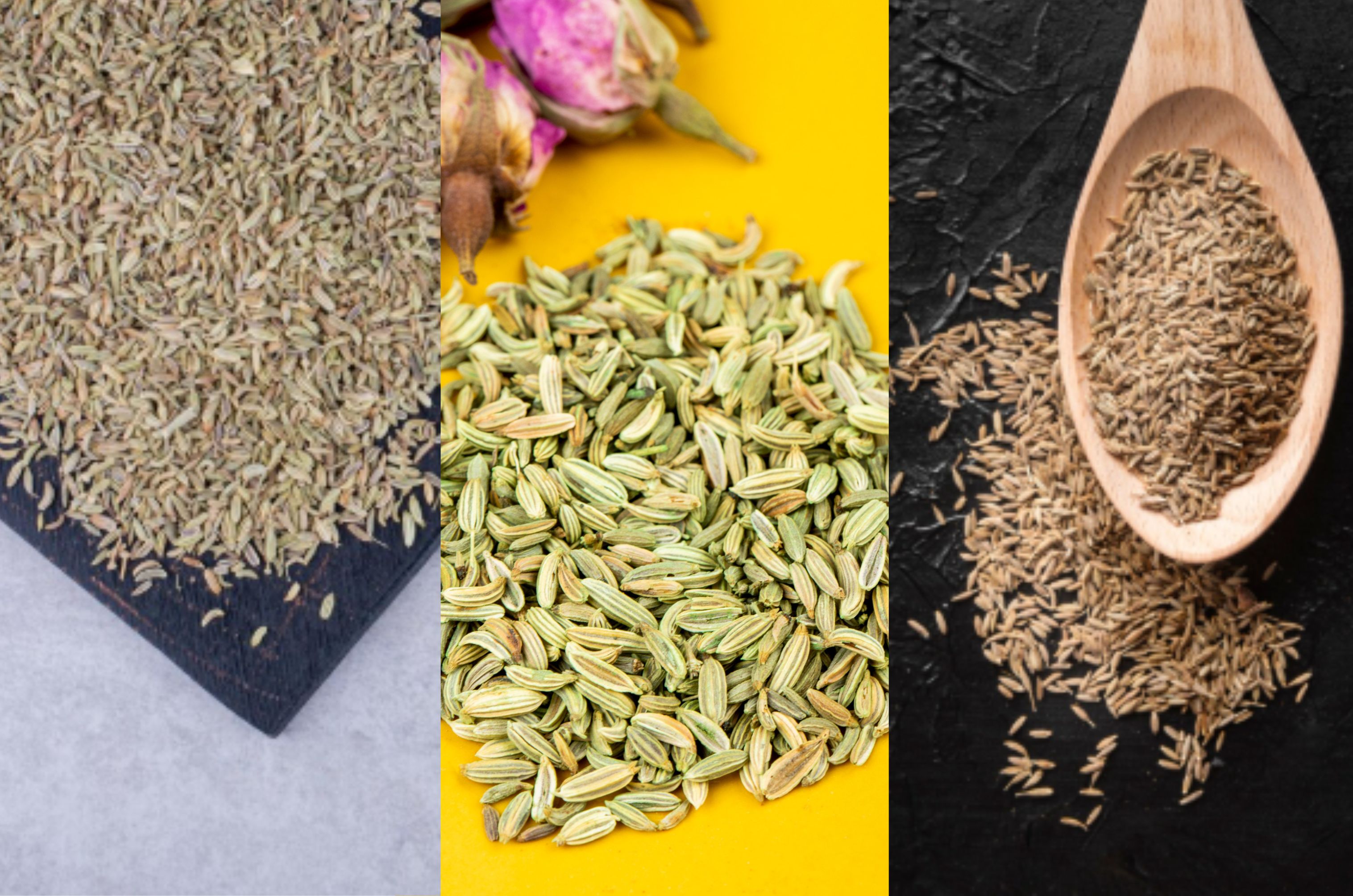
Heaviness, gas, acidity, and bloating are common digestive issues that can occur after lunch. People tend to experience them according to their digestive capabilities and the current state of their gut microbiota. While dealing with digestive issues is common, there are natural remedies rooted in science that can help people feel at ease after lunch. The trio of seeds, namely fennel, carom, and cumin, is needed to remedy the digestive discomfort that is caused after having lunch. The form in which these seeds should be eaten is raw or roasted and chewed for a while, so that their natural compounds are naturally released in the mouth and can be absorbed via the saliva. Each of these seeds that are part of the traditional Indian diet has specific roles in making gut health better.
With rising gastrointestinal issues in India, the need for smart choices that can make your digestive process faster and much more comfortable is needed. Instead of dealing with repetitive discomfort, people need to go to their kitchens and choose the right seeds that can make their digestive processing much more comfortable. This is especially needed after a heavy, rich meal that is rich in fats and needs an extra push to make its breakdown in the body a bit easier.
Why Digestion Slows Down After Lunch
Digestion tends to naturally slow down after lunch, when people consume large meals that have too much fat or contain a lot of refined carbohydrates; then the intestines tend to have a hard time moving the food along for nutrient absorption.
- Reduced enzyme activity, which affects the way digestion occurs in the body after food consumption.
- Stress and a sedentary lifestyle can make your digestion slower and impact the way your gut functions.
- Introducing or choosing to chew these three seeds, at least one of them, according to their desired function, is needed. As it is, simple habits can restart digestion naturally and make it much more comfortable for people who are struggling with gut issues.
Also Read: Gastroenterologist Explains How Drinking Methi Water Every Morning Can Benefit Grade-1 Fatty Liver
The Post-Lunch Ritual A Doctor Quietly Approves Off
NDTV spoke to Dr Shubham Vatsya, Senior Consultant, Gastroenterology, Fortis Hospital, Vasant Kunj, who explains, "After a heavy or even a routine meal, many gastroenterologists recommend a simple, time-tested habit: chewing a mix of fennel seeds, carom seeds, and cumin seeds. This traditional practice is not just cultural; it has solid scientific reasoning rooted in digestive physiology."
- Research published in the Nutrients journal points to black cumin that can be made from browning it on the stove for 30 seconds to 1 minute, and can activate beneficial compounds that make it an effective digestive aid.
- Secondly, fennel seeds, as per the research published in Food Science and Nutrition, have a high dose of antioxidants that combat the oxidative stress that impacts the digestive process.
- Thirdly, for carom seeds, as per the research published in the Current Functional Foods, it indicates that eating a moderate dose of the seeds can benefit your digestive health.
Besides these benefits, the following benefits are also concealed in these tiny traditional dietary accompaniments:
- These seeds focus on stimulating digestive enzymes that make the digestive process better.
- The act of chewing these seeds activates saliva, bile flow, and gut motility, which is necessary after consuming lunch.
- These seeds function as digestive support while reducing the ability of stomach acids to build up after eating a heavy lunch.
The 3 Seeds A Gastroenterologist Recommends After Lunch
Dr Shubham Vatsya conveys, "Fennel seeds (saunf) are well known for their carminative properties, meaning they help reduce gas and bloating. They contain compounds like anethole, which relax the gastrointestinal tract and promote smoother digestion. Chewing fennel seeds after meals can also stimulate saliva production, which is the first step in proper digestion."
While fennel seeds are easily available for consumption, you need to get the timing and quantity right. Immediate consumption after a meal is not advisable; you need to give your food time to move to the intestines and then consume it to be effective.
Additionally, Dr Shubham Vatsya says that carom seeds (ajwain) are particularly powerful for individuals who experience indigestion or heaviness after eating. They contain thymol, a compound that enhances the secretion of gastric enzymes. This helps break down food more efficiently and prevents issues like acidity, gas, and abdominal discomfort. Ajwain is especially helpful after oily or heavy meals."
This is handy advice to keep in mind, especially when you plan to eat a heavy, oily, and rich meal for lunch. You need to plan your meals in advance to ensure your digestive process is fast-tracked and performed in the right manner to ensure proper nutrient absorption without the digestive slowdown.
Lastly, Dr Shubham Vatsya explains, "Cumin seeds (jeera), on the other hand, play a crucial role in improving overall digestive efficiency. They stimulate the pancreas to release digestive enzymes, aiding in better nutrient absorption. Cumin is also known to reduce inflammation in the gut and can help regulate bowel movements."
As mentioned in the research above, browning cumin seeds over medium heat can release compounds that benefit your post-lunch digestive issues.
Also Read: Gastroenterologist Recommends Eating Fennel Seeds After Every Meal, Know Why
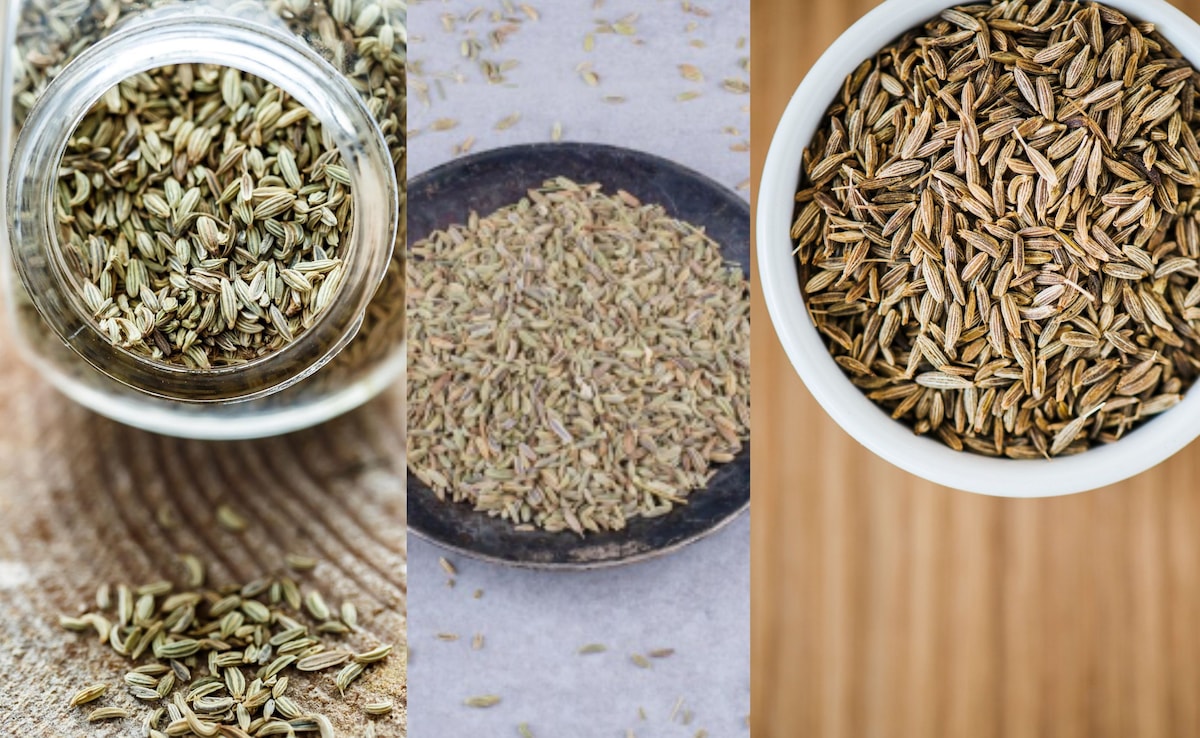
Fennel, carom, and cumin seeds can be chewed after lunch to make digestion easier after lunch
Photo Credit: Freepik
How To Chew These Seeds The Right Way
The exact quantity of these seeds matters, as eating too much can have the opposite effect as well. The approximate quantity of this trio of seeds is about half a teaspoon, and to ensure benefits in the right manner, you need to do the following:
- Chew slowly; don't swallow whole, as the seeds need to release their compounds in the mouth for maximum impact.
- The ideal timing is 5 to 10 minutes after lunch, which can make it better for people who have just had a heavy meal for lunch.
- If you want, you can roast them as their properties increase or consume them as is in the right quantity.
Who Should And Shouldn't Follow This Habit
With every natural remedy, you need to be careful of if it can benefit you on an individual basis or cause side effects. Here is what you should know:
- It is great for people who tend to have acidity, gas, or Irritable Bowel Syndrome-like symptoms, but their experience should be momentary, not persistent.
- People who have digestive or gut health issues, such as GERD, or are pregnant or on specific medications, need to consult a medical professional for a safe approach.
- A moderate dose is key; overdosing on it will not give you too much of the benefit. Your body will only absorb what is needed and reject the rest.
Note: As Dr Shubham Vatsya suggests, half a teaspoon is enough for the desired impact.
Seeds vs. Digestive Tablets
When it comes to the trio of digestive seeds, recently, tablets of the same have been made available for ease of use. But people need to understand that the quality of their production can affect their compounds when consumed for their desired benefits.
- The seeds support digestion naturally, but also can suppress symptoms of serious digestive issues if you are facing issues with their recurrence.
- When medication is still necessary, you need to be careful of what a medical professional says after looking at your individual medical history.
- A long-term gut health perspective is needed when deciding which seeds to consume and when for their desired effect. The gut is a delicate environment that needs to have a balance of certain bacterial strains that can break down food easily when consumed.
Consuming fennel, carom, and cumin in approximately half a small teaspoon quantity is a simple post-lunch habit that can make your digestive process comfortable. But be aware of the potential side effects and make use of the affordable, accessible, and familiar practice to make it better for your digestive system. And for maximum health impact, practise consistently in the suggested quantity. As Dr Shubham Vatsya says, "Incorporating this simple habit into your daily routine is an easy, natural way to support your digestive system-something both traditional wisdom and modern gastroenterology agree on."
Disclaimer: This content, including advice, provides generic information only. It is in no way a substitute for a qualified medical opinion. Always consult a specialist or your own doctor for more information. NDTV does not claim responsibility f
why a gastroenterologist recommend chewing seeds after lunchor this information.