

)
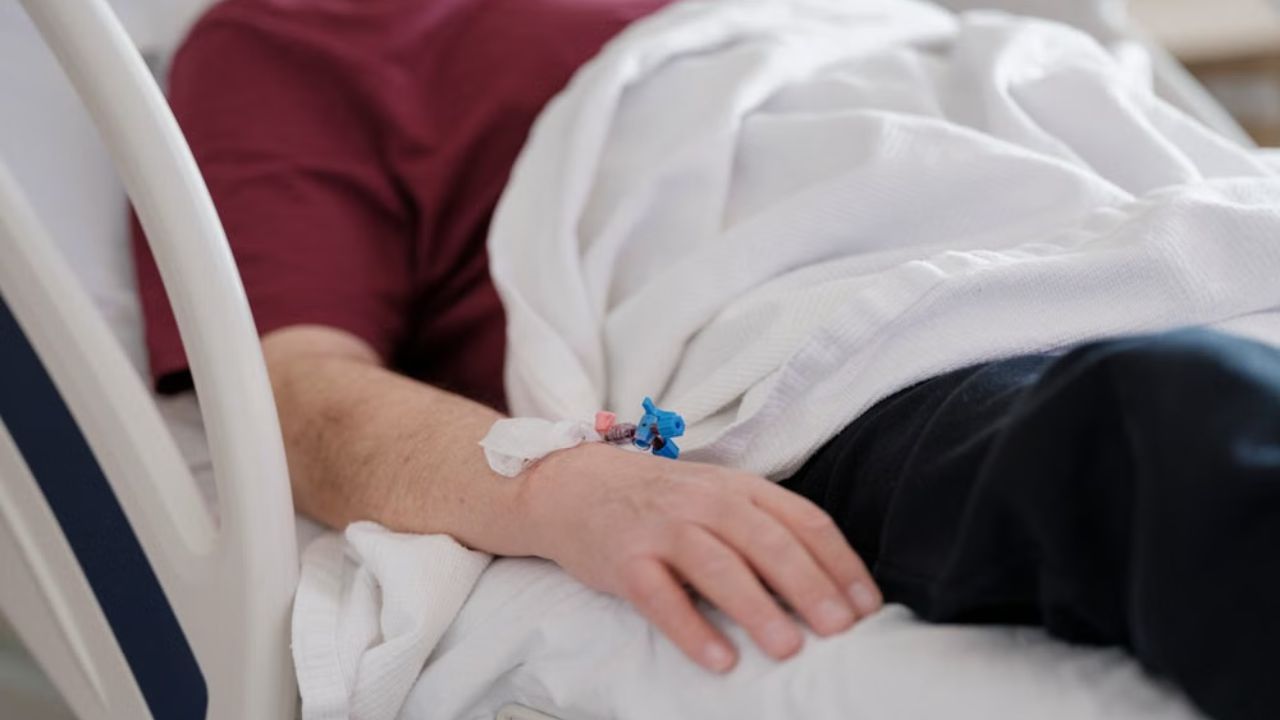
Peter Murphy, 61, fought for his life after an infection developed in his right wrist and rapidly spread through his body. Peter had spotted a strange-looking spider crawling across his bed and carefully placed it outside. The following day, however, his wrist became swollen, red and painful. His condition soon deteriorated so severely that he struggled to speak properly and was rushed to hospital. Doctors diagnosed him with necrotising fasciitis, a rare but potentially life-threatening infection that can destroy tissue rapidly. He also developed severe cellulitis and sepsis and was placed in a medically induced coma for four days.
"The shock of it all was overwhelming. Various doctors were rushing to my bedside and explaining to me what they thought was happening. They needed to contain it and get it under control very quickly, or it would rapidly move to other parts of my body," said Peter.
Peter underwent four operations and was warned that his arm might have to be amputated if the infection continued to spread. He later needed skin grafts and physiotherapy to regain movement in his hand and fingers.
What Is Necrotising Fasciitis?
Necrotising fasciitis is a rare, and serious bacterial infection that affects the tissue beneath the skin, including the fascia, which surrounds muscles and other structures. It can cause tissue to die quickly, which is why it is sometimes described as a "flesh-eating disease". The term does not mean that bacteria literally eat flesh. Instead, certain bacteria release toxins and trigger an aggressive inflammatory response that damages blood vessels and tissues. Without rapid treatment, the infection can spread through the body and become fatal.
Several types of bacteria can cause necrotising fasciitis. Group A Streptococcus is one of the bacteria commonly associated with the condition, although other bacteria can also be responsible.
How Does The Infection Happen?
Necrotising fasciitis can enter the body through a cut, wound, insect or animal bite, burn, surgical wound or other break in the skin. Sometimes, however, there may be no obvious injury.
In Peter's case, the illness followed a spider bite. It is important to note that identifying the exact cause of an infection after an insect or spider encounter can be difficult. A bite may create an opening through which bacteria enter, but the presence of a spider does not necessarily mean the spider itself caused the infection. The infection can initially resemble more common skin problems, making early recognition particularly important.
What Are The Symptoms?
Symptoms can worsen quickly. Early signs may include:
- Severe pain, sometimes much worse than the skin appearance suggests
- Redness and swelling
- Warm or tender skin
- Fever and chills
- Feeling extremely weak or unwell
- Blisters or changes in skin colour
- Rapidly spreading swelling or redness
As the infection progresses, the skin may become dark, develop blisters or lose sensation. A person may also develop confusion, dizziness, a rapid heartbeat or difficulty breathing if sepsis develops. One warning sign is pain that seems disproportionate to the visible injury. This can occur because deeper tissues are being affected even when the skin initially looks relatively normal.
Why Is Necrotising Fasciitis So Dangerous?
The infection can spread rapidly along tissue planes and cause extensive tissue death. It can also trigger sepsis, a life-threatening reaction to infection that can lead to organ damage and failure.
In severe cases, doctors may need to perform emergency surgery to remove dead and infected tissue. Multiple operations may be required. If an infection has severely damaged a limb and cannot otherwise be controlled, amputation may sometimes become necessary.
How Is The Condition Treated?
Necrotising fasciitis is a medical emergency. Treatment generally involves urgent surgery to remove infected and dead tissue, along with intravenous antibiotics and supportive care. Doctors may need to repeat surgery as the infection can continue to develop. Patients with severe infections may require intensive care, treatment for sepsis, fluids, medicines to support blood pressure and, in some cases, breathing support.
After the infection has been controlled, reconstruction and rehabilitation may be needed. Peter underwent skin grafting and physiotherapy to help restore movement in his hand and fingers.
Can It Be Prevented?
There is no guaranteed way to prevent necrotising fasciitis, but good wound care can reduce the risk of serious bacterial infections. Cuts and wounds should be cleaned properly and covered, while people should avoid touching wounds with dirty hands.
Anyone with a wound should seek medical advice if redness, swelling or pain is rapidly increasing, particularly if fever or severe weakness develops.
Disclaimer: This content including advice provides generic information only. It is in no way a substitute for a qualified medical opinion. Always consult a specialist or your own doctor for more information. NDTV does not claim responsibility for this information.