

)
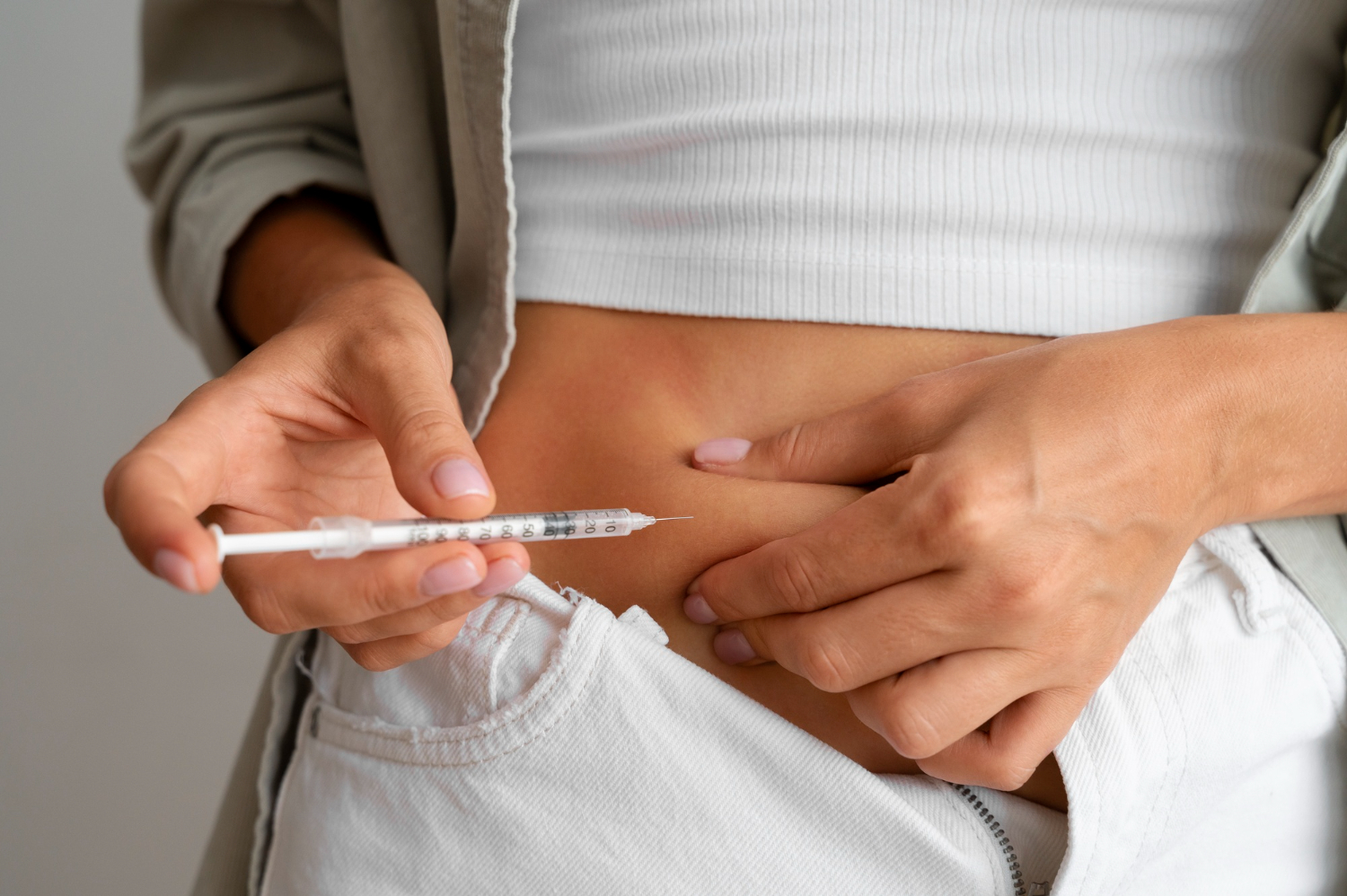
The diabetes weight loss drugs are showing promise for better blood sugar control and weight management. Recently, Novo Nordisk's Ozempic has been launched in India. For those unfamiliar, Ozempic is the brand name for the medication semaglutide, primarily used to help manage type 2 diabetes. It belongs to a class of drugs known as GLP-1 receptor agonists. Ozempic mimics a hormone called glucagon-like peptide-1 (GLP-1), which plays a crucial role in regulating blood sugar levels, insulin secretion, and appetite.
In addition to controlling blood sugar, Ozempic has been shown to promote weight loss largely due to its effect on appetite and gastric emptying. It slows the movement of food from the stomach to the intestines, helping you feel fuller for a longer period. Furthermore, by acting on areas of the brain that regulate appetite, Ozempic can help reduce hunger and cravings.
4 Things that can happen when you stop taking weight loss drugs
Although GLP-1 drugs can deliver impressive results, some individuals may choose to discontinue their use, whether due to side effects or high costs. If you stop taking these diabetes and weight loss medications, you may wonder what will happen. Will you regain weight? Will your blood sugar levels spike? Here are four potential outcomes:
1. Your appetite will return
These weight loss drugs make you eat fewer calories by slowing down digestion, keeping food in the stomach for longer and increasing the feelings of fullness. Once the medication is discontinued, the appetite-regulating effect may wane, which can lead to increased cravings and hunger. This can make it more challenging to follow a low-calorie diet post-discontinuation.
Also read: Ozempic Injection Price In India: How Affordable Is It For Diabetes And Weight Loss?
2. You may regain weight
Studies have shown that people who stop taking semaglutide and tirzepatide regain most of their lost weight in a year or less. Sustainable weight loss requires ongoing management. Whether people take Ozempic for obesity or type 2 diabetes, medication should be just one piece of a treatment plan that also includes healthy lifestyle changes like eating a balanced diet and getting plenty of exercise.
3. The side effects will subside
While Ozempic and other GLP-1s can help you lose weight, there can be possible side effects, including gastrointestinal issues like nausea, vomiting, diarrhea, constipation, and abdominal pain. These will slowly go away as you stop using the medication.
However, it is important to note that not everyone experiences side effects, and they may be mild for others. These can also be avoided by modifying the dosage.
Also read: Who Should Avoid Ozempic? Doctor Explains Why The Drug Is Not For Everyone
4. Blood sugars may fluctuate
For those using Ozempic for diabetes control, stopping the medication can lead to a rise in blood sugar levels, requiring alternative management strategies. People with diabetes may potentially see worsening of their condition when they stop GLP-1s.
Also read: Can Non-Diabetics Take Ozempic For Weight Loss? Doctor Answers
Is it okay to stop Ozempic use anytime?
While some people might feel tempted to stop using Ozempic spontaneously, it's essential to consult with a healthcare provider before doing so. Stopping without medical guidance can lead to negative health outcomes, especially if it was prescribed for diabetes management.
Also read: Weight Loss Drugs In India: The Rise Of GLP-1s In 2025
Ultimately, if someone is considering stopping Ozempic, it's important to have a plan in place for how they will manage their blood sugar levels and weight afterwards. Talk to your doctor to create a suitable strategy tailored to individual needs and circumstances.
Always remember that while medications like Ozempic can aid in weight loss, they should be part of a comprehensive weight management plan that includes lifestyle changes for long-term success.
Disclaimer: This content including advice provides generic information only. It is in no way a substitute for a qualified medical opinion. Always consult a specialist or your own doctor for more information. NDTV does not claim responsibility for this information.