

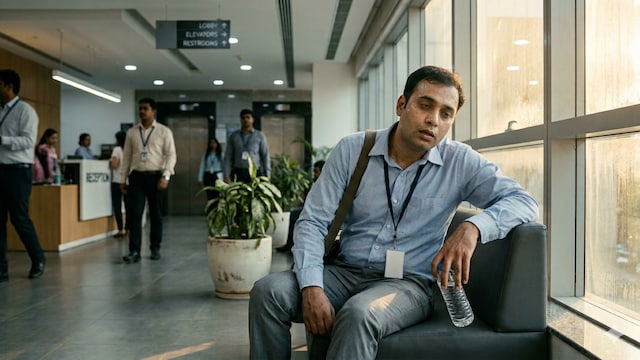
Nautapa refers to the 9 hottest days in peak summers that signal the rise in heatwave intensity in India. Consecutive exposure to extreme heat daily can increase the risk of heatstroke and dehydration, which can worsen health outcomes. Nautapa occurs when the sun is directly over the Tropic of Cancer, which leads to a sharp rise in temperatures as well as dry, hot winds or loo. These erratic conditions increase health risks due to extreme heat. The nine days of intense heat can cause people to struggle with regulating their core body temperature. Extreme heat during this time is being recorded at 47.4 degree celusis in Banda, Uttar Pradesh. With the Indian Meteorological Department declaring a red heatwave alert for Delhi and Madhya Pradesh and a yellow alert for other Indian states, the need to know how to survive the intense heat is crucial.
Health Risks During Nautapa
Nine days of an intense heat period can increase the susceptibility of people of all ages, especially those in the vulnerable category, such as the elderly, children, and those with pre-existing medical conditions, to multiple health risks. These can be as follows:
- Heatstroke is a life-threatening condition wherein the body gets overheated and struggles to regulate its core temperature.
- Dehydration, which can lead to multiple failures in normal bodily functions.
- Heat exhaustion, which can spiral to heatstroke if left untreated.
- Worsening of chronic health conditions that have made the body vulnerable to breakdown.
Early Warning Signs To Watch Out For
The early warning signs that should ring alarm bells and force you to seek immediate medical attention are the following:
- Dizziness and fatigue
- Headache
- Excessive sweating or dry skin
- Nausea and confusion
Also Read: Indoor Heatwave Safety: 7 Expert-Backed Ways To Keep Your Home Cool This Summer
Doctor's Guide: How To Survive Nautapa Safely
NDTV spoke to Dr Vandana Garg, an Internal Medicine Specialist in Delhi-NCR, who detailed a guide to survive the nine-day intense heat period safely. There are multiple ways to do so, and you need to follow them to avoid falling sick from summer heat-related illnesses.
1. Hydration First
Intense heat can only be countered by a regular and consistent hydration schedule, which should not only involve drinking water regularly, but also when you are thirsty. You need to curate a schedule that fits in with your lifestyle and dietary habits to balance your water intake throughout the day. Including oral rehydration solutions, coconut water, and hydrating liquids such as buttermilk are needed to balance the water loss that occurs during extreme heat.
2. Eat Smart In Extreme Heat
You need to consume light, water-rich foods such as fruits and curd to supply your body with probiotics and enough water content to help the gut process food in a better manner. Avoiding heavy, oily, and spicy meals is necessary to give your gut a break from processing heavy foods that require extra effort.
3. Stay Indoors During Peak Heat
Avoiding sun exposure between peak heat hours, between 12 pm and 4 pm, is necessary to avoid overheating and sending the body into overdrive. You need to use thick curtains that absorb the heat, fans, and coolers to cool your environment and make it comfortable to exist in.
4. Dress For The Heat
Wearing loose and light-coloured cotton clothes is needed to let your skin breathe, as in intense heat, you tend to sweat a lot. The sweat needs to dry out to regulate your body temperature, and you also need to avoid antiperspirants that block your sweat glands from performing their normal function. Making sure to cover your head while stepping out is necessary to ensure that the heated air doesn't directly impact your body.
5. Cool Your Body Effectively
Natural body cooling methods are needed to enable the body to deal with the constant onslaught of heat in the environment. You can do so by taking cold showers once or twice a day, placing a wet cloth on your neck or wrists, and keeping your indoor space ventilated.
6. Special Care For High-Risk Groups
The most vulnerable people in a period of repetitive heat tend to be the following:
- Children
- Elderly
- Outdoor workers
People with diabetes, heart disease, or any other chronic health condition need special care.
Note: People in these groups need to be especially careful of their timings and make sure that they don't step out unless necessary. Taking the necessary safety precautions is key to avoiding a health mishap.
Also Read: Doctor Explains The Connection Between Heatwaves And Increased Anxiety Levels
What To Do In Case Of Heatstroke
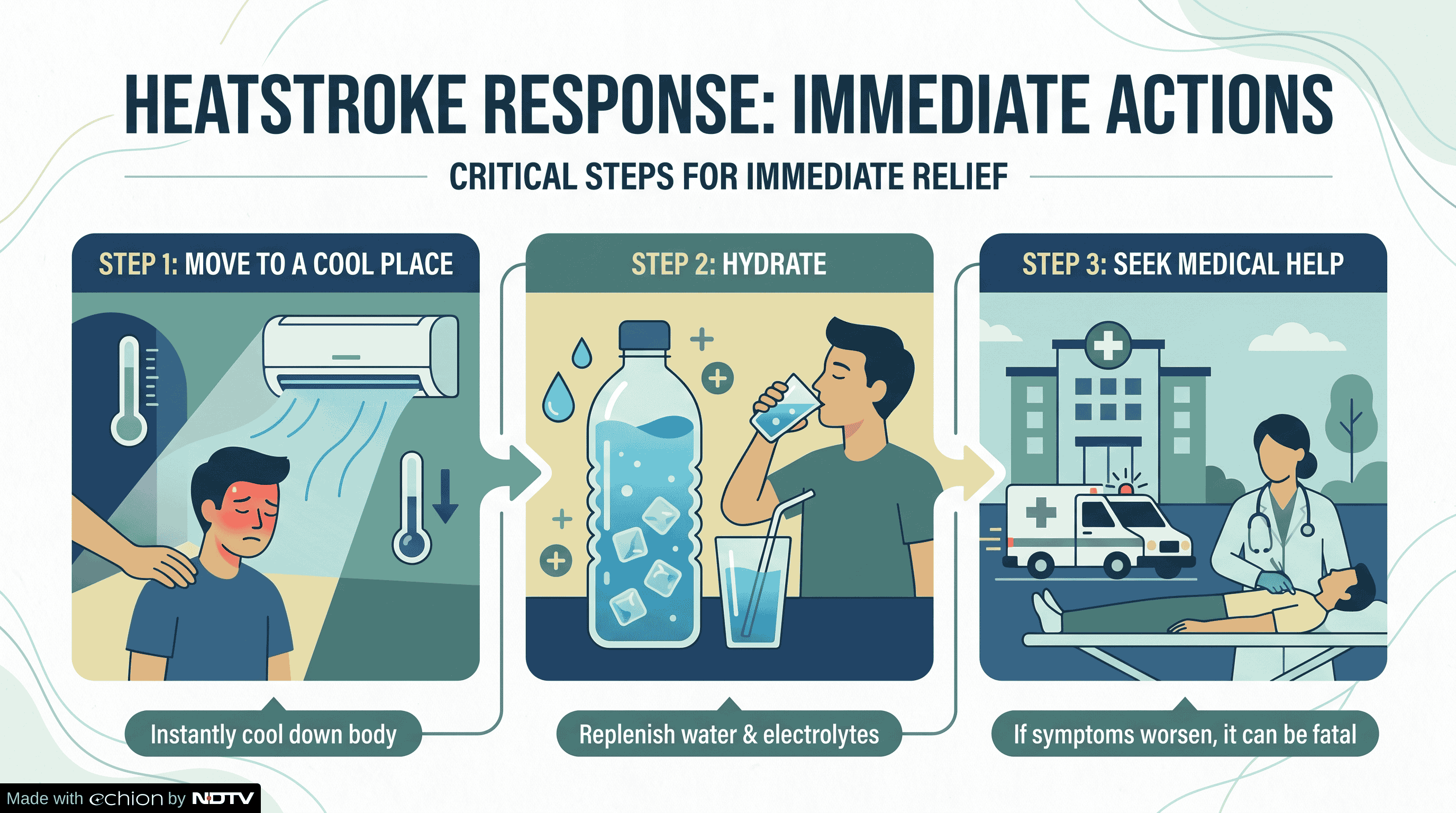
If you happen to suffer from heatstroke, then you need to follow these steps:
- Move to a cool place immediately to let your body instantly cool down.
- Hydrate with fluids to replenish the loss of water and electrolytes.
- Seek medical help if symptoms worsen, as it can be fatal.
Traditional Indian Cooling Practices
Using traditional Indian cooling practices that are proven by science can help reduce the internal heat in the body. Especially during the nine-day intense day period, you need to consume these drinks to let your body deal with the heat effectively:
- Aam panna, as detailed in the Indian Horticulture Journal, has anti-microbial and internal cooling properties.
- Sattu drinks, as they offer a nutrient-dense profile while being cooling at the same time, as mentioned in the Archives of Current Research International.
- Buttermilk, as highlighted in the International Journal of Horticulture, Agriculture and Food Science, with its probiotic dose and hydration quotient, provides relief from summer heat.
Nautapa is a short but intense period of intense heat, which requires using prevention methods. You can include small daily habits that can protect you from severe health risks associated with intense heat.
Disclaimer: This content, including advice, provides generic information only. It is in no way a substitute for a qualified medical opinion. Always consult a specialist or your own doctor for more information. NDTV does not claim responsibility for this information.