

)
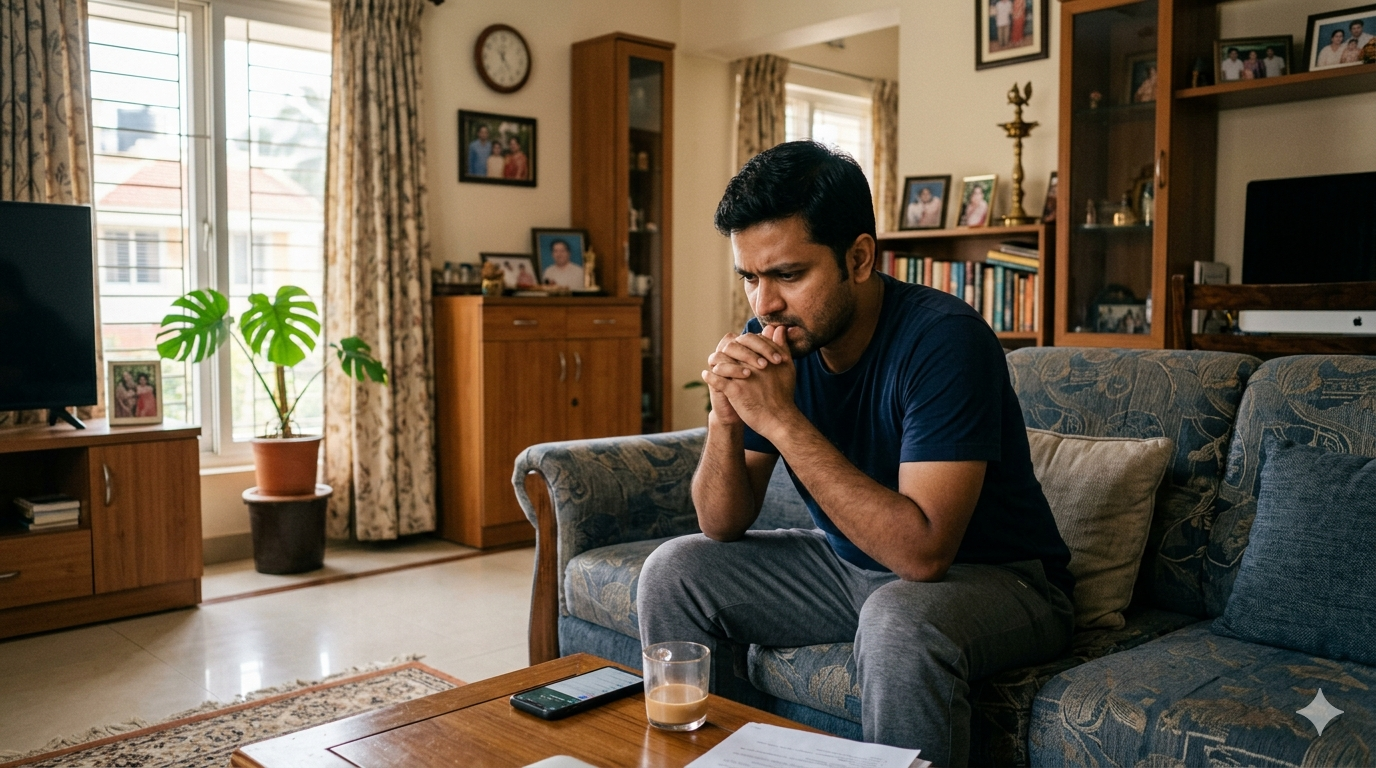
Heatwaves are known for its impact on physical health, such as dehydration, heat exhaustion, and fatigue. However, extreme heat can also influence emotional and mental well-being in ways many people do not immediately recognise. During hot weather conditions, it is common for people to feel more irritated, impatient, restless, or emotionally low. These reactions are not unusual and can happen even in otherwise healthy individuals. When temperatures remain high for several days continuously, the body and mind both experience additional strain, making everyday activities feel more difficult and tiring.
The body works continuously to stay cool during intense heat. Excessive sweating, disturbed sleep, dehydration, and physical discomfort can slowly affect emotional balance. Speaking to NDTV, Dr. Parinita Kaur, Director & Unit Head, Internal Medicine, Max Super Speciality Hospital, Dwarka, said that many people find themselves mentally exhausted after spending long hours in hot conditions. Daily routines may start feeling heavier, concentration may reduce, and stress levels can increase. Read on as Dr. Kaur explains how heatwaves increase anxiety levels.
How Heat Affects Emotional Health
Extreme heat places extra pressure on the body. When temperatures remain high for many days, the body keeps trying to maintain a stable internal temperature. This constant effort can lead to tiredness and physical discomfort, which may gradually affect mood and emotional stability.
People often report feeling more irritable, mentally drained, or less patient during heatwaves. Small challenges that would normally seem manageable may start feeling stressful. Constant sweating, sticky weather conditions, and discomfort can create frustration and emotional fatigue over time. In addition, high temperatures may reduce motivation and energy levels. This can make daily work, household responsibilities, or travel feel more exhausting than usual.
Poor Sleep and Rising Anxiety
One of the biggest reasons heatwaves affect emotional health is poor sleep. Hot and humid nights often make restful sleep difficult. Many people wake up repeatedly, struggle to fall asleep, or experience shorter sleeping hours. When sleep quality is poor for several days, stress increases. The brain gets less time to recover, which may affect concentration, mood, and emotional control. Lack of sleep can also increase feelings of worry and make people more sensitive to everyday pressures.
As a result, individuals may feel restless, anxious, or emotionally overwhelmed even without any major problem occurring in their lives.
Dehydration and Mental Fatigue
Hydration also plays an important role. During summer, the body loses more fluids through sweating. If water intake is not enough, dehydration may develop gradually. "The brain requires enough fluids to function efficiently, and reduced water intake during hot weather may contribute to headaches, fatigue, difficulty concentrating, low mood, and irritability. In some cases, people may also feel uneasy, restless, or experience palpitations, which can further worsen feelings of anxiety," said Dr. Kaur.
These physical symptoms can sometimes increase anxiety because they may feel alarming or uncomfortable. Mental tiredness combined with dehydration can make people feel emotionally unsettled during prolonged heatwaves.
Reduced Activity and Social Isolation
Another reason anxiety levels may rise during heatwaves is reduced outdoor activity. Many people avoid stepping outside when temperatures become extreme. Walking, exercising, meeting friends, or spending time outdoors often decreases.
Staying indoors for long periods with limited physical movement can affect emotional health. Physical activity usually supports stress control and mood balance. Reduced exercise may therefore increase feelings of frustration or sadness.
Social interaction may also become limited during hot weather. Less time spent with others can sometimes lead to feelings of isolation, especially among older adults or people already dealing with emotional concerns.
Impact on Vulnerable Individuals
People who already experience anxiety, depression, panic attacks, or sleep disorders may notice their symptoms becoming stronger during very hot weather. Heat may increase physical discomfort and make emotional symptoms more noticeable.
Certain medicines used for mental health conditions can also affect how the body responds to heat, increasing vulnerability during summer months.
Daily stress can feel more intense as well. Travelling in traffic, crowded spaces, outdoor work, power cuts, and continuous sweating may slowly build frustration and mental exhaustion.
Simple habits can help reduce these effects. Drinking enough water, sleeping in cooler rooms, avoiding excessive caffeine, and limiting direct heat exposure may help maintain emotional balance. Short breaks from screens, calming music, breathing exercises, meditation, and walking during cooler hours can also improve comfort.
"People should not ignore ongoing anxiety, sleep disturbance, panic, or emotional exhaustion during summer months thinking it is 'just the heat.' Mental well-being matters as much as physical health, and extreme weather can quietly affect both. Understanding how heatwave affects emotional health may help people recognise symptoms earlier and take better care of themselves during these times," added Dr. Kaur.
Disclaimer: This content including advice provides generic information only. It is in no way a substitute for a qualified medical opinion. Always consult a specialist or your own doctor for more information. NDTV does not claim responsibility for this information.