

)
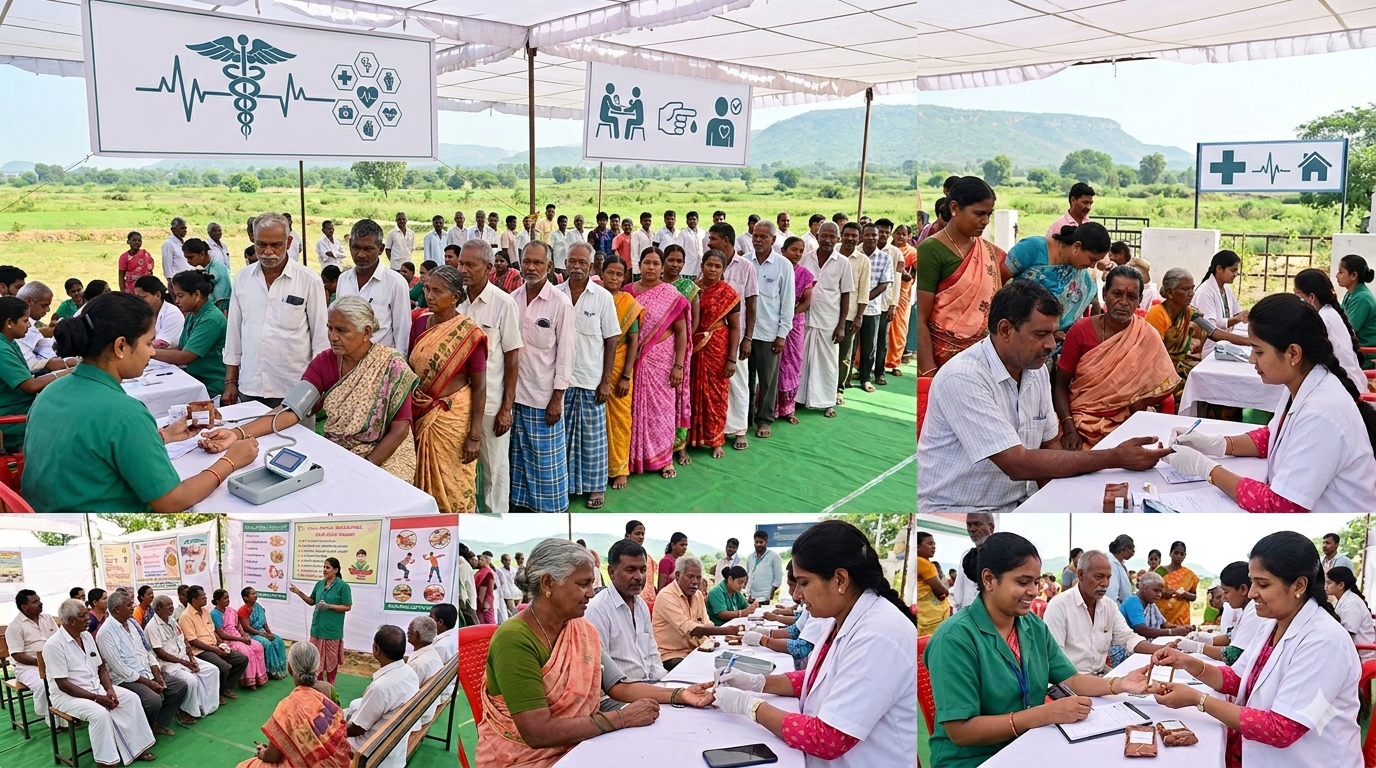
A massive population-based health screening drive in Telangana has discovered a worrying trend. There are lakhs of residents living with undiagnosed lifestyle diseases. The State's large-scale initiative has identified 26.9 lakh people with hypertension and another 14 lakh with diabetes, bringing the silent burden of non-communicable diseases into sharp focus. The findings come from multiple rounds of screenings conducted across the State, targeting individuals aged 30 years and above. The scale alone is striking. In the most recent round carried out during 2024-25, around 1.37 crore people were screened for high blood pressure and diabetes, making it one of the largest such public health exercises in India.
According to a study in the journal Diabetes Care, over 60% of the world's 285 million people living with diabetes reside in low- and middle-income countries. This global burden is expected to surge at least 450 million by 2030.
A silent epidemic hiding in plain sight
Hypertension and diabetes are popularly known as "silent killers" because they may not show obvious symptoms until serious complications develop. The Telangana data reinforces this concern, revealing that a significant portion of the population was unaware of their condition until tested. Health experts have long warned that lifestyle diseases are rising rapidly in India, fuelled by sedentary habits, unhealthy diets, stress and urbanisation. The screening results now provide concrete evidence of how widespread the issue has become at a population level.
According to a study, Type 1 diabetes is frequently diagnosed in children and young adults, it can develop at any age. Unlike Type 2, which can linger undetected for years, Type 1 symptoms usually escalate rapidly over a few days or weeks. Common Red Flags in Children is an increased need to urinate frequently (often noticed as new or sudden bedwetting).
- Polydipsia: An unquenchable, extreme thirst.
- Unexplained Weight Loss: Losing weight despite having a significantly increased appetite (polyphagia).
- Extreme Fatigue: Feeling unusually tired or weak as the body struggles to process energy.
What is particularly notable is that all people diagnosed during the drive have been enrolled for treatment within the public healthcare system.
Also read: High Blood Pressure In 30s? It Can Lead To Heart And Kidney Disease In 40s And 50s, Says Study
Why early detection matters
As doctors are continuously stressed, the importance of early diagnosis cannot be overstated. Conditions like hypertension and diabetes can remain undetected for years, quietly damaging vital organs. Once complications are set in, treatment becomes more complex and costly.
By identifying cases early, health systems can intervene with lifestyle advice, medication, and regular monitoring. This not only improves patient outcomes but also reduces the overall burden on healthcare services. The Telangana model demonstrates how large-scale screening can play a crucial role in public health. It brings healthcare closer to communities and encourages people to take proactive steps towards managing their health.
How the screening programme works
The initiative is part of Telangana's strategy to tackle non-communicable diseases through early detection and ongoing management. Screenings are conducted annually and are supported by a network of primary healthcare centres and dedicated NCD clinics.
These facilities not only carry out tests but also provide follow-up care, medication and monitoring. By integrating screening with treatment, the programme aims to reduce the long-term complications associated with these conditions, such as heart disease, stroke and kidney failure.
The State has also been expanding its healthcare infrastructure to support this effort. Investments are being made in new hospitals, specialised institutes and diagnostic facilities, signalling a shift towards preventive and comprehensive healthcare.
A broader health transformation
The screening drive is part of a wider push by Telangana to strengthen its healthcare system.The rising numbers of hypertension and diabetes cases highlight the dual challenge facing the State: managing infectious diseases while tackling the growing burden of lifestyle-related illnesses.
Also read: Could Your Breathing Be Raising Your Blood Pressure? New Study Says Yes
What this means for the public
For individuals, the message is clear. Regular health check-ups are no longer optional, especially for those above 30. Even if you feel perfectly healthy, conditions like high blood pressure and diabetes can develop silently. Simple lifestyle changes such as eating a balanced diet, staying physically active, managing stress and getting adequate sleep can go a long way in preventing or controlling these diseases. As India continues to battle the rise of non-communicable diseases, initiatives like this could well become the blueprint for other States looking to tackle the same challenge.
Disclaimer: This content including advice provides generic information only. It is in no way a substitute for a qualified medical opinion. Always consult a specialist or your own doctor for more information. NDTV does not claim responsibility for this information.