

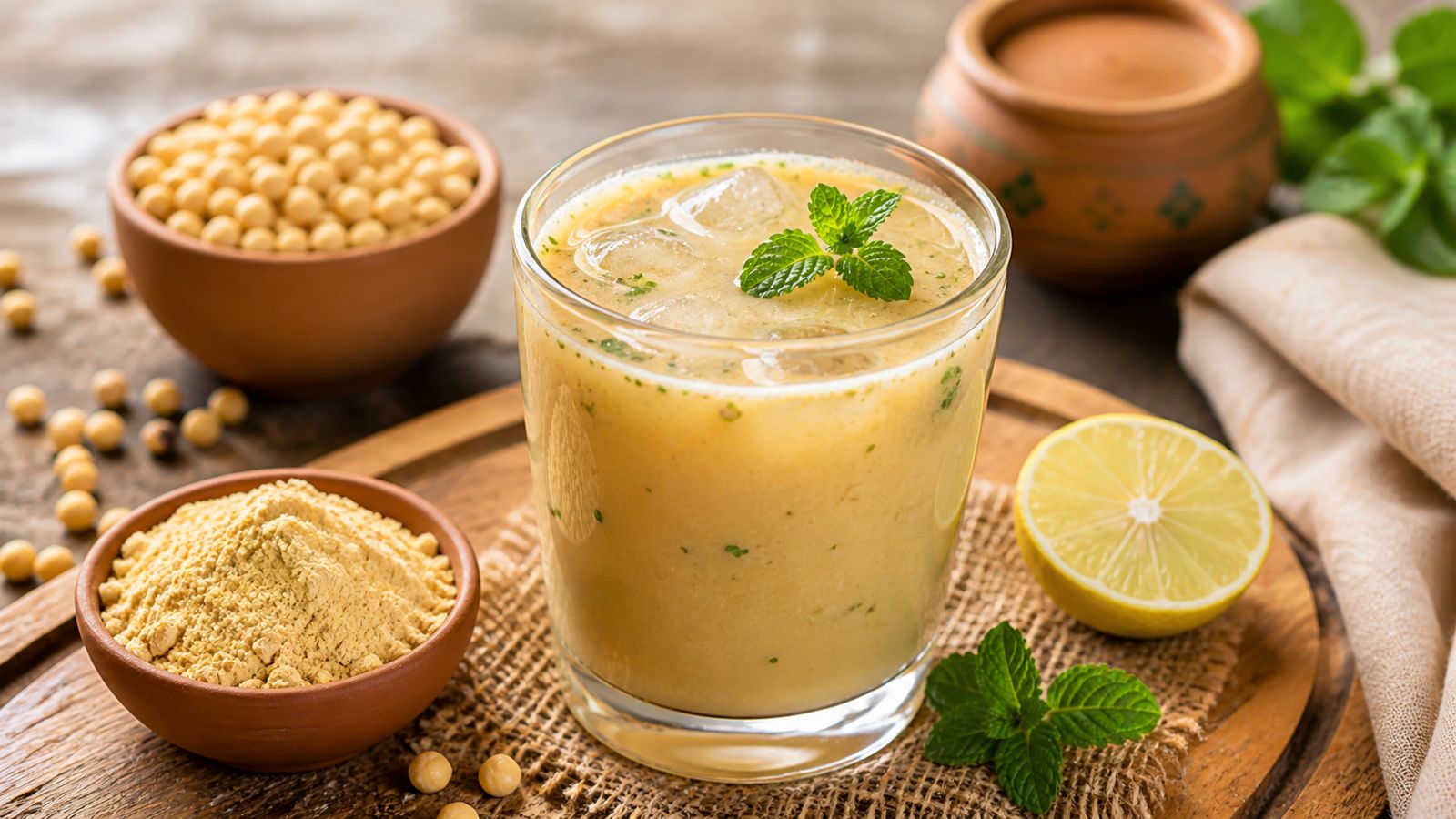
)
Irritable Bowel Syndrome (IBS) is a prevalent gastrointestinal disorder characterised by recurrent abdominal pain, cramping, bloating, excess gas, and unpredictable bowel habits ranging from persistent diarrhea to chronic constipation. For millions of people navigating the daily discomfort of IBS, managing flare-ups requires a careful balance of targeted dietary adjustments, stress management techniques, and professional medical guidance. While ultra-processed foods, artificial additives, and overly complex diets could frequently trigger severe digestive distress, traditional Indian clinical nutrition offers time-tested, functional solutions for gut health.
Among these classic kitchen staples, roasted sattu, which is a flour made from dry-roasted Bengal gram, stands out as an exceptional, nutrient-dense superfood capable of soothing irritated intestinal tracts when consumed correctly.
The Nutritional Science Behind Sattu and Digestive Comfort
Sattu is prepared through a traditional process of dry-roasting whole Bengal gram (chana). This dry heat processing hydrolyses complex grain starches and significantly degrades anti-nutritional factors such as phytates, tannins, and lectins. As a result, the thermal roasting method makes sattu markedly easier on the human stomach compared to raw pulses, unprocessed legumes, or standard whole-wheat flour.
"When dealing with Irritable Bowel Syndrome, particularly IBS-C (constipation-predominant) or mild mixed-type IBS, gentle fibre intake is crucial for symptom relief," explains Dr Rajesh Kumar, Senior Consultant, Gastroenterology and Hepatology at Max Super Speciality Hospital. "Sattu is naturally rich in soluble dietary fibre and resistant starch. Unlike harsh synthetic fibre supplements or heavy unprocessed legumes, the dry-roasting process effectively pre-digests tough plant starches. This enables sattu to absorb water gently within the intestinal tract, forming a smooth gel-like consistency that promotes regular bowel movements without triggering sudden painful gut spasms.
Beyond its physical texture, sattu serves as a natural prebiotic agent. Because resistant starch passes through the upper gastrointestinal tract largely intact, it eventually reaches the colon, where healthy resident microflora ferment it into beneficial short-chain fatty acids (SCFAs), most notably butyrate.
Butyrate plays a vital role in nourishing colon cells, reinforcing the mucosal barrier, and dampening localised intestinal inflammation.
How Roasted Sattu Helps Reduce Bloating and Abdominal Gas
Bloating associated with IBS usually stems from sluggish gastric emptying, gut dysbiosis, visceral hypersensitivity, or the rapid fermentation of complex undigested carbohydrates in the gut. Here is how roasted sattu specifically targets these underlying triggers:
High Potassium and Electrolyte Balance: Sattu is packed with essential minerals like potassium and magnesium, which assist in regulating systemic fluid retention and counteracting abdominal tightness caused by high-sodium meals.
Neutralised Gas Compounds: Dry-roasting deactivates oligosaccharides and gas-forming enzymatic inhibitors present in raw chickpea husks, making sattu far less prone to causing trapped flatulence.
Alkalising and Soothing Properties: When diluted into a light beverage with water, sattu exerts an alkalising effect that neutralises excess gastric acid, relieving the indigestion and upper-abdominal burning that frequently accompany IBS.
"One of the biggest dietary mistakes IBS patients make is eliminating all pulse-based proteins out of fear of gas and indigestion," notes Dr Ananya Sharma, Lead Clinical Nutritionist at Apollo Hospitals.
She adds, "Sattu offers clean, accessible plant protein without the heavy fermentable carbohydrate load associated with raw pulses. Consuming a thin sattu drink enriched with carminative spices like roasted cumin (jeera) and black salt (kala namak) actively encourages gastric motility and minimises post-meal abdominal distension."
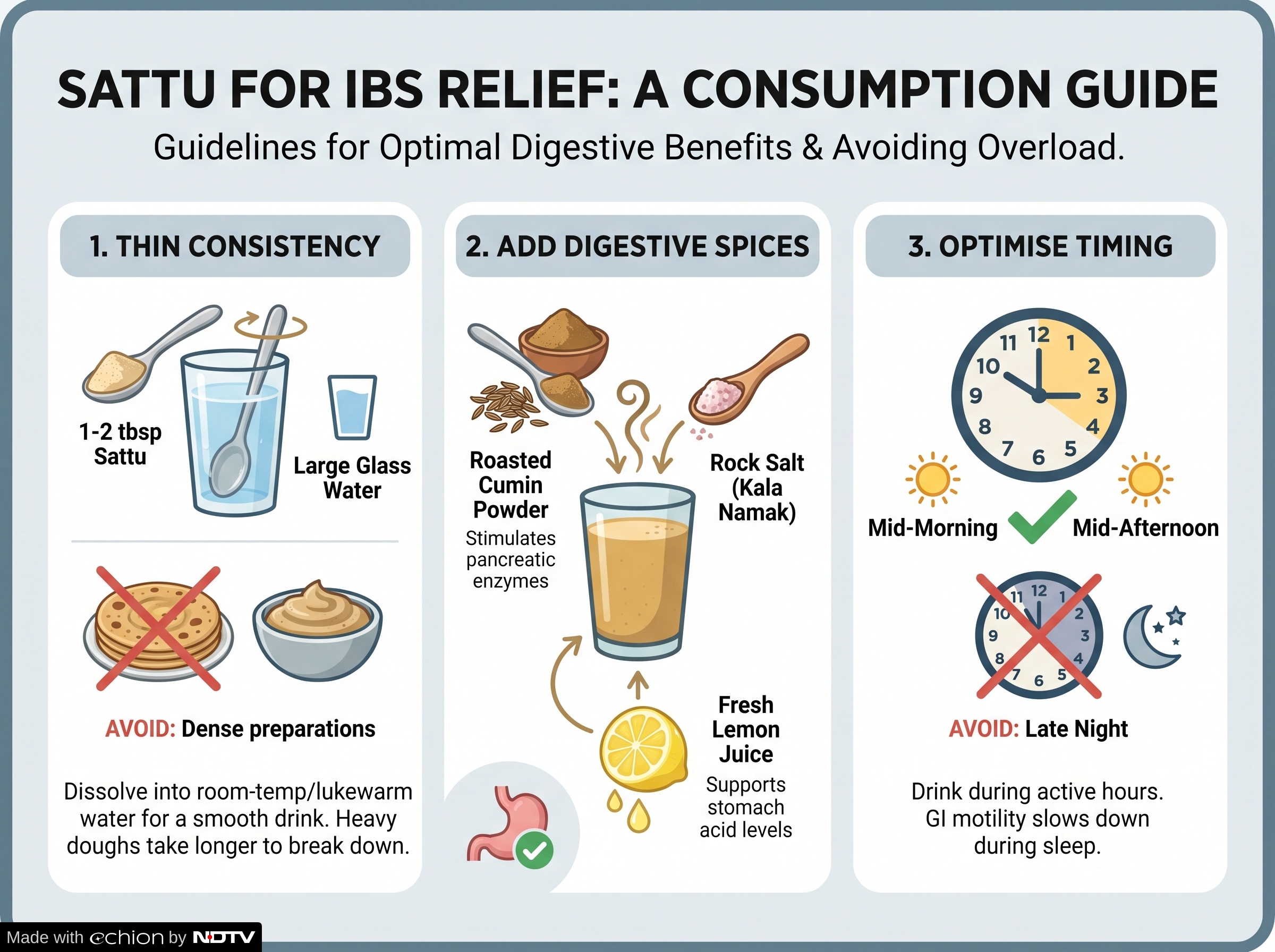
How to Consume Sattu for Maximum IBS Relief
To derive optimal therapeutic benefits from sattu without accidentally overloading a sensitive digestive system, experts recommend following consumption guidelines:
1. Maintain a Thin, Liquid Consistency: Avoid thick pastes, heavy doughs, or rich sattu parathas, as these dense preparations take much longer to break down. Approximately dissolve 1 to 2 tablespoons of sattu into a large glass of room-temperature or lukewarm water for a smooth drink.
2. Incorporate Carminative Digestive Spices: Mix in freshly ground roasted cumin powder, a small pinch of rock salt (kala namak), and a splash of fresh lemon juice. Cumin stimulates pancreatic digestive enzymes, while lemon juice supports healthy stomach acid levels.
3. Optimise the Timing: Drink sattu water during mid-morning hours or as a refreshing mid-afternoon tonic. Avoid taking sattu late at night, as gastrointestinal motility naturally slows down during sleep.
Dr Rajesh Kumar explains, “ Patients experiencing severe IBS-D (diarrhea-predominant) or an active acute flare-up should introduce sattu gradually, starting with just 1 teaspoon per day to evaluate tolerance, as rapid increases in soluble fibre can occasionally speed up intestinal transit.”
Those who are struggling with irritable bowel syndrome could benefit from the addition of roasted sattu to their diet. But a doctor consultation is needed to be safe, as everyone needs individualised care.
Also Read: Sohail Khan: What Happened To His Face? Why Sudden Weight Loss Changes Facial Structure
Disclaimer: This content including advice provides generic information only. It is in no way a substitute for a qualified medical opinion. Always consult a specialist or your own doctor for more information. NDTV does not claim responsibility for this information.