

)
For a long time, “fat-free” has been seen as the gold standard of healthy eating. Many people cut out fats completely, thinking it will help with weight loss or improve overall health. But nutrition isn't that simple. Your body does not just need nutrients; it needs the right conditions to absorb them, too. And that is where fats quietly play a big role.
Nutritionist Nmami Agarwal talks about this in an Instagram post, breaking a common myth around fat-free eating. Her message is clear: avoiding fats completely can actually limit how much nutrition your body absorbs.
She explains the science in a simple way. Some vitamins, specifically A, D, E, and K, are fat-soluble. This means they need fat to be absorbed properly in your body. Without it, these nutrients can simply pass through your gut without being fully used. As the nutritionist says, “If there is no fat, it can pass through gut unused.”
But it does not stop there. Fats also play a role in how other nutrients work. For example, vitamin D needs fat to be absorbed. And once absorbed, vitamin D helps your body take in calcium and magnesium – both important for bone health. So if fat intake is too low, this whole chain can be affected.
Agarwal also points out that this applies to supplements, too. Taking them on an empty stomach may not be the best idea.
What You Can Do Instead
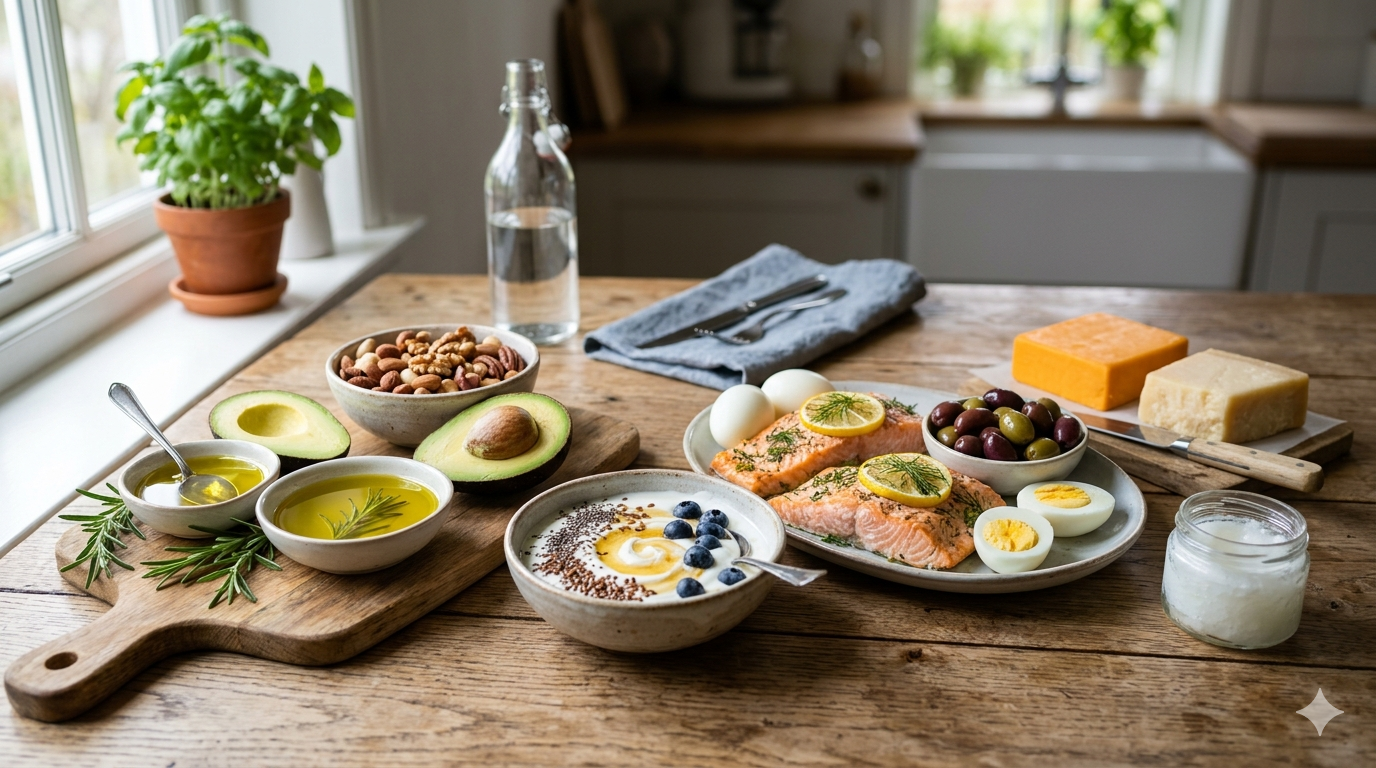
- Include small amounts of healthy fats in your meals (like nuts, seeds, or good oils)
- Take supplements after meals, not on an empty stomach
- Avoid going completely fat-free in the name of “clean eating”
Her key line sums it up well: fat is not the enemy – it is your body's nutrient delivery system.
The takeaway is simple. Eating healthy is not just about cutting things out. It is about balance. When you understand how nutrients work together, small changes – like adding a little fat to your meals – can actually help your body get more out of the food you already eat.
Disclaimer: This content including advice provides generic information only. It is in no way a substitute for a qualified medical opinion. Always consult a specialist or your own doctor for more information. NDTV does not claim responsibility for this information.