

)
Delhi's public healthcare system, often seen as one of the most accessible in India, is facing renewed scrutiny after a legislative panel flagged serious gaps in service delivery. A report tabled by the Public Accounts Committee (PAC) of the Delhi Legislative Assembly has highlighted multiple systemic issues, from shortages of doctors and paramedical staff to irregular drug supply and overcrowded hospitals. The findings are based on a performance audit conducted by the Comptroller and Auditor General of India covering several years, and subsequently reviewed by the PAC. The report paints a concerning picture of a system under pressure, struggling to meet the healthcare demands of a growing population.
Despite relatively high public spending on healthcare compared to other Indian states, the audit suggests that inefficiencies in implementation, staffing, and resource allocation continue to undermine service delivery. These gaps can, potentially, not only affect patient care but also expose deeper structural weaknesses in urban public health systems. As Delhi continues to serve as a major healthcare hub for neighbouring states, addressing these challenges has become critical, not just for the capital, but for strengthening healthcare access across northern India.
Key Findings of the PAC Report: Staff Shortages And Overburdened Hospitals
One of the most significant concerns highlighted in the report is the shortage of healthcare personnel. The audit found a substantial gap between sanctioned and filled posts across hospitals, including doctors, specialists, and paramedical staff. Overall, there was an estimated 21% staff shortage, with even higher deficits among specialists and paramedics. These shortages have a cascading impact on patient care, leading to longer waiting times, overworked staff, and reduced quality of treatment.
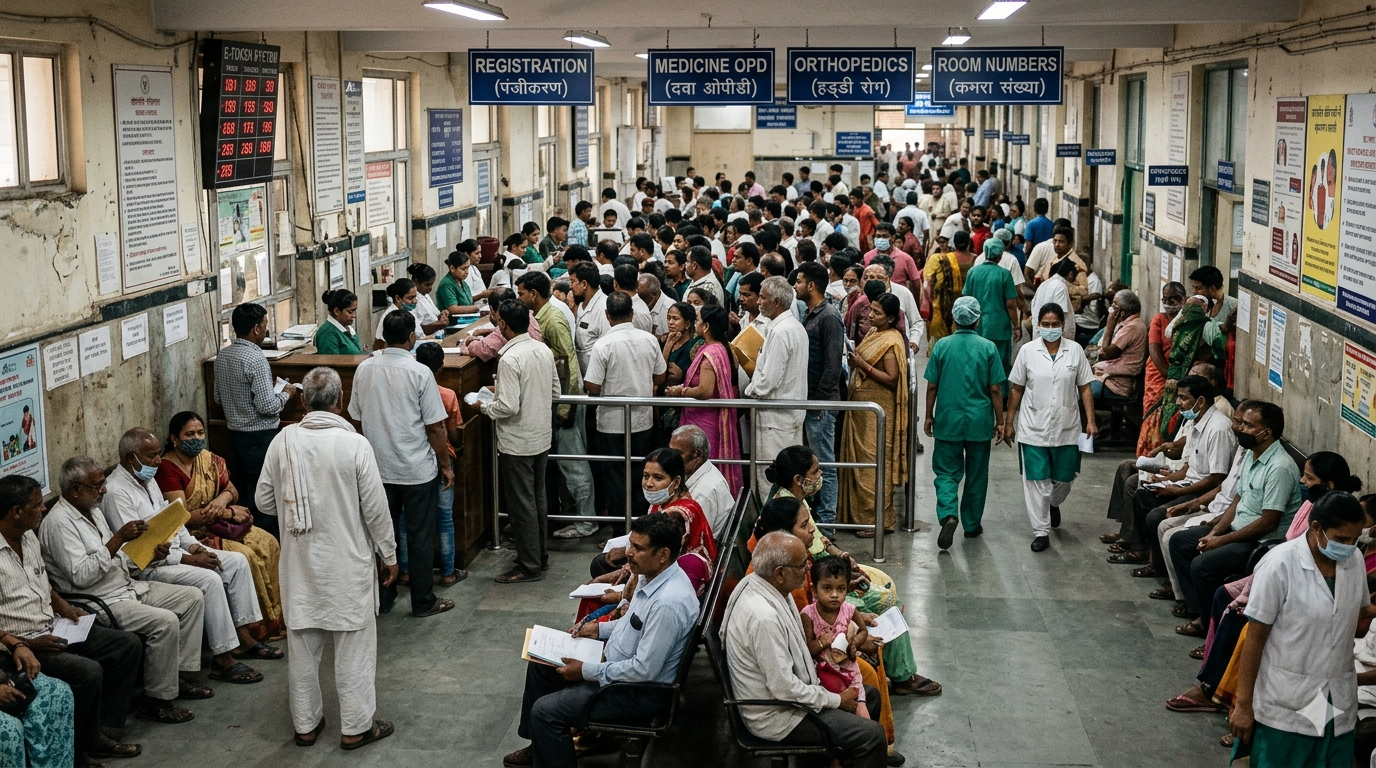
Overcrowding in hospitals is another pressing issue. With Delhi acting as a referral centre for patients from neighbouring states, public hospitals often face patient loads far beyond their capacity. This results in delays in surgeries, extended waiting periods, and strain on emergency services.
Drug Supply Failures And Infrastructure Gaps
The panel also flagged irregularities in the supply of essential medicines and medical consumables across government facilities. Inconsistent availability of drugs can force patients to purchase medicines from private pharmacies, increasing out-of-pocket expenditure, one of the biggest barriers to healthcare access in India. The issue of supply chain inefficiency is not new. According to policy discussions by the Ministry of Health and Family Welfare, uninterrupted access to essential medicines is a cornerstone of universal health coverage.
In addition to drug shortages, the audit also identified delays in infrastructure development and underutilisation of allocated funds. In some cases, budgets earmarked for hospital upgrades, staff recruitment, and equipment procurement remained partially unused.
Underutilised Funds: A Missed Opportunity?
One of the more striking findings of the report is the underutilisation of public funds allocated to healthcare. Despite significant budgetary commitments, a portion of the funds meant for improving infrastructure, hiring staff, and ensuring drug availability was not fully spent.
According to health system frameworks outlined by the World Health Organization, efficient use of resources is as critical as funding itself in achieving equitable healthcare outcomes. When funds remain unused, the consequences are visible on the ground, vacant posts remain unfilled, hospital projects are delayed, and patients continue to face gaps in care.
Impact On Patients And Public Health
The combined effect of staff shortages, overcrowding, and drug supply issues directly impacts patients. Delays in diagnosis, longer waiting times for surgeries, and interruptions in treatment can worsen health outcomes, particularly for vulnerable populations. Studies have shown that health system inefficiencies can increase morbidity and mortality, especially in low- and middle-income settings.
In Delhi, where public hospitals cater to a large share of economically weaker populations, such gaps can deepen health inequities. Patients who cannot afford private care are often left with limited options, making timely and quality public healthcare essential.
What Needs To Change?
The PAC has called for urgent government action to address these deficiencies, including filling vacant posts, improving drug procurement systems, and ensuring timely utilisation of funds.
Health policy experts historically recommend a multi-pronged approach:
- Strengthening primary healthcare to reduce pressure on tertiary hospitals
- Faster recruitment processes to fill critical vacancies
- Digital tracking systems for drug inventory and hospital capacity
- Improved accountability mechanisms for budget utilisation
Such measures could help build a more resilient and responsive healthcare system in the capital.
The findings of the Delhi Assembly panel highlight a critical moment for the city's healthcare system. While the capital has made significant investments in public health infrastructure, persistent gaps in staffing, drug supply, and governance threaten to undermine these efforts.
Addressing these challenges will require not just increased funding, but better planning, execution, and accountability. For millions who depend on government hospitals, timely reforms could mean the difference between delayed care and life-saving treatment. As Delhi continues to evolve as a major healthcare hub, strengthening its public health system must remain a top priority, both for the city and for the broader region it serves.
Disclaimer: This content including advice provides generic information only. It is in no way a substitute for a qualified medical opinion. Always consult a specialist or your own doctor for more information. NDTV does not claim responsibility for this information.